youth baseball glove
CN → US| HS Code | Tariff Rate | Origin | Destination | Doc |
|---|---|---|---|---|
| 6116100800 | 20.3% | CN | US | Official Doc |
| 6216000800 | 18.3% | CN | US | Official Doc |
| 6116930800 | 20.3% | CN | US | Official Doc |
| 4203214000 | 35.0% | CN | US | Official Doc |
| 4203212000 | 38.0% | CN | US | Official Doc |
| 6216004600 | 20.3% | CN | US | Official Doc |
Product Images
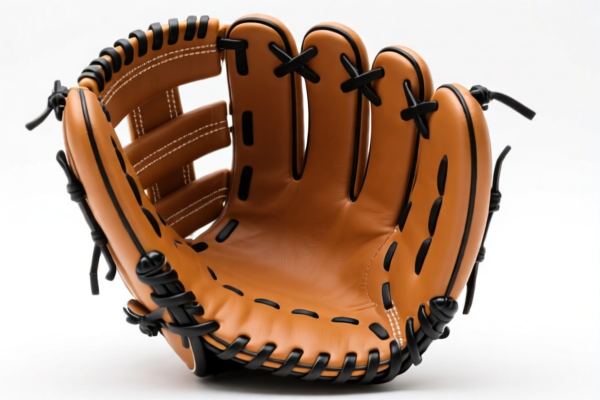
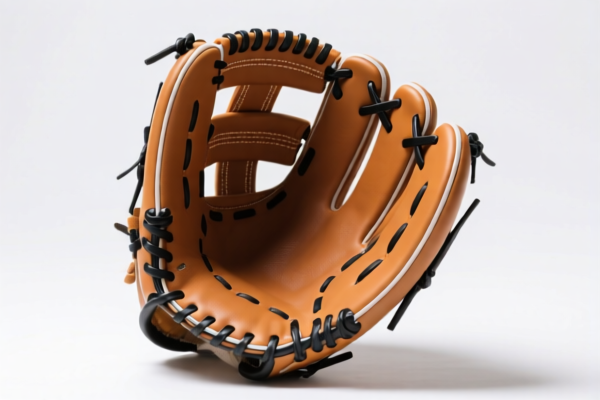
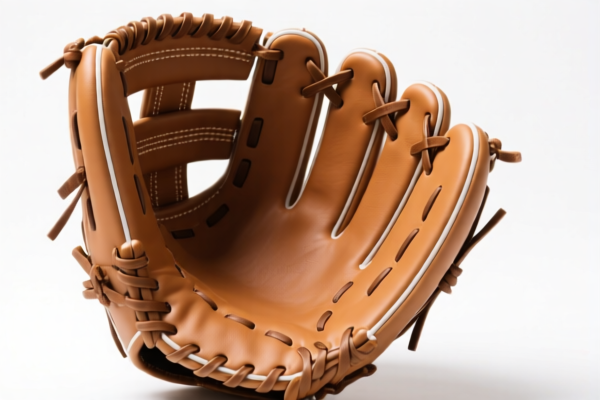
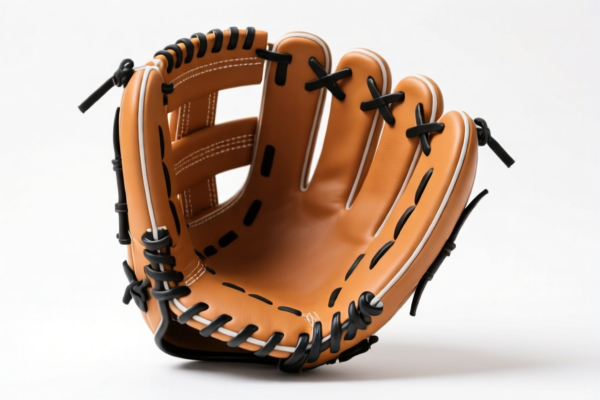
AI Analysis
⚾ Youth Baseball Glove: The Ultimate HS Code & Customs Clearance Guide | 2026 Tax Strategy
🌐 HS Code Reference & Customs Guide | 2026 Latest Tariff Analysis | Professional Clearance Strategy
📌 I. Product Definition & Classification: Do You Really Know a "Baseball Glove"?
A Youth Baseball Glove is not just a piece of leather; it is a specialized piece of sports equipment. In international trade, its classification depends heavily on material composition (Leather vs. Textile vs. Plastic/Rubber) and construction method (Knitted vs. Woven).
The Two Main Categories:
- Leather/Synthetic Leather Gloves (Chapter 42):
- Made primarily of leather or composition leather.
- Considered "Articles of apparel and clothing accessories, other" or specific leather goods.
- Textile/Plastic Coated Gloves (Chapter 61/62):
- Made of knit/crochet fabrics (Chapter 61) or woven fabrics (Chapter 62).
- May include rubber/plastic coatings on the palm for grip.
⚠️ Key Distinction Point:
- If the primary material is leather/composition leather → Go to Chapter 42.
- If the primary material is knit fabric (even if coated) → Go to Chapter 61.
- If the primary material is woven fabric → Go to Chapter 62.
- Misclassification Risk: Declaring a leather glove as textile can lead to severe penalties due to tariff differences (35-38% vs. ~20%).
📦 II. HS Code Classification Details (2026 Latest Tariff Authority Comparison)
Based on the provided data for a Left-Handed Baseball Glove, here are the potential HS Codes, summaries, and tax structures.
| HS Code | Product Summary & Material Inference | Total Tax Rate | Tax Breakdown Details |
|---|---|---|---|
6116.10.08.00 |
Left-hand baseball glove. Belongs to the glove category. Based on common sense, it may be coated or contain related functional materials. | 20.3% | Base Tariff: 2.8% Additional Tariff: 7.5% Section 122 Tariff: 10% |
6216.00.08.00 |
Left-hand baseball glove. Glove shape, surface contains leather or plastic/rubber coating. Purpose fits sports protective gear classification. | 18.3% | Base Tariff: 0.8% Additional Tariff: 7.5% Section 122 Tariff: 10% |
6116.93.08.00 |
Left-hand baseball glove. Form and purpose match for sports use. Material inferred as synthetic fiber or leather. | 20.3% | Base Tariff: 2.8% Additional Tariff: 7.5% Section 122 Tariff: 10% |
4203.21.40.00 |
Left-hand baseball glove. Purpose and form match. Material inferred as leather or synthetic leather. | 35.0% | Base Tariff: 0.0% Additional Tariff: 25.0% Section 122 Tariff: 10% |
4203.21.20.00 |
Left-hand baseball glove. Purpose and form fully match. Material inferred as leather or synthetic leather. | 38.0% | Base Tariff: 3.0% Additional Tariff: 25.0% Section 122 Tariff: 10% |
6216.00.46.00 |
Left-hand baseball glove. Form and purpose match. Material inferred as artificial fiber or leather. Fits definition of sports gloves. | 20.3% | Base Tariff: 2.8% Additional Tariff: 7.5% Section 122 Tariff: 10% |
🔍 Critical Observation:
- Leather Gloves (Ch 42) suffer from Higher Additional Tariffs (25%), leading to total taxes of 35-38%.
- Textile/Coated Gloves (Ch 61/62) have Lower Additional Tariffs (7.5%), leading to total taxes of 18.3-20.3%.
- Strategy: If the glove is made of knitted fabric (even with a small amount of leather trim), classify under 6116 or 6216 to save ~15% in taxes.
💰 III. 2026 Latest Tariff Rate Details (Including Surcharges & Policy Add-ons)
✅ Applicable Country: USA (US)
✅ Origin: China (CN) (Implied by Section 122 and Additional Tariffs)
✅ Effective Time: Current regulations apply.
🎯 1. 6116.10.08.00 / 6116.93.08.00 / 6216.00.46.00 —— Textile/Coated Sports Gloves
| Item | Content |
|---|---|
| Base Tariff | 0.8% - 2.8% (Ad Valorem) |
| Section 301 Additional Tariff | +7.5% (Based on provided data) |
| Section 122 Tariff | +10% (Specific to sports equipment/textiles from China) |
| Total Tax Rate | 18.3% - 20.3% |
| Tax Calculation | CIF Value × (18.3% to 20.3%) |
| De Minimis Exemption | ❌ No (Section 122 and Additional Tariffs usually negate de minimis for these categories in specific contexts, or value thresholds are low). |
| Legal Basis Path | USITC:6116.10.08.00 → Section 122: 10% + Section 301: 7.5% |
📌 Explanation:
- The 7.5% Additional Tariff is a specific rate applied to these textile/glove items.
- The 10% Section 122 Tariff is a retaliatory or specific duty on Chinese sports goods.
- Total Cost Impact: For a $100 glove, you pay $18.30 - $20.30 in duties.
🎯 2. 4203.21.40.00 / 4203.21.20.00 —— Leather/Synthetic Leather Gloves
| Item | Content |
|---|---|
| Base Tariff | 0.0% - 3.0% (Ad Valorem) |
| Section 301 Additional Tariff | +25.0% (Standard high-rate tariff for leather goods from China) |
| Section 122 Tariff | +10% |
| Total Tax Rate | 35.0% - 38.0% |
| Tax Calculation | CIF Value × (35.0% to 38.0%) |
| De Minimis Exemption | ❌ No |
| Legal Basis Path | USITC:4203.21.40.00 → Section 301: 25% + Section 122: 10% |
📌 Warning:
- These are high-tax categories.
- If your product is actually textile-based but declared as leather, you risk underpayment penalties if corrected by customs.
- If your product is leather-based, you cannot avoid the 25% additional tariff easily.
🛠️ IV. Customs Clearance Practical Advice (Real-World Pitfall Guide)
✅ 1. Preparation Checklist (Non-negotiable)
| Document | Required | Explanation |
|---|---|---|
| ✅ Product Specification Sheet | ✔️ | Must detail: Material composition (e.g., "90% Knitted Polyester, 10% Leather Palm"), Dimensions, Age Group (Youth). |
| ✅ Photos (Labeled) | ✔️ | Clear images of the palm (coating?), back (knit?), and label. |
| ✅ Commercial Invoice | ✔️ | Describe item as "Youth Baseball Glove, Knit/Synthetic" or "Leather Baseball Glove". Avoid vague terms like "Sports Accessory". |
| ✅ Origin Certificate | ✔️ | Confirm Country of Origin. If not China, Section 122 may not apply (but verify current rules). |
| ✅ Structure Diagram | ✔️ | Helpful to prove if it's "Knit" (Ch 61) or "Woven" (Ch 62) vs. "Leather" (Ch 42). |
✅ 2. Declaration Tips (Key Mnemonics)
🔥 “Material Determines Chapter, Chapter Determines Cost!”
| Scenario | Correct HS Code Strategy | Wrong Action | Consequence |
|---|---|---|---|
| Knit Fabric Glove (even with rubber palm) | Use 6116.10.08.00 or 6116.93.08.00 | Declare as Leather (4203) |
Overpaying by ~15% |
| Woven Fabric Glove (with coating) | Use 6216.00.08.00 or 6216.00.46.00 | Declare as Leather (4203) |
Overpaying by ~15-20% |
| True Leather Glove | Use 4203.21.20.00 or 4203.21.40.00 | Declare as Textile (6116) |
SEVERE PENALTY for misclassification, potential seizure |
| Mixed Material (Leather Palm + Knit Back) | Analyze Essential Character. If Knit dominates volume/value, try Ch 61. If Leather dominates, Ch 42. | Ambiguous description | Customs Audit, Delay, Re-classification Fees |
✅ 3. Special Case Handling
| Situation | Handling Advice |
|---|---|
| OEM/White Label Gloves | Provide customer contract. Ensure material description matches the actual product, not the brand's preference. |
| "Synthetic Leather" | Clarify if it is "Composition Leather" (Ch 42) or "Synthetic Fabric Coated" (Ch 59/61). This is the biggest source of disputes. |
| Youth vs. Adult | Size does not change HS Code, but "Youth" may imply smaller materials/volume, affecting valuation. |
| Set with Balls | If sold as a set, the glove is the essential character. Declare separately or as a set depending on packaging. |
🌍 V. Global Market Comparison (2026 Latest)
| Country/Region | Recommended HS Code | Est. Tax Rate (China Origin) | Key Requirements | Notes |
|---|---|---|---|---|
| 🇺🇸 USA | 6116 or 6216 |
18.3% - 20.3% (Textile) 35.0% - 38.0% (Leather) |
Section 122 + 301 Apply | High Tariff. Leather is very expensive to import. |
| 🇨🇳 China | 4203 or 6116 |
0% - 10% | No Additional Tariffs | Domestic trade friendly. |
| 🇪🇺 EU | 4203 or 6116 |
0% - 4.7% (Most Favorable) | CE (if safety gear) | No Section 122/301 equivalents. |
| 🇬🇧 UK | 4203 or 6116 |
0% - 12% | UKCA Marking | Post-Brexit rules apply. |
| 🇨🇦 Canada | 4203 or 6116 |
0% - 5% (CUSMA Eligible) | CUSMA Certificate | If made in US/Mexico, 0% duty. |
📌 Conclusion:
- USA is the most costly market due to Section 122 and Section 301.
- Material Selection is Key: Choosing Knit/Synthetic Textile over Leather can save you ~15% in landed cost.
- Do NOT misclassify leather gloves as textile. The penalties are severe.
📌 VI. Common Mistakes & Pitfall Guide (Lessons Learned)
❌ Mistake 1: Calling a Leather Glove a "Textile Glove" to save tax.
👉 Result: Customs inspection reveals leather. Back taxes + 20% penalty + Interest.
❌ Mistake 2: Ignoring Section 122 Tariff.
👉 Result: Underpaid by 10%. Customs issues a Notice of Liquidation with Higher Duty.
❌ Mistake 3: Vague Description "Baseball Glove".
👉 Result: Customs assigns the highest applicable duty rate (38%) due to uncertainty.
❌ Mistake 4: Mixing Leather and Textile without defining Essential Character.
👉 Result: Audit delay. Provide Material Breakdown (e.g., "60% Knit, 40% Leather Palm") to argue for Chapter 61.
✅ Correct Approach:
"Youth Baseball Glove, Left Hand, Knitted Polyester Back with Synthetic Rubber Palm, Model YBG-200"
→ Leads to 6116.10.08.00 (20.3% Tax) instead of 38%.
🎯 VII. Conclusion: Smart Classification, Lower Costs!
🎯 Remember the Golden Rule:
🔹 "Knit is King, Textile is Queen, Leather is Luxury (and Taxable)!"
🔹 "Check Section 122 and 301, or your margin will die!"
🔹 "Define the Material, Define the Tariff, Avoid the Audit!"
📌 Pro Tip:
If your supply chain allows, consider sourcing Knit/Synthetic Baseball Gloves from China or Vietnam. They face lower additional tariffs (7.5%) compared to leather (25%).
For Leather Gloves, ensure you have a solid margin to absorb the 35-38% total duty.
📣 Immediate Action:
📞 Consult a Customs Broker + Provide Material Specs + Apply for Advance Ruling (if high volume)
🚀 Classify Correctly, Clear Faster, Profit More!
✨ Professional Customs Clearance Starts with Accurate Classification!
💼 Every Percent Saved is Pure Profit!
Customer Reviews
About HS Code Classification
The Harmonized System (HS) is an internationally standardized nomenclature developed by the World Customs Organization (WCO) to classify traded products. Over 200 countries use the HS system as the basis for customs tariffs, trade statistics, and import/export regulations.
Each HS code follows a hierarchical structure:
- Chapter (2 digits) — Broad category of goods (e.g., Chapter 84: Machinery and Mechanical Appliances)
- Heading (4 digits) — More specific grouping within the chapter
- Subheading (6 digits) — Internationally standardized breakdown, used by all WCO member countries
- National subdivisions (8-10 digits) — Country-specific extensions for further classification, such as US HTSUS 10-digit codes
Correct HS code classification is essential for smooth customs clearance, accurate duty payment, and compliance with trade regulations. Misclassification can lead to customs delays, overpayment of duties, or penalties.
When importing from CN to US, the applicable tariff rates may include:
- Most-Favored-Nation (MFN) rate — The standard duty rate applied to WTO members
- General rate — Applied to countries without trade agreements
- Trade remedy duties — Additional tariffs such as Section 301 (anti-dumping), Section 232 (national security), or countervailing duties
The information provided on this page is for reference purposes only. For official classification, please consult with your local customs authority or a licensed customs broker.