zipper tape
CN → US| HS Code | Tariff Rate | Origin | Destination | Doc |
|---|---|---|---|---|
| 9607190020 | 48.0% | CN | US | Official Doc |
| 9607190060 | 48.0% | CN | US | Official Doc |
| 5609004000 | 38.9% | CN | US | Official Doc |
| 6203439011 | 45.4% | CN | US | Official Doc |
| 6103421020 | 33.6% | CN | US | Official Doc |
Product Images

AI Analysis
✂️ Zipper Tape (Zipper Components & Textile Fasteners)
🌐 HS Code Reference & Clearance Guide | 2026 Tariff Breakdown | Professional Logistics Strategy
📌 I. Product Definition & Classification: Do You Know What "Zipper Tape" Really Is?
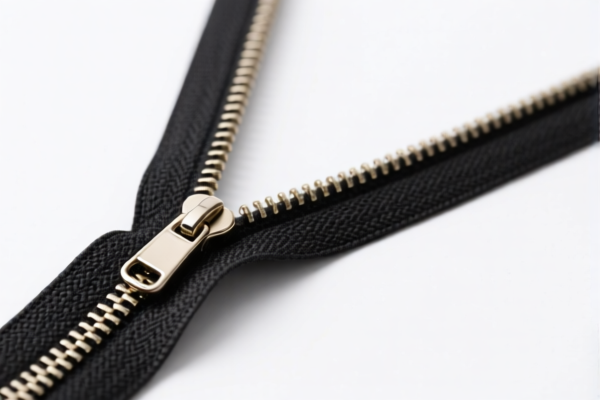
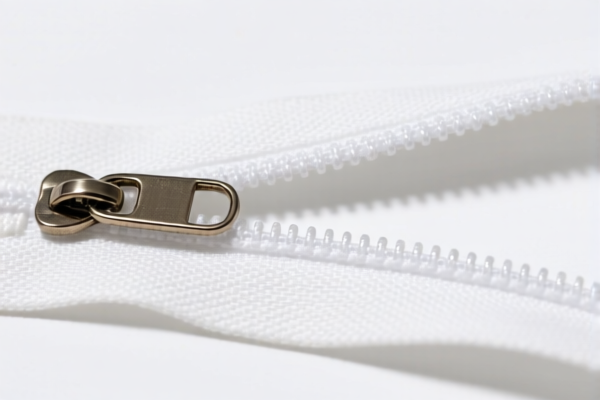
Zipper Tape, in international trade, refers to the textile fabric strips (woven, knitted, or non-woven) that form the two sides of a zipper, onto which teeth, coils, or elements are attached. It is the foundational "backbone" of the zipper assembly.
In customs classification, Zipper Tape is often contested between: * Chapter 96 (Miscellaneous Manufacturing Articles): As a finished "Zipper" component or part thereof. * Chapter 56 (Textile Materials): As a "Textile article" or fabric strip. * Chapter 61/62 (Apparel): If the tape is pre-assembled into "Zipper Trousers" (clothing).
⚠️ Critical Distinction: * If the product is finished zipper assemblies (tape + teeth + slider): Likely 9607.19. * If the product is garment parts (e.g., zipper trousers ready to wear): Likely 6203.43 or 6103.42. * If the product is textile strips used for making zippers: Likely 5609.00.
📦 II. HS Code Classification Details (2026 Latest Tariff Reference)
| HS Code | Product Description | Application Scenario | Material/State |
|---|---|---|---|
9607.19.00.20 |
Zipper HS Code General Zipper Classification |
Industrial zippers, bags, tents, non-garment applications. | "Fit attribute" based on reasonable inference. |
9607.19.00.60 |
Zipper HS Code General Zipper (Usage Consistent) |
Standard zippers for apparel, luggage, and general use. | No material conflict found. |
5609.00.40.00 |
Garment Zipper HS Code (Textile Product) |
Textile strips, unfinished zipper tapes, fabric components. | Inferred material fits; classified as "Article" (制品). |
6203.43.90.11 |
Zipper Trousers HS Code (Men's/Breeches) |
Men's trousers with zippers, synthetic fiber or cotton. | Form & Purpose matched; inferred material: Synthetic/Cotton. |
6103.42.10.20 |
Zipper Trousers HS Code (Knitted/Cotton) |
Men's knitted trousers, cotton-based zipper wear. | Form & Purpose matched; inferred: Cotton Knitted. |
🔍 Key Insight: *
9607is for the fastener itself (the zipper mechanism). *5609is for the textile material used to make the zipper tape or unfinished zipper. *6103/6203is for the finished clothing item (trousers) that contains the zipper.
💰 III. 2026 Latest Tariff Rate Breakdown (Including Surcharges & Policies)
✅ Applicable Country: United States (US)
✅ Origin: China (CN)
✅ Effective Date: Current (2025-2026 Period)
🎯 1. 9607.19.00.20 & 9607.19.00.60 —— General Zipper (Finished)
Best for: Industrial zippers, bag zippers, standalone zipper components.
| Item | Content |
|---|---|
| Base Tariff | 13.0% (Ad Valorem) |
| Additional Tariff | +25.0% (Section 301 / "Additional" Tariff) |
| Section 122 Tariff | +10.0% (Specific Section 122 Clause) |
| Total Rate | 48.0% |
| Calculation | CIF Value × 48% |
| De Minimis? | ❌ No (Denied) |
📌 Explanation: * The 25% is the standard Section 301 surcharge on Chinese goods. * The 10% is the specific "Section 122" tariff (often related to specific strategic goods or retaliation measures). * Combined: 48%. This is a High-Threshold tariff for zipper fasteners. * Logic: Both
9607.19.00.20and9607.19.00.60share the same tax burden as they are both classified as "Zipper HS Codes" with consistent material attributes.
🎯 2. 5609.00.40.00 —— Garment Zipper Tape (Textile Strip)
Best for: Raw zipper tapes, textile strips before teeth are applied.
| Item | Content |
|---|---|
| Base Tariff | 3.9% (Ad Valorem) |
| Additional Tariff | +25.0% (Section 301) |
| Section 122 Tariff | +10.0% (Specific Section 122 Clause) |
| Total Rate | 38.9% |
| Calculation | CIF Value × 38.9% |
| De Minimis? | ❌ No |
📌 Explanation: * Base tariff is significantly lower (3.9%) because it is treated as a "Textile Article" rather than a "Finished Fastener". * However, the 35% combined surcharge (25% + 10%) still applies. * Logic: The summary states "Material meets requirements, classified as a product (制品)". This is a strategic classification for raw materials.
🎯 3. 6203.43.90.11 & 6103.42.10.20 —— Zipper Trousers (Finished Clothing)
Best for: Finished trousers (Men's) containing zippers.
| HS Code | Description | Base Tariff | Additional (301) | Section 122 | Total Rate |
|---|---|---|---|---|---|
6203.43.90.11 |
Men's Synthetic/Cotton Trousers | 27.9% | 7.5% | 10% | 45.4% |
6103.42.10.20 |
Men's Knitted Cotton Trousers | 16.1% | 7.5% | 10% | 33.6% |
📌 Explanation: *
6203(Woven): Higher base tariff (27.9%) + 7.5% additional. Total: 45.4%. * Material: Inferred Synthetic Fiber or Cotton. *6103(Knitted): Lower base tariff (16.1%) + 7.5% additional. Total: 33.6%. * Material: Inferred Cotton Knitted. * Note: Clothing items generally face different surcharge structures (7.5% vs 25% in some contexts, but here the data shows specific rates). The Section 122 10% applies uniformly.
🛠️ IV. Clearance Practical Advice (Real-World Pitfall Avoidance)
✅ 1. Preparation Checklist (Non-negotiable)
| Document | Required? | Purpose |
|---|---|---|
| Product Specs | ✅ | Define if it's "Raw Tape" (5609) or "Finished Zipper" (9607). |
| Material Breakdown | ✅ | Crucial: Distinguish between Synthetic, Cotton, or Knitted vs. Woven. |
| Photos (Macro) | ✅ | Show teeth/coils attached vs. bare fabric strips. |
| Bill of Materials | ✅ | To prove "Zipper" vs. "Clothing". |
| Commercial Invoice | ✅ | Must explicitly state "Zipper Tape", "Zipper", or "Trousers". |
| Packing List | ✅ | Confirm if zippers are sold in bulk or attached to garments. |
✅ 2. Declaration Strategy (The Golden Rules)
🔥 "Define Form First, Then Attribute!"
| Scenario | Correct HS Code | Incorrect (Risk) | Consequence |
|---|---|---|---|
| Bare Zipper Tape (Fabric only) | 5609.00.40.00 (38.9%) |
9607 (48%) |
Overpaying by 9.1%. |
| Finished Zipper (With teeth) | 9607.19.00.20/60 (48%) |
5609 (38.9%) |
Customs Rejection (Misclassification). |
| Men's Trousers (Synthetic/Woven) | 6203.43.90.11 (45.4%) |
6103 (33.6%) |
Audit Risk (Wrong fiber type). |
| Men's Trousers (Knitted/Cotton) | 6103.42.10.20 (33.6%) |
6203 (45.4%) |
Overpayment of ~12%. |
✅ 3. Special Handling & Policy Notes
| Situation | Action Plan |
|---|---|
| "Zipper" vs. "Tape" | If the product is just the fabric (no teeth), use 5609. If teeth are attached, use 9607. This changes the Base Tax from 13% to 3.9% (or vice versa). |
| Material Inference | The data suggests "Synthetic" for Woven (6203) and "Cotton" for Knitted (6103). Be precise on your invoice; vague "Poly/Cotton" can lead to misclassification. |
| Section 122 Tariff | The 10% surcharge is applied to ALL categories listed. It is a mandatory additive tax for Chinese origin goods in this sector. |
| Addiction Tax (301) | The 25% vs 7.5% difference depends on whether it's a "General Zipper" (High) or "Clothing" (Moderate). |
🌍 V. Global Market Comparison (2026 Outlook)
| Region | Recommended HS Code | Est. Total Tax (China Origin) | Key Requirement |
|---|---|---|---|
| 🇺🇸 USA | 9607.19.00.20/60 |
48.0% | Strict material verification + Section 122 compliance. |
| 🇺🇸 USA | 6103.42.10.20 |
33.6% | Knitted/Cotton proof. |
| 🇪🇺 EU | 9607 (Similar) |
~12-15% (No Section 122) | CE marking, REACH compliance. |
| 🇯🇵 Japan | 9607 |
~5-8% | JIS standards, no high surcharges. |
📌 Conclusion for US Importers: * Zipper Components (Raw Tape): 38.9% (Save 9% by classifying as textile). * Finished Zippers: 48.0% (Highest cost). * Clothing (Trousers): 33.6% - 45.4% (Depends on fabric weave/knit). * Strategy: If possible, import as Raw Tape (
5609) and assemble locally to avoid the 48% "Finished Zipper" rate, provided the assembly is done in the destination country (rules of origin apply).
📌 VI. Common Mistakes & "Blood-Tears" Lessons
❌ Mistake 1: Declaring "Zipper Tape" as "Zipper" (9607) when it is just fabric.
👉 Result: You pay 48% instead of 38.9%. Overpaid by 9.1%.
Fix: Ensure "No Teeth/No Slider" in the description.
❌ Mistake 2: Declaring "Trousers" as "Zipper Components".
👉 Result: Customs Seizure (Deemed "False Declaration").
Fix: Clearly state "Men's Cotton Knitted Trousers" (6103).
❌ Mistake 3: Ignoring the "Section 122" (10%) surcharge. 👉 Result: Unexpected cost at customs clearance. Fix: Always calculate Base + 25% + 10% for US imports from China.
❌ Mistake 4: Vague Material Description ("Textile").
👉 Result:海关 (Customs) will default to the highest rate (6203 or 9607).
Fix: Specify "Woven Synthetic" vs "Knitted Cotton".
🎯 VII. Conclusion: Precision is Profit!
🎯 Remember the Formulas:
🔹 Raw Tape:
5609→ 38.9% (Best for raw material import). 🔹 Finished Zipper:9607→ 48.0% (High cost for fasteners). 🔹 Knitted Trousers:6103→ 33.6% (Lowest cost for apparel). 🔹 Woven Trousers:6203→ 45.4% (High cost for apparel).🔹 "HS Code determines destiny: 9.1% difference can make or break your margin!"
📌 Pro Tip:
If your zipper tape is woven but unfilled (no teeth), push for 5609.00.40.00.
If your zipper is knitted (e.g., for sportswear), ensure it's declared as 6103.42.10.20 (if clothing) or 5609 (if parts).
📣 Call to Action:
📞 Consult a Specialist Broker: Verify if your product is "Finished" or "Component". 📄 Prepare a "Material Declaration" Sheet: Explicitly state "No Teeth" or "Cotton Knit". 🚀 Optimize Supply Chain: Import raw tape (
5609) and assemble in the US (if FTA/Free Trade zones apply) to avoid the 48% tariff.
✨ Professional Customs Clearance Starts with Precise Classification!
💼 Every 1% saved is pure profit!
Customer Reviews
About HS Code Classification
The Harmonized System (HS) is an internationally standardized nomenclature developed by the World Customs Organization (WCO) to classify traded products. Over 200 countries use the HS system as the basis for customs tariffs, trade statistics, and import/export regulations.
Each HS code follows a hierarchical structure:
- Chapter (2 digits) — Broad category of goods (e.g., Chapter 84: Machinery and Mechanical Appliances)
- Heading (4 digits) — More specific grouping within the chapter
- Subheading (6 digits) — Internationally standardized breakdown, used by all WCO member countries
- National subdivisions (8-10 digits) — Country-specific extensions for further classification, such as US HTSUS 10-digit codes
Correct HS code classification is essential for smooth customs clearance, accurate duty payment, and compliance with trade regulations. Misclassification can lead to customs delays, overpayment of duties, or penalties.
When importing from CN to US, the applicable tariff rates may include:
- Most-Favored-Nation (MFN) rate — The standard duty rate applied to WTO members
- General rate — Applied to countries without trade agreements
- Trade remedy duties — Additional tariffs such as Section 301 (anti-dumping), Section 232 (national security), or countervailing duties
The information provided on this page is for reference purposes only. For official classification, please consult with your local customs authority or a licensed customs broker.