zodiac bracelet
CN → US| HS Code | Tariff Rate | Origin | Destination | Doc |
|---|---|---|---|---|
| 9505906000 | 10.0% | CN | US | Official Doc |
| 7113115000 | 22.5% | CN | US | Official Doc |
| 7117909000 | 28.5% | CN | US | Official Doc |
| 7117193000 | 21.4% | CN | US | Official Doc |
| 7113115000 | 22.5% | CN | US | Official Doc |
Product Images
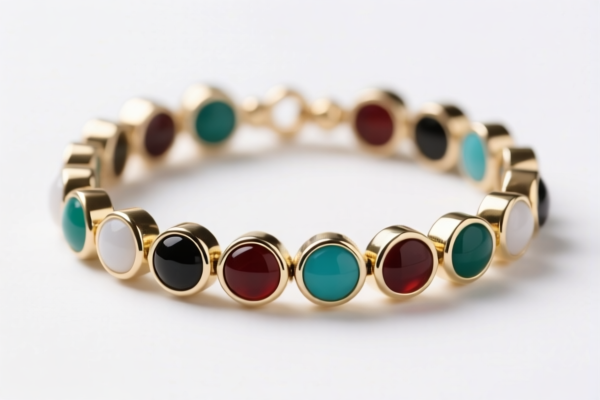
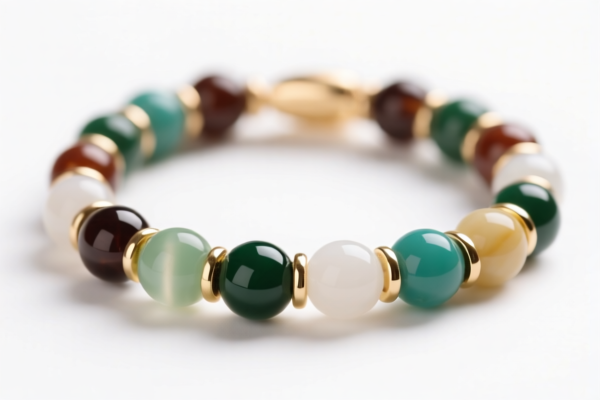
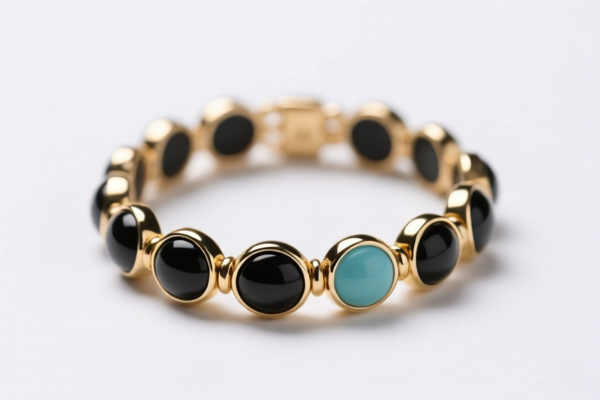
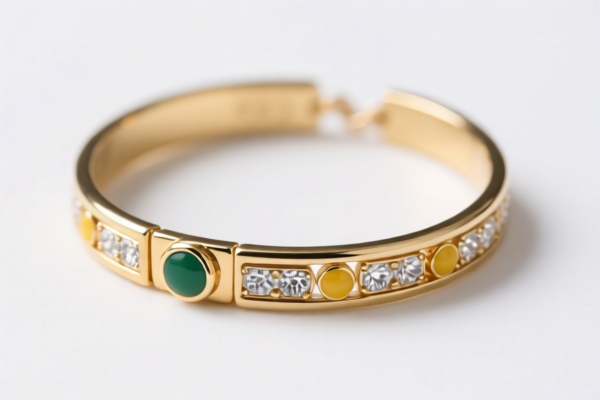
AI Analysis
🌟 Zodiac Bracelets (星座/生肖手链) – HS Code Classification & US Customs Clearance Guide 2026
🌐 HS Code Reference & Clearance Strategy | 2026 Latest Tariff Analysis | Professional Compliance Guide
📌 I. Product Definition & Classification: What Exactly Is a "Zodiac Bracelet"?
A Zodiac/Sodiac Bracelet is a wearable accessory featuring astrological (Constellation) or cultural (Zodiac animal) symbols. In international trade, its classification depends heavily on material composition and functional intent (decorative vs. jewelry).
There are 3 distinct classification paths based on inference:
- Entertainment/Novelty Item: If made of plastic, resin, or non-precious materials, classified as "Festive/Entertainment Articles."
- Precious Metal Jewelry: If made of Silver (Ag) or Gold (Au), classified as "Jewelry of Precious Metal."
- Imitation Jewelry: If made of base metals (alloy, copper, brass) or plastic but designed to look like jewelry, classified as "Imitation Jewelry."
⚠️ Critical Distinction:
- Is it precious metal? → Goes to Chapter 71 (Precious Metals).
- Is it base metal/plastic? → Can go to Chapter 95 (Novelty) or Chapter 71 (Imitation Jewelry).
- Intent: Is it purely decorative/cultural or a functional item?
📦 II. HS Code Classification Details (2026 Latest Tariff Authority)
| HS Code | Product Description | Inference Basis | Key Characteristics |
|---|---|---|---|
9505.90.60.00 |
Articles for Festive, Carnival or Other Entertainment Purposes (Other) | Entertainment/Novelty | • Material: Non-precious (Plastic/Resin inferred) • Use: Decorative/Entertainment • Category: "Other" festive items • No material conflict identified |
7113.11.50.00 |
Jewelry of Silver (whether or not plated with precious metal) | Precious Metal (Silver) | • Material: Silver (Ag) inferred from "Jewelry"常识 • Form: Bracelet (Jewelry) • Category: Other Silver Jewelry • High-value material assumption |
7117.90.90.00 |
Imitation Jewelry (Other) | Base Metal/General Imitation | • Form: Bracelet (Jewelry) • Material: Non-precious metal/alloy • Use: Cultural/Religious (Zodiac meaning) • Category: "Other" imitation jewelry • Default fallback for non-precious jewelry |
7117.19.30.00 |
Imitation Jewelry: Of Base Metal, Clad with Precious Metal | Specific Base Metal + Cultural Use | • Form: Wearable Jewelry (Bracelet) • Material: Non-precious (Alloy/Plastic inferred) • Use: Religious/Cultural祈福 (Zodiac/Blessing) • Category: Specific cultural attribute |
🔍 Key Insight:
-9505is the lowest tax option (10%) but requires the item to be clearly defined as a novelty/festive item, not fine jewelry. -7113applies only if the item is actually Silver. Misdeclaring plastic as silver leads to severe penalties. -7117is the standard for base-metal "jewelry-like" items. It carries higher tariffs due to "Section 301" and "122 Clause" add-ons.
💰 III. 2026 Latest Tariff Rate Breakdown (Including Add-ons)
✅ Applicable Country: USA (US)
✅ Origin: China (CN)
✅ Effective Time: 2025 Nov 10 onwards (Post-import)
🎯 1. 9505.90.60.00 – Festive/Entertainment Articles (Lowest Risk/Cost)
| Item | Detail |
|---|---|
| Base Duty | 0.0% |
| Section 301 Add-on | 0.0% |
| Section 122 Clause | 10.0% |
| Total Duty Rate | 10.0% |
| Tax Calculation | CIF Value × 10% |
| De Minimis Eligibility | ❌ Not Eligible (Due to 122 Clause) |
| Legal Path | 122 Clause: 10% → HS: 9505.90.60.00 |
📌 Explanation:
- This is the most cost-effective classification IF the product can be legitimately described as a "festive" or "entertainment" accessory (e.g., plastic charms, Halloween/Christmas themed, or novelty gifts). - No Section 301 tariff applies to this specific subheading for Chinese goods under current rules. - Risk: Customs may reclassify as "Imitation Jewelry" (7117) if the item looks like fine jewelry.
🎯 2. 7113.11.50.00 – Silver Jewelry (Highest Value Material)
| Item | Detail |
|---|---|
| Base Duty | 5.0% |
| Section 301 Add-on | 7.5% |
| Section 122 Clause | 10.0% |
| Total Duty Rate | 22.5% |
| Tax Calculation | CIF Value × 22.5% |
| De Minimis Eligibility | ❌ Not Eligible |
| Legal Path | Base: 5% + 301: 7.5% + 122: 10% → HS: 7113.11.50.00 |
📌 Explanation:
- Applies ONLY if the bracelet is verified as Silver. - Higher base duty reflects the value of precious metals. - Warning: Do not use this for base-metal items. If customs finds out, they will assess 28.5% (see below) plus penalties.
🎯 3. 7117.90.90.00 – Imitation Jewelry (Standard Base Metal)
| Item | Detail |
|---|---|
| Base Duty | 11.0% |
| Section 301 Add-on | 7.5% |
| Section 122 Clause | 10.0% |
| Total Duty Rate | 28.5% |
| Tax Calculation | CIF Value × 28.5% |
| De Minimis Eligibility | ❌ Not Eligible |
| Legal Path | Base: 11% + 301: 7.5% + 122: 10% → HS: 7117.90.90.00 |
📌 Explanation:
- The standard classification for alloy/plastic jewelry that isn’t silver/gold. - Highest duty rate among common jewelry types due to high base tariff (11%).
🎯 4. 7117.19.30.00 – Base Metal Jewelry (Cultural/Religious)
| Item | Detail |
|---|---|
| Base Duty | 3.9% |
| Section 301 Add-on | 7.5% |
| Section 122 Clause | 10.0% |
| Total Duty Rate | 21.4% |
| Tax Calculation | CIF Value × 21.4% |
| De Minimis Eligibility | ❌ Not Eligible |
| Legal Path | Base: 3.9% + 301: 7.5% + 122: 10% → HS: 7117.19.30.00 |
📌 Explanation:
- A lower base duty option (3.9%) specifically for base metal jewelry with religious/cultural attributes (e.g., Zodiac/Blessing charms). - Requires strong evidence that the item is intended for cultural/religious use (not just general fashion).
🛠️ IV. Customs Clearance Operational Advice (Practical Pitfall Avoidance)
✅ 1. Documentation Checklist (Mandatory)
| Document | Must Provide? | Notes |
|---|---|---|
| ✅ Product Description | ✔️ | Specify: "Zodiac Bracelet," "Plastic/Alloy/Silver," "Decorative/Novelty" |
| ✅ Material Composition | ✔️ | CRITICAL: Must state % of Silver, Alloy, Plastic, etc. |
| ✅ Product Photos | ✔️ | Clear images of clasp, material texture, and Zodiac symbol |
| ✅ Commercial Invoice | ✔️ | Value must be accurate; describe as "Jewelry" or "Novelty Item" based on HS |
| ✅ Origin Certificate | ✔️ | For US origin (if applicable), but most likely CN |
| ✅ Structure Diagram | ✔️ | If claiming 9505 (Novelty), prove it’s not "Jewelry" |
✅ 2. Classification Strategy (Key Logic)
🔥 "Know Your Material, Choose Your Tax!"
| Scenario | Recommended HS Code | Total Duty | Strategy |
|---|---|---|---|
| Plastic/Resin "Novelty" Charm | 9505.90.60.00 |
10% | Market as "Festive Accessory" or "Gift Item." Avoid word "Jewelry" in primary description. |
| Real Silver Bracelet | 7113.11.50.00 |
22.5% | Must provide assay certificate or material guarantee. |
| Alloy/Brass "Fashion" Jewelry | 7117.90.90.00 |
28.5% | Default for non-precious fashion jewelry. |
| Cultural/Blessing Base Metal | 7117.19.30.00 |
21.4% | Provide proof of cultural/religious significance (e.g., Zodiac blessing purpose). |
✅ 3. Special Cases & Risk Management
| Situation | Handling Advice |
|---|---|
| Mixed Materials (Silver + Plastic) | If >50% by weight/value, classify as Silver (7113). If <50%, classify as Imitation (7117). |
Claiming 9505 (10% Duty) |
High Risk. Customs often reclassifies bracelets as jewelry. Mitigation: Emphasize "Entertainment/Novelty" use, not daily wear. Provide marketing materials showing it as a gift/toy. |
| Misdeclaring Plastic as Silver | Penalty Risk. Customs may use XRF testing. If caught, duty jumps from 10% to 22.5% + penalties. Always be honest about material. |
| Zodiac/Cultural Significance | Use this to justify 7117.19.30.00 (21.4%) instead of 7117.90.90.00 (28.5%) if it’s base metal. Provide cultural context in invoice. |
🌍 V. Global Market Comparison (2026)
| Country/Region | Recommended HS Code | Estimated Duty (China Origin) | Certification | Notes |
|---|---|---|---|---|
| 🇺🇸 USA | 9505.90.60.00 |
10% | None | Best rate if eligible as novelty |
| 🇺🇸 USA | 7117.90.90.00 |
28.5% | None | Standard for base-metal jewelry |
| 🇨🇳 China | 7117.90.90.00 |
11% | CCC (if electronic) | No Section 301/122 |
| 🇪🇺 EU | 7117.19.90 |
0-2% | REACH + Nickel Release | Low duty, strict chemical tests |
| 🇬🇧 UK | 7117.19.90 |
0-2% | UKCA | Post-Brexit rules apply |
📌 Conclusion:
- The USA is the most expensive market for jewelry imports due to Section 301 and 122 Clause add-ons. - Strategy: If possible, market as "Novelty/Festive Item" (9505) to save 12.5%-18.5% in duties. - If it’s truly jewelry, use7117.19.30.00(21.4%) for cultural items instead of7117.90.90.00(28.5%).
📌 VI. Common Errors & Pitfalls (Lessons Learned)
❌ Error 1: Declaring all bracelets as 9505 (Novelty) to save tax.
👉 Result: Customs reclassifies as 7117 → Back duty + 122 Clause penalty + 10% interest.
❌ Error 2: Declaring base-metal as "Silver" (7113).
👉 Result: XRF test fails → Confiscation + Fine + Loss of Import Privileges.
❌ Error 3: Ignoring "Section 122 Clause" (10%).
👉 Result: All these HS codes attract the 10% add-on for Chinese goods. Factor it into pricing!
❌ Error 4: Vague Description ("Zodiac Bracelet").
👉 Result: Customs asks for clarification → Delay in clearance + Storage fees.
👉 Fix: Use "Plastic Zodiac Charm, Entertainment Accessory" or "Alloy Zodiac Bracelet, Cultural Jewelry."
✅ Correct Practice:
"Plastic Zodiac Bracelet, Novelty Accessory, For Entertainment Use, Model ZC-01"
OR
"Alloy Zodiac Bracelet, Cultural/Blessing Jewelry, Base Metal, Model ZC-02"
🎯 VII. Conclusion: Smart Classification, Maximized Profit!
🎯 Remember the Golden Rules:
🔹 "Plastic = Novelty (10%)? Prove it!"
🔹 "Alloy = Cultural Jewelry (21.4%)? Justify the culture!"
🔹 "Silver = Jewelry (22.5%)? Certify the metal!"
🔹 "122 Clause is 10% – Always Included!"
📌 Pro Tip:
For high-volume imports, consider Advance Ruling (Ruling Letter) from U.S. Customs to lock in the HS Code classification. This prevents surprise reclassifications and audits.
📣 Action Required:
📞 Consult a Customs Broker: Verify material composition.
📄 Prepare Evidence: Photos, Material Certificates, Marketing Materials.
🚀 Optimize Your Supply Chain: Choose the correct HS Code from Day 1 to avoid post-clearance audits.
✨ Professional Clearance Starts with Accurate Classification!
💼 Every Percent Saved is Pure Profit!
Customer Reviews
About HS Code Classification
The Harmonized System (HS) is an internationally standardized nomenclature developed by the World Customs Organization (WCO) to classify traded products. Over 200 countries use the HS system as the basis for customs tariffs, trade statistics, and import/export regulations.
Each HS code follows a hierarchical structure:
- Chapter (2 digits) — Broad category of goods (e.g., Chapter 84: Machinery and Mechanical Appliances)
- Heading (4 digits) — More specific grouping within the chapter
- Subheading (6 digits) — Internationally standardized breakdown, used by all WCO member countries
- National subdivisions (8-10 digits) — Country-specific extensions for further classification, such as US HTSUS 10-digit codes
Correct HS code classification is essential for smooth customs clearance, accurate duty payment, and compliance with trade regulations. Misclassification can lead to customs delays, overpayment of duties, or penalties.
When importing from CN to US, the applicable tariff rates may include:
- Most-Favored-Nation (MFN) rate — The standard duty rate applied to WTO members
- General rate — Applied to countries without trade agreements
- Trade remedy duties — Additional tariffs such as Section 301 (anti-dumping), Section 232 (national security), or countervailing duties
The information provided on this page is for reference purposes only. For official classification, please consult with your local customs authority or a licensed customs broker.