不锈钢手镯
CN → US| HS Code | Tariff Rate | Origin | Destination | Doc |
|---|---|---|---|---|
| 7116201500 | 24.0% | CN | US | Official Doc |
| 7113195091 | 15.5% | CN | US | Official Doc |
| 7117909000 | 28.5% | CN | US | Official Doc |
| 7116200500 | 13.3% | CN | US | Official Doc |
| 7113195095 | 23.0% | CN | US | Official Doc |
Product Images
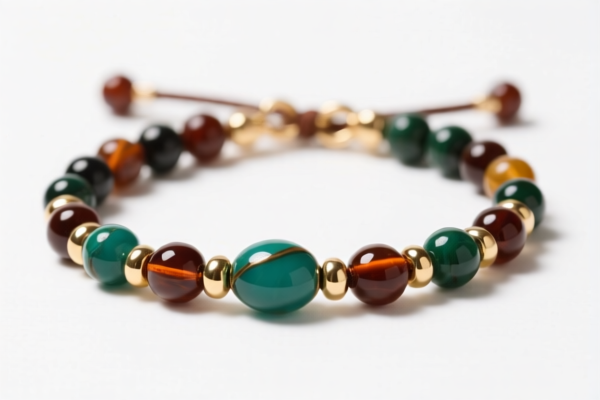
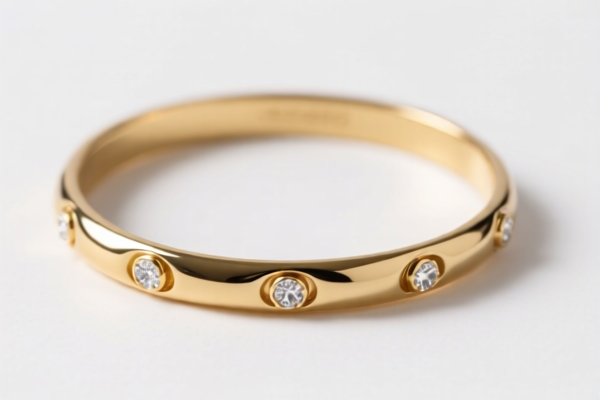
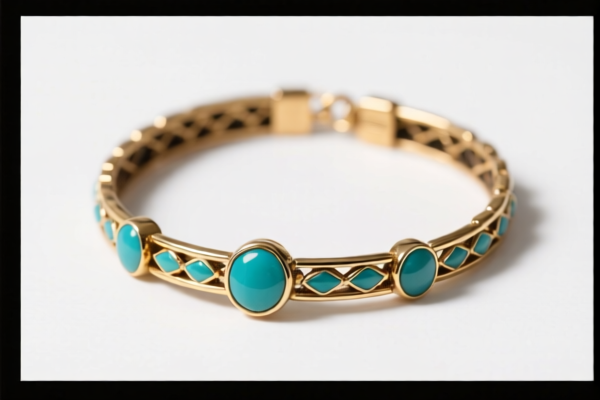
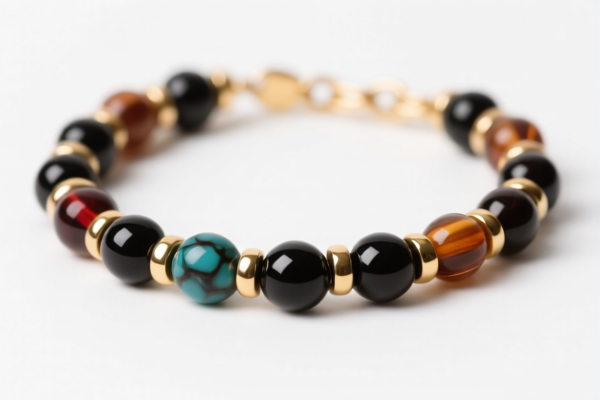
AI Analysis
🖌️ Bracelets (Stainless Steel)
🌐 HS Code Reference & Clearance Guide | 2026 Latest Tariff Analysis | Professional Customs Strategy
📌 Part 1: Product Definition & Classification: Do You Really Understand "Bracelets"?
Bracelets are wearable jewelry items designed for the wrist. In international trade, classification hinges primarily on material composition (Precious Metal vs. Imitation) and form. Since "Stainless Steel" is technically a non-precious metal alloy, its classification can be tricky depending on the perceived value and specific alloy content.
Two Main Categories for Bracelets: * Precious Metal Jewelry (Ch. 71.13): If the bracelet is made of gold, silver, platinum, or alloys thereof (often loosely applied to high-quality precious metals). * Imitation Jewelry (Ch. 71.17): If the bracelet is made of base metals (including stainless steel, copper, aluminum) or other non-precious materials (plastic, resin).
⚠️ Critical Distinction:
- If the bracelet is made of Precious Metal (e.g., Gold-filled, Silver-plated with high precious content) → 7113 category.
- If the bracelet is made of Base Metal (e.g., Standard Stainless Steel, Alloy, Plastic) → 7117 category.
- Note: Some codes under 7116 or 7113 may apply if "reasonable inference" of precious materials is used due to lack of detailed specs, but strictly speaking, stainless steel falls under non-precious/imitation unless specified otherwise.
📦 Part 2: HS Code Classification Details (Based on Provided Data)
The following table maps the provided HS Codes to their logical descriptions and tax implications for Stainless Steel Bracelets.
| HS Code | Product Description | Logic & Material Inference | Applicability to Stainless Steel |
|---|---|---|---|
7116.20.15.00 |
Bracelets made of Precious/semi-Precious Metals | Inferred as precious/semi-precious metal based on "Bracelet" form. | ❌ Unlikely: Stainless steel is not precious. Only if misclassified as such. |
7113.19.50.91 |
Other Precious Metal Jewelry (Gold/etc.) | Inferred as Gold/Precious Metal jewelry, excluding chains. | ❌ Unlikely: Stainless steel is not Gold. High tax risk if misused. |
7117.90.90.00 |
Imitation Jewelry (Non-Precious Metals) | Logical Fit: Stainless steel is a base metal alloy. Fits "Imitation Jewelry" logic. | ✅ Most Likely: Direct match for base metal/stainless steel bracelets. |
7116.20.05.00 |
Jewelry made of Semi-Precious Stones/Gems | Inferred as gem/semi-precious material. | ❌ Unlikely: Unless the bracelet is primarily gemstone, not metal. |
7113.19.50.95 |
Other Precious Metal Jewelry (Catch-all) | Catch-all for precious metal jewelry not elsewhere specified. | ❌ Unlikely: Stainless steel does not fit "Precious Metal" criteria. |
🔍 Key Insight:
- For Stainless Steel, the most technically accurate category among the options is7117.90.90.00(Imitation Jewelry, Non-Precious).
- However, if the import declaration lacks detailed material proof, customs might use "reasonable inference" to place it in7113or7116(Precious/Semi-Precious categories) due to the aesthetic nature of bracelets, leading to different tax outcomes. The provided data reflects these potential classifications based on inference.
💰 Part 3: 2026 Latest Tariff Rate Breakdown (Including Surtaxes & Policy Surcharges)
✅ Applicable Country: USA (US)
✅ Origin: China (CN)
✅ Effective Date: From November 10, 2025 onwards (for subsequent imports)
🎯 1. 7116.20.15.00 —— Bracelets (Inferred Precious/Semi-Precious Metal)
| Item | Content |
|---|---|
| Base Tariff | 6.5% |
| Section 301 Surtax | 7.5% |
| Section 122 Tariff | 10% |
| Total Tax Rate | 24.0% |
| Tax Calculation | CIF Value × 24% |
| De Minimis Eligibility | ❌ Not Eligible (High tax rate usually triggers scrutiny) |
| Legal Path | Standard Harmonized Tariff Schedule + USITC Footnotes |
📌 Explanation:
- This rate applies if the bracelet is deemed precious or semi-precious (e.g., gold-plated, silver, or gem-set).
- Stainless steel bracelets should not be declared here unless falsely claimed as precious metal, which risks penalties.
🎯 2. 7113.19.50.91 —— Other Precious Metal Jewelry (Inferred Gold/Precious)
| Item | Content |
|---|---|
| Base Tariff | 5.5% |
| Section 301 Surtax | 0.0% |
| Section 122 Tariff | 10% |
| Total Tax Rate | 15.5% |
| Tax Calculation | CIF Value × 15.5% |
| De Minimis Eligibility | ❌ Not Eligible |
| Legal Path | Standard Harmonized Tariff Schedule + USITC Footnotes |
📌 Explanation:
- This is a lower tax bracket for precious metals (assuming no Section 301 surcharge on this specific subheading).
- Risk: Declaring stainless steel as "precious metal jewelry" to get 15.5% instead of 28.5% is high-risk customs fraud. Evidence of material (e.g., hallmarks, assay certificates) is required.
🎯 3. 7117.90.90.00 —— Imitation Jewelry (Non-Precious Metals)
| Item | Content |
|---|---|
| Base Tariff | 11.0% |
| Section 301 Surtax | 7.5% |
| Section 122 Tariff | 10% |
| Total Tax Rate | 28.5% |
| Tax Calculation | CIF Value × 28.5% |
| De Minimis Eligibility | ❌ Not Eligible |
| Legal Path | Standard Harmonized Tariff Schedule + USITC Footnotes |
📌 Explanation:
- This is the correct classification for Stainless Steel Bracelets.
- Stainless steel is a base metal, and bracelets made from it are classified as "Imitation Jewelry" (even if high quality).
- Note: Despite the higher base tariff (11%), it avoids the "Precious Metal" scrutiny. The 15.5% rate for7113is tempting but incorrect for stainless steel.
🎯 4. 7116.20.05.00 —— Jewelry Made of Semi-Precious Materials
| Item | Content |
|---|---|
| Base Tariff | 3.3% |
| Section 301 Surtax | 0.0% |
| Section 122 Tariff | 10% |
| Total Tax Rate | 13.3% |
| Tax Calculation | CIF Value × 13.3% |
| De Minimis Eligibility | ❌ Not Eligible |
| Legal Path | Standard Harmonized Tariff Schedule + USITC Footnotes |
📌 Explanation:
- This applies if the bracelet is primarily made of semi-precious stones (e.g., agate, jade, quartz).
- Not applicable to pure stainless steel metal bracelets.
🎯 5. 7113.19.50.95 —— Other Precious Metal Jewelry (Catch-all)
| Item | Content |
|---|---|
| Base Tariff | 5.5% |
| Section 301 Surtax | 7.5% |
| Section 122 Tariff | 10% |
| Total Tax Rate | 23.0% |
| Tax Calculation | CIF Value × 23.0% |
| De Minimis Eligibility | ❌ Not Eligible |
| Legal Path | Standard Harmonized Tariff Schedule + USITC Footnotes |
📌 Explanation:
- A broader category for precious metal jewelry.
- Again, incorrect for stainless steel unless falsely declared.
🛠️ Part 4: Customs Clearance Practical Advice (Expert Pitfall Avoidance Guide)
✅ 1. Documentation Checklist (Essential)
| Document | Required | Explanation |
|---|---|---|
| ✅ Product Specification Sheet | ✔️ | Must explicitly state "100% Stainless Steel" or "Stainless Steel Alloy". |
| ✅ Material Composition Certificate | ✔️ | Crucial to prove it is not precious metal (Gold/Silver) to avoid fraud charges. |
| ✅ Product Photos | ✔️ | Clear images showing no hallmarks for precious metals (e.g., "925", "14K"). |
| ✅ Commercial Invoice | ✔️ | Describe as "Stainless Steel Bracelet, Fashion Jewelry, Non-Precious Metal". |
| ✅ Packing List | ✔️ | Detail quantity and weight. |
✅ 2. Declaration Tips (Key Mnemonic)
🔥 "Material Dictates Category, Fake Precious = High Risk!"
| Scenario | Correct Declaration | Wrong Practice |
|---|---|---|
| Pure Stainless Steel Bracelet | 7117.90.90.00 (28.5%) |
Declare as 7113 (15.5%) → Fraud Risk |
| Gold-Plated Stainless Steel | Check plating thickness. If precious metal layer is significant, may fall under 7113. |
Declare as base metal if precious content is high → Underpayment |
| Gemstone Bracelet | 7116.20.05.00 (13.3%) |
Declare as metal → Misclassification |
| Alloy/Plastic Bracelet | 7117.90.90.00 (28.5%) |
Declare as precious metal → Fraud Risk |
✅ 3. Special Handling
| Scenario | Recommendation |
|---|---|
| OEM Custom Bracelets | Provide design files. Ensure material spec matches invoice. |
| High-End Stainless Steel (e.g., Surgical Steel) | Still classified as Non-Precious. Do not use "Precious" keywords in description. |
| Mixed Materials | If >50% value is from precious metal, it may be classified under 7113. |
| De Minimis (Section 321) | Not Applicable. Rates >$800 exemption threshold scrutiny apply for jewelry. |
🌍 Part 5: Global Market Comparison (2026 Latest)
| Country/Region | Recommended HS Code | Tariff Rate | Certification | Note |
|---|---|---|---|---|
| 🇺🇸 USA | 7117.90.90.00 |
28.5% | None Specific | High tariff due to 301 + 122. |
| 🇨🇳 China | 7117.90.90.00 |
11% (Base) | None | No 301/122 surcharges. |
| 🇪🇺 EU | 7117.90.90 |
0-2.5% | CE (if applicable) | No major surcharges. |
| 🇬🇧 UK | 7117.90.90 |
0-2.5% | UKCA | Post-Brexit rules apply. |
| 🇨🇦 Canada | 7117.90.90 |
0-5% | None | FTAA benefits may apply. |
📌 Conclusion:
- USA has the highest effective tariff (28.5%) for stainless steel bracelets due to cumulative surcharges.
- EU/UK/Canada are significantly cheaper markets for base metal jewelry.
- Strategic Advice: For the US market, ensure strict material compliance to avoid penalties, as misclassification as precious metal is heavily audited.
📌 Part 6: Common Errors & Pitfall Guide (Lessons Learned)
❌ Error 1: Declaring Stainless Steel as "Gold Bracelet" to save 13% tax
👉 Consequence: Customs seizure, fines, and blacklisting. Stainless steel does not melt like gold; assay tests will reveal the truth.
❌ Error 2: Using vague terms like "Metal Bracelet" without specifying "Stainless Steel"
👉 Consequence: Customs may infer "Precious Metal" (7113) due to lack of detail, leading to 15.5% or 24% rates and delays.
❌ Error 3: Ignoring Section 122 Tariff (10%)
👉 Consequence: Unexpected cost increase. This surcharge applies to most jewelry imports from China.
❌ Error 4: Assuming "Fashion Jewelry" equals "Imitation"
👉 Consequence: Even high-end fashion jewelry is "Imitation" if made of non-precious metals. Correct code is 7117, not 7113.
✅ Correct Practice:
"Stainless Steel Wrist Bracelet, Fashion Jewelry, Non-Precious Metal, Model XYZ, Matte Finish"
🎯 Part 7: Conclusion: Professional Declaration, Save Time, Reduce Cost!
🎯 Remember the Mantra:
🔹 "Stainless Steel = 7117 (Imitation), Not Precious!"
🔹 "Base Metal Tariff is 28.5% in US, but Safe and Legal."
🔹 "Misclassified as Precious? Penalty is Worse than Tax."
📌 Pro Tip:
If your stainless steel bracelet is plated with real gold/silver, and the precious metal content exceeds thresholds, it may move to 7113. Always provide assay certificates if claiming precious metal status.
📣 Immediate Action:
📞 Contact a Licensed Customs Broker
📝 Provide Material Safety Data Sheet (MSDS) or Alloy Certificate
🚀 Ensure Your Invoice Matches the HS Code Exactly
✨ Professional Customs Clearance Starts with Accurate Classification!
💼 Your Every Penny Counts in Tariff Management!
Customer Reviews
About HS Code Classification
The Harmonized System (HS) is an internationally standardized nomenclature developed by the World Customs Organization (WCO) to classify traded products. Over 200 countries use the HS system as the basis for customs tariffs, trade statistics, and import/export regulations.
Each HS code follows a hierarchical structure:
- Chapter (2 digits) — Broad category of goods (e.g., Chapter 84: Machinery and Mechanical Appliances)
- Heading (4 digits) — More specific grouping within the chapter
- Subheading (6 digits) — Internationally standardized breakdown, used by all WCO member countries
- National subdivisions (8-10 digits) — Country-specific extensions for further classification, such as US HTSUS 10-digit codes
Correct HS code classification is essential for smooth customs clearance, accurate duty payment, and compliance with trade regulations. Misclassification can lead to customs delays, overpayment of duties, or penalties.
When importing from CN to US, the applicable tariff rates may include:
- Most-Favored-Nation (MFN) rate — The standard duty rate applied to WTO members
- General rate — Applied to countries without trade agreements
- Trade remedy duties — Additional tariffs such as Section 301 (anti-dumping), Section 232 (national security), or countervailing duties
The information provided on this page is for reference purposes only. For official classification, please consult with your local customs authority or a licensed customs broker.