不饱和聚酯保护膜
CN → US| HS Code | Tariff Rate | Origin | Destination | Doc |
|---|---|---|---|---|
| 3921190090 | 41.5% | CN | US | Official Doc |
| 3919905040 | 40.8% | CN | US | Official Doc |
| 3920631000 | 39.2% | CN | US | Official Doc |
| 3921905050 | 39.8% | CN | US | Official Doc |
| 3919905060 | 40.8% | CN | US | Official Doc |
Product Images
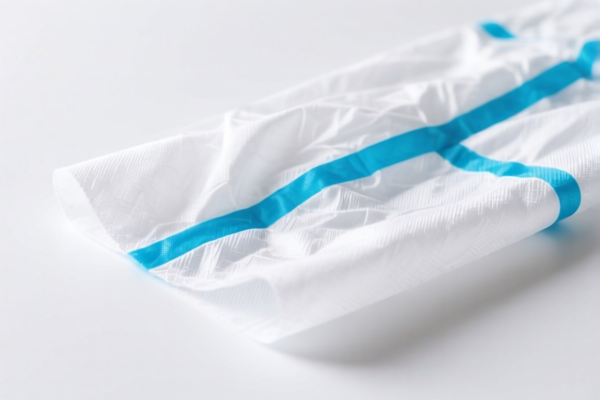
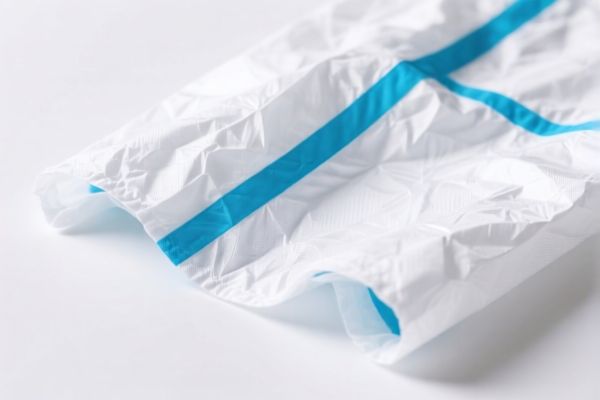
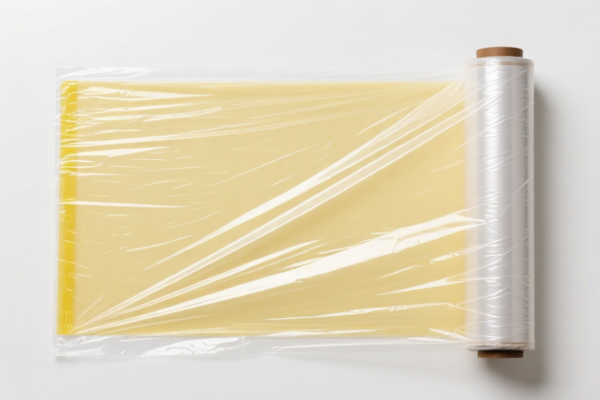
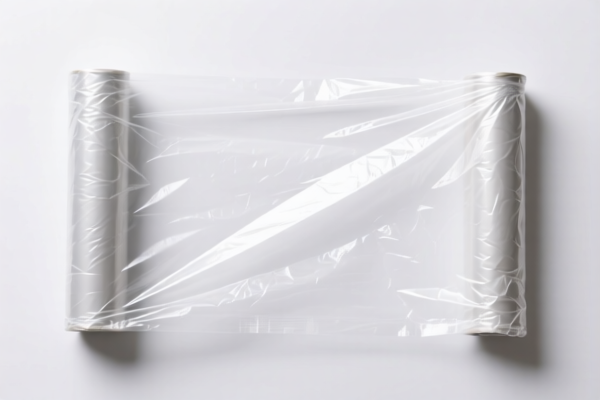
AI Analysis
🛡️ Unsaturated Polyester Protective Film (不饱和聚酯保护膜)
🌐 HS Code Reference & Clearance Guide | 2026 Latest Tariff Analysis | Professional Customs Strategy
📌 Part 1: Product Definition & Classification: What Exactly is "Unsaturated Polyester Protective Film"?
Unsaturated Polyester Protective Film is a critical polymer-based packaging material used across electronics, automotive, metal finishing, and construction industries. Its primary function is to protect surfaces from scratches, dust, UV radiation, and chemical corrosion during manufacturing and transit.
In international trade, this product is strictly classified under Chapter 39 (Plastics and Articles Thereof). The specific classification depends on: 1. Adhesiveness: Is it self-adhesive? 2. Composition: Is it pure polyester or unsaturated polyester resin? 3. Form: Is it a simple film, a coated film, or a composite?
⚠️ Key Classification Distinction:
- If it is self-adhesive (sticky side) → Likely 3919 (Self-adhesive plastics).
- If it is non-adhesive but made of unsaturated polyester → Likely 3920 (Other plates, sheets, film).
- If it falls into "Other plastics" categories (like general polyester films) → Likely 3921 (Other plastic sheets/films).
⚠️ CRITICAL WARNING: Due to complex trade sanctions (US-China trade war), many polyester-based films face heavy additional tariffs. A 1% difference in HS Code can change your tax rate from 39.8% to 41.5%.
📦 Part 2: HS Code Classification Breakdown (2026 Latest Tariff Authority)
Based on the provided product data, here are the 5 specific HS Codes applicable to "Unsaturated Polyester Protective Film":
| HS Code | Product Description (Summary) | Classification Logic | Material Focus |
|---|---|---|---|
| 3921.90.50.50 | Unsaturated Polyester Protective Film | Plates, Sheets, Film, Foil of Plastics (Other) | Polyester (Plastic) |
| 3919.90.50.60 | Unsaturated Polyester Protective Film | Self-adhesive plastic film/flat shapes | Unsaturated Polyester (Synthetic/Resin) |
| 3920.63.20.00 | Unsaturated Polyester Protective Film | Other plates/sheets/film (Specific Unsaturated Polyester) | Explicitly "Unsaturated Polyester" |
| 3921.19.00.90 | Unsaturated Polyester Protective Film | Other plastic sheets/film (not self-adhesive) | Polyester (Plastic) |
| 3919.90.50.40 | Unsaturated Polyester Protective Film | Self-adhesive plastic film/flat shapes | Polyester (Plastic) |
🔍 Critical Analysis:
- 3919 Series: These apply if the film has an adhesive layer (sticky). If your film is just a protective layer without glue, this classification is wrong.
- 3920/3921 Series: These apply to non-adhesive films or films where the adhesive is secondary.
- Material Nuance: "Unsaturated Polyester" is a specific resin. If the film is strictly this resin, 3920.63.20.00 is the most technically accurate. If it's a generic "Polyester" (saturated or unsaturated), 3921 or 3919 may apply depending on adhesion.
💰 Part 3: 2026 Tariff Rate Analysis (Detailed Breakdown)
✅ Applicable Market: United States (US)
✅ Origin: China (CN)
✅ 生效时间: Effective 2025/2026 (Including Section 301 & Section 232 measures)
🎯 1. 3921.90.50.50 & 3921.19.00.90 (Plastic Sheets/Films - Other)
| Item | Content |
|---|---|
| Base Tariff | 4.8% - 6.5% (Standard MFN rate) |
| Section 301 (Added Tax) | +25.0% (Heavy punitive tariff on Chinese plastics) |
| Section 122 (China Specific) | +10.0% (Additional punitive tax for specific Chinese goods) |
| Total Effective Rate | 39.8% - 41.5% |
| Calculation | CIF Value × (4.8%~6.5% + 25.0% + 10.0%) |
| De Minimis Exemption | ❌ NO (Section 301 goods are never exempt under Section 321) |
| Legal Path | Section 301 → HTSUS 3921.90.50.50 / 3921.19.00.90 → Footnote: 9903.01.03 |
📌 Explanation:
- The 25% Section 301 tariff is the most aggressive, targeting Chinese-manufactured plastics.
- The 10% Section 122 tariff applies specifically to Chinese-origin goods that meet certain criteria (often overlapping with 301).
- Result: A ~40% tax burden makes these goods significantly more expensive in the US market.
🎯 2. 3919.90.50.60, 3920.63.20.00, 3919.90.50.40 (Self-Adhesive or Specific Resin)
| Item | Content |
|---|---|
| Base Tariff | 5.8% - 6.5% |
| Section 301 (Added Tax) | +25.0% |
| Section 122 (China Specific) | +10.0% |
| Total Effective Rate | 40.8% - 41.5% |
| Calculation | CIF Value × (5.8%~6.5% + 25.0% + 10.0%) |
| De Minimis Exemption | ❌ NO |
| Legal Path | Section 301 → HTSUS 3919.90.50.60 / 3920.63.20.00 → Footnote: 9903.01.03 |
📌 Note:
- The Self-Adhesive nature (3919) or specific Unsaturated Polyester (3920) does NOT grant tax relief.
- The Total Tax is consistently ~40.8% across these categories.
- Warning: Customs may dispute if you claim "Unsaturated Polyester" but the lab test shows "Saturated Polyester" (which might have a slightly different base rate, though the Section 301 25% still applies).
🛠️ Part 4: Customs Clearance Practical Advice (Avoiding Pitfalls)
✅ 1. Documentation Checklist (Must Have)
| Document | Requirement | Purpose |
|---|---|---|
| Technical Data Sheet (TDS) | ✔️ Mandatory | Must explicitly state "Unsaturated Polyester" resin content to match HS Code 3920.63.20.00. |
| Material Safety Data Sheet (MSDS) | ✔️ Mandatory | Chemical composition analysis to prove resin type. |
| Product Photos | ✔️ Mandatory | Must show Adhesive vs. Non-adhesive state clearly. |
| Bill of Materials (BOM) | ✔️ Highly Recommended | List all layers (base film, adhesive, release liner) to prevent misclassification. |
| Commercial Invoice | ✔️ Mandatory | Must use the exact English name: "Unsaturated Polyester Protective Film". |
| Certificate of Origin (CO) | ✔️ Mandatory | To prove origin is China (for Section 301/122 applicability). |
✅ 2. Classification Strategy (The "Golden Rule")
🔥 "Define the Resin, Define the Adhesive, Define the Tax!"
| Scenario | Correct HS Code Strategy | Risk if Wrong |
|---|---|---|
| Non-adhesive film, pure Unsaturated Polyester | 3920.63.20.00 | Misclassifying as 3921 (41.5%) = Overpaying 0.7% + Audit Risk. |
| Self-adhesive film, Unsaturated Polyester | 3919.90.50.60 | Misclassifying as 3921 (41.5%) = Underpayment + Penalties. |
| Generic Polyester (Saturated) | 3921.90.50.50 | If you call it "Unsaturated" but it's not, Customs will reject the claim and reclassify. |
| Composite Film (Metal + Plastic) | Check 3920 vs. 76 | If the plastic layer is minor, it might be classified under metal. Avoid this! Stick to 3920/3921 for plastic films. |
✅ 3. Special Circumstances & Workarounds
| Situation | Recommendation |
|---|---|
| High Tariff Avoidance? | ❌ Impossible. Section 301 (25%) + Section 122 (10%) are mandatory for Chinese-origin polyester films. No "De Minimis" exemption exists. |
| Transshipment Risk | ⚠️ High Risk. Shipping via Vietnam/Mexico to avoid tariffs often leads to Customs Seizure if the "Country of Origin" is proven to be China. |
| Pre-Ruling | 🚀 Strongly Advised. Apply for a Binding Ruling from US CBP before shipping. It provides legal protection against future reclassification. |
| Adhesive Layer Dispute | 🛡️ If the adhesive is very thin (<1%), argue for non-adhesive classification (3920), but be prepared for lab testing. |
🌍 Part 5: Global Market Comparison (2026 Update)
| Region | Recommended HS Code | Est. Total Tariff (China Origin) | Certification | Notes |
|---|---|---|---|---|
| 🇺🇸 USA | 3920.63.20.00 / 3919.90.50.60 | ~40.8% - 41.5% | FDA (if food contact), RoHS | Highest Tax in world. |
| 🇨🇳 China | 3920.63.20.00 | ~6.5% | CCC | No additional penalties. |
| 🇪🇺 EU | 3920.63.20.00 | 6.5% | CE, REACH | No Section 301 equivalent. |
| 🇯🇵 Japan | 3920.63.20.00 | 3.5% | PSE | Very low tariffs. |
| 🇦🇺 Australia | 3920.63.20.00 | 5.0% | RCM | Moderate tariffs. |
📌 Conclusion:
- The US market is the most expensive for this product due to the 35% (25+10) punitive taxes.
- Non-US Markets (EU, Japan, Australia) are far more profitable (only ~6.5% tax).
- Strategic Suggestion: If possible, route sales to EU/Asia to avoid US sanctions, or find a non-Chinese supplier (e.g., Vietnam, Korea) to bypass Section 301/122.
📌 Part 6: Common Mistakes & "Blood Tears" Lessons
❌ Mistake 1: Calling it "Plastic Film" generically instead of "Unsaturated Polyester".
👉 Consequence: Customs assigns a generic code, potentially missing the specific "Unsaturated" classification which might have a slightly different base rate, or worse, triggering a deeper chemical analysis.
❌ Mistake 2: Claiming "De Minimis" (Section 321) for small shipments.
👉 Consequence: REJECTED. Section 301 goods (plastics) are excluded from De Minimis exemptions. Every shipment is taxed at ~40%.
❌ Mistake 3: Ignoring the "Adhesive" factor.
👉 Consequence: If the film has adhesive, using 3921 (non-adhesive) is fraud. If it doesn't, using 3919 (adhesive) is overpayment.
❌ Mistake 4: Transshipping from China to Vietnam without changing the "Origin".
👉 Consequence: US CBP uses "Country of Origin" rules based on substantial transformation. Simply repackaging in Vietnam does NOT change the origin. Goods will be seized.
✅ Correct Action:
"Provide TDS proving Unsaturated Polyester composition. Label clearly as Protective Film (Non-adhesive) or Adhesive Tape based on reality. Apply for CBP Pre-Ruling before the first shipment."
🎯 Part 7: Conclusion: Precision is Profit!
🎯 Remember the Mantra:
🔹 "Material Dictates Code, Code Dictates Tax!"
🔹 "3920 is for Unsaturated, 3919 is for Sticky, 3921 is for the Rest!"
🔹 "40% Tax in US? Avoid or Pay! Check the Origin!"
📌 Pro Tip:
If your supply chain allows, sourcing from non-Chinese manufacturers (e.g., South Korea, Japan, Thailand) can completely eliminate the 25% + 10% tariff, dropping your cost from 40.8% to ~5.8% instantly.
📣 Immediate Action Plan:
📞 Contact a Customs Broker with your TDS (Technical Data Sheet).
📝 Request a Binding Ruling for the specific "Unsaturated Polyester" formulation.
🚀 Optimize your HS Code to the lowest legal rate (3920.63.20.00 if pure unsaturated).
✨ Professional Customs Clearance Starts with Accurate Classification!
💼 Every 1% of tax saved is pure profit!
Customer Reviews
About HS Code Classification
The Harmonized System (HS) is an internationally standardized nomenclature developed by the World Customs Organization (WCO) to classify traded products. Over 200 countries use the HS system as the basis for customs tariffs, trade statistics, and import/export regulations.
Each HS code follows a hierarchical structure:
- Chapter (2 digits) — Broad category of goods (e.g., Chapter 84: Machinery and Mechanical Appliances)
- Heading (4 digits) — More specific grouping within the chapter
- Subheading (6 digits) — Internationally standardized breakdown, used by all WCO member countries
- National subdivisions (8-10 digits) — Country-specific extensions for further classification, such as US HTSUS 10-digit codes
Correct HS code classification is essential for smooth customs clearance, accurate duty payment, and compliance with trade regulations. Misclassification can lead to customs delays, overpayment of duties, or penalties.
When importing from CN to US, the applicable tariff rates may include:
- Most-Favored-Nation (MFN) rate — The standard duty rate applied to WTO members
- General rate — Applied to countries without trade agreements
- Trade remedy duties — Additional tariffs such as Section 301 (anti-dumping), Section 232 (national security), or countervailing duties
The information provided on this page is for reference purposes only. For official classification, please consult with your local customs authority or a licensed customs broker.