丝绸运动装备包
CN → US| HS Code | Tariff Rate | Origin | Destination | Doc |
|---|---|---|---|---|
| 4202227000 | 42.0% | CN | US | Official Doc |
| 6104194000 | 18.4% | CN | US | Official Doc |
| 6103107000 | 10.9% | CN | US | Official Doc |
| 6103494010 | 18.4% | CN | US | Official Doc |
| 6104198090 | 23.1% | CN | US | Official Doc |
Product Images
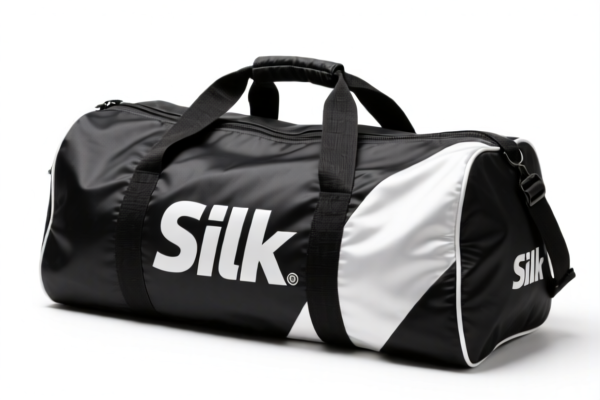
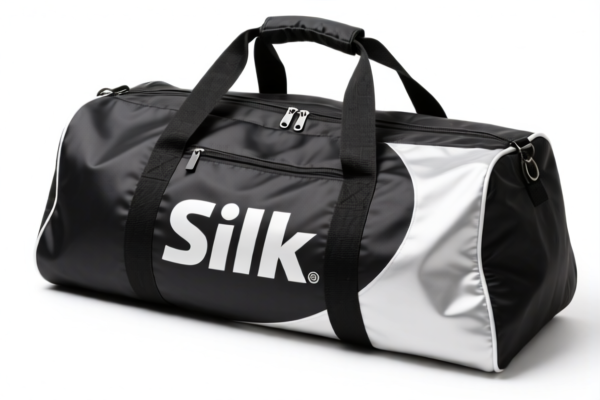
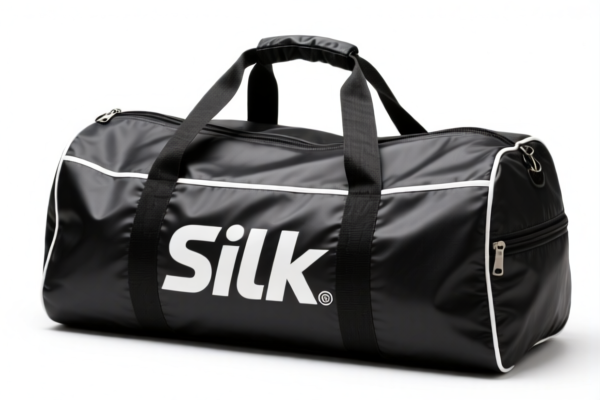
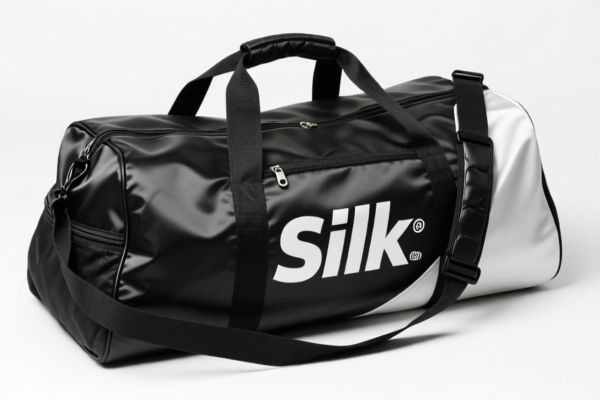
AI Analysis
🧣 Silk Sports Gear Bags (Silk Leisure & Sports Bags)
🌐 HS Code Reference & Customs Clearance Guide | 2026 Latest Tariff Analysis | Professional Clearance Strategy
📌 I. Product Definition & Classification: Do You Really Understand "Silk Bags"?
Silk sports gear bags are high-end accessory items, typically used for carrying sports equipment (like tennis rackets, golf clubs) or casual leisure items. In international trade, their classification depends strictly on material composition and form factor.
Key Distinction Logic:
- Leisure Bags vs. Sports Bags: While both are "bags," the HS Code structure differentiates them by specific sub-headings for "Sports Bags" (often under Chapter 61 for knitted apparel/accessories if they meet certain criteria, or Chapter 42 for leather/travel goods). However, based on the provided data, specific sub-headings exist for Knitted/Hooked Sports Suits/Bags containing silk, and Leather/Travel Bags containing silk.
- Material Threshold: The presence of Silk triggers specific duty rules. The data highlights thresholds of ≥85% and ≥70% silk content, which significantly impact the HS Code assignment and tax rate.
⚠️ Critical Differentiator:
- If the bag is a leather/travel-style bag with ≥85% Silk → 4202.22.70.00 (Highest Tax Burden).
- If the bag is a knitted/hooked sports item with ≥70% Silk → 6104.19.40.00 or 6103.10.70.00 (Lower Tax Burden).
- Misclassification between "Leather Bag" (Ch42) and "Knitted Apparel/Accessory" (Ch61) is the #1 cause of customs delays.
📦 II. HS Code Classification Details (2026 Latest Tariff Authority Comparison)
| HS Code | Product Description | Application Scenario | Silk Content Requirement | Total Tax Rate |
|---|---|---|---|---|
4202.22.70.00 |
Silk Leisure Bag, Form: Bag, Material: Silk | High-end leisure bags, travel pouches, cosmetic cases | ≥85% Silk | 42.0% |
6104.19.40.00 |
Silk Sports Suit/Bag, Form: Knitted/Hooked Set, Material: ≥70% Real Silk | Knitted sports kits, silk-lined sports bags, athletic sets | ≥70% Real Silk | 18.4% |
6103.10.70.00 |
Silk Sports Suit/Bag, Form: Knitted/Hooked Set or Casual Wear | Knitted sports accessories, casual silk sports items | Silk Component (Unspecified high % in summary, but lower tax) | 10.9% |
6103.49.40.10 |
Silk Sports Suit/Bag, Form: Sports Gear, Material: Silk or Silk Waste ≥70% | Sports-specific gear made from silk or silk waste | ≥70% Silk or Silk Waste | 18.4% |
6104.19.80.90 |
Silk Sports Suit/Bag, Form: Knitted/Hooked Set, Material: Other Textile | Sports bags made of other textile materials (not primarily silk?) | Other Textile Material | 23.1% |
🔍 Key Reminder:
- The 42.0% tax rate for4202.22.70.00is significantly higher than the 10.9%-18.4% range for knitted sports items.
- Form Factor Matters: Is it a "bag" (Ch42) or a "knitted sports suit/accessory" (Ch61)? This distinction can save ~20-30% in duties.
💰 III. 2026 Latest Tariff Rate Breakdown (Including Surtaxes, Policy Add-ons)
✅ Applicable Country: United States (US)
✅ Origin: China (CN)
✅ Effective Date: Post-November 2025 (Current Tariff Structure)
🎯 1. 4202.22.70.00 —— Silk Leisure Bag (≥85% Silk)
| Item | Content |
|---|---|
| Base Tariff | 7.0% (ad valorem) |
| Section 301 Surtax | +25.0% |
| 122 Clause Tariff | +10.0% |
| Total Tax Rate | 42.0% |
| Tax Calculation | CIF Value × 42% |
| De Minimis Eligible | ❌ No (High value/tax threshold) |
| Legal Basis Path | Base:7% → 301:25% → 122:10% |
📌 Explanation:
- This category attracts the highest total tax rate (42%).
- The 7.0% base tariff is relatively high for bags, compounded by 25% Section 301 and 10% 122 Clause tariffs.
- Cost Impact: For a $1,000 bag, duty is $420. Strategic Priority: Avoid this classification if possible.
🎯 2. 6104.19.40.00 —— Silk Sports Suit/Bag (Knitted, ≥70% Silk)
| Item | Content |
|---|---|
| Base Tariff | 0.9% |
| Section 301 Surtax | +7.5% |
| 122 Clause Tariff | +10.0% |
| Total Tax Rate | 18.4% |
| Tax Calculation | CIF Value × 18.4% |
| De Minimis Eligible | ❌ No |
| Legal Basis Path | Base:0.9% → 301:7.5% → 122:10% |
📌 Note:
- Significant savings compared to4202.22.70.00.
- The 0.9% base tariff is very low, but the 7.5% Section 301 and 10% 122 Clause still apply.
- Strategic Priority: If the bag is knitted, this classification is preferred over Ch42.
🎯 3. 6103.10.70.00 —— Silk Sports Suit/Bag (Knitted, Casual)
| Item | Content |
|---|---|
| Base Tariff | 0.9% |
| Section 301 Surtax | +0.0% |
| 122 Clause Tariff | +10.0% |
| Total Tax Rate | 10.9% |
| Tax Calculation | CIF Value × 10.9% |
| De Minimis Eligible | ❌ No |
| Legal Basis Path | Base:0.9% → 122:10% |
📌 Critical Insight:
- Lowest Tax Rate in Dataset!
- No Section 301 Surcharge applies to this specific sub-heading.
- Strategic Priority: If the bag can be classified as a "Knitted/Hooked Casual Sports Item" (rather than a formal "Sports Suit" or "Leisure Bag"), this is the most cost-effective option.
🎯 4. 6103.49.40.10 —— Silk Sports Gear (≥70% Silk/Silk Waste)
| Item | Content |
|---|---|
| Base Tariff | 0.9% |
| Section 301 Surtax | +7.5% |
| 122 Clause Tariff | +10.0% |
| Total Tax Rate | 18.4% |
| Tax Calculation | CIF Value × 18.4% |
| De Minimis Eligible | ❌ No |
| Legal Basis Path | Base:0.9% → 301:7.5% → 122:10% |
📌 Note:
- Similar to6104.19.40.00.
- Includes Silk Waste, which may be cheaper to source but still attracts full tariffs.
🎯 5. 6104.19.80.90 —— Silk Sports Suit/Bag (Other Textile)
| Item | Content |
|---|---|
| Base Tariff | 5.6% |
| Section 301 Surtax | +7.5% |
| 122 Clause Tariff | +10.0% |
| Total Tax Rate | 23.1% |
| Tax Calculation | CIF Value × 23.1% |
| De Minimis Eligible | ❌ No |
| Legal Basis Path | Base:5.6% → 301:7.5% → 122:10% |
📌 Note:
- Higher base tariff (5.6%) makes this less attractive than the silk-specific Ch61 codes.
🛠️ IV. Customs Clearance Practical Advice (Real-World Pitfall Guide)
✅ 1. Documentation Checklist (Non-negotiable)
| Document | Required | Notes |
|---|---|---|
| ✅ Product Specification Sheet | ✔️ | Must detail knitted vs. woven structure, material composition (% Silk), and dimensions. |
| ✅ Material Composition Certificate | ✔️ | Third-party lab report confirming ≥70% or ≥85% silk content. Critical for tax rate determination. |
| ✅ Product Photos | ✔️ | Clear shots of stitching (knitted vs. sewn), lining, and any logos. |
| ✅ Commercial Invoice | ✔️ | Description must align with HS Code (e.g., "Knitted Silk Sports Bag" vs. "Silk Leather Bag"). |
| ✅ Packing List | ✔️ | Detailed breakdown of contents. |
| ✅ Origin Certificate | ✔️ | For potential future preferential treatment (if any). |
✅ 2. Classification Strategy (Key Mnemonics)
🔥 “Knit is Low, Leather is High; 70% is Key, 85% is Heavy!”
| Scenario | Correct Classification | Incorrect Classification | Result |
|---|---|---|---|
| Knitted Silk Bag | 6103.10.70.00 or 6104.19.40.00 |
4202.22.70.00 |
Save 21-31% in duties! |
| Silk Bag with ≥85% Silk | 4202.22.70.00 |
6104.19.80.90 |
Pay 42% vs 23.1% |
| Silk Waste Bag (≥70%) | 6103.49.40.10 |
4202.22.70.00 |
Save 23.6% |
| Non-Silk Sports Bag | 6104.19.80.90 |
N/A | 23.1% Rate |
✅ 3. Special Cases Handling
| Situation | Handling Advice |
|---|---|
| OEM Custom Silk Bags | Provide design specs showing knitted structure to justify Ch61. |
| Mixed Material Bags | If <70% silk, may fall to 6104.19.80.90 (23.1%). Verify % composition. |
| Bag vs. Apparel | If the bag is part of a "suit" (e.g., gym kit), it may qualify for lower sports-specific rates. |
| Silk Waste vs. Real Silk | Both can qualify for Ch61, but "Silk Waste" may have different sourcing implications. |
🌍 V. Global Market Comparison (2026 Latest)
| Country/Region | Recommended HS Code | Tariff (China Origin) | Notes |
|---|---|---|---|
| 🇺🇸 USA | 6103.10.70.00 |
10.9% | Lowest rate; avoid Ch42 (42%) |
| 🇺🇸 USA | 4202.22.70.00 |
42.0% | Highest rate; only if Ch61 doesn't apply |
| 🇨🇳 China | 6103.10.70.00 |
~10-13% | Lower base rates in China |
| 🇪🇺 EU | 4202.22.70.00 |
4% | No Section 301/122 Clause; lower base |
| 🇬🇧 UK | 6103.10.70.00 |
5% | Post-Brexit tariffs may vary |
📌 Conclusion:
- USA Market: Classification is critical. A misclassification from Ch61 to Ch42 can double your duty cost.
- Non-USA Markets: Tariffs are generally lower and simpler, but documentation still matters.
📌 VI. Common Mistakes & Pitfalls (Lessons Learned)
❌ Mistake 1: Calling a "Knitted Silk Bag" a "Leisure Bag"
👉 Consequence: Classified under 4202.22.70.00 → 42% Tax.
✅ Fix: Use "Knitted Sports Bag" or "Knitted Silk Accessory" in description.
❌ Mistake 2: Ignoring Silk Content Threshold
👉 Consequence: If <70% silk, may fall to 6104.19.80.90 (23.1%) instead of 6103.10.70.00 (10.9%).
✅ Fix: Verify exact silk percentage with lab test.
❌ Mistake 3: Not Differentiating "Knitted" vs. "Woven"
👉 Consequence: Ch61 is for Knitted/Hooked. Woven silk bags may fall under Ch42 (42%).
✅ Fix: Ensure product is truly knitted (e.g., jersey knit, mesh) for Ch61.
❌ Mistake 4: Assuming All Silk Bags are the Same
👉 Consequence: 6103.10.70.00 (10.9%) vs. 4202.22.70.00 (42.0%).
✅ Fix: Analyze structure and composition carefully.
✅ Correct Description Example:
"Knitted Silk Sports Bag, 70% Real Silk, 30% Polyester, Casual Leisure Use, No Leather Components, Model XYZ"
🎯 VII. Conclusion: Smart Classification, Massive Savings!
🎯 Remember This Mantra:
🔹 "Knit it, Save it! Ch61 is Low, Ch42 is High!"
🔹 "70% is the Magic Number: Below it, Tax Jumps!"
🔹 "Don't Pay 42% if 10.9% is Possible!"
📌 Pro Tip:
- For US Imports, always apply for a Pre-Ruling if the classification is borderline between Ch61 and Ch42.
- Silk Waste can be a cost-effective alternative to Real Silk, but ensure it meets the ≥70% threshold for the lower tax rates.
📣 Immediate Action:
📞 Contact Customs Brokers to verify "Knitted" status of your bag.
📄 Get Lab Tests for silk content.
🚀 Choose6103.10.70.00if possible to save 31.1% in duties compared to the highest rate!
✨ Professional Clearance Starts with Precise Classification!
💼 Every Percent of Duty Saved is Pure Profit!
Customer Reviews
About HS Code Classification
The Harmonized System (HS) is an internationally standardized nomenclature developed by the World Customs Organization (WCO) to classify traded products. Over 200 countries use the HS system as the basis for customs tariffs, trade statistics, and import/export regulations.
Each HS code follows a hierarchical structure:
- Chapter (2 digits) — Broad category of goods (e.g., Chapter 84: Machinery and Mechanical Appliances)
- Heading (4 digits) — More specific grouping within the chapter
- Subheading (6 digits) — Internationally standardized breakdown, used by all WCO member countries
- National subdivisions (8-10 digits) — Country-specific extensions for further classification, such as US HTSUS 10-digit codes
Correct HS code classification is essential for smooth customs clearance, accurate duty payment, and compliance with trade regulations. Misclassification can lead to customs delays, overpayment of duties, or penalties.
When importing from CN to US, the applicable tariff rates may include:
- Most-Favored-Nation (MFN) rate — The standard duty rate applied to WTO members
- General rate — Applied to countries without trade agreements
- Trade remedy duties — Additional tariffs such as Section 301 (anti-dumping), Section 232 (national security), or countervailing duties
The information provided on this page is for reference purposes only. For official classification, please consult with your local customs authority or a licensed customs broker.