产品产地标签
CN → US| HS Code | Tariff Rate | Origin | Destination | Doc |
|---|---|---|---|---|
| 4821104000 | 35.0% | CN | US | Official Doc |
| 3919905060 | 40.8% | CN | US | Official Doc |
| 3919102055 | 40.8% | CN | US | Official Doc |
| 4821102000 | 35.0% | CN | US | Official Doc |
Product Images
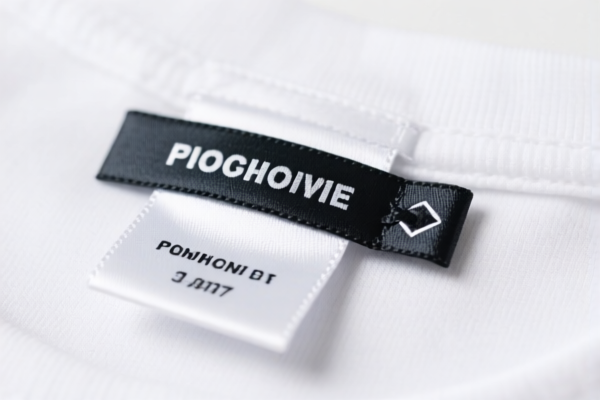
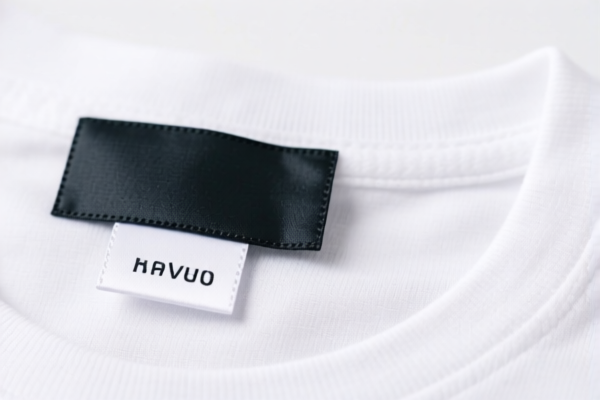
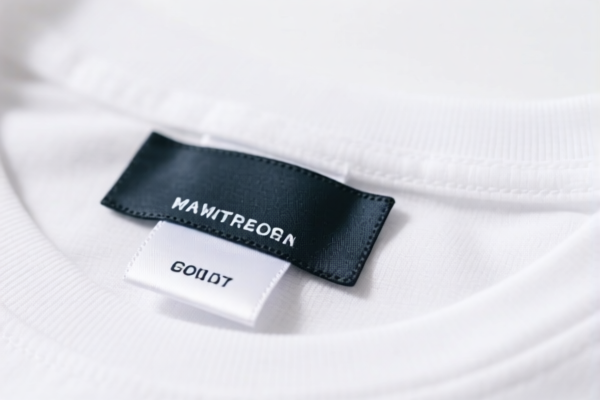

AI Analysis
🏷️ Product Country of Origin Labels (Product Origin Tags)
🌐 HS Code Reference & Clearance Guide | 2026 Latest Tariff Analysis | Professional Customs Strategy
📌 I. Product Definition & Classification: Are You Sure You Know "Origin Labels"?
Product Country of Origin Labels are essential compliance tags affixed to goods to indicate their country of manufacture. In international trade, they are strictly classified based on their material composition and physical form. Misclassification can lead to significant tax discrepancies due to varying "Section 301" and "Section 122" add-on tariffs.
The data indicates two main material categories: 1. Paper/Paperboard Labels: Flat, printed labels made from cellulose-based materials. 2. Plastic Labels: Flat or strip-shaped labels made from polymeric materials.
⚠️ Key Distinction Point: * Paper-Based → Classified under Chapter 48 (Paper Products). * Plastic-Based → Classified under Chapter 39 (Plastics). * Form Factor: Distinguish between "Flat" (general) and "Strip/Tape" (continuous rolls), though in this dataset, both plastic subtypes share the same tariff structure.
📦 II. HS Code Classification Details (2026 Latest Tariff Authority)
| HS Code | Product Description | Material Type | Form Factor | Application Scenario |
| :--- | :--- | :--- | :--- :--- |
| 4821.10.40.00 | Paper/Paperboard Product Origin Labels | Paper | Flat/Sheet | General retail goods, textiles, paper packaging |
| 3919.90.50.60 | Plastic Flat Product Origin Labels | Plastic | Flat Shape | Industrial labels, rigid plastic stickers, heavy-duty tags |
| 3919.10.20.55 | Plastic Flat/Strip Product Origin Labels | Plastic | Flat/Strip Shape | Roll labels, continuous tape labels, conveyor system labels |
| 4821.10.20.00 | Paper/Paperboard Flat-Printed Product Origin Labels | Paper | Flat/Printed | Offset printed tags, high-volume mass-produced paper labels |
🔍 Critical Reminders: * Material is King: The difference between
4821(Paper) and3919(Plastic) determines your base tariff rate. * Printing Method: For paper labels, "Flat Printed" (4821.10.20.00) and generic "Origin Labels" (4821.10.40.00) carry the same tariff burden in this dataset, but precise description matters for customs verification. * Plastic Nuance: Whether it is a "Flat" or "Strip/Shape" label, the plastic origin labels in this dataset face the same total tax rate.
💰 III. 2026 Latest Tariff Rate Breakdown (Including Add-Ons & Policy Surcharges)
✅ Applicable Market: United States (US) ✅ Country of Origin: China (CN) ✅ Effective Date: 2026 Tariff Schedule (Based on current 301/122 structures)
🎯 1. 4821.10.40.00 & 4821.10.20.00 — Paper/Paperboard Labels
Both Paper-based HS codes share the identical tax structure in this dataset.
| Item | Content |
|---|---|
| Base Tariff | 0.0% (Ad Valorem) |
| Section 301 Add-on | +25.0% (Additional Tariff on Chinese Goods) |
| Section 122 Add-on | +10.0% (Specific 122 Clause Tariff) |
| Total Effective Rate | 35.0% |
| Tax Calculation | CIF Value × 35% |
| De Minimis Exemption | ❌ Not Applicable (Subject to full tariff) |
| Legal Basis Path | Section 301 (25%) + Section 122 (10%) → HTS 4821.10.xx |
📌 Explanation: * "Base 0%": Standard MFN duty for paper labels is zero. * "25% Add-on": The standard Section 301 penalty for Chinese imports. * "10% Add-on": The specific Section 122 tariff applied in this scenario (often linked to specific trade remedy or policy clauses). * Total: A massive 35% impact on the landed cost.
🎯 2. 3919.90.50.60 & 3919.10.20.55 — Plastic Origin Labels
Both Plastic-based HS codes share the identical tax structure in this dataset.
| Item | Content |
|---|---|
| Base Tariff | 5.8% (Ad Valorem) |
| Section 301 Add-on | +25.0% (Additional Tariff on Chinese Goods) |
| Section 122 Add-on | +10.0% (Specific 122 Clause Tariff) |
| Total Effective Rate | 40.8% |
| Tax Calculation | CIF Value × 40.8% |
| De Minimis Exemption | ❌ Not Applicable |
| Legal Basis Path | Section 301 (25%) + Section 122 (10%) + Base (5.8%) → HTS 3919.xx |
📌 Explanation: * "Base 5.8%": Plastic labels have a non-zero standard MFN duty. * "25% + 10%": Same punitive tariffs as the paper labels. * Total: The highest tax burden in this dataset at 40.8%, driven by the base tariff + the 35% surcharges.
🛠️ IV. Clearance Practical Advice (Avoiding Pitfalls)
✅ 1. Documentation Checklist (Non-negotiable)
| Document | Must Provide | Description |
|---|---|---|
| Product Specification | ✔️ | Clearly state material (Paper vs. Plastic), dimensions, and adhesive type. |
| Material Certificate | ✔️ | Crucial! Must prove "100% Paper" for 4821 or "100% Plastic" for 3919. |
| Product Photos | ✔️ | Close-up of texture (to distinguish paper from plastic film). |
| Commercial Invoice | ✔️ | Must explicitly state "Product Country of Origin Labels" and HS Code. |
| Bill of Lading | ✔️ | Accurate weight and volume to verify classification. |
✅ 2. Declaration Strategy (Key Mantra)
🔥 "Material First, Form Second, Tax Third!"
| Situation | Correct Declaration | Mistake to Avoid |
|---|---|---|
| Paper Tags | 4821.10.20.00 or 4821.10.40.00 |
Calling them "Adhesive Tapes" → Risk of wrong classification |
| Plastic Rolls | 3919.10.20.55 |
Calling them "Stickers" without material detail |
| Mixed Shipment | Split Declaration | Mixing Paper and Plastic in one HS Code line → Customs Seizure |
| Sample Labels | Still Declare Duty | "Free Samples" still attract 35% / 40.8% |
✅ 3. Special Circumstance Handling
| Situation | Handling Suggestion |
|---|---|
| OEM Brand Labels | Provide brand authorization; labels are part of the main product value chain. |
| Pre-printed vs. Blank | Both are taxed similarly in this dataset, but pre-printed requires exact description. |
| Plastic + Paper Hybrid | If the label has a paper face and plastic backing, customs may classify based on the dominant material (usually plastic if structural). |
| Small Quantity (De Minimis) | ⚠️ Warning: These specific HS codes with Section 301/122 are NOT exempt from the $800 de minimis threshold in many strict interpretations. Assume full tax applies. |
🌍 V. Global Market Clearance Comparison (2026)
| Country/Region | Recommended HS Code | Base Rate | Add-ons (China) | Total Est. | Remarks |
|---|---|---|---|---|---|
| 🇺🇸 USA | 4821.xx / 3919.xx |
0% / 5.8% | +35% (Total) | 35.0% / 40.8% | Highest Burden: Heavy 301/122 penalties. |
| 🇪🇺 EU | 4821.10 / 3919.90 |
2.7% / 6.5% | ~2% (If applicable) | ~5-8% | No Section 301; lower impact. |
| 🇨🇦 Canada | 4821.10 / 3919.90 |
0% / 3.5% | 0% | ~0-4% | Most favorable for origin labels. |
| 🇯🇵 Japan | 4821.10 / 3919.90 |
5.0% / 6.0% | 0% | ~5-6% | Standard MFN rates. |
📌 Conclusion: * USA is the most critical market due to the 35%-40.8% total tax rate on Chinese-origin labels. * Supply Chain Shift: If possible, consider sourcing labels from Vietnam, Mexico, or Thailand to bypass the "Made in China" surcharges (Section 301/122).
📌 VI. Common Errors & Pitfalls (Lessons Learned)
❌ Mistake 1: Declaring Plastic Labels as "Paper" to get 0% base rate. 👉 Consequence: Customs inspection reveals plastic texture → Penalty + 40.8% tax retroactively.
❌ Mistake 2: Failing to separate "Paper" and "Plastic" in a mixed container. 👉 Consequence: Customs will likely assess the highest tax rate (40.8%) for the entire shipment.
❌ Mistake 3: Assuming "Labels" are low-value and ignore tax. 👉 Consequence: These items attract Section 122 and Section 301 taxes regardless of value (No de minimis exemption for these specific codes).
✅ Correct Approach:
"Country of Origin Label, Paper, 50mm x 20mm, Self-adhesive, Flat Printed." "Country of Origin Label, Plastic (PET), 50mm x 20mm, Roll Format."
🎯 VII. Conclusion: Precision Classification Saves Money!
🎯 Remember the Mantra:
🔹 "Paper is 35%, Plastic is 40.8% — The 10% Base makes the difference!" 🔹 "No Exemptions for Origin Tags — Prepare Cash Flow for High Tariffs!" 🔹 "Source Outside China? Tax Drops from 35% to Near 0%!"
📌 Pro Tip: If your labels are essential for compliance but the product is exempt, the label itself is NOT exempt. You must pay the full 35%-40.8% on the label value. Strategy: 1. Pre-cut vs. Rolls: Ensure description matches the HS Code (Flat vs. Strip). 2. Origin Verification: Double-check the "Made In" label on the roll; if it says China, the tax applies. 3. Forwarder Alert: Tell your freight forwarder explicitly about Section 301/122 clauses to avoid under-declaration.
📣 Immediate Action Required:
📞 Contact your Customs Broker with Material Certificates before shipping. 🚀 Evaluate Sourcing Options: Is there a non-China supplier for your labels? 💼 Your Label Cost = Product Cost × (1 + 35% to 40.8%).
✨ Professional Clearance Starts with Accurate Classification! 💼 Every Dollar of Tax Paid is a Dollar Less in Profit!
Customer Reviews
About HS Code Classification
The Harmonized System (HS) is an internationally standardized nomenclature developed by the World Customs Organization (WCO) to classify traded products. Over 200 countries use the HS system as the basis for customs tariffs, trade statistics, and import/export regulations.
Each HS code follows a hierarchical structure:
- Chapter (2 digits) — Broad category of goods (e.g., Chapter 84: Machinery and Mechanical Appliances)
- Heading (4 digits) — More specific grouping within the chapter
- Subheading (6 digits) — Internationally standardized breakdown, used by all WCO member countries
- National subdivisions (8-10 digits) — Country-specific extensions for further classification, such as US HTSUS 10-digit codes
Correct HS code classification is essential for smooth customs clearance, accurate duty payment, and compliance with trade regulations. Misclassification can lead to customs delays, overpayment of duties, or penalties.
When importing from CN to US, the applicable tariff rates may include:
- Most-Favored-Nation (MFN) rate — The standard duty rate applied to WTO members
- General rate — Applied to countries without trade agreements
- Trade remedy duties — Additional tariffs such as Section 301 (anti-dumping), Section 232 (national security), or countervailing duties
The information provided on this page is for reference purposes only. For official classification, please consult with your local customs authority or a licensed customs broker.