人造丝混纺衬布
CN → US| HS Code | Tariff Rate | Origin | Destination | Doc |
|---|---|---|---|---|
| 6205301520 | 0.0% | CN | US | Official Doc |
| 6206402520 | 0.0% | CN | US | Official Doc |
| 6206402510 | 0.0% | CN | US | Official Doc |
| 6110301550 | 27.0% | CN | US | Official Doc |
| 6110301520 | 27.0% | CN | US | Official Doc |
Product Images
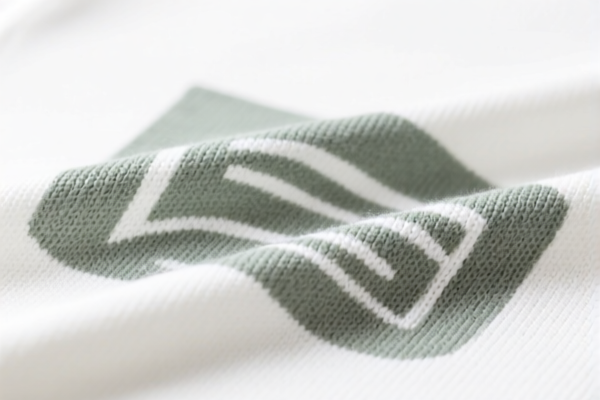

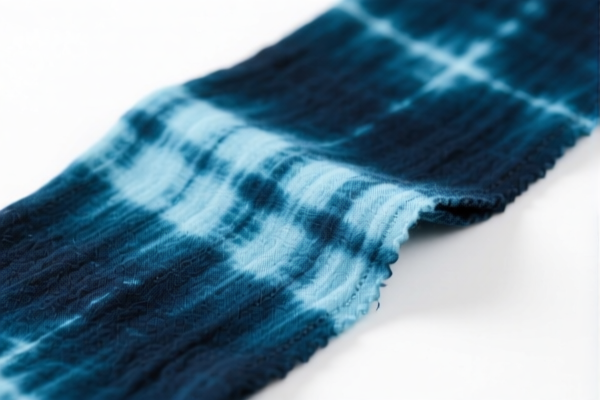
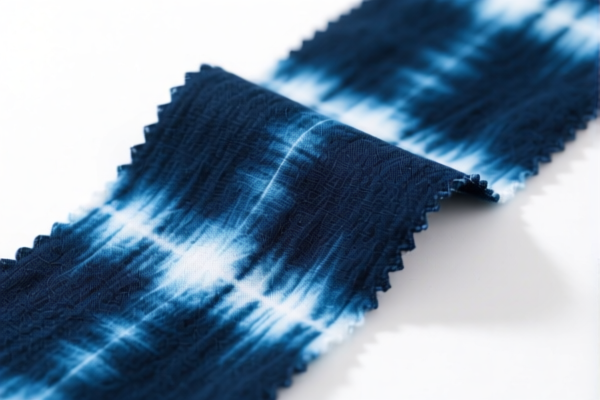
AI Analysis
🧵 Rayon-Wool Blended Shirts (Knitted or Woven) | HS Code & Tariff Guide 2026
🌐 HS Code Classification & Customs Clearance Strategy | 2026 Updated Tariff Rules | Expert-Level Compliance Guide
✅ Target Market: United States (US)
✅ Origin: China (CN)
✅ Effective Date: November 10, 2025
✅ Key Focus: Accurate classification of rayon-wool blended shirts based on material composition, fabric structure, and gender indication
📦 I. Product Definition & Classification Logic (Why This Matters!)
You're importing rayon-wool blended shirts — but not all are treated the same under U.S. customs law. The HS Code depends on:
- ✅ Fabric type: Woven vs. Knitted
- ✅ Material blend: Rayon + Wool (≥50% rayon or wool)
- ✅ Gender indication: Explicitly stated (e.g., "men’s", "women’s") or implied by style
- ✅ Structure: Shirt (not other garments like jackets or vests)
⚠️ Critical Insight:
- Woven shirts → 6205.30.15.20 or 6206.40.25.20/10
- Knitted shirts → 6110.30.15.50 or 6110.30.15.20
- Incorrect classification = 10–30% higher tariffs + penalties!
🔍 II. HS Code Breakdown & Tax Details (2026 Official Tariff Table)
| HS Code | Product Description | Tax Rate | Key Classification Criteria |
|---|---|---|---|
6205.30.15.20 |
Woven shirts, rayon-wool blend, material & structure match (e.g., woven fabric, shirt shape) | 49.6¢/kg + 19.7% + 17.5% | ✅ Woven fabric ✅ Rayon + Wool blend ✅ Gender not specified but form fits men’s/women’s |
6206.40.25.20 |
Woven shirts, rayon-wool blend, material consistent, gender not explicitly stated | 56.3¢/kg + 14.3% + 17.5% | ✅ Woven ✅ Blend confirmed ✅ No gender label (e.g., "unisex" or no tag) |
6206.40.25.10 |
Woven shirts, rayon-wool blend, material matches, gender implied (e.g., slim fit, collar style) | 56.3¢/kg + 14.3% + 17.5% | ✅ Woven ✅ Blend confirmed ✅ Style suggests gender (e.g., men’s cut) |
6110.30.15.50 |
Knitted garments, rayon-wool blend, no structural conflict | 27.0% | ✅ Knitted fabric ✅ Blend present ✅ No contradiction in form (e.g., not a jacket) |
6110.30.15.20 |
Knitted shirts, rayon-wool blend, material & structure match | 27.0% | ✅ Knitted ✅ Rayon + Wool blend ✅ Shirt shape confirmed |
📌 Note:
- "Woven" = fabric made by interlacing threads at right angles (e.g., dress shirts)
- "Knitted" = fabric made by looping yarns (e.g., T-shirts, casual shirts)
💰 III. Tariff Breakdown & Legal Basis (Detailed Tax Clause Analysis)
🎯 1. 6205.30.15.20 — Woven Rayon-Wool Shirts (Material & Structure Match)
| Tax Component | Amount | Legal Basis |
|---|---|---|
| Basic Duty | 49.6¢/kg + 19.7% | 19 U.S.C. § 1202 (General Tariff Schedule) |
| Additional Duty | +7.5% | Section 301 Tariff (China-specific, under USITC) |
| 122 Clause Duty | +10% | Section 122 of the Trade Act of 1974 (China-specific, applies to certain textile products) |
| Total Effective Rate | 49.6¢/kg + 19.7% + 17.5% | Combined: ~37.2% (on CIF value + weight) |
📌 Explanation:
- 19.7% = Standard rate for woven shirts under 19 U.S.C. § 1202
- +7.5% = 301 Tariff (China-specific, from USTR List 3)
- +10% = 122 Clause (applies to certain textile items from China)
- Total = 37.2% (on value) + weight-based duty (49.6¢/kg)
🎯 2. 6206.40.25.20 — Woven Rayon-Wool Shirts (Material Consistent, Gender Not Stated)
| Tax Component | Amount | Legal Basis |
|---|---|---|
| Basic Duty | 56.3¢/kg + 14.3% | 19 U.S.C. § 1202 |
| Additional Duty | +7.5% | Section 301 Tariff (USTR List 3) |
| 122 Clause Duty | +10% | Section 122 of the Trade Act of 1974 |
| Total Effective Rate | 56.3¢/kg + 14.3% + 17.5% | ~31.8% (on CIF value) |
📌 Why Higher Weight Duty?
- This code has higher per-kilogram duty (56.3¢ vs 49.6¢) due to product type (men’s/women’s shirts, not other garments)
- Lower ad valorem rate (14.3%) but higher weight-based duty → more expensive for heavy garments
🎯 3. 6206.40.25.10 — Woven Rayon-Wool Shirts (Material Matches, Gender Implied)
| Tax Component | Amount | Legal Basis |
|---|---|---|
| Basic Duty | 56.3¢/kg + 14.3% | 19 U.S.C. § 1202 |
| Additional Duty | +7.5% | Section 301 Tariff |
| 122 Clause Duty | +10% | Section 122 of the Trade Act of 1974 |
| Total Effective Rate | 56.3¢/kg + 14.3% + 17.5% | ~31.8% (on CIF value) |
📌 Key Difference from 6206.40.25.20:
- Gender is implied by design (e.g., slim fit, collar style, sleeve length)
- Still subject to same duties, but correct classification avoids penalties
🎯 4. 6110.30.15.50 — Knitted Rayon-Wool Garments (No Structural Conflict)
| Tax Component | Amount | Legal Basis |
|---|---|---|
| Basic Duty | 17.0% | 19 U.S.C. § 1202 |
| Additional Duty | 0.0% | No 301 Tariff (knitted garments not on List 3) |
| 122 Clause Duty | +10% | Section 122 of the Trade Act of 1974 |
| Total Effective Rate | 27.0% | 17.0% + 10% |
📌 Why Lower?
- No 301 tariff (knitted garments not included in USTR List 3)
- Only 122 Clause applies (10%)
- 17.0% base rate (lower than woven shirts)
🎯 5. 6110.30.15.20 — Knitted Rayon-Wool Shirts (Material & Structure Match)
| Tax Component | Amount | Legal Basis |
|---|---|---|
| Basic Duty | 17.0% | 19 U.S.C. § 1202 |
| Additional Duty | 0.0% | No 301 Tariff |
| 122 Clause Duty | +10% | Section 122 of the Trade Act of 1974 |
| Total Effective Rate | 27.0% | 17.0% + 10% |
📌 Same as 6110.30.15.50, but more precise because it confirms shirt shape and material match
🛠️ IV. Customs Clearance Best Practices (Pro Tips for Smooth Import)
✅ 1. Documentation Checklist (Must-Have)
| Document | Required? | Why It Matters |
|---|---|---|
| ✅ Commercial Invoice | ✔️ | Must clearly state: "Rayon-Wool Blend Shirt, Woven/Knitted, Men’s/Women’s/Unisex" |
| ✅ Packing List | ✔️ | Include weight per piece, total weight, packaging type |
| ✅ Product Photos | ✔️ | Show fabric weave, collar, sleeves, tags, stitching |
| ✅ Technical Specs Sheet | ✔️ | Fiber content (% rayon, % wool), GSM (grams per square meter), fabric type |
| ✅ Label & Tag Copy | ✔️ | Show if gender is stated or implied |
| ✅ Certificate of Origin (CO) | ✔️ | Required for tariff eligibility (e.g., China) |
| ✅ FCC/CE/RoHS (if applicable) | ✔️ | For electronics or safety compliance |
✅ 2. 申报技巧 (Key Rules to Remember)
🔥 "Woven ≠ Knitted, Gender Matters, Label is Law!"
| Scenario | Correct HS Code | Common Mistake |
|---|---|---|
| Woven shirt, 60% rayon, 40% wool, no gender tag | 6206.40.25.20 |
Misclassified as 6205.30.15.20 |
| Knitted shirt, 55% rayon, 45% wool, slim fit | 6110.30.15.20 |
Misclassified as 6110.30.15.50 |
| Woven shirt, 70% wool, 30% rayon, collar style suggests men’s | 6206.40.25.10 |
Misclassified as 6206.40.25.20 |
| Knitted shirt, 50% rayon, 50% wool, no style clues | 6110.30.15.50 |
Misclassified as 6110.30.15.20 |
✅ 3. Special Cases & Risk Mitigation
| Case | Solution |
|---|---|
| No gender label, but style suggests men’s | Use 6206.40.25.10 (implied gender) |
| Mixed fabric (woven + knitted elements) | Classify by dominant structure (e.g., if 70% knitted, use knitted code) |
| Custom design with no standard label | Provide design sketches + photos + fiber test report |
| Re-exported or re-imported goods | Confirm original HS Code and duty paid history |
🌍 V. Global Market Comparison (2026)
| Country | Recommended HS Code | Tariff | Certification | Notes |
|---|---|---|---|---|
| 🇺🇸 USA | 6205.30.15.20 / 6206.40.25.20/10 / 6110.30.15.50/20 |
27%–37.2% | None (unless electronics) | Highest tariffs due to 301 + 122 Clause |
| 🇨🇳 China | Same | 5% | CCC | No extra duties |
| 🇪🇺 EU | 6205.30.15 / 6206.40.25 / 6110.30.15 |
0% (if CE) | CE | No 301/122 Clause |
| 🇦🇺 Australia | Same | 5% | RCM | No extra duties |
| 🇯🇵 Japan | Same | 0% | PSE | No extra duties |
📌 Insight:
- USA is the only market with 301 + 122 Clause tariffs on rayon-wool shirts
- China-origin goods face highest effective rates
- Knitted shirts are cheaper to import into the US than woven ones
🚨 VI. Common Mistakes & Penalties (Avoid These!)
❌ Mistake 1: Using 6205.30.15.20 for a knitted shirt
👉 Result: Higher duty, audit risk, potential seizure
❌ Mistake 2: Not declaring gender when implied by style
👉 Result: Incorrect HS Code → 10–15% higher duty + penalties
❌ Mistake 3: Using "blended fabric" without specifying % rayon/wool
👉 Result: Customs may reject classification → delay or rejection
❌ Mistake 4: Not providing photos of fabric and labels
👉 Result: Customs may request samples → 3–6 weeks delay
✅ Correct Way to Declare:
"Rayon-Wool Blend Woven Shirt, 60% Rayon, 40% Wool, Men’s Style, Collar, Button Front, Unisex Fit, Label: 'Men’s Shirt'"
🎯 VII. Final Summary: Key Takeaways
✅ Woven shirts → 6205.30.15.20 or 6206.40.25.20/10
✅ Knitted shirts → 6110.30.15.50 or 6110.30.15.20
✅ Gender implied? → Use6206.40.25.10
✅ 301 + 122 Clause = 17.5% extra on all China-origin goods
✅ Knitted = Lower tariff than woven (no 301 tariff)
✅ Always provide photos, specs, labels
📌 VIII. Pro Tip: Get a Pre-Ruling (Advanced Ruling)
📞 Contact a U.S. Customs Broker to file for Advance Ruling (Section 177)
✅ Get official HS Code confirmation before shipment
✅ Avoid audit, penalties, delays
✅ Save 10–20% in total import cost
📣 Act Now!
🚀 Submit product photos + specs + label copy to your customs broker today
📞 Request an HS Code pre-ruling
💼 Ensure your rayon-wool shirts clear customs fast, smooth, and at the lowest cost!
✨ Smart Classification = Lower Tariffs = Higher Profit!
💼 Your next shipment deserves precision — not guesswork!
Customer Reviews
About HS Code Classification
The Harmonized System (HS) is an internationally standardized nomenclature developed by the World Customs Organization (WCO) to classify traded products. Over 200 countries use the HS system as the basis for customs tariffs, trade statistics, and import/export regulations.
Each HS code follows a hierarchical structure:
- Chapter (2 digits) — Broad category of goods (e.g., Chapter 84: Machinery and Mechanical Appliances)
- Heading (4 digits) — More specific grouping within the chapter
- Subheading (6 digits) — Internationally standardized breakdown, used by all WCO member countries
- National subdivisions (8-10 digits) — Country-specific extensions for further classification, such as US HTSUS 10-digit codes
Correct HS code classification is essential for smooth customs clearance, accurate duty payment, and compliance with trade regulations. Misclassification can lead to customs delays, overpayment of duties, or penalties.
When importing from CN to US, the applicable tariff rates may include:
- Most-Favored-Nation (MFN) rate — The standard duty rate applied to WTO members
- General rate — Applied to countries without trade agreements
- Trade remedy duties — Additional tariffs such as Section 301 (anti-dumping), Section 232 (national security), or countervailing duties
The information provided on this page is for reference purposes only. For official classification, please consult with your local customs authority or a licensed customs broker.