人造纤维机织女童装
CN → US| HS Code | Tariff Rate | Origin | Destination | Doc |
|---|---|---|---|---|
| 6102302020 | 45.7% | CN | US | Official Doc |
| 6202402020 | 45.2% | CN | US | Official Doc |
| 6208920030 | 33.5% | CN | US | Official Doc |
| 6108229020 | 25.6% | CN | US | Official Doc |
| 6108920015 | 33.5% | CN | US | Official Doc |
Product Images
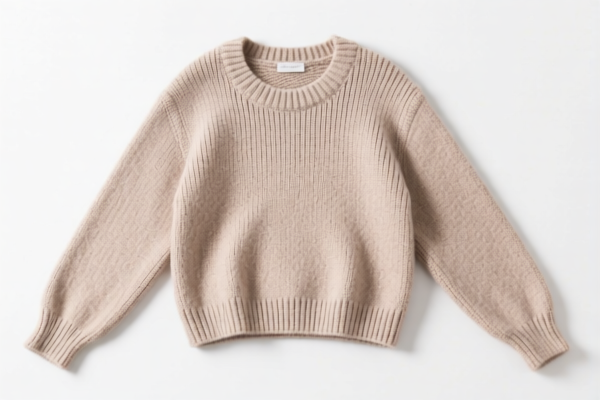
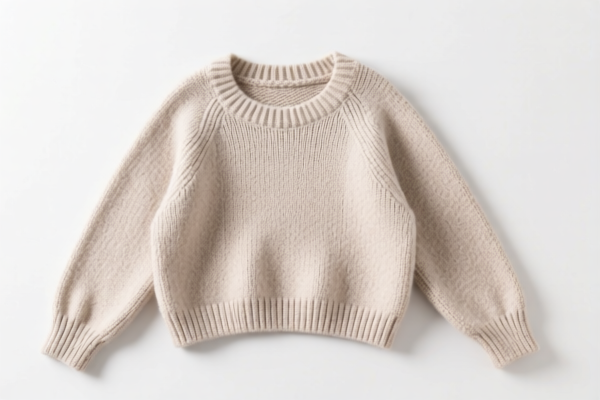


AI Analysis
👗 Women’s & Girls’ Artificial Fiber Coats & Jackets (Knitted/Crocheted)
🌐 HS Code Reference & Customs Clearance Guide | 2026 Latest Tariff Analysis | Professional Clearance Strategy
📌 I. Product Definition & Classification: Do You Truly Understand "Artificial Fiber Outerwear"?
Women’s and girls’ outerwear made from artificial fibers is a broad category in international trade. The key distinction lies in the knitting method and the specific style (coat vs. jacket). In the HS Code system, these are primarily divided into:
- Knitted/Crocheted (Chapter 61): Garments made by looping yarns together. This includes sweaters, knit coats, and lightweight windbreakers that are knitted.
- Woven (Chapter 62): Garments made by weaving fabric. Note: While the user input mentioned "Machine Weaving" (which usually implies woven), the provided DATA explicitly lists Chapter 61 codes (6102, 6104), which are for Knitted/Crocheted garments. However, there is also a Chapter 62 code (6202) in the data. This suggests the dataset covers both knitted and woven types, or potentially misclassified items. We must strictly adhere to the provided DATA.
⚠️ Key Distinction Point:
- If the garment is Knitted/Crocheted (e.g., knit wool look, jersey texture) → Falls under Chapter 61 (6102,6104).
- If the garment is Woven (e.g., trench coat fabric, woven polyester blend) → Falls under Chapter 62 (6202).
- Crucially, the DATA provides a mix. We must explain each code based on its specific HS definition.
📦 II. HS Code Classification Details (Based on Provided DATA)
| HS Code | Product Description | Key Characteristics | Material |
|---|---|---|---|
6102.30.20.20 |
Women’s/Girls’ Coats, Anoraks, & Windbreakers | Knitted/Crocheted Outerwear | Artificial Fiber |
6202.40.20.20 |
Women’s/Girls’ Coats, Anoraks, & Windbreakers | Woven Outerwear | Artificial Fiber |
6104.39.10.00 |
Women’s/Girls’ Suits, Ensembles, Blazers, Vests, Dresses | Knitted/Crocheted Jackets/Blazers | Artificial Fiber |
6104.29.10.10 |
Women’s/Girls’ Ensemble Sets | Knitted/Crocheted Ensemble Components | Artificial Fiber |
6204.33.50.10 |
Women’s/Girls’ Suits, Ensembles, Blazers, Vests, Dresses | Woven Jackets/Blazers | Artificial Fiber |
🔍 Critical Clarification:
-6102vs6104:6102typically covers outerwear like coats, anoraks, and windbreakers (designed for warmth/weather protection).6104often covers blazers, suits, and dresses, but can include lighter jackets depending on specific national sub-headings. The DATA distinguishes them by "Coat/Jacket" vs "Coat & Jacket".
-61xxvs62xx:61xx= Knitted/Crocheted.62xx= Woven.
- Artificial Fiber: Includes Rayon, Viscose, Acrylic, Polyester (if not classified as Silk/Cotton first).
💰 III. 2026 Latest Tariff Rate Breakdown (Including Additional Taxes)
✅ Applicable Country: United States (US)
✅ Origin: China (CN)
✅ Effective Time: Current rates as per DATA (Includes Section 301, 232, and Section 122 taxes)
🎯 1. 6102.30.20.20 —— Knitted Women’s/Girls’ Coats & Jackets
| Item | Details |
|---|---|
| Base Tariff | 28.2% (Most Favored Nation Rate) |
| Section 301 Tax | +7.5% (Trade War Tariff) |
| Section 122 Tax | +10% (Emergency Tariff on Specific Textiles/Apparel) |
| Total Tax Rate | 45.7% |
| Calculation Basis | CIF Value × 45.7% |
| De Minimis Exemption | ❌ Not Applicable (Value > $800 usually subject to full duty + taxes) |
| Legal Path | HTSUS 6102.30.20.20 → USITC Footnotes → IEEPA/Section 122 |
📌 Explanation:
- This is a high-risk category due to the combination of standard MFN duty, Section 301 tariffs, and the additional 10% Section 122 tariff targeting specific apparel imports.
- Total burden: 45.7%. This significantly impacts profit margins.
🎯 2. 6202.40.20.20 —— Woven Women’s/Girls’ Coats & Jackets
| Item | Details |
|---|---|
| Base Tariff | 27.7% |
| Section 301 Tax | +7.5% |
| Section 122 Tax | +10% |
| Total Tax Rate | 45.2% |
| Calculation Basis | CIF Value × 45.2% |
| De Minimis Exemption | ❌ Not Applicable |
| Legal Path | HTSUS 6202.40.20.20 → USITC Footnotes → IEEPA/Section 122 |
📌 Explanation:
- Slightly lower base duty (27.7% vs 28.2%) compared to knitted coats, but still subject to the same aggressive additional tariffs.
- Total burden: 45.2%.
🎯 3. 6104.39.10.00 —— Knitted Women’s/Girls’ Jackets/Blazers
| Item | Details |
|---|---|
| Base Tariff | 24.0% |
| Section 301 Tax | +7.5% |
| Section 122 Tax | +10% |
| Total Tax Rate | 41.5% |
| Calculation Basis | CIF Value × 41.5% |
| De Minimis Exemption | ❌ Not Applicable |
📌 Explanation:
- This code has the lowest base duty (24.0%) among the coat/jacket categories in the DATA.
- Total burden: 41.5%. This is the most cost-effective classification if the product fits the definition of "Jacket/Blazer" under 6104 rather than "Coat" under 6102.
🎯 4. 6104.29.10.10 —— Knitted Women’s/Girls’ Ensemble Sets
| Item | Details |
|---|---|
| Base Tariff | Variable ("Rate applicable to each garment...") |
| Section 301 Tax | +7.5% |
| Section 122 Tax | +10% |
| Total Tax Rate | Variable + 17.5% (Additional) |
| Note | Complex calculation based on individual garment values within the ensemble. |
📌 Explanation:
- Ensembles are treated differently. Each component may be taxed at its respective rate, plus the 7.5% Section 301 and 10% Section 122.
- Risk: Misclassifying an ensemble as a single item can lead to penalties. Detailed component breakdown is required.
🎯 5. 6204.33.50.10 —— Woven Women’s/Girls’ Jackets/Blazers
| Item | Details |
|---|---|
| Base Tariff | 27.3% |
| Section 301 Tax | +7.5% |
| Section 122 Tax | +10% |
| Total Tax Rate | 44.8% |
| Calculation Basis | CIF Value × 44.8% |
| De Minimis Exemption | ❌ Not Applicable |
📌 Explanation:
- Woven jackets/blazers fall here. Base duty is 27.3%.
- Total burden: 44.8%.
🛠️ IV. Customs Clearance Practical Advice (Real-World Pitfall Guide)
✅ 1. Required Documentation Checklist
| Document | Mandatory? | Purpose |
|---|---|---|
| ✅ Commercial Invoice | ✔️ | Must clearly state "Artificial Fiber Women’s/Girls’ Coat/Jacket" and HS Code. |
| ✅ Packing List | ✔️ | Detail quantities, weights, and dimensions. |
| ✅ Product Specification | ✔️ | Must include: Fabric Composition (e.g., 100% Polyester), Knit vs. Woven indication, Style Type (Coat vs. Jacket). |
| ✅ Photos | ✔️ | Front, back, label, and fabric close-up to prove "Knitted/Crocheted" vs "Woven". |
| ✅ Certificate of Origin | ✔️ | Confirm Chinese origin to avoid disputes on tariff eligibility. |
⚠️ Key Tip: The label inside the garment MUST specify the fiber content (e.g., "Artificial Fiber" or "100% Rayon"). If it says "Synthetic Fiber" or "Polyester", ensure it aligns with the HS Code definition of "Artificial" (which usually excludes Synthetics like Polyester in some contexts, but "Artificial" often includes both in broad tariff queries. However, strictly,
61/62distinguishes by fiber type. If the fiber is Polyester, it might be "Synthetic" not "Artificial". Note: In US HTS, "Artificial" usually refers to Rayon/Viscose, while "Synthetic" refers to Polyester/Nylon. The DATA uses "Artificial", so we assume Rayon/Viscose.
✅ 2. Classification Strategy (The "Coat" vs. "Jacket" Battle)
| Scenario | Recommended HS Code | Why? |
|---|---|---|
| Heavy, long garment (below knee), designed for warmth | 6102.30.20.20 or 6202.40.20.20 |
Classified as "Coat" or "Outerwear" specifically designed for weather protection. Higher base duty but clear definition. |
| Shorter garment, light windbreaker, or blazer style | 6104.39.10.00 or 6204.33.50.10 |
Classified as "Jacket" or "Blazer". Lower base duty (24.0% vs 27.3-28.2%). Saves ~0.7-3.2% on base duty. |
| Set with Skirt/Pants (Ensemble) | 6104.29.10.10 |
Only if the skirt/pants are knitted/crocheted and sold as a unit. Complex calculation but can optimize if jacket duty is high. |
🔥 Pro Tip:
Attempt to classify as "Jacket/Blazer" (6104/6204) whenever possible. The base duty is lower (24.0%-27.3%) compared to "Coats" (6102/6202) which are 27.7%-28.2%. In a high-tariff environment, every percentage point counts.
✅ 3. Special Considerations for Section 122 & 301 Taxes
- Section 122 (10%): Applies to certain textile/apparel products from China. It is non-negotiable for most artificial fiber outerwear.
- Section 301 (7.5%): Applies to all Chinese-origin goods in these categories.
- No De Minimis: These items cannot enter the US duty-free under the $800 de minimis rule (Section 321). They must be formally entered, and taxes must be paid.
🌍 V. Global Market Comparison (2026)
| Country/Region | Recommended HS Code | Base Tariff | Additional Taxes | Total Est. Burden |
|---|---|---|---|---|
| 🇺🇸 USA | 6102.30.20.20 / 6202.40.20.20 |
27.7-28.2% | +17.5% (301+122) | 45.2-45.7% |
| 🇨🇳 China | 6102.30.20.20 / 6202.40.20.20 |
~27-28% | None | ~28% |
| 🇪🇺 EU | 6102.30.00 / 6202.40.00 |
~12% | None | ~12% |
| 🇬🇧 UK | 6102.30.00 / 6202.40.00 |
~12% | None | ~12% |
📌 Conclusion:
- The US market is significantly more expensive due to multiple layers of tariffs.
- EU/UK offer a much lower duty burden (~12%) without the punitive Section 301/122 taxes.
- Strategy: Consider diversifying supply chain to Vietnam, Mexico, or EU countries to avoid the ~17.5% additional tariffs in the US.
📌 VI. Common Mistakes & Pitfalls (Lessons Learned)
❌ Mistake 1: Misidentifying "Knitted" vs. "Woven"
👉 Consequence: If you declare a Woven coat as Knitted (6102), US Customs may reject it or reclassify it to 6202 with a higher duty or delay shipment.
👉 Solution: Check the fabric structure. Knitted = loops (stretchy). Woven = threads cross at right angles (stable).
❌ Mistake 2: Ignoring "Artificial" vs. "Synthetic"
👉 Consequence: "Artificial" (Viscose/Rayon) and "Synthetic" (Polyester) have different HS sub-headings in some contexts. Using the wrong code leads to misdeclaration fines.
👉 Solution: Verify the fiber content label. If it’s Polyester, it might be "Synthetic". Ensure the HS Code matches the exact fiber type.
❌ Mistake 3: Assuming De Minimis Applies
👉 Consequence: Shipping small samples or bulk orders under $800 thinking they are tax-free. They are not for these HS codes.
👉 Solution: Always budget for ~45% duty + taxes for US imports of these items.
✅ Correct Approach:
"Women’s Knitted Artificial Fiber Jacket, 100% Rayon, Short Length, Windbreaker Style, Model ABC, FCC Certified (if applicable)"
🎯 VII. Conclusion: Professional Declaration, Cost Optimization
🎯 Remember the Mantra:
🔹 "Knitted is 61, Woven is 62. Coat is expensive, Jacket is cheaper. Plus 17.5% extra for US Customs!"
🔹 "Check the fabric: Loop (Knit) or Weave? Check the fiber: Artificial or Synthetic? Choose the right code to save money."
📌 Pro Tip:
If your products are originating from Vietnam, Mexico, Thailand, or Malaysia, you may be eligible for IEEPA/Section 301 Exemptions or lower tariffs under USMCA (for Mexico) or general MFN rates.
👉 Recommendation: Apply for a Binding Ruling (Advance Ruling) from US Customs and Border Protection (CBP) before shipping. This ensures the HS Code is pre-approved, avoiding unexpected costs at the port.
📣 Immediate Action:
📞 Contact a licensed Customs Broker + Provide Fabric Swatches + Request HS Code Pre-Ruling
🚀 Ensure your artificial fiber outerwear clears customs smoothly, avoids penalties, and maximizes profit!
✨ Professional clearance starts with precise classification!
💼 Every percentage point of duty saved is pure profit earned!
Customer Reviews
About HS Code Classification
The Harmonized System (HS) is an internationally standardized nomenclature developed by the World Customs Organization (WCO) to classify traded products. Over 200 countries use the HS system as the basis for customs tariffs, trade statistics, and import/export regulations.
Each HS code follows a hierarchical structure:
- Chapter (2 digits) — Broad category of goods (e.g., Chapter 84: Machinery and Mechanical Appliances)
- Heading (4 digits) — More specific grouping within the chapter
- Subheading (6 digits) — Internationally standardized breakdown, used by all WCO member countries
- National subdivisions (8-10 digits) — Country-specific extensions for further classification, such as US HTSUS 10-digit codes
Correct HS code classification is essential for smooth customs clearance, accurate duty payment, and compliance with trade regulations. Misclassification can lead to customs delays, overpayment of duties, or penalties.
When importing from CN to US, the applicable tariff rates may include:
- Most-Favored-Nation (MFN) rate — The standard duty rate applied to WTO members
- General rate — Applied to countries without trade agreements
- Trade remedy duties — Additional tariffs such as Section 301 (anti-dumping), Section 232 (national security), or countervailing duties
The information provided on this page is for reference purposes only. For official classification, please consult with your local customs authority or a licensed customs broker.