仿制耳环
CN → US| HS Code | Tariff Rate | Origin | Destination | Doc |
|---|---|---|---|---|
| 7117909000 | 28.5% | CN | US | Official Doc |
| 3926904000 | 12.8% | CN | US | Official Doc |
| 4205008000 | 35.0% | CN | US | Official Doc |
| 4205001000 | 35.0% | CN | US | Official Doc |
| 3926909989 | 22.8% | CN | US | Official Doc |
Product Images
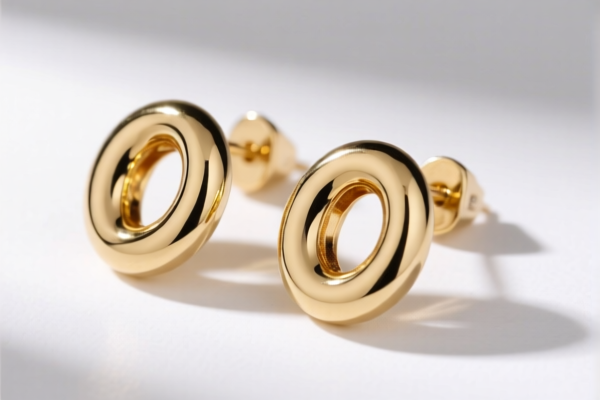
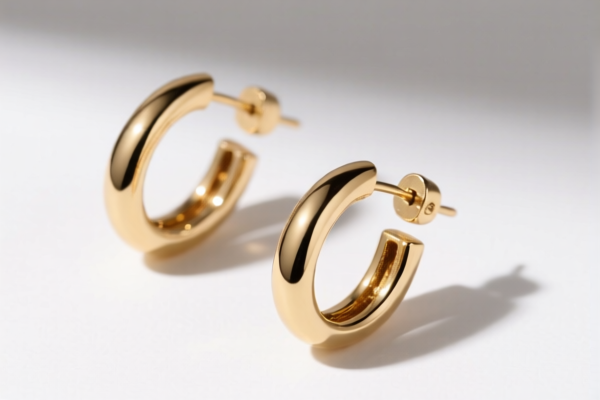
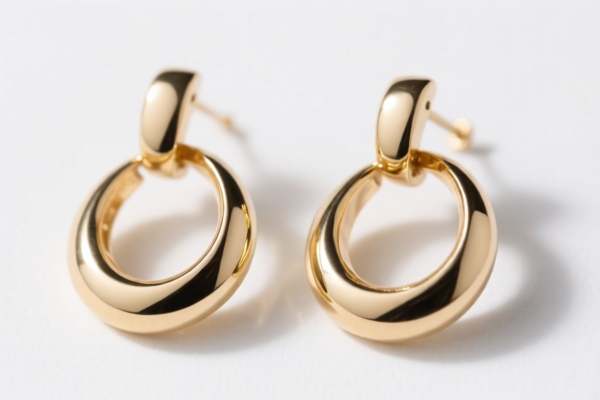
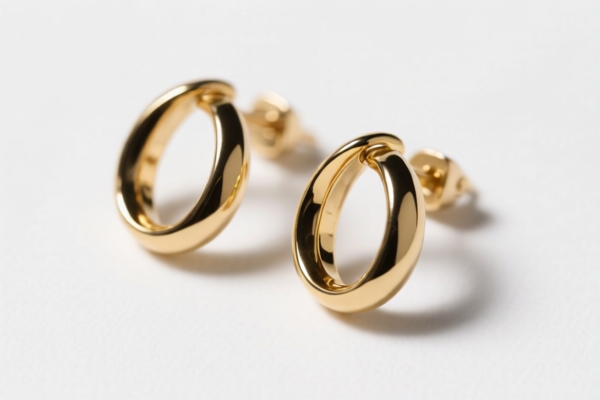
AI Analysis
💎 Fashion Earrings / Imitation Jewelry (Non-Precious Metal)
🌐 HS Code Reference & Customs Clearance Guide | 2026 Latest Tariff Analysis | Professional Entry Strategy
📌 I. Product Definition & Classification: What Exactly Are "Imitation Earrings"?
Imitation earrings (often referred to as "costume jewelry" or "fashion accessories") are decorative items worn on the ears, made from non-precious materials such as base metals, plastics, resins, or synthetic leathers. Unlike fine jewelry, they do not contain precious metals (gold, silver, platinum) or genuine gemstones.
In international trade, the critical factor determining their classification is the primary material composition:
- Plastic/Resin/Synthetic Materials: If the main body is made of plastic, artificial resin, or other synthetic polymers → Chapter 39.
- Leather/Synthetic Leather: If the main material is genuine or synthetic leather → Chapter 42.
- Base Metal/Mixed Materials: If the material is unspecified or a mix of non-precious metals and minor plastics → Chapter 71.
⚠️ Key Distinction:
- If the product is primarily plastic/resin, it falls under 3926.90;
- If it is primarily leather/synthetic leather, it falls under 4205.00;
- If it is base metal or the material is ambiguous/mixed, it falls under 7117.90.
📦 II. HS Code Classification Matrix (2026 Latest Tariff Alignment)
Based on the provided data, here are the precise HS Code mappings for imitation earrings:
| HS Code | Material Composition | Product Description | Tax Category |
|---|---|---|---|
7117.90.90.00 |
Base Metal / Mixed / Unspecified | Imitation earrings categorized under Imitation Jewelry (typically base metal frames with minor plastic/gemstone accents) | High Tariff (28.5%) |
3926.90.40.00 |
Artificial Synthetic Materials (Plastic/Resin) | Imitation earrings made primarily of plastic or resin | Low Tariff (12.8%) |
4205.00.80.00 |
Synthetic Leather | Imitation earrings made of synthetic leather (falling under the leather goods category) | Highest Tariff (35.0%) |
4205.00.10.00 |
Regenerated/Artificial Leather | Imitation earrings made of regenerated leather or artificial leather | Highest Tariff (35.0%) |
3926.90.99.89 |
Plastic (General Category) | Imitation earrings made of plastic but not specifically listed under 3926.90.40 (falls under other plastic articles) | Medium Tariff (22.8%) |
🔍 Critical Note:
- Misclassification Risk: Shipping plastic earrings (3926) as base metal (7117) will result in overpaying taxes by 15.7%. Conversely, shipping leather earrings (4205) as plastic (3926) is a serious compliance violation that can lead to fines. - Material Dominance: Customs determines the classification based on the material that gives the item its essential character. If an earring is 90% plastic and 10% metal, it is likely classified under Chapter 39, not 71.
💰 III. 2026 Latest Tariff Rate Breakdown (US Imports from China)
✅ Applicable Country: United States (US)
✅ Origin: China (CN)
✅ Effective Time: 2025/2026 Current Rates (Including Section 301 & IEEPA Tariffs)
🎯 1. 7117.90.90.00 —— Imitation Jewelry (Base Metal/Mixed)
| Item | Details |
|---|---|
| Base Tariff | 11.0% |
| Section 301 (Trade War) Tariff | 7.5% |
| Section 122 Tariff (China Specific) | 10.0% |
| Total Effective Rate | 28.5% |
| Calculation | CIF Value × 28.5% |
| De Minimis Exemption | ❌ Not Applicable (High tariff goods are generally excluded) |
📌 Explanation:
- This is the standard category for "costume jewelry" made of base metals.
- The 28.5% rate is a combination of standard MFN rates and punitive tariffs.
- Strategy: If your earrings are primarily plastic, do not use this code. Switch to3926to save significant costs.
🎯 2. 3926.90.40.00 —— Plastic/Resin Earrings (Specific Subheading)
| Item | Details |
|---|---|
| Base Tariff | 2.8% |
| Section 301 Tariff | 0.0% (Note: Specific subheading may have different treatment, but data shows 0.0% here) |
| Section 122 Tariff | 10.0% |
| Total Effective Rate | 12.8% |
| Calculation | CIF Value × 12.8% |
| De Minimis Exemption | ❌ Not Applicable |
📌 Strategy:
- This is the most cost-effective classification for plastic-based fashion jewelry.
- Savings: Compared to7117.90(28.5%), this saves 15.7% in taxes.
- Requirement: Ensure the product is clearly identified as plastic/resin in the commercial invoice and product specs.
🎯 3. 4205.00.80.00 & 4205.00.10.00 —— Leather/Synthetic Leather Earrings
| Item | Details |
|---|---|
| Base Tariff | 0.0% |
| Section 301 Tariff | 25.0% |
| Section 122 Tariff | 10.0% |
| Total Effective Rate | 35.0% |
| Calculation | CIF Value × 35.0% |
| De Minimis Exemption | ❌ Not Applicable |
📌 Warning:
- This is the highest tax bracket among the options.
- Even though the base tariff is 0%, the aggressive Section 301 rate (25%) drives the total up.
- Use Case: Only use this if the earrings are definitely made of leather or synthetic leather. Do not use this for plastic items.
🎯 4. 3926.90.99.89 —— Plastic Earrings (General Plastic Category)
| Item | Details |
|---|---|
| Base Tariff | 5.3% |
| Section 301 Tariff | 7.5% |
| Section 122 Tariff | 10.0% |
| Total Effective Rate | 22.8% |
| Calculation | CIF Value × 22.8% |
| De Minimis Exemption | ❌ Not Applicable |
📌 Note:
- Use this only if3926.90.40.00is not applicable (e.g., the plastic earring doesn't fit the specific definition of 40).
- It is cheaper than7117.90(28.5%) but more expensive than3926.90.40.00(12.8%).
- Recommendation: Verify with your supplier if3926.90.40.00applies first.
🛠️ IV. Customs Clearance Practical Advice (Avoiding Pitfalls)
✅ 1. Documentation Checklist (Non-Negotiable)
| Document | Must Provide? | Purpose |
|---|---|---|
| ✅ Product Specification Sheet | ✔️ | Must explicitly state Material Composition (e.g., "100% ABS Plastic," "Synthetic Leather," "Base Metal Alloy"). |
| ✅ Commercial Invoice | ✔️ | Description must match the HS Code. E.g., "Plastic Earrings" vs. "Imitation Jewelry." |
| ✅ Product Photos | ✔️ | High-resolution images showing material texture (shiny metal vs. matte plastic vs. grain leather). |
| ✅ Origin Certificate | ✔️ | Proof of China origin to apply correct tariff rates. |
| ✅ Material Test Report | ⚠️ Optional but Recommended | If challenged by customs, a lab report confirming plastic/leather composition can prevent misclassification. |
✅ 2. Declaration Strategy (Key Mantras)
🔥 "Material First, Code Second. Don't Guess, Specify!"
| Scenario | Correct Declaration | Incorrect Declaration | Consequence |
|---|---|---|---|
| Plastic Earrings | "Artificial Resin Earrings" + HS 3926.90.40.00 |
"Imitation Jewelry" + HS 7117.90.90.00 |
Overpaid Tax (15.7% extra) |
| Leather Earrings | "Synthetic Leather Earrings" + HS 4205.00.80.00 |
"Plastic Accessories" + HS 3926 |
Customs Penalty for misclassification |
| Mixed Material | Base Metal Frame + Plastic Beads | Ambiguous "Jewelry" | Likely 7117.90 (High Tax) |
✅ 3. Special Case Handling
| Situation | Handling Advice |
|---|---|
| Mixed Materials (e.g., Metal hook + Plastic bead) | Customs usually classifies based on the essential character. If the bead is the main visual part, it might still be 3926. If the metal hook defines the structure, it may be 7117. Consult a broker. |
| Set of Earrings | Declare as a single unit if sold together. Splitting can lead to higher combined tariffs. |
| Gift Sets | Include in the main product description. Do not separate "gift box" and "earrings" unless requested. |
🌍 V. Global Market Comparison (2026)
| Market | Preferred HS Code | Approx. Tariff | Notes |
|---|---|---|---|
| 🇺🇸 USA | 3926.90.40.00 (Plastic) |
12.8% | Best for plastic. Avoid 4205 (35%). |
| 🇺🇸 USA | 7117.90.90.00 (Metal) |
28.5% | Standard for base metal costume jewelry. |
| 🇪🇺 EU | 7117.19.00 / 3926.90 |
Varies (0-6%) | EU tariffs are generally lower. No Section 301 equivalent. |
| 🇨🇳 China | 7117.90.90.00 |
8-12% | Import duties into China are moderate. |
📌 Conclusion:
- For US Imports, material selection and declaration are cost-critical.
- Plastic (3926.90.40.00) is the cheapest route (12.8%).
- Leather (4205) is the most expensive route (35.0%).
- Metal/Mixed (7117) is in the middle (28.5%).
📌 VI. Common Errors & Pitfalls (Blood Lessons)
❌ Error 1: Labeling all fashion jewelry as 7117.90.90.00 ("Imitation Jewelry")
👉 Consequence: If the product is actually plastic, you pay 28.5% instead of 12.8%. Waste of 15.7% profit margin.
❌ Error 2: Labeling leather earrings as 3926 (Plastic) to save tax
👉 Consequence: Customs inspection reveals leather grain. Fine + Back Tax + Delays.
❌ Error 3: Vague description "Jewelry Earrings"
👉 Consequence: Customs uses their best judgment, likely defaulting to the highest applicable duty rate (7117 or 4205) due to uncertainty.
✅ Correct Practice:
"Plastic Fashion Earrings, Material: ABS Resin, Style: Hoop, HS Code: 3926.90.40.00"
🎯 VII. Conclusion: Optimize Your Cost Structure
🎯 Remember the Rule of Thumb:
🔹 "Plastic is Cheap (12.8%), Metal is Medium (28.5%), Leather is Expensive (35.0%)."
🔹 "Be Specific on Material. Ambiguity Costs Money."
📌 Pro Tip:
If you are importing mixed-material earrings, request a Pre-Ruling from US Customs and Border Protection (CBP) to confirm the correct HS Code before shipment. This provides legal certainty and avoids post-entry audits.
📣 Immediate Action:
📞 Contact your freight forwarder with:
1. Product photos
2. Material breakdown (e.g., "Hook: Nickel Alloy, Bead: Plastic")
3. Request classification for 3926.90.40.00 if plastic is dominant.
🚀 Save 15-22% in duties by choosing the right HS Code!
✨ Professional Classification, Maximized Profit!
💼 Every percentage point of duty saved is pure profit!
Customer Reviews
About HS Code Classification
The Harmonized System (HS) is an internationally standardized nomenclature developed by the World Customs Organization (WCO) to classify traded products. Over 200 countries use the HS system as the basis for customs tariffs, trade statistics, and import/export regulations.
Each HS code follows a hierarchical structure:
- Chapter (2 digits) — Broad category of goods (e.g., Chapter 84: Machinery and Mechanical Appliances)
- Heading (4 digits) — More specific grouping within the chapter
- Subheading (6 digits) — Internationally standardized breakdown, used by all WCO member countries
- National subdivisions (8-10 digits) — Country-specific extensions for further classification, such as US HTSUS 10-digit codes
Correct HS code classification is essential for smooth customs clearance, accurate duty payment, and compliance with trade regulations. Misclassification can lead to customs delays, overpayment of duties, or penalties.
When importing from CN to US, the applicable tariff rates may include:
- Most-Favored-Nation (MFN) rate — The standard duty rate applied to WTO members
- General rate — Applied to countries without trade agreements
- Trade remedy duties — Additional tariffs such as Section 301 (anti-dumping), Section 232 (national security), or countervailing duties
The information provided on this page is for reference purposes only. For official classification, please consult with your local customs authority or a licensed customs broker.