伸缩夹式手表
CN → US| HS Code | Tariff Rate | Origin | Destination | Doc |
|---|---|---|---|---|
| 9114304000 | 0.0% | CN | US | Official Doc |
| 9114904000 | 26.3% | CN | US | Official Doc |
| 9113908000 | 19.3% | CN | US | Official Doc |
| 9113202000 | 21.2% | CN | US | Official Doc |
| 7117199000 | 28.5% | CN | US | Official Doc |
| 7117909000 | 28.5% | CN | US | Official Doc |
Product Images
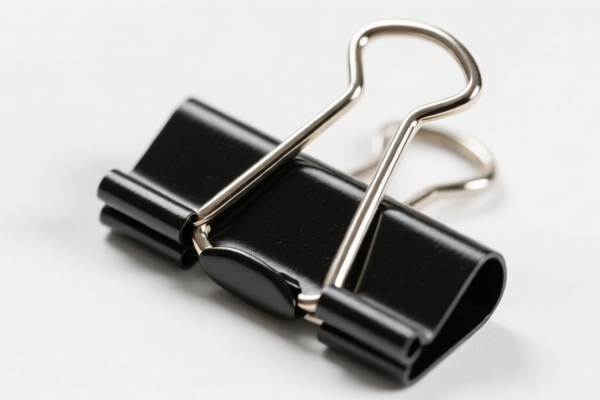
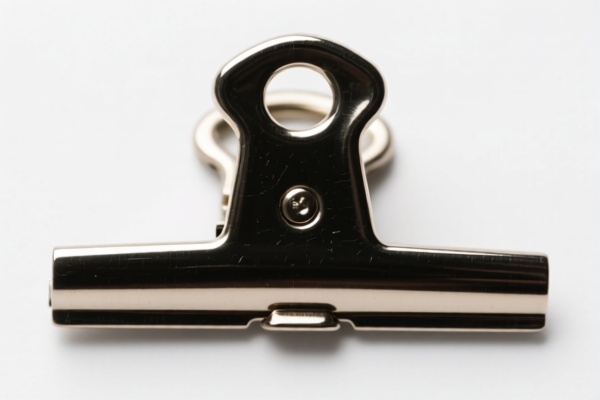
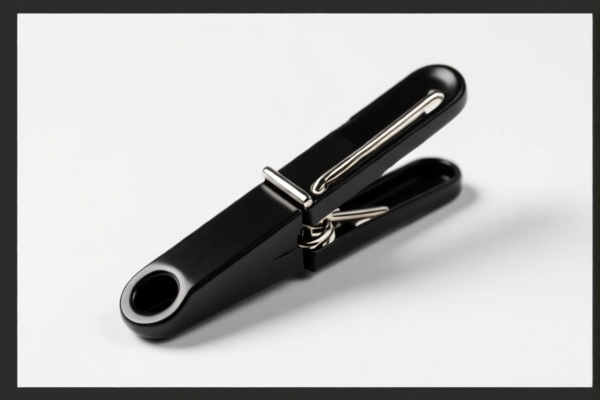
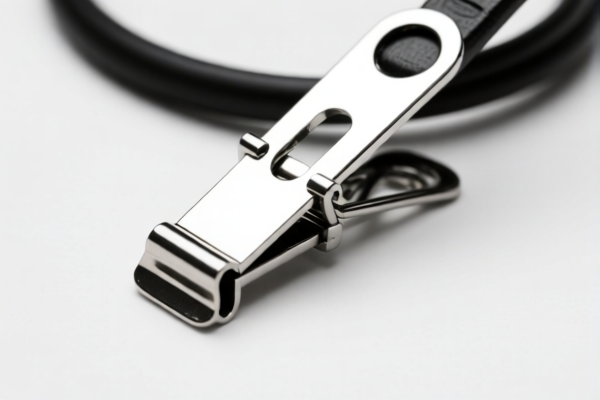
AI Analysis
⌚ The "Stretching Clamp" Watch: HS Code Analysis & US Customs Clearance Guide (2026)
🌐 HS Code Reference & Clearance Guide | 2026 Latest Tariff Analysis | Professional Clearance Strategy
The term "Stretching Clamp Watch" (伸缩夹式手表) refers to a specific type of wristwatch mechanism, typically featuring an elastic, mesh, or clasp-less design that adjusts to the wrist via tension or a flexible metal fabric structure. In international trade, this product sits at the intersection of Watch Straps (Accessories) and Complete Wristwatches.
⚠️ Key Classification Dilemma: - Is it a Watch Strap/Accessory (Chapter 91, Heading 91.13)? - Is it a Complete Wristwatch (Chapter 91, Heading 91.02)? - The answer depends entirely on whether the timekeeping module (movement) is integrated into the product.
📦 II. HS Code Classification Details (2026 Latest Tariff Authority)
Based on the provided data, there are three potential classifications. The choice depends on the product structure and intended use.
| HS Code | Product Description | Applicable Scenario | Total Tax Rate | Tax Breakdown |
|---|---|---|---|---|
9113.90.80.00 |
Watch Straps & Accessories | The product is primarily a strap/clasp component, possibly sold separately or as an accessory, not a complete timekeeping device. | 19.3% | Base: 1.8%, Section 301: 7.5%, Section 122: 10% |
9102.12.80.00 |
Electric Wristwatches (Wristlet Type) | The product is a complete watch with an electric movement, classified as a consumer wearable. | 17.5% | Base: 0.0%, Section 301: 7.5%, Section 122: 10% |
9102.29.02.00 |
Other Wristwatches (Non-Electric/Other) | The product is a complete watch but falls under "other" categories, possibly with specific strap materials (metal/textile) that don't fit the standard electric definition. | 31.5% | Base: 14.0%, Section 301: 7.5%, Section 122: 10% |
🔍 Critical Distinction: - If it is just the strap/clasp mechanism (no battery, no movement):
9113.90.80.00- If it is a complete functional watch (electric movement):9102.12.80.00(Lowest rate for complete watches) - If it is a complete functional watch (non-standard/non-electric classification):9102.29.02.00(Highest risk/rate)
💰 III. 2026 Latest Tariff Rate Details (Including Surcharges & Policies)
✅ Applicable Country: United States (US)
✅ Origin: China (CN)
✅ Effective Date: From November 10, 2025 (including subsequent imports)
🎯 1. 9113.90.80.00 – Watch Straps and Accessories
| Item | Content |
|---|---|
| Base Duty Rate | 1.8% (ad valorem) |
| Section 301 Surcharge | +7.5% (From USITC Footnote) |
| Section 122 Surcharge | +10% (From Section 122 provisions) |
| Total Duty Rate | 19.3% |
| Tax Calculation | CIF Value × 19.3% |
| De Minimis Eligibility | ❌ No (Deny de minimis for Section 301/122 goods from China) |
| Legal Authority Path | Section 122 → Section 301 → USITC:9113.90.80.00 |
📌 Explanation:
- This classification treats the item as a part/accessory rather than a finished good. - Base rate is low (1.8%), but the Section 301 (7.5%) and Section 122 (10%) surcharges significantly increase the cost. - Total 19.3% is moderate compared to complete watches but still substantial.
🎯 2. 9102.12.80.00 – Electric Wristwatches (Wristlet Type)
| Item | Content |
|---|---|
| Base Duty Rate | 0.0% (ad valorem) |
| Section 301 Surcharge | +7.5% (From USITC Footnote) |
| Section 122 Surcharge | +10% (From Section 122 provisions) |
| Total Duty Rate | 17.5% |
| Tax Calculation | CIF Value × 17.5% |
| De Minimis Eligibility | ❌ No (Deny de minimis) |
| Legal Authority Path | Section 122 → Section 301 → USITC:9102.12.80.00 |
📌 Note:
- This is the most cost-effective classification for a COMPLETE watch. - Although it is a "wristlet" (wristwatch), the base duty is 0%, making the total burden lighter than the strap classification. - Crucial: Must prove it is an electric timepiece with a complete movement.
🎯 3. 9102.29.02.00 – Other Wristwatches
| Item | Content |
|---|---|
| Base Duty Rate | 14.0% (ad valorem) |
| Section 301 Surcharge | +7.5% (From USITC Footnote) |
| Section 122 Surcharge | +10% (From Section 122 provisions) |
| Total Duty Rate | 31.5% |
| Tax Calculation | CIF Value × 31.5% |
| De Minimis Eligibility | ❌ No (Deny de minimis) |
| Legal Authority Path | Section 122 → Section 301 → USITC:9102.29.02.00 |
📌 Warning:
- This is the highest tariff rate. - Avoid this classification if possible. It typically applies to non-electric, non-standard wristwatches or those with specific material attributes that don't fit the "electric" or "jewelry" categories. - High base duty (14%) makes it very expensive.
🛠️ IV. Customs Clearance Practical Advice (Pitfall Avoidance)
✅ 1. Document Checklist (Mandatory)
| Document | Required | Description |
|---|---|---|
| ✅ Product Specifications | ✔️ | Clearly state if it includes a movement/battery. |
| ✅ Product Photos | ✔️ | Show the "stretching clamp" mechanism and any internal components. |
| ✅ Bill of Lading / Invoice | ✔️ | Ensure the description matches the HS Code (e.g., "Watch Strap" vs. "Electric Watch"). |
| ✅ Certificate of Origin | ✔️ | Confirm China origin to apply correct surcharges. |
| ✅ Declaration of Contents | ✔️ | Explicitly state: "Includes/Does Not Include Timekeeping Module." |
✅ 2. Declaration Tips (Key Mantra)
🔥 "Clarify if Complete or Part! Complete Watch: 17.5%. Strap Only: 19.3%. Avoid 'Other': 31.5%!"
| Scenario | Correct Declaration | Wrong Practice |
|---|---|---|
| Complete Watch (with movement) | Declare as 9102.12.80.00 (Electric Watch) |
Declaring as "Accessory" → 19.3% (Overpaid if it's a watch) OR Declaring as "Other" → 31.5% (Penalty/Risk) |
| Only Strap/Clasp (no movement) | Declare as 9113.90.80.00 (Watch Strap) |
Declaring as "Watch" → 17.5% (Underpaid if it's just a strap? No, usually straps are cheaper, but misclassification leads to audits) |
| Mixed Shipment | Split declaration | Bundling straps and watches → Customs detention |
✅ 3. Special Case Handling
| Case | Handling Advice |
|---|---|
| OEM Custom Clasp | If the "stretching" feature is a unique mechanical design, provide diagrams. If it's just a mesh band, emphasize "Accessory." |
| Integrated Movement | If the clamp contains the battery and display, it MUST be classified as a Watch (9102). Do not try to classify it as a strap to save money; Customs will reclassify and penalize. |
| Material Composition | If the strap is made of precious metals, it might fall under Jewelry (Chapter 71), which has different duties. Check material value. |
🌍 V. Global Market Comparison (2026 Latest)
| Country/Region | Recommended HS Code | Duty Rate | Certification | Remarks |
|---|---|---|---|---|
| 🇺🇸 USA | 9102.12.80.00 |
17.5% | FCC (if radio/wireless) | Highest efficiency for complete watches. |
| 🇨🇳 China | 9102.12.80.00 |
5-8% | CCC (if applicable) | Lower base duty, no Section 301/122. |
| 🇪🇺 EU | 91.02 |
0-4.5% | CE (if battery) | No Section 301/122 surcharges. |
| 🇦🇺 Australia | 91.02 |
5% | RCM | Moderate duty. |
| 🇯🇵 Japan | 91.02 |
0% | PSE (if battery) | Often 0% base duty. |
📌 Conclusion:
- USA is the most complex market due to Section 301 (7.5%) and Section 122 (10%) surcharges. - For Complete Watches,9102.12.80.00(17.5%) is the optimal choice in the US. - For Straps Only,9113.90.80.00(19.3%) is the standard, but slightly higher than complete watches due to base duty.
📌 VI. Common Errors & Pitfalls (Blood Tears Lessons)
❌ Error 1: Calling a complete watch a "strap" to avoid watch duties.
👉 Consequence: Customs rejects, reclassifies to 9102.12.80.00 (17.5%) or higher, plus penalties.
❌ Error 2: Misclassifying an electric watch as 9102.29.02.00.
👉 Consequence: 31.5% duty vs. 17.5% → Huge overpayment or audit risk.
❌ Error 3: Ignoring Section 122/301 surcharges.
👉 Consequence: Budgeting errors. The base duty might be 0%, but total duty is 17.5% or 19.3%.
✅ Correct Practice:
"Electric Wristwatch with Elastic Metal Clasp, Model XYZ, Battery Included, FCC Certified" →
9102.12.80.00
🎯 VII. Conclusion: Professional Declaration, Save Money!
🎯 Remember the Mantra:
🔹 "Complete Watch: Go Electric (17.5%). Strap Only: 19.3%. Don't be 'Other' (31.5%)."
🔹 "Section 301 + 122 = 17.5% Minimum for Watches. Base Duty 0% is Your Friend."
📌 Tip:
If your "Stretching Clamp Watch" is only the strap (no electronics), declare it as 9113.90.80.00.
If it is a complete watch, declare it as 9102.12.80.00 to benefit from the 0% base duty.
Avoid 9102.29.02.00 at all costs unless your product is uniquely non-electric and non-standard.
📣 Immediate Action:
📞 Consult with a professional customs broker.
🚀 Submit a Pre-Ruling Application to US Customs and Border Protection (CBP) for your specific "Stretching Clamp Watch" model to confirm the correct HS Code and avoid post-import audits.
✨ Professional Clearance Starts with Accurate Classification!
💼 Your Cost Efficiency Depends on This 8-Digit Code!
Customer Reviews
About HS Code Classification
The Harmonized System (HS) is an internationally standardized nomenclature developed by the World Customs Organization (WCO) to classify traded products. Over 200 countries use the HS system as the basis for customs tariffs, trade statistics, and import/export regulations.
Each HS code follows a hierarchical structure:
- Chapter (2 digits) — Broad category of goods (e.g., Chapter 84: Machinery and Mechanical Appliances)
- Heading (4 digits) — More specific grouping within the chapter
- Subheading (6 digits) — Internationally standardized breakdown, used by all WCO member countries
- National subdivisions (8-10 digits) — Country-specific extensions for further classification, such as US HTSUS 10-digit codes
Correct HS code classification is essential for smooth customs clearance, accurate duty payment, and compliance with trade regulations. Misclassification can lead to customs delays, overpayment of duties, or penalties.
When importing from CN to US, the applicable tariff rates may include:
- Most-Favored-Nation (MFN) rate — The standard duty rate applied to WTO members
- General rate — Applied to countries without trade agreements
- Trade remedy duties — Additional tariffs such as Section 301 (anti-dumping), Section 232 (national security), or countervailing duties
The information provided on this page is for reference purposes only. For official classification, please consult with your local customs authority or a licensed customs broker.