便携包
CN → US| HS Code | Tariff Rate | Origin | Destination | Doc |
|---|---|---|---|---|
| 7117909000 | 28.5% | CN | US | Official Doc |
| 3926909905 | 22.8% | CN | US | Official Doc |
| 9506996080 | 21.5% | CN | US | Official Doc |
| 3926909989 | 22.8% | CN | US | Official Doc |
| 9506910030 | 22.1% | CN | US | Official Doc |
Product Images
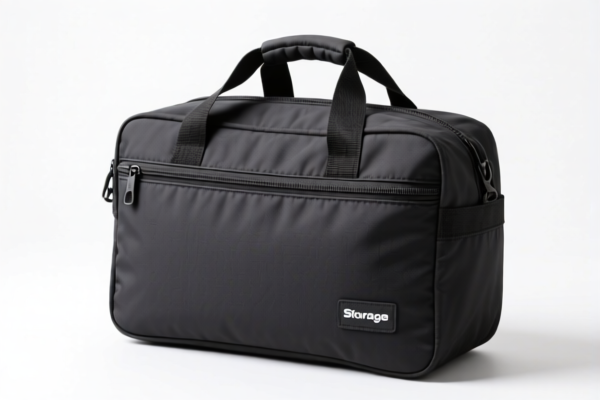
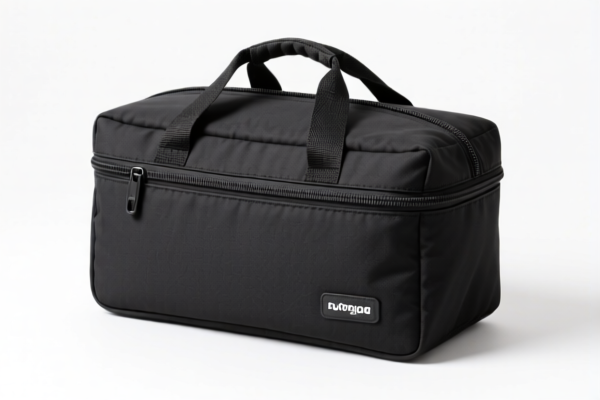
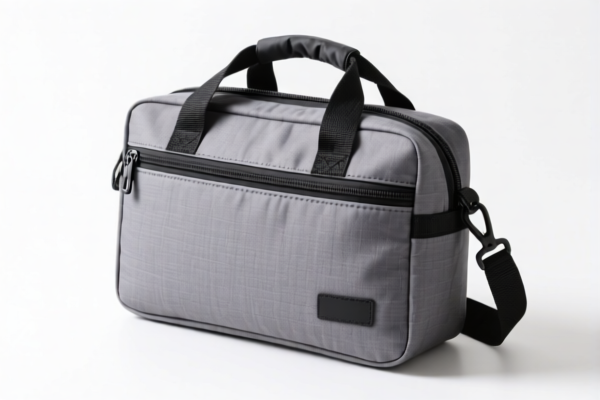
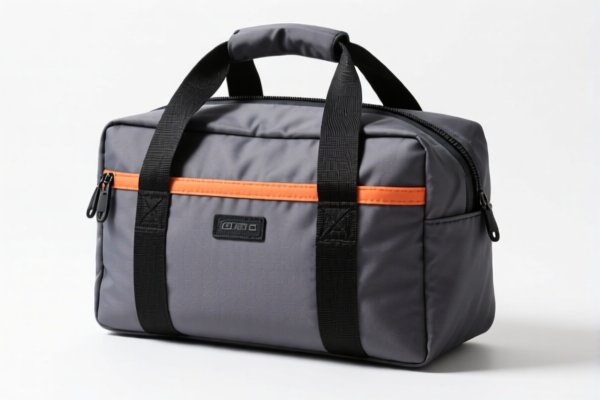
AI Analysis
🎒 Portability Bags & Cases (Portable Packs)
🌐 HS Code Reference & Customs Clearance Guide | 2026 Latest Tariff Analysis | Professional Clearance Strategy
📌 I. Product Definition & Classification: What Exactly is a "Portable Bag"?
"Portable Bag" (便携包) is a broad term in international trade, covering anything from lunchboxes and lunch bags to wristbands and storage containers. Because the term is generic, customs classification depends entirely on material, shape, and specific usage. Misclassification here can lead to massive tax differences (from 22.8% to 88.4%).
Core Distinctions: * Lunch Bags/Boxes (Food Storage): Focus on food preservation, folding structures, or fabric/plastic materials. * Wristbands/Straps (Accessories): Focus on elastic materials, wearable design. * Non-Metal Kitchen Utensils (Home Use): Often metal (stainless steel/aluminum) but not precious metals, classified under general metal articles.
⚠️ Key Classification Point:
- Is it for food storage (lunchbox/bag)? → Look at Chapters 42, 48, 39.
- Is it for wristwear/strap? → Look at Chapter 39 (Plastic/Rubber).
- Is it a metal container (e.g., stainless steel lunchbox)? → Look at Chapter 73 (Iron/Steel).
📦 II. HS Code Classification Details (2026 Latest Tariff Authority Comparison)
| HS Code | Product Description | Application Scenario | Material/Feature |
|---|---|---|---|
4819.50.20.00 |
Lunch Bags: Fabric or Plastic Packaging Containers | Food storage containers made of woven fabric or plastic films | ✅ Plastic/Fabric |
4819.20.00.20 |
Lunch Bags: Foldable Boxes/Cases (Paper/Textile) | Foldable lunch boxes, cartons, or shells | ✅ Paper/Textile |
7323.99.90.80 |
Non-Precious Metal Articles: Household/Kitchen Use | Stainless steel/aluminum lunch containers or home utensils | ✅ Steel/Aluminum |
4202.92.08.09 |
Thermal Food/Drink Bags: Textile Surface | Insulated lunch bags, thermal bags with outer textile surface | ✅ Textile |
3926.90.99.05 |
Portable Wristbands: Elastic Straps | Silicone or synthetic fiber wristbands, elastic bands | ✅ Plastic/Synthetic |
🔍 Key Reminder:
- Lunch Bags vs. Wristbands: Do not confuse a "lunch bag" with a "wristband." A wristband (3926...) is for wearing; a lunch bag (4202...,4819...,7323...) is for carrying items. - Material Matters: A stainless steel lunchbox is NOT classified under Chapter 42 (Articles of apparel) or 48 (Paper). It goes to Chapter 73 (Iron/Steel), which has a significantly higher tariff.
💰 III. 2026 Latest Tariff Rate Breakdown (Including Surtaxes & Policy Add-ons)
✅ Applicable Country: United States (US)
✅ Origin: China (CN)
✅ Effective Time: 2025/2026 Period (Current Trade Policy)
🎯 1. 4819.50.20.00 & 4819.20.00.20 —— Paper/Textile/Plastic Lunch Bags (Foldable/Film)
| Item | Content |
|---|---|
| Basic Tariff | 0.0% (Ad Valorem) |
| USITC Surtax (Section 301) | +25.0% |
| IEEPA Surcharge | +10.0% (Specific to China/HK products) |
| Total Rate | 35.0% |
| Tax Calculation | CIF Value × 35% |
| De Minimis Eligibility | ❌ No (Denied for de minimis entry) |
| Legal Basis Path | IEEPA:9903.01.25 → USITC:4819.50.20.00 → FOOTNOTE:9903.88.01 |
📌 Explanation:
- These codes cover paper-based or thin plastic/fabric lunch bags and foldable boxes. - Even though the base tariff is 0%, the 35% total rate makes them expensive to import directly. - Caution: Do not misdeclare plastic bags as "paper" to avoid higher codes; customs will check material composition.
🎯 2. 7323.99.90.80 —— Metal Containers (Stainless Steel/Aluminum)
| Item | Content |
|---|---|
| Basic Tariff | 3.4% |
| USITC Surtax (Section 301) | +25.0% |
| IEEPA Surcharge | +10.0% |
| Steel/Aluminum Surcharge (Section 232) | +50.0% |
| Total Rate | 88.4% |
| Tax Calculation | CIF Value × 88.4% |
| De Minimis Eligibility | ❌ No |
| Legal Basis Path | USITC:7323.99.90.80 → 232_Tariff:Steel/Aluminum → IEEPA:9903.01.24 |
📌 Critical Warning:
- This is the highest tariff rate (88.4%) in the dataset. - If your "portable bag" is actually a stainless steel lunch box or metal container, it MUST be declared under Chapter 73. - Mistake: Trying to classify a steel lunchbox under Chapter 42 (Textile) or 48 (Paper) is illegal and will result in severe penalties. - Section 232 Tariff: The extra 50% is specifically for steel and aluminum products.
🎯 3. 4202.92.08.09 —— Thermal/Insulated Bags (Textile Exterior)
| Item | Content |
|---|---|
| Basic Tariff | 7.0% |
| USITC Surtax (Section 301) | +25.0% |
| IEEPA Surcharge | +10.0% |
| Total Rate | 42.0% |
| Tax Calculation | CIF Value × 42.0% |
| De Minimis Eligibility | ❌ No |
| Legal Basis Path | IEEPA:9903.01.25 → USITC:4202.92.08.09 |
📌 Explanation:
- This code is for thermal bags (lunch totes, cooler bags) with an outer surface of textile materials. - Unlike the 35% rate for paper/plastic bags, this is 42% because it is classified under "Articles of apparel and accessories, of leather or composition leather" (Chapter 42), which has a higher base rate. - Tip: If the outer material is synthetic leather or fabric, this code is likely correct.
🎯 4. 3926.90.99.05 —— Portable Wristbands (Plastic/Synthetic)
| Item | Content |
|---|---|
| Basic Tariff | 5.3% |
| USITC Surtax | +7.5% (Lower than 301 surtax for some plastic goods) |
| IEEPA Surcharge | +10.0% |
| Total Rate | 22.8% |
| Tax Calculation | CIF Value × 22.8% |
| De Minimis Eligibility | ❌ No |
| Legal Basis Path | IEEPA:9903.01.24 → USITC:3926.90.99.05 |
📌 Explanation:
- This code is specifically for wristbands, elastic bands, or small plastic accessories. - It has the LOWEST rate (22.8%) in this list. - Caution: Only use this if the product is truly a wristband/accessory. Using this for a lunchbox is misclassification.
🛠️ IV. Customs Clearance Practical Advice (Real-World Pitfall Guide)
✅ 1. Required Documentation Checklist
| Document | Must Provide | Notes |
|---|---|---|
| ✅ Product Spec Sheet | ✔️ | Detail material (e.g., "100% Polyester," "304 Stainless Steel"). |
| ✅ Product Photos | ✔️ | Clear photos of the item, labels, and any thermal lining. |
| ✅ Commercial Invoice | ✔️ | Must explicitly state "Lunch Bag," "Wristband," or "Metal Container." |
| ✅ Material Declaration | ✔️ | Crucial for distinguishing between Chapter 42, 48, 73, and 39. |
| ✅ Packing List | ✔️ | Ensure weight/volume matches the declared HS Code. |
✅ 2. Classification Logic (Key Takeaway)
🔥 "Material Defines Code, Shape Defines Chapter, Usage Defines Subheading!"
| Scenario | Correct HS Code | Tariff | Risk |
|---|---|---|---|
| Plastic/Paper Lunch Bag | 4819.50.20.00 / 4819.20.00.20 |
35.0% | Low (if material is correct) |
| Stainless Steel Lunch Box | 7323.99.90.80 |
88.4% | HIGH (Check for 232 Steel Tariff) |
| Thermal Fabric Lunch Tote | 4202.92.08.09 |
42.0% | Medium (Ensure outer is textile) |
| Silicone Wristband | 3926.90.99.05 |
22.8% | Low (If truly wearable) |
✅ 3. Special Handling
| Situation | Advice |
|---|---|
| Multi-Material Bags | If a bag has a fabric exterior, plastic lining, and metal zipper, declare based on the principal material or essential character. For lunch bags, if the outer is textile, 4202... is common. If it's a hard shell, 4819... might apply if paper-based. |
| Steel Containers | Avoid if possible due to 88.4% tariff. Consider if you can use plastic or composite materials to shift to Chapter 39 or 42. |
| Wristbands vs. Bag Straps | Do not declare a bag handle as a "wristband." A wristband (3926...) is for wearing on the wrist, not a handle for carrying a bag. |
🌍 V. Global Market Comparison (2026)
| Country/Region | Recommended HS Code | Tariff (China Origin) | Notes |
|---|---|---|---|
| 🇺🇸 USA | 7323.99.90.80 (Metal) |
88.4% | Highest due to Steel/Aluminum 232 Tariff. |
| 🇺🇸 USA | 3926.90.99.05 (Wristband) |
22.8% | Lowest rate, but specific to accessories. |
| 🇺🇸 USA | 4202.92.08.09 (Thermal Bag) |
42.0% | Standard for insulated fabric bags. |
| 🇨🇳 China | 4202.92.08.09 |
~10-15% | Lower base rates, no Section 301/IEEPA. |
| 🇪🇺 EU | 4202.92.00 |
~4-6% | No Section 301 tariffs. |
📌 Conclusion:
- USA is the most expensive market for these goods due to Section 301 (25%), IEEPA (10%), and Section 232 (50%) tariffs. - Metal containers are the most punitive (88.4%). - Wristbands are the most cost-effective (22.8%).
📌 VI. Common Mistakes & Pitfalls (Lessons Learned)
❌ Mistake 1: Declaring a Stainless Steel Lunch Box as a "Plastic Bag" (3926...)
👉 Consequence: Customs inspection reveals steel material → 88.4% retroactive tax + fines.
❌ Mistake 2: Declaring a Thermal Fabric Bag as a "Paper Box" (4819...)
👉 Consequence: Material mismatch → Customs rejects declaration, delays shipment, or reclassifies to 4202... (42% vs 35%).
❌ Mistake 3: Thinking "De Minimis" ($800) applies
👉 Consequence: All these HS codes are excluded from de minimis entry for Chinese origins. You must pay taxes on every shipment.
✅ Correct Approach:
"Insulated Lunch Bag, Outer: 600D Polyester, Inner: PEVA, Size: 20x30cm, Model: LB-200"
🎯 VII. Conclusion: Precision Classification Saves Money!
🎯 Remember the Rule:
🔹 "Steel is 88%, Textile is 42%, Paper/Plastic is 35%, Wristbands are 22%!"
🔹 "Check the material first! Don't let metal cost you 50% extra!"
📌 Tips:
- If you are importing steel lunchboxes, consider supply chain diversification (Vietnam/Mexico) to avoid Section 232 tariffs.
- For lunch bags, ensure the outer material is clearly declared to avoid disputes between Chapter 42 and 48.
- Always get an Advance Ruling if the product is ambiguous (e.g., hybrid material bags).
📣 Action Required:
📞 Contact a licensed customs broker.
📤 Provide high-res photos and material specs.
🚀 Avoid the 88.4% trap! Choose the right HS code!
✨ Professional Customs Clearance Starts with Accurate Classification!
💼 Your profit margin depends on these decimal points!
Customer Reviews
About HS Code Classification
The Harmonized System (HS) is an internationally standardized nomenclature developed by the World Customs Organization (WCO) to classify traded products. Over 200 countries use the HS system as the basis for customs tariffs, trade statistics, and import/export regulations.
Each HS code follows a hierarchical structure:
- Chapter (2 digits) — Broad category of goods (e.g., Chapter 84: Machinery and Mechanical Appliances)
- Heading (4 digits) — More specific grouping within the chapter
- Subheading (6 digits) — Internationally standardized breakdown, used by all WCO member countries
- National subdivisions (8-10 digits) — Country-specific extensions for further classification, such as US HTSUS 10-digit codes
Correct HS code classification is essential for smooth customs clearance, accurate duty payment, and compliance with trade regulations. Misclassification can lead to customs delays, overpayment of duties, or penalties.
When importing from CN to US, the applicable tariff rates may include:
- Most-Favored-Nation (MFN) rate — The standard duty rate applied to WTO members
- General rate — Applied to countries without trade agreements
- Trade remedy duties — Additional tariffs such as Section 301 (anti-dumping), Section 232 (national security), or countervailing duties
The information provided on this page is for reference purposes only. For official classification, please consult with your local customs authority or a licensed customs broker.