便携袋
CN → US| HS Code | Tariff Rate | Origin | Destination | Doc |
|---|---|---|---|---|
| 3926902100 | 21.7% | CN | US | Official Doc |
| 3926909989 | 22.8% | CN | US | Official Doc |
| 9018390020 | 10.0% | CN | US | Official Doc |
| 4014905000 | 14.2% | CN | US | Official Doc |
| 4014901000 | 10.0% | CN | US | Official Doc |
Product Images
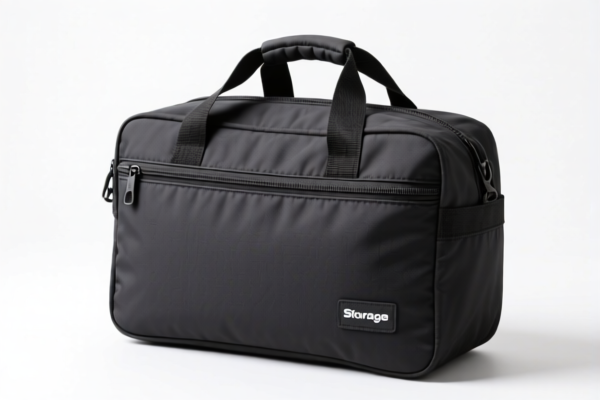
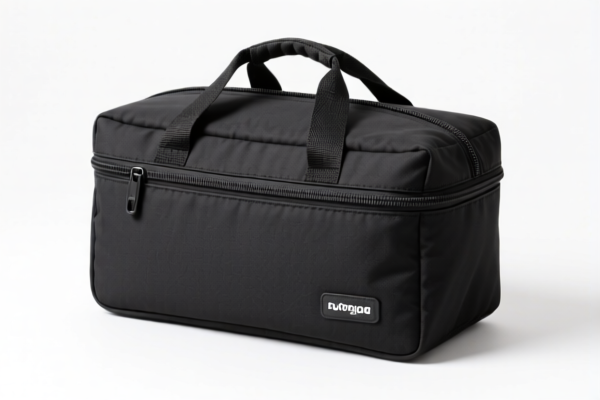
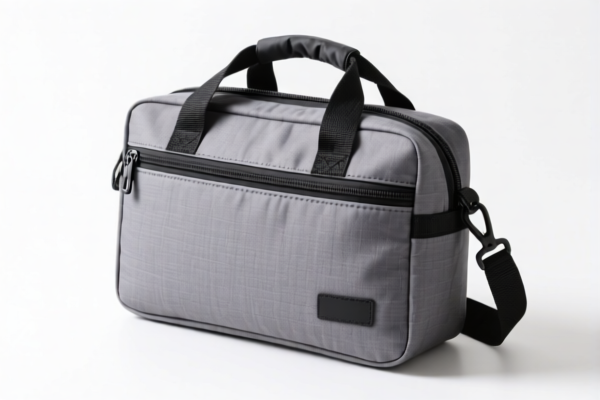
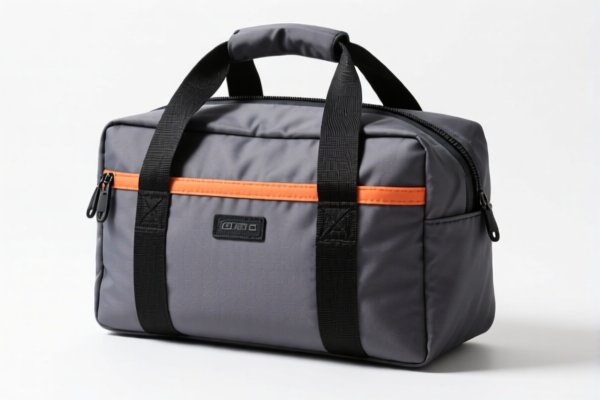
AI Analysis
💧 Portable Enema Bags: HS Code Classification & Tariff Strategy (2026 Edition)
🌐 HS Code Reference & Clearance Guide | Latest 2026 Tariff Analysis | Professional Customs Strategy
📌 Part 1: Product Definition & Classification – Do You Really Understand "Portable Enema Bags"?
Portable enema bags are medical or hygiene devices used for bowel cleansing, hydration, or therapeutic enemas. They typically consist of a fluid reservoir (bag), tubing, and a nozzle/connector. In international trade, their classification depends heavily on material composition and primary intended use:
- Plastic Reservoirs: Made of PVC, PE, or other synthetic polymers; classified under general plastic goods or specific medical plastic components.
- Rubber/Thermoplastic Elastomer (TPE) Bags: Made of sulfurized rubber or flexible synthetic materials; often classified under rubber articles for hygiene/medical use.
- Medical Tubing & Catheters: If the primary function is identified as tubing, drainage, or catheterization, it may fall under Chapter 90 (Medical Instruments).
⚠️ Key Distinction Point:
- If the bag is primarily a plastic container with no specific medical instrument design features → Chapter 39 (Plastics)
- If it is a rubber/TPE article designed for hygiene/medical contact → Chapter 40 (Rubber)
- If it is structurally similar to catheters or drainage tubes → Chapter 90 (Medical Instruments)
📦 Part 2: HS Code Classification Details (2026 Latest Tariff Book Alignment)
Based on the provided data, here are the five possible classifications for Portable Enema Bags:
| HS Code | Product Description | Material/Feature | Key Classification Logic |
|---|---|---|---|
3926.90.21.00 |
Portable Enema Bag, Plastic Material | Plastic | Specifically classified as portable enema bags made of plastic. |
3926.90.99.89 |
Portable Enema Bag, Other Plastic Goods | Plastic | Classified as other unlisted plastic articles (if not specifically captured in .21). |
9018.39.00.20 |
Portable Enema Bag, Tubing/Drainage Use | Rubber or Plastic | Classified as catheters, drainage tubes, and similar medical articles. |
4014.90.50.00 |
Portable Enema Bag, Hygiene/Medical Rubber | Sulfurized Rubber / Soft Synthetic | Classified as sanitary/medical articles made of sulfurized rubber or soft synthetic materials. |
4014.90.10.00 |
Portable Enema Bag, Rubber/Elastic Material | Sulfurized Rubber / Elastic | Classified as sanitary/medical enema equipment made of sulfurized rubber or elastic materials. |
🔍 Important Note:
- Material is King: The biggest risk is misidentifying the bag material. If it feels like rubber/TPE, Chapter 40 is more likely. If it feels like hard/semi-hard plastic, Chapter 39 is appropriate.
- Function vs. Form: Chapter 90 requires proving the item is "similar to catheters." Simple fluid bags may be rejected for Chapter 90 and pushed to Chapter 39/40.
💰 Part 3: 2026 Latest Tariff Rate Breakdown (Including Surtaxes & Policy Additions)
✅ Applicable Country: United States (US)
✅ Origin: China (CN)
✅ Effective Time: As per current IEEPA and USITC regulations
🎯 1. 3926.90.21.00 – Portable Enema Bag, Plastic (Specific)
| Item | Content |
|---|---|
| Base Tariff | 4.2% (ad valorem) |
| Section 301 Surtax | 7.5% |
| Section 122 Tariff | 10.0% |
| Total Effective Rate | 21.7% |
| Tax Calculation | CIF Value × 21.7% |
| De Minimis Eligibility | ❌ No (Subject to full duty assessment) |
| Legal Basis Path | USITC:3926.90.21.00 → Section 301 Footnote → Section 122 Add-on |
📌 Explanation:
- This is a specific subheading for portable enema bags made of plastic.
- It attracts all standard surcharges: Base + Section 301 + Section 122.
- Total Cost Impact: High. A $100 item incurs ~$21.70 in duties.
🎯 2. 3926.90.99.89 – Other Plastic Articles (General)
| Item | Content |
|---|---|
| Base Tariff | 5.3% (ad valorem) |
| Section 301 Surtax | 7.5% |
| Section 122 Tariff | 10.0% |
| Total Effective Rate | 22.8% |
| Tax Calculation | CIF Value × 22.8% |
| De Minimis Eligibility | ❌ No |
| Legal Basis Path | USITC:3926.90.99.89 → Section 301 Footnote → Section 122 Add-on |
📌 Explanation:
- This is a "basket" code for unlisted plastic goods.
- Higher base rate (5.3%) than the specific code (4.2%), leading to a higher total tax (22.8%).
- Risk: Using this code if the product fits3926.90.21.00may lead to customs audit for under-declaration or misclassification.
🎯 3. 9018.39.00.20 – Medical Tubing/Catheters (Plastic or Rubber)
| Item | Content |
|---|---|
| Base Tariff | 0.0% |
| Section 301 Surtax | 0.0% |
| Section 122 Tariff | 10.0% |
| Total Effective Rate | 10.0% |
| Tax Calculation | CIF Value × 10.0% |
| De Minimis Eligibility | ❌ No |
| Legal Basis Path | USITC:9018.39.00.20 → Section 122 Add-on Only |
📌 Explanation:
- Lowest Total Duty (10%) if classified here.
- Huge Savings: 11.7%–12.8% lower than plastic codes.
- Critical Condition: You must prove the bag is used as a drainage tube/catheter system. If customs views it as a simple "bag," this classification will be rejected. Requires strong technical documentation.
🎯 4. 4014.90.50.00 – Hygiene/Medical Rubber Articles
| Item | Content |
|---|---|
| Base Tariff | 4.2% (ad valorem) |
| Section 301 Surtax | 0.0% |
| Section 122 Tariff | 10.0% |
| Total Effective Rate | 14.2% |
| Tax Calculation | CIF Value × 14.2% |
| De Minimis Eligibility | ❌ No |
| Legal Basis Path | USITC:4014.90.50.00 → Section 122 Add-on |
📌 Explanation:
- Mid-Tier Option: Better than plastic codes, worse than Chapter 90.
- No Section 301 Surtax: This is a major advantage over Chapter 39 products.
- Material Requirement: Must be made of sulfurized rubber or soft synthetic materials. Not suitable for hard PVC bags.
🎯 5. 4014.90.10.00 – Rubber/Elastic Medical Enema Equipment
| Item | Content |
|---|---|
| Base Tariff | 0.0% |
| Section 301 Surtax | 0.0% |
| Section 122 Tariff | 10.0% |
| Total Effective Rate | 10.0% |
| Tax Calculation | CIF Value × 10.0% |
| De Minimis Eligibility | ❌ No |
| Legal Basis Path | USITC:4014.90.10.00 → Section 122 Add-on |
📌 Explanation:
- Best Option for Rubber Products: Same low rate as Chapter 90.
- Zero Base & Section 301 Duty: Only pays the 10% Section 122 tariff.
- Material Requirement: Must be clearly identified as sulfurized rubber or elastic material. Ideal for TPE or natural rubber enema bags.
🛠️ Part 4: Customs Clearance Practical Advice (Pitfall Avoidance Guide)
✅ 1. Essential Documentation Checklist (Mandatory)
| Document | Required | Purpose |
|---|---|---|
| ✅ Product Specification Sheet | ✔️ | Must explicitly state Material (e.g., "PVC," "TPE," "Sulfurized Rubber") and Intended Use (Medical/Enema). |
| ✅ Material Safety Data Sheet (MSDS) | ✔️ | Proves chemical composition. Critical for distinguishing between Plastic (Ch 39) and Rubber (Ch 40). |
| ✅ Product Photographs (Clear Label) | ✔️ | Shows nozzle type, bag transparency, tubing length. Helps confirm "catheter-like" structure for Ch 90. |
| ✅ Third-Party Test Report | ✔️ | FDA (if medical), CE, or ISO 13485 certification strengthens medical classification claims. |
| ✅ Commercial Invoice | ✔️ | Description must match HS Code logic: e.g., "Medical Enema Kit, TPE Material" vs. "Plastic Bag." |
| ✅ Packing List | ✔️ | Ensures no mixing of incompatible items in one shipment. |
✅ 2. Declaration Strategy (Key Mantras)
🔥 "Material Defines Chapter, Function Defines Subheading!"
| Scenario | Correct HS Code | Incorrect Code | Consequence |
|---|---|---|---|
| PVC Bag, Simple Design | 3926.90.21.00 |
4014.90.10.00 |
Misclassification penalty; potential 21.7% vs 10.0% overpayment. |
| TPE/Rubber Bag | 4014.90.10.00 |
3926.90.99.89 |
Save ~12.8% in duties. Wrong code leads to higher tax. |
| Kit with Tubing/Catheter Design | 9018.39.00.20 |
3926.90.21.00 |
Highest Savings: 10% vs 21.7%. Requires proof of medical tubing function. |
| Generic Plastic Container | 3926.90.99.89 |
9018.39.00.20 |
Customs rejects medical claim; back-charged with higher duties + interest. |
✅ 3. Special Case Handling
| Case | Handling Advice |
|---|---|
| Mixed Material Bag | If bag is rubber but tubing is plastic, consult a customs broker. Usually, the primary material of the reservoir dictates Chapter 40 or 39. |
| "Medical Device" Claim | To use 9018.39.00.20, provide FDA 510(k) clearance or equivalent. Without it, customs will default to Chapter 39/40. |
| OEM/Private Label | Ensure the label matches the declared material. Discrepancies between label ("PVC") and invoice ("Rubber") cause immediate holds. |
| Sample vs. Bulk | Samples may use De Minimis (if <$800), but commercial shipments of these goods are not eligible for De Minimis due to Section 122/301 surtaxes. |
🌍 Part 5: Global Market Comparison (2026 Outlook)
| Country/Region | Recommended HS Code | Tariff Rate | Certification | Notes |
|---|---|---|---|---|
| 🇺🇸 USA | 4014.90.10.00 (if Rubber) |
10.0% | FDA/CE | Best for rubber. Plastic attracts 21.7%+. |
| 🇺🇸 USA | 9018.39.00.20 (if Catheter) |
10.0% | FDA 510(k) | Lowest duty, but highest scrutiny. |
| 🇨🇳 China | 4014.90.10.00 |
Low (MFN) | N/A | No Section 301/122 surtaxes. |
| 🇪🇺 EU | 4014.90 or 9018 |
0-2.7% | CE/MDR | Generally lower duties, no punitive surtaxes. |
| 🇯🇵 Japan | 4014.90 |
3.5-8% | PMDA | Medical claims require PMDA approval. |
📌 Conclusion:
- USA is the most complex market due to Section 301 and Section 122.
- Chapter 40 (Rubber) and Chapter 90 (Medical) offer the best rates (10%) in the US.
- Chapter 39 (Plastic) is the most expensive (21.7-22.8%).
- Strategy: If your product allows, use TPE/Rubber materials and declare under 4014.90.10.00 to save significant costs. If it is a complex catheter system, pursue 9018.39.00.20.
📌 Part 6: Common Mistakes & Pitfalls (Lessons Learned)
❌ Mistake 1: Declaring a Plastic Bag as Rubber to save tax.
👉 Consequence: Customs inspection reveals PVC content. Fines, back-taxes, and seizure.
❌ Mistake 2: Using Chapter 90 for a simple fluid bag without medical tubing features.
👉 Consequence: Customs rejects "catheter" claim. Re-classifies to Ch 39/40 + penalties.
❌ Mistake 3: Ignoring Section 122.
👉 Consequence: Assuming 0% base duty means 0% total. Forgot the 10% add-on.
❌ Mistake 4: Mixing Plastic and Rubber components without clear declaration.
👉 Consequence: Customs picks the highest duty code for the entire shipment.
✅ Correct Approach:
"Portable Enema Kit, TPE (Thermoplastic Elastomer) Reservoir, Latex-Free Nozzle, Medical Grade, Model XYZ, FDA Registered Facility."
🎯 Part 7: Conclusion: Precision Saves Money!
🎯 Remember the Mantra:
🔹 "Rubber or Plastic? Check First!"
🔹 "Ch 90 is Best, Ch 40 is Good, Ch 39 is Costly!"
🔹 "10% vs 22%: Choose Material Wisely!"
📌 Pro Tip:
If you are exporting to the US, consider pre-clearance rulings for your specific product design. If the bag can be classified as rubber (Ch 40) or medical tubing (Ch 90), you save 11.7-12.8% in duties. For high-volume shipments, this is a significant margin.
📣 Action Item:
📞 Contact your customs broker BEFORE shipment.
📄 Provide Material Specs and Product Photos.
🚀 Optimize for 4014.90.10.00 or 9018.39.00.20 if possible.
✨ Smart Classification, Lower Duties, Faster Clearance!
💼 Every Percentage Point Counts in International Trade!
Customer Reviews
About HS Code Classification
The Harmonized System (HS) is an internationally standardized nomenclature developed by the World Customs Organization (WCO) to classify traded products. Over 200 countries use the HS system as the basis for customs tariffs, trade statistics, and import/export regulations.
Each HS code follows a hierarchical structure:
- Chapter (2 digits) — Broad category of goods (e.g., Chapter 84: Machinery and Mechanical Appliances)
- Heading (4 digits) — More specific grouping within the chapter
- Subheading (6 digits) — Internationally standardized breakdown, used by all WCO member countries
- National subdivisions (8-10 digits) — Country-specific extensions for further classification, such as US HTSUS 10-digit codes
Correct HS code classification is essential for smooth customs clearance, accurate duty payment, and compliance with trade regulations. Misclassification can lead to customs delays, overpayment of duties, or penalties.
When importing from CN to US, the applicable tariff rates may include:
- Most-Favored-Nation (MFN) rate — The standard duty rate applied to WTO members
- General rate — Applied to countries without trade agreements
- Trade remedy duties — Additional tariffs such as Section 301 (anti-dumping), Section 232 (national security), or countervailing duties
The information provided on this page is for reference purposes only. For official classification, please consult with your local customs authority or a licensed customs broker.