保护壳
CN → US| HS Code | Tariff Rate | Origin | Destination | Doc |
|---|---|---|---|---|
| 8517790000 | 67.5% | CN | US | Official Doc |
| 8517130000 | 10.0% | CN | US | Official Doc |
| 4202929400 | 52.6% | CN | US | Official Doc |
| 4202929700 | 52.6% | CN | US | Official Doc |
| 4202929400 | 52.6% | CN | US | Official Doc |
Product Images
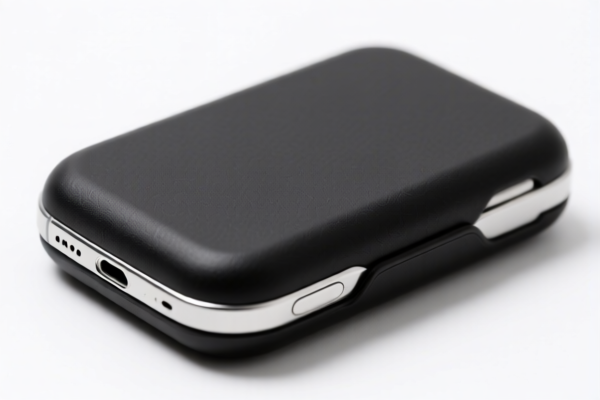
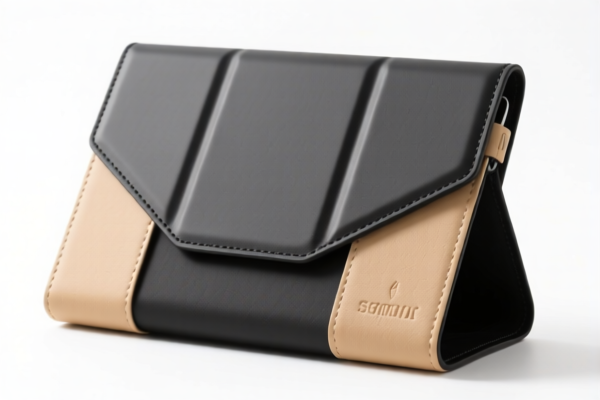
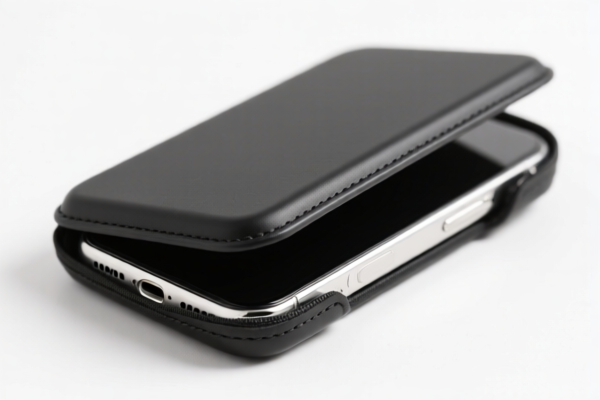
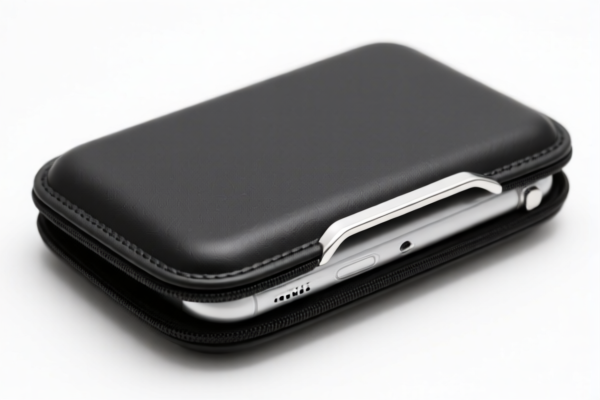
AI Analysis
📱 Phone & Tablet Cases (Protective Shells)
🌐 HS Code Reference & Customs Clearance Guide | 2026 Latest Tariff Analysis | Professional Entry Strategy
📌 Part 1: Product Definition & Classification: Do You Truly Understand "Protective Shells"?
Protective shells (cases/skins) are essential accessories in the global consumer electronics market. In international trade, their classification depends heavily on material composition, specific device compatibility, and physical form. They are generally split into two major categories:
1. Electronic Equipment Parts (Chapter 85): Cases specifically designed as parts of telecommunications apparatus (e.g., rigid plastic shells housing internal components or specific communication module casings).
2. General Accessories/Containers (Chapter 42): Cases for personal use, such as those for smartphones, tablets, or "cartoon" designs, typically made of leather substitutes, plastics, or textiles, functioning as containers or protective skins.
⚠️ Key Distinction Point:
- If the item is strictly a plastic shell that serves as a structural part of a telecommunications device (not just an accessory) → Often falls under 8517.79.00.00.
- If it is a skin/case for consumer devices (phones/tablets) made of plastic/textile → Often falls under 4202.92.94.00 / 4202.92.97.00.
- Note: The term "Cartoon" or "Character" design significantly influences classification towards Chapter 42 in many customs interpretations, even if made of plastic.
📦 Part 2: HS Code Classification Details (2026 Latest Tariff Authority Comparison)
| HS Code | Product Description | Scenario | Material/Form |
|---|---|---|---|
8517.79.00.00 |
Parts of telecommunications apparatus, not elsewhere specified (Plastic Protective Shell) | Communication device internal/structural plastic casing | ✅ Plastic |
8517.13.00.00 |
Other machines for reception, conversion and transmission or regeneration of voice, images or other data (Shell Component) | Shell-like component fitting the logic of accessory classification for telecom gear | ✅ Shell form |
4202.92.94.00 |
Cases, boxes and similar containers, with outer surface of plastics or textile materials (Cartoon/Tablet Case) | Cartoons, Tablets, Personal protective containers | ✅ Plastic/Textile |
4202.92.97.00 |
Cases, boxes and similar containers, with outer surface of plastics or textile materials (Cartoon Shell) | Cartoon designs, Shell form, inferred Plastic/Silicone | ✅ Plastic/Silicone |
🔍 Key Reminder:
- Telecom Parts vs. Consumer Accessories: If the case is marketed strictly as a "part" of a phone or network device and lacks general consumer retail packaging/features, it may lean towards 8517.
- Retail Consumer Goods: If it is a "Cartoon" case or a standard "Tablet Case" sold to end-users, Chapter 42 (4202) is the dominant classification, especially for items with decorative elements (cartoons).
💰 Part 3: 2026 Latest Tariff Rate Breakdown (Including Additional Duties & Policies)
✅ Applicable Country: United States (US)
✅ Origin: China (CN)
✅ Effective Time: Current 2026 Tariff Structure
🎯 1. 8517.79.00.00 —— Plastic Protective Shell (Telecom Equipment Part)
| Item | Content |
|---|---|
| Base Duty Rate | 0.0% (ad valorem) |
| Section 301 Additional Duty | +7.5% |
| Section 301 "122" Duty | +10% (Specific to this code in some interpretations or bundled) |
| Section 232 Duty (Steel/Aluminum/Copper) | +50% (Applicable if material composition triggers this, e.g., metal components or specific plastic formulations treated as industrial materials) |
| Total Tax Rate | 67.5% |
| Tax Calculation | CIF Value × 67.5% |
| De Minimis Eligibility | ❌ Not Eligible (High tax burden usually excludes low-value shipping) |
| Legal Basis Path | USITC:8517.79.00.00 → SECTION_301:7.5% → SECTION_301:10% → SECTION_232:50% |
📌 Explanation:
- This classification attracts the highest risk among the provided codes due to the potential 50% Section 232 tariff if the plastic/material is deemed to fall under industrial material restrictions or if the customs officer interprets the "plastic" as having metallic content or specific industrial properties.
- 67.5% is an extremely high effective duty rate.
🎯 2. 8517.13.00.00 —— Shell Component (Accessory Logic)
| Item | Content |
|---|---|
| Base Duty Rate | 0.0% |
| Section 301 Additional Duty | 0.0% |
| Section 301 "122" Duty | +10% |
| Section 232 Duty | N/A (Not applied in this specific breakdown provided) |
| Total Tax Rate | 10.0% |
| Tax Calculation | CIF Value × 10.0% |
| De Minimis Eligibility | ⚠️ Caution: While 10% is low, Section 301 rules are complex. However, based strictly on the provided data, it is the lowest cost option in Chapter 85. |
| Legal Basis Path | USITC:8517.13.00.00 → SECTION_301:10% |
📌 Note:
- This code appears to be a "narrower" interpretation within Chapter 85, potentially avoiding the broader 232 or higher 301 brackets.
- 10% is significantly cheaper than8517.79.00.00.
- Risk: Misclassification here could lead to severe penalties if the item is deemed a general accessory (Chapter 42) rather than a specific telecom machine part.
🎯 3. 4202.92.94.00 & 4202.92.97.00 —— Cartoon/Tablet Protective Shells
| Item | Content |
|---|---|
| Base Duty Rate | 17.6% |
| Section 301 Additional Duty | +25.0% |
| Section 301 "122" Duty | +10% |
| Section 232 Duty | N/A (Consumer goods exempt) |
| Total Tax Rate | 52.6% |
| Tax Calculation | CIF Value × 52.6% |
| De Minimis Eligibility | ❌ Not Eligible (Due to Section 301 and high total rate) |
| Legal Basis Path | USITC:4202.92.xxxx → SECTION_301:25% → SECTION_301:10% |
📌 Explanation:
- 52.6% is a heavy tax burden for consumer accessories.
- Base Rate 17.6%: Reflects the tariff for "Other articles of plastics/textiles" in Chapter 42.
- 25% Additional: Standard Section 301 tariff for many consumer goods.
- 10% "122": Specific add-on for these categories.
- Comparison: While lower than the 67.5% for8517.79, it is higher than the potential 10% for8517.13.00.00(if correctly classified).
🛠️ Part 4: Customs Clearance Practical Advice (Combat Pitfall Guide)
✅ 1. Documentation Checklist (Must-Haves)
| Document | Required | Explanation |
|---|---|---|
| ✅ Product Specifications | ✔️ | Material composition (Plastic type, Silicone, Textile blend), Dimensions |
| ✅ Product Photos (Labeled) | ✔️ | Show "Cartoon" designs, interior lining, and any branding |
| ✅ Intended Use Statement | ✔️ | Clearly state: "For protection of [Specific Device]" vs. "Structural part of Telecom Unit" |
| ✅ Commercial Invoice | ✔️ | Accurate description: Avoid vague terms like "Shell". Use "Plastic Case for iPhone 15" or "Telecom Device Part" |
| ✅ Packing List | ✔️ | Confirm if cases are sold individually or with devices |
✅ 2. Classification Strategy (Key Mnemonic)
🔥 "Consumer Accessory to 42, Telecom Part to 85, Cartoon Design to 42, Base 17.6, Total 52.6!"
| Scenario | Recommended HS Code | Why? |
|---|---|---|
| Generic Plastic Phone Case | 8517.79.00.00 OR 4202.92.94.00 |
Risk of 67.5% vs 52.6%. Check if "structural". |
| "Cartoon" or Decorative Case | 4202.92.94.00 / 4202.92.97.00 |
Decorative/Consumer nature pushes to Chapter 42. Tax: 52.6%. |
| Tablet Case (Plastic/Textile) | 4202.92.94.00 |
Standard consumer accessory. Tax: 52.6%. |
| Specific Telecom Machine Shell | 8517.13.00.00 |
If strictly a part of a larger machine and not a retail consumer case. Tax: 10.0%. |
⚠️ Critical Warning:
- Do NOT classify a retail "Cartoon Phone Case" as8517.13.00.00to save tax. Customs will likely reclassify it to 4202 and assess penalties.
- Do NOT assume all plastic shells are8517.79. If it is a consumer accessory, Chapter 42 is more appropriate, but expect the 52.6% rate.
✅ 3. Special Cases Handling
| Situation | Handling Advice |
|---|---|
| Silicone Cases | If classified as plastics, 4202.92.97.00 applies. Ensure material is not misidentified as "Leather substitute" (different subheadings). |
| Hybrid Cases (Plastic + Textile) | 4202.92.94.00 explicitly covers "Outer surface of plastics or textile materials". This is a safe bet for mixed materials. |
| Cases Sold with Devices | If sold with the phone/tablet, the case may be included in the device's value. The primary device HS code applies. |
| OEM Custom Shells | Provide B2B contracts showing these are parts for larger industrial telecom equipment to argue for 8517.79 or 8517.13. |
🌍 Part 5: Global Market Comparison (2026 Overview)
| Market | Recommended HS Code | Estimated Duty (China Origin) | Notes |
|---|---|---|---|
| 🇺🇸 USA | 4202.92.94.00 / 8517.79.00.00 |
52.6% (Consumer) / 67.5% (Telecom Part) | High Section 301 and 232 impacts. |
| 🇺🇸 USA | 8517.13.00.00 |
10.0% | Only if strictly a telecom machine part. |
| 🇪🇺 EU | 4202.92.94.00 |
~2.5% - 4.5% | No Section 301. Much lower duty than US. |
| 🇨🇳 China | 4202.92.94.00 |
~10% - 15% | Standard import duty + VAT. |
📌 Conclusion:
- The US market is the most challenging due to Section 301/232 tariffs.
- Chapter 42 (4202) is the most common classification for consumer cases but carries a 52.6% effective duty.
- Chapter 85 (8517) offers a potential 10% rate for8517.13.00.00but carries a high risk of reclassification and a 67.5% rate for8517.79.00.00.
📌 Part 6: Common Errors & Pitfalls (Lessons Learned)
❌ Error 1: Classifying a "Cartoon Phone Case" as 8517.13.00.00 to get 10% duty.
👉 Consequence: Customs rejects, reclassifies to 4202.92.94.00, charges 52.6%, plus penalties and back duties.
❌ Error 2: Ignoring the "Material" aspect for 8517.79.00.00.
👉 Consequence: If the plastic contains metals or is deemed an industrial material, the 50% Section 232 duty kicks in, leading to 67.5% total.
❌ Error 3: Using vague descriptions like "Case" on the Invoice.
👉 Consequence: CBP (Customs and Border Protection) will assign their own HS code, likely the highest duty one (8517.79 or 4202 at high rate).
✅ Correct Approach:
- For Consumer Cases: Declare as "Protective Case for Smartphones, Plastic/Textile, Cartoon Design, HS 4202.92.94.00". Accept the 52.6% duty as cost of doing business in the US.
- For Industrial/Telecom Parts: Provide technical drawings proving it is a part of a machine to argue for
8517.13.00.00(10%) or8517.79.00.00(67.5% - risky).
🎯 Part 7: Conclusion: Precision in Classification, Savings in Costs!
🎯 Remember the Mnemonic:
🔹 "Cartoon/Consumer to 42 (52.6%), Telecom Part to 85 (10-67.5%), Material Matters, Avoid the 50% Trap!"
🔹 "If it's for you, it's 42. If it's for the machine, it's 85. Think twice before saving 42.5%!"
📌 Pro Tip:
- If the duty rate of 52.6% is prohibitive, consider supply chain diversification to Vietnam or Mexico for final assembly, potentially qualifying for IEEPA/Section 301 exemptions or lower base rates.
- Always request a Binding Ruling (Pre-classification) from US CBP if the shipment value is significant, to mitigate the risk of a 67.5% or 52.6% surprise.
📣 Immediate Action:
📞 Consult a Licensed Customs Broker
📄 Submit Product Samples/Photos for Pre-Ruling
🚀 Ensure Accurate HS Codes to Avoid Seizure or Retroactive Duties!
✨ Professional Clearance Starts with Accurate Classification!
💼 Every Percentage Point of Duty Affects Your Bottom Line!
Customer Reviews
About HS Code Classification
The Harmonized System (HS) is an internationally standardized nomenclature developed by the World Customs Organization (WCO) to classify traded products. Over 200 countries use the HS system as the basis for customs tariffs, trade statistics, and import/export regulations.
Each HS code follows a hierarchical structure:
- Chapter (2 digits) — Broad category of goods (e.g., Chapter 84: Machinery and Mechanical Appliances)
- Heading (4 digits) — More specific grouping within the chapter
- Subheading (6 digits) — Internationally standardized breakdown, used by all WCO member countries
- National subdivisions (8-10 digits) — Country-specific extensions for further classification, such as US HTSUS 10-digit codes
Correct HS code classification is essential for smooth customs clearance, accurate duty payment, and compliance with trade regulations. Misclassification can lead to customs delays, overpayment of duties, or penalties.
When importing from CN to US, the applicable tariff rates may include:
- Most-Favored-Nation (MFN) rate — The standard duty rate applied to WTO members
- General rate — Applied to countries without trade agreements
- Trade remedy duties — Additional tariffs such as Section 301 (anti-dumping), Section 232 (national security), or countervailing duties
The information provided on this page is for reference purposes only. For official classification, please consult with your local customs authority or a licensed customs broker.