保护支架
CN → US| HS Code | Tariff Rate | Origin | Destination | Doc |
|---|---|---|---|---|
| 7326908630 | 87.9% | CN | US | Official Doc |
| 3926305000 | 22.8% | CN | US | Official Doc |
| 7326908688 | 87.9% | CN | US | Official Doc |
| 8529908300 | 35.0% | CN | US | Official Doc |
| 8529909800 | 35.0% | CN | US | Official Doc |
Product Images
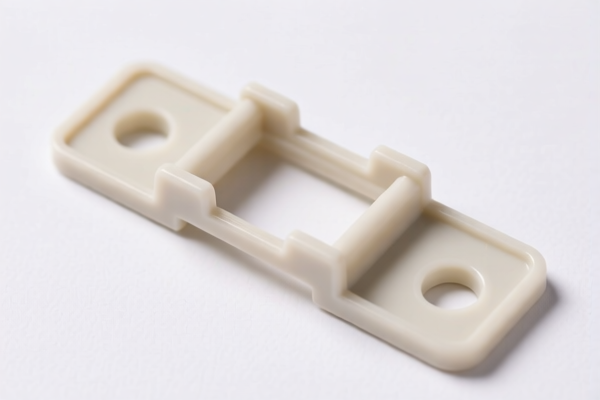
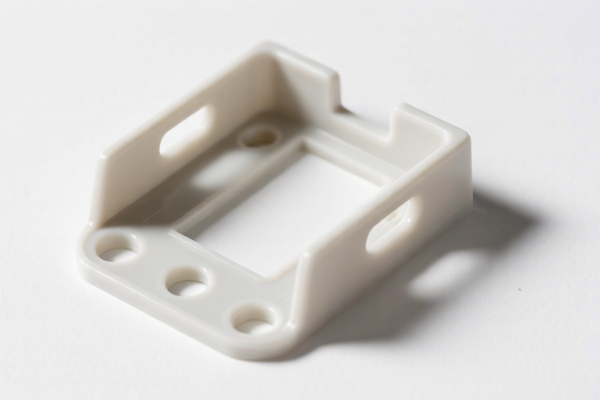
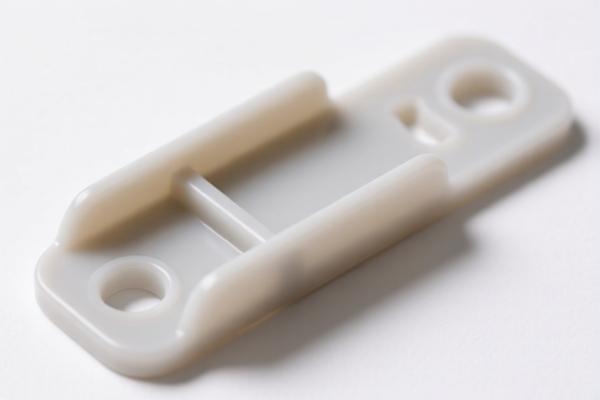
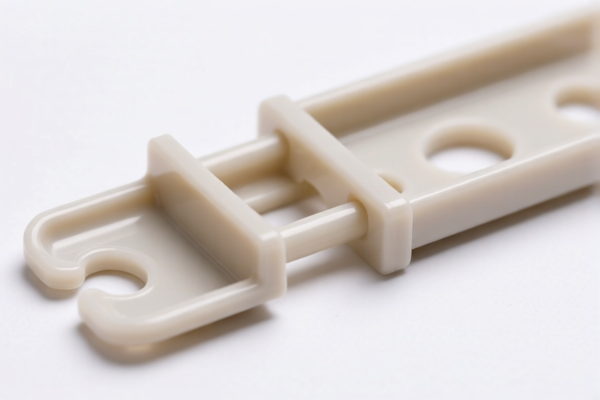
AI Analysis
🛡️ Protective/Fixed Brackets (Fixed Supports)
🌐 HS Code Reference & Customs Clearance Guide | 2026 Latest Tariff Analysis | Professional Clearance Strategy
📌 Part 1: Product Definition & Classification: What Exactly is a "Fixed Bracket"?
In international trade, the term "Protective Bracket" or "Fixed Support" is a generic description that lacks specific technical precision. Customs authorities require clear identification of the material, specific function, and end-use device to determine the correct Harmonized System (HS) Code. Misclassification here leads to massive tariff discrepancies (ranging from 22.8% to 87.9%).
We categorize these brackets into three primary streams based on the <DATA> provided:
1. Metal Structural Components (Steel/Iron/Aluminum): Heavy-duty, industrial, or mounting structures.
2. Plastic Connectors/Insulators: Light-duty, electronic, or insulating purposes.
3. Electronic Apparatus Parts: Specifically designed as accessories for TVs, computers, or other electronic devices.
⚠️ Critical Distinction Point:
- If the bracket is metal and used for general industrial construction or heavy machinery → Chapter 73.
- If the bracket is plastic and used for connecting or insulating parts → Chapter 39.
- If the bracket is explicitly a part of a TV or Electronic Device → Chapter 85.
📦 Part 2: HS Code Classification Details (2026 Latest Tariff Alignment)
Based on the provided data, here are the specific HS Codes, their inferred materials, and tax implications.
| HS Code | Inferred Material & Purpose | Tax Rate (Total) | Key Tariff Components |
|---|---|---|---|
7326.90.86.30 |
Metal (Steel/Aluminum). Fixed support for specific form/function. | 87.9% | Base: 2.9% + Section 301: 25% + Section 232: 50% |
3926.30.50.00 |
Plastic. Fixing/connector component. | 22.8% | Base: 5.3% + Section 301: 7.5% + Other: 10% |
7326.90.86.88 |
Iron/Steel. General spare parts/accessories. | 87.9% | Base: 2.9% + Section 301: 25% + Section 232: 50% |
8529.90.83.00 |
Electronic Part. Specifically for TV apparatus. | 35.0% | Base: 0.0% + Section 301: 25% + Other: 10% |
8529.90.98.00 |
Electronic Part. General equipment parts. | 35.0% | Base: 0.0% + Section 301: 25% + Other: 10% |
🔍 Key Insight:
- Metal brackets attract the highest penalties (87.9%) due to the叠加 (stacking) of Section 232 (Steel/Aluminum) and Section 301 tariffs.
- Plastic brackets offer the lowest cost (22.8%) but must strictly be plastic connectors/insulators.
- TV/Electronic brackets fall into a middle tier (35.0%) with 0% base duty, heavily driven by Section 301.
💰 Part 3: Detailed 2026 Tariff Breakdown & Legal Basis
✅ Applicable Jurisdiction: United States (US)
✅ Origin: China (CN) (Implied by the specific "Section 232" and high "Section 301" rates in the data)
🎯 1. 7326.90.86.30 & 7326.90.86.88 —— Metal Fixed Brackets (Steel/Iron/Aluminum)
| Item | Detail |
|---|---|
| Base Duty | 2.9% (Ad valorem) |
| Section 301 Tariff | +25.0% (Trade Act of 1974, Section 301) |
| Section 232 Tariff | +50.0% (International Emergency Economic Powers Act - Steel/Aluminum) |
| Other Surcharges | Includes additional 10% levy mentioned in data (likely specific anti-dumping or other statutory fees) |
| Total Effective Rate | 87.9% |
| De Minimis Exemption | ❌ Denied (High tariffs usually bypass de minimis or make it economically irrelevant) |
| Legal Path | Section 232 → Section 301 → USITC:7326.90.86.xx |
📌 Explanation:
- The 50% Section 232 tariff is the killer here. It applies to steel and aluminum products imported under specific HTS codes.
- Combined with the standard 25% Section 301 tariff, metal brackets from China face near-prohibitive taxes.
- Advice: Avoid importing metal structural brackets from China if possible; consider sourcing from non-Section 232 affected countries or reclassifying if legally permissible.
🎯 2. 3926.30.50.00 —— Plastic Fixing/Connector Components
| Item | Detail |
|---|---|
| Base Duty | 5.3% |
| Section 301 Tariff | +7.5% (Note: Lower than standard 301 for some plastics) |
| Additional Levy | +10% (As per data summary) |
| Total Effective Rate | 22.8% |
| De Minimis Exemption | ❌ Denied |
| Legal Path | Section 301 → USITC:3926.30.50.00 |
📌 Explanation:
- This is the most cost-effective option among the choices.
- Crucial Condition: The bracket must be plastic and used for fixing/connecting (e.g., plastic cable ties, insulating mounts, plastic brackets for electronic casings).
- If this plastic bracket is actually part of a TV, it might be reclassified under Chapter 85, changing the tax.
🎯 3. 8529.90.83.00 & 8529.90.98.00 —— Parts for TV or Electronic Apparatus
| Item | Detail |
|---|---|
| Base Duty | 0.0% |
| Section 301 Tariff | +25.0% |
| Additional Levy | +10% (As per data summary) |
| Total Effective Rate | 35.0% |
| De Minimis Exemption | ❌ Denied |
| Legal Path | Section 301 → USITC:8529.90.xx.xx |
📌 Explanation:
- 0% Base Duty makes this attractive, but the 25% Section 301 tariff significantly increases the cost.
- Strict Usage Limitation:
-8529.90.83.00is for TV Apparatus parts.
-8529.90.98.00is for Other Electronic Equipment parts.
- If the bracket is used to mount a TV screen or hold internal TV components, this is the correct code. Do not use this for structural building brackets.
🛠️ Part 4: Customs Clearance Practical Advice (Avoid Pitfalls)
✅ 1. Documentation Checklist (Mandatory)
| Document | Required? | Purpose |
|---|---|---|
| Product Specification Sheet | ✔️ | Must explicitly state: Material (Plastic/Metal), Function (Mounting/Connecting), End-Use (TV/Industrial). |
| Material Declaration | ✔️ | Proof of composition (e.g., "100% Polycarbonate" vs. "Mild Steel"). Critical for Chapter 39 vs. Chapter 73. |
| Photographs | ✔️ | Clear images showing how the bracket attaches. Does it look like a construction beam or an electronic mount? |
| Commercial Invoice | ✔️ | Description must match the HS Code exactly (e.g., "Plastic Bracket for TV Mounting"). |
| End-User Certificate | ✔️ | If claiming Chapter 85, prove it is used in electronic apparatus. |
✅ 2. Classification Strategy & "Trap" Avoidance
| Scenario | Correct Approach | Wrong Approach (Risk) |
|---|---|---|
| Metal Bracket for Wall Mounting | Use 7326.90.86.30 or 88 |
❌ Try to classify as "Electronic Part" → Fraud/Seizure |
| Plastic Clip for Cable Management | Use 3926.30.50.00 |
❌ Classify as "Metal" → Pay 87.9% unnecessarily |
| Bracket for a Flat-Screen TV | Use 8529.90.83.00 |
❌ Classify as "General Metal Part" → Higher tax than necessary |
| Mixed Package (Metal Bracket + Plastic Screw) | Declare Separately | ❌ Bundle them → Risk of misclassification on the whole lot |
✅ 3. Cost Optimization Tips
- Material Switching: If the design allows, consider if a plastic composite bracket can replace a steel one without compromising safety. The tax difference is 65% (87.9% vs 22.8%).
- Specific End-Use: If the bracket is for a TV, ensure your commercial invoice clearly states "Part for Television Set" to utilize the 0% Base Duty under
8529.90.83.00. - Section 232 Exclusion: Check if your specific steel alloy qualifies for any exclusions from the 50% Section 232 tariff. If not, avoid metal imports from China for structural uses.
🌍 Part 5: Global Market Comparison (2026 Snapshot)
| Market | Recommended HS Code | Est. Total Tax (China Origin) | Key Requirement |
|---|---|---|---|
| 🇺🇸 USA | Varies (See Table Above) | 22.8% - 87.9% | Strict Section 232/301 enforcement. |
| 🇪🇺 EU | Typically 8302 / 3926 | Low (0-6%) | No Section 232/301 equivalents. CE Marking required for electronics. |
| 🇨🇳 China (Import) | Varies | Low (0-10%) | CCC Certification for electronic parts. |
| 🇯🇵 Japan | Typically 8302 | Low (0-3%) | PSE Marking for electronic components. |
📌 Conclusion:
The US market is exceptionally punitive for these items due to trade war policies.
- Plastic brackets are the safest bet for cost control.
- Metal brackets are high-risk/high-cost.
- Electronic parts offer a middle ground if the end-use is clearly defined.
📌 Part 6: Common Mistakes & Red Flags (Lessons Learned)
❌ Mistake 1: Calling a steel TV mount a "General Hardware Part" to avoid Section 232.
👉 Consequence: Customs audit reveals it's steel → 50% penalty + Back Taxes.
❌ Mistake 2: Using HS 8529 for a bracket that is NOT part of an electronic device.
👉 Consequence: Misclassification → Seizure or heavy fines. Electronic parts must be specifically designed for electronic apparatus.
❌ Mistake 3: Ignoring the "10% Additional Levy" mentioned in the data.
👉 Consequence: Under-budgeting. Always calculate Total Tax (Base + Section 301 + Other), not just the Base Rate.
✅ Best Practice:
Describe Precisely: "Fixed Support Bracket, Made of [Material], Used for [Specific Equipment], Model [XYZ]."
Verify Material: Ensure the material declared matches the physical sample and HS Code requirements.
🎯 Part 7: Final Summary & Action Plan
🎯 Key Takeaway:
🔹 Metal = Expensive (87.9%) due to Steel/Aluminum tariffs.
🔹 Plastic = Cheapest (22.8%) if used for connectors/insulation.
🔹 TV Parts = Mid-Range (35.0%) with 0% base duty but 25% surcharge.
📌 Recommendation:
1. Audit Your Product: Is it Metal, Plastic, or Electronic?
2. Select HS Code:
- Metal → 7326.90.86.xx (Prepare for 87.9% tax).
- Plastic → 3926.30.50.00 (Target 22.8%).
- TV Part → 8529.90.83.00 (Target 35%).
3. Documentation: Ensure your invoice and specs explicitly support your chosen classification.
4. Consult a Broker: For metal brackets, consult a customs broker to see if any Section 232 exclusions apply.
📣 Immediate Action:
📞 Do not ship until HS Code is confirmed based on Material and End-Use.
🚀 Optimize Supply Chain: If possible, source plastic alternatives or non-Chinese origins for metal brackets to avoid Section 232/301 tariffs.
✨ Professional Clearance, Precise Classification!
💼 Every 1% in Tax is 1% in Profit. Classify Correctly.
Customer Reviews
About HS Code Classification
The Harmonized System (HS) is an internationally standardized nomenclature developed by the World Customs Organization (WCO) to classify traded products. Over 200 countries use the HS system as the basis for customs tariffs, trade statistics, and import/export regulations.
Each HS code follows a hierarchical structure:
- Chapter (2 digits) — Broad category of goods (e.g., Chapter 84: Machinery and Mechanical Appliances)
- Heading (4 digits) — More specific grouping within the chapter
- Subheading (6 digits) — Internationally standardized breakdown, used by all WCO member countries
- National subdivisions (8-10 digits) — Country-specific extensions for further classification, such as US HTSUS 10-digit codes
Correct HS code classification is essential for smooth customs clearance, accurate duty payment, and compliance with trade regulations. Misclassification can lead to customs delays, overpayment of duties, or penalties.
When importing from CN to US, the applicable tariff rates may include:
- Most-Favored-Nation (MFN) rate — The standard duty rate applied to WTO members
- General rate — Applied to countries without trade agreements
- Trade remedy duties — Additional tariffs such as Section 301 (anti-dumping), Section 232 (national security), or countervailing duties
The information provided on this page is for reference purposes only. For official classification, please consult with your local customs authority or a licensed customs broker.