保暖骑行面罩
CN → US| HS Code | Tariff Rate | Origin | Destination | Doc |
|---|---|---|---|---|
| 6217108500 | 24.6% | CN | US | Official Doc |
| 3926909989 | 22.8% | CN | US | Official Doc |
| 6217109550 | 32.1% | CN | US | Official Doc |
| 3926909950 | 22.8% | CN | US | Official Doc |
| 6217108500 | 24.6% | CN | US | Official Doc |
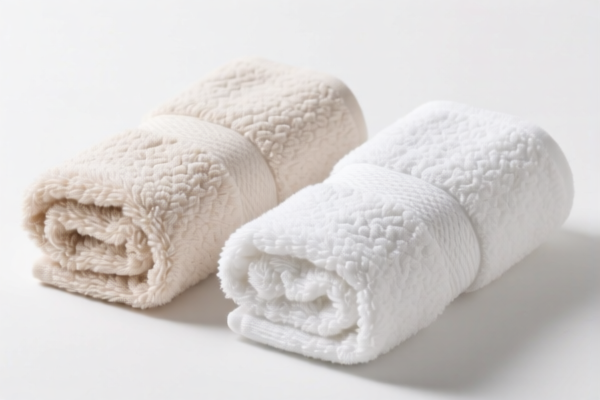
Product Images



AI Analysis
🛵 Thermal Cycling Face Mask
🌐 HS Code Classification & Customs Clearance Guide | 2026 Updated Tariff Analysis | Pro-Level Import Strategy
📌 One, Product Definition & Classification: What Exactly Is a Thermal Cycling Face Mask?
A thermal cycling face mask is a specialized facial protection accessory designed for cyclists, motorcyclists, and outdoor enthusiasts to protect against cold, wind, and environmental elements while maintaining breathability and comfort. It is typically worn over the mouth and nose, often extending to cover the chin or lower face.
In international trade, such products are classified not as medical devices, but as textile or synthetic fiber garments or plastic/functional accessories, depending on material composition and design.
⚠️ Key Classification Trigger Points: - Made from knitted fabric, polyester, nylon, or synthetic blends → Textile garment accessory - Made from plastic, PVC, TPE, or synthetic resin → Plastic制品 (Plastic Article) - Used for sports, cycling, or outdoor protection → Not medical or safety equipment
📦 Two, HS Code Classification Details (2026 Latest Tariff Authority Match)
| HS Code | Product Description | Material Type | Usage Context | Tax Rate |
|---|---|---|---|---|
6217.10.85.00 |
Other garments, accessories (face coverings), textile or synthetic fiber | Textile / Synthetic Fiber | General cycling face masks, thermal protection, windproof | 24.6% |
3926.90.99.89 |
Other plastic articles, not specified elsewhere | Plastic / Synthetic Fiber | Non-textile, molded face shields, rigid or semi-rigid plastic masks | 22.8% |
3926.90.99.50 |
Other plastic articles, medical or general use | Plastic / Synthetic Fiber | Medical-grade or multi-use plastic face covers | 22.8% |
6217.10.95.50 |
Other garments, accessories (face masks), textile or synthetic fiber | Textile / Synthetic Fiber | High-end, thermal, windproof cycling face masks | 32.1% |
🔍 Critical Insight:
- Textile-based masks (soft, stretchy, breathable) → 6217.10.85.00 or 6217.10.95.50
- Rigid or molded plastic masks (e.g., with visor, hard shell) → 3926.90.99.89 or 3926.90.99.50
💰 Three, 2026 Latest Tariff Breakdown (Including附加 Taxes & Legal Triggers)
✅ Applicable Country: United States (US)
✅ Origin: China (CN)
✅ Effective Date: November 10, 2025 (and onward)
🎯 1. 6217.10.85.00 — Thermal Face Mask (Textile/Synthetic Fiber)
| Item | Detail |
|---|---|
| Base Duty | 14.6% (ad valorem) |
| Additional Tariff (Section 301) | 0.0% |
| Section 122 Tariff (China-Related) | 10.0% |
| Total Effective Rate | 24.6% |
| Tax Calculation | CIF Value × 24.6% |
| De Minimis Exemption | ❌ Not applicable (denied under U.S. law) |
| Legal Basis Path | USITC:6217.10.85.00 → Section 122:9903.01.25 → Base Duty:14.6% |
📌 Explanation:
- This code applies to soft, flexible, fabric-based face masks used in cycling, hiking, or winter sports.
- No Section 301 (USITC) tariff applies here — only Section 122 (China-related) at 10%.
- Base duty is 14.6%, which is standard for textile accessories.
🎯 2. 3926.90.99.89 — Plastic Face Cover (Non-Medical, General Use)
| Item | Detail |
|---|---|
| Base Duty | 5.3% |
| Additional Tariff (Section 301) | 7.5% |
| Section 122 Tariff (China-Related) | 10.0% |
| Total Effective Rate | 22.8% |
| Tax Calculation | CIF Value × 22.8% |
| De Minimis Exemption | ❌ Not applicable |
| Legal Basis Path | USITC:3926.90.99.89 → Section 301:9903.01.24 → Section 122:9903.01.25 |
📌 Explanation:
- Applies to molded plastic face shields, rigid visor masks, or semi-rigid synthetic fiber masks.
- Section 301 (USITC) adds 7.5% due to China’s unfair trade practices.
- Section 122 adds 10% as a China-specific trade measure.
- Total: 22.8% — slightly lower than textile masks due to lower base duty.
🎯 3. 3926.90.99.50 — Plastic Article (Medical or General Use)
| Item | Detail |
|---|---|
| Base Duty | 5.3% |
| Additional Tariff (Section 301) | 7.5% |
| Section 122 Tariff (China-Related) | 10.0% |
| Total Effective Rate | 22.8% |
| Tax Calculation | CIF Value × 22.8% |
| De Minimis Exemption | ❌ Not applicable |
| Legal Basis Path | USITC:3926.90.99.50 → Section 301:9903.01.24 → Section 122:9903.01.25 |
📌 Explanation:
- Applies to plastic face masks that are not purely protective, but multi-functional (e.g., for sports, medical use, or general protection).
- Same tax structure as 3926.90.99.89, but different use context.
- Do not confuse with medical devices — if not FDA-approved, it falls under general plastic articles.
🎯 4. 6217.10.95.50 — High-End Thermal Face Mask (Textile/Synthetic Fiber)
| Item | Detail |
|---|---|
| Base Duty | 14.6% |
| Additional Tariff (Section 301) | 7.5% |
| Section 122 Tariff (China-Related) | 10.0% |
| Total Effective Rate | 32.1% |
| Tax Calculation | CIF Value × 32.1% |
| De Minimis Exemption | ❌ Not applicable |
| Legal Basis Path | USITC:6217.10.95.50 → Section 301:9903.01.24 → Section 122:9903.01.25 |
📌 Explanation:
- This is the highest tax rate among all codes — 32.1%.
- Applies to premium, high-performance, thermal cycling face masks with advanced features (e.g., windproof, moisture-wicking, anti-fog, multi-layer fabric).
- Section 301 (7.5%) applies due to China’s technology transfer practices.
- Section 122 (10%) applies as a China-specific trade measure.
- Base duty (14.6%) is standard, but combined with 301 + 122, it becomes extremely high.
🛠️ Four, Customs Clearance Best Practices (Pro Tips to Avoid Penalties)
✅ 1. Required Documentation (Must-Have Checklist)
| Document | Required? | Notes |
|---|---|---|
| ✅ Product Specification Sheet | ✔️ | Include material (e.g., polyester, nylon), weight, thickness, breathability |
| ✅ Material Test Report | ✔️ | Confirm textile vs. plastic composition (e.g., FTIR, SEM) |
| ✅ Product Photos (Front, Back, Close-up) | ✔️ | Show stitching, seams, zippers, or molded parts |
| ✅ Commercial Invoice | ✔️ | Clearly state: "Thermal Cycling Face Mask, Textile/Synthetic Fiber" |
| ✅ Certificate of Origin (CO) | ✔️ | If from Vietnam, Mexico, or Thailand, may qualify for lower tariffs |
| ✅ Packing List | ✔️ | Show quantity, weight, and packaging details |
| ✅ Third-Party Certification (if applicable) | ✔️ | CE, RoHS, REACH, or ASTM (for performance) |
✅ 2.申报技巧 (Key Rules of Thumb)
🔥 "Material First, Use Second — Textile vs. Plastic Decides Everything!"
| Scenario | Correct HS Code | Wrong Approach |
|---|---|---|
| Soft, stretchy, fabric-based mask | 6217.10.85.00 or 6217.10.95.50 |
Misreport as plastic → 22.8% vs. 32.1% |
| Rigid, molded plastic face shield | 3926.90.99.89 or 3926.90.99.50 |
Misreport as textile → 24.6% vs. 32.1% |
| Mask with integrated visor or hard shell | 3926.90.99.89 |
Never use 6217.10.95.50 |
| High-end, multi-layer thermal mask | 6217.10.95.50 |
Never use 3926.90.99.50 |
✅ 3. Special Cases & Solutions
| Situation | Recommended Action |
|---|---|
| Mask with both fabric and plastic parts | Declare based on dominant material (by weight or function) |
| Mask labeled "medical" but not FDA-approved | Do NOT use medical codes → Use 3926.90.99.50 or 6217.10.85.00 |
| Importing from Vietnam/Mexico | Apply for CO → May qualify for 0% or lower tariffs under trade agreements |
| Custom-designed mask with unique features | Apply for Advance Ruling (Pre-Clearance) to lock in HS Code & tariff |
🌍 Five, Global Market Comparison (2026 Latest)
| Country | Recommended HS Code | Tariff | Certification | Notes |
|---|---|---|---|---|
| 🇺🇸 United States | 6217.10.95.50 |
32.1% (China) | FCC, ASTM, RoHS | Highest tax |
| 🇨🇳 China | 6217.10.95.50 |
5% | CCC, RoHS | No extra tariffs |
| 🇪🇺 European Union | 6217.10.95.50 |
0% (if CE) | CE, REACH | No 301/122 |
| 🇦🇺 Australia | 6217.10.95.50 |
5% | RCM | No extra tariffs |
| 🇯🇵 Japan | 6217.10.95.50 |
0% | PSE | No extra tariffs |
📌 Takeaway:
- The U.S. is the only market with 301 + 122 tariffs on Chinese imports.
- China-origin products face the highest effective tax — 32.1% for premium masks.
📌 Six, Common Mistakes & Pitfalls (Learn from Others’ Errors)
❌ Mistake 1: Labeling a plastic face shield as a textile mask
👉 Result: Underpaid duties → Audits, penalties, back taxes
❌ Mistake 2: Using 6217.10.95.50 for a rigid plastic mask
👉 Result: Wrong code → 32.1% vs. 22.8% → Overpaying
❌ Mistake 3: Not declaring material composition clearly
👉 Result: Customs delays, random inspections, or rejection
❌ Mistake 4: Assuming all face masks are "medical"
👉 Result: Wrong classification, potential FDA compliance issues
✅ Correct Way to Declare:
“Thermal Cycling Face Mask, 100% Polyester, Windproof, Breathable, Multi-Layer, Designed for Winter Sports, Model XYZ, ASTM F2100 Compliant (if applicable)”
🎯 Seven, Final Verdict: Precision Pays Off
🎯 Remember the Golden Rule:
🔹 "Material Dictates Code, Code Dictates Tax — One Mistake = 10%+ Extra Cost!"
🔹 "Textile = 24.6%–32.1%, Plastic = 22.8% — Know Your Material!"
📌 Pro Tip:
If your thermal cycling face mask is made in Vietnam, Mexico, or Thailand, you can apply for a Certificate of Origin and avoid Section 301 and 122 tariffs — total tax may drop to 5%–10%.
🚀 Action Step:
📞 Contact a U.S. Customs Broker + Submit Product Photos + Request HS Code Pre-Ruling
💼 Lock in your code, avoid surprises, and save thousands on each shipment!
📣 Your Product. Your Tax. Your Control.
✨ Smart Classification = Smooth Clearance = Profit Protection!
💼 Don’t let a wrong HS Code sink your margins.
Customer Reviews
About HS Code Classification
The Harmonized System (HS) is an internationally standardized nomenclature developed by the World Customs Organization (WCO) to classify traded products. Over 200 countries use the HS system as the basis for customs tariffs, trade statistics, and import/export regulations.
Each HS code follows a hierarchical structure:
- Chapter (2 digits) — Broad category of goods (e.g., Chapter 84: Machinery and Mechanical Appliances)
- Heading (4 digits) — More specific grouping within the chapter
- Subheading (6 digits) — Internationally standardized breakdown, used by all WCO member countries
- National subdivisions (8-10 digits) — Country-specific extensions for further classification, such as US HTSUS 10-digit codes
Correct HS code classification is essential for smooth customs clearance, accurate duty payment, and compliance with trade regulations. Misclassification can lead to customs delays, overpayment of duties, or penalties.
When importing from CN to US, the applicable tariff rates may include:
- Most-Favored-Nation (MFN) rate — The standard duty rate applied to WTO members
- General rate — Applied to countries without trade agreements
- Trade remedy duties — Additional tariffs such as Section 301 (anti-dumping), Section 232 (national security), or countervailing duties
The information provided on this page is for reference purposes only. For official classification, please consult with your local customs authority or a licensed customs broker.