保险杠块
CN → US| HS Code | Tariff Rate | Origin | Destination | Doc |
|---|---|---|---|---|
| 8708106010 | 87.5% | CN | US | Official Doc |
| 7326190080 | 87.9% | CN | US | Official Doc |
| 7326908688 | 87.9% | CN | US | Official Doc |
| 8708106050 | 87.5% | CN | US | Official Doc |
| 3926305000 | 22.8% | CN | US | Official Doc |
Product Images
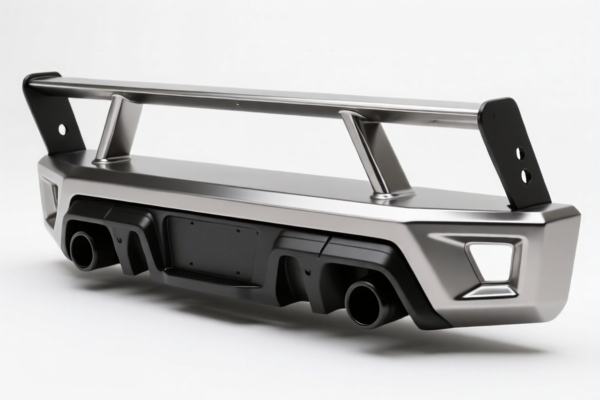
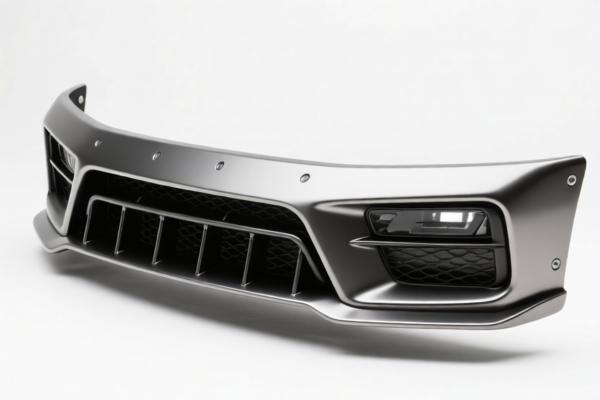
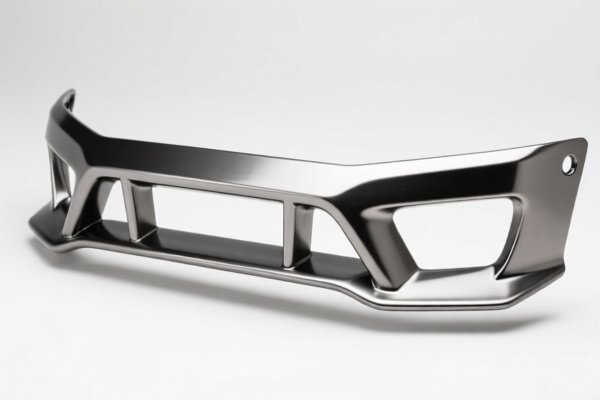
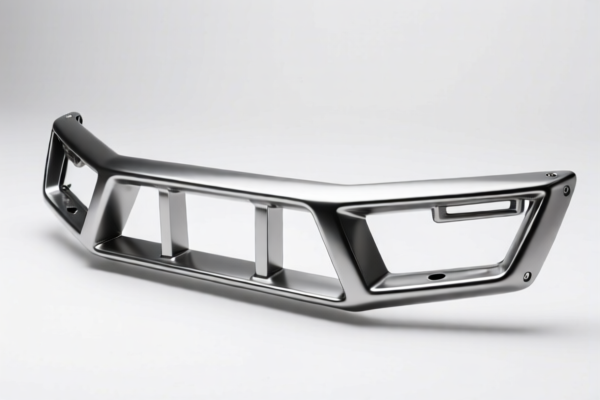
AI Analysis
🚗 Bumper Beads (Bumper Components for Automotive Use)
🌐 HS Code Reference & Customs Clearance Guide | 2026 Latest Tariff Analysis | Professional-Level Clearance Strategy
📌 I. Product Definition and Classification: Do You Really Understand "Bumper Beads"?
Bumper beads (also referred to as bumper strips, molding, or trim) are critical aesthetic and protective components of automotive exterior bodies. In international trade, they are generally classified based on their primary function (as an auto part) and material composition (steel, plastic, etc.).
Two Main Classification Logic: 1. Automotive Parts Classification: Viewed as a component of the bumper system → Classified under Chapter 87. 2. General Metal/Plastic Goods Classification: Viewed as a specific article made of steel or plastic → Classified under Chapter 73 or 39.
⚠️ Key Distinction Point:
- If the item is explicitly identified as a "Bumper Part" (integral to the bumper assembly) → Prefer HS 8708.10.
- If the item is a Steel Article without specific auto-part designation → May fall under HS 7326.
- If the item is Plastic/Resin → May fall under HS 3926.
📦 II. HS Code Classification Details (2026 Latest Tariff Authority Comparison)
Based on the provided data, here are the 5 most likely HS Code recommendations for "Bumper Beads":
| HS Code | Product Description | Applicable Scenario | Material/Function Logic |
|---|---|---|---|
| 8708.10.60.10 | Bumper Beads belong to the components of bumpers, classified as bumpers and their parts. | Preferred: Explicitly marketed/sold as a bumper part. | ✅ Auto Part: Primary function is bumper assembly. |
| 8708.10.60.50 | Bumper Beads are components of the bumper, conforming to the use of bumper parts. | Preferred: Similar to above, fits "Bumper Part" category. | ✅ Auto Part: Explicitly defined as a part. |
| 7326.19.00.80 | Bumper Beads are auto parts, defaulting to steel material based on spare part category. | Alternative: If material is steel and auto-part link is weak. | ✅ Steel: Default assumption for metal auto parts. |
| 7326.90.86.88 | Bumper Beads belong to "Other articles" in iron or steel articles. | Alternative: Generic steel article classification. | ✅ Steel: General metal product category. |
| 3926.30.50.00 | Bumper Beads belong to body connecting fittings, conforming to other catch-all categories. | Special Case: If made of plastic/resin. | ✅ Plastic: Non-metallic alternative. |
🔍 Critical Reminder:
- HS 8708.10 (Auto Parts) has a Lower Base Tariff (2.5%) compared to HS 7326 (Steel Goods, Base 2.9%).
- However, ALL listed codes face severe Additional Tariffs for Chinese origin goods (see Section III).
- Misclassification (e.g., declaring a steel part as plastic) can lead to customs audits and penalties.
💰 III. 2026 Latest Tariff Rate Breakdown (Including Surcharges & Policy Add-ons)
✅ Applicable Country: USA (US)
✅ Origin: China (CN)
✅ Effective Time: Current tariffs apply (Section 301 & IEEPA)
🎯 1. 8708.10.60.10 & 8708.10.60.50 —— Bumper Parts (Steel/Metal)
| Item | Content |
|---|---|
| Base Tariff | 2.5% |
| Section 301 Tariff | +25.0% |
| Section 232 (Steel/Aluminum) | +50.0% |
| Total Tariff Rate | 87.5% |
| Tax Calculation | CIF Value × 87.5% |
| De Minimis Exemption | ❌ Not Eligible (High value/import restrictions) |
📌 Explanation:
- These codes are classified as Auto Parts.
- The 50% Section 232 tariff applies because bumpers are primarily steel/aluminum products.
- The 25% Section 301 tariff applies to Chinese goods.
- Result: Extremely high duty cost (~87.5%).
🎯 2. 7326.19.00.80 & 7326.90.86.88 —— Steel Articles (Bumper Beads)
| Item | Content |
|---|---|
| Base Tariff | 2.9% |
| Section 301 Tariff | +25.0% |
| Section 232 (Steel/Aluminum) | +50.0% |
| Total Tariff Rate | 87.9% |
| Tax Calculation | CIF Value × 87.9% |
| De Minimis Exemption | ❌ Not Eligible |
📌 Explanation:
- Slightly higher base rate (2.9% vs 2.5%) than auto parts.
- Still subject to the heavy 50% Steel Tariff.
- Total duty is 87.9%, making this even more expensive than the 8708 classification.
🎯 3. 3926.30.50.00 —— Plastic/Resin Bumper Beads
| Item | Content |
|---|---|
| Base Tariff | 5.3% |
| Section 301 Tariff | +7.5% |
| Section 232 (Steel/Aluminum) | 0% (Not applicable to plastic) |
| Total Tariff Rate | 22.8% |
| Tax Calculation | CIF Value × 22.8% |
| De Minimis Exemption | ❌ Not Eligible (Generally) |
📌 Explanation:
- Significant Cost Saving: If your bumper beads are made of Plastic/Resin, classify under 3926.
- Avoids Steel Tariff: No 50% Section 232 tax.
- Lower Section 301: Only 7.5% instead of 25%.
- Total Duty: 22.8%, which is drastically lower than the 87.5%+ for steel parts.
🛠️ IV. Customs Clearance Practical Advice (Battle-Tested Pitfall Guide)
✅ 1. Preparation Checklist (Mandatory)
| Material | Must Provide | Note |
|---|---|---|
| ✅ Product Specification Sheet | ✔️ | Must specify Material (Steel vs. Plastic) clearly. |
| ✅ Product Photos | ✔️ | Show mounting points, connections to bumper. |
| ✅ Bill of Lading / Invoice | ✔️ | Consistent description (e.g., "Bumper Trim" vs. "Steel Strip"). |
| ✅ Material Certificate | ✔️ | Crucial if claiming Plastic (3926) vs. Steel (7326/8708). |
| ✅ HS Code Pre-ruling | ✔️ | Recommended for high-value shipments to avoid disputes. |
✅ 2. Declaration Strategy (Key Mantra)
🔥 "Check Material First, Then Function. Plastic Saves Tax, Steel Costs Big!"
| Scenario | Correct Declaration | Risk of Wrong Declaration |
|---|---|---|
| Plastic Bumper Beads | 3926.30.50.00 (22.8%) | Declaring as Steel → 87.9% (Overpay ~65%) |
| Steel Bumper Beads (Auto Part) | 8708.10.60.10 (87.5%) | Declaring as General Steel → 87.9% (Minor difference, but 8708 is preferred for clarity) |
| Steel Bumper Beads (General) | 7326.19.00.80 (87.9%) | Declaring as Plastic → Severe Penalty/Fraud |
| Mixed Packaging | Separate declarations | Mixing materials in one HS Code → Customs seizure |
✅ 3. Special Handling for High Tariffs
| Issue | Solution |
|---|---|
| High Steel Tariffs (50%) | 1. Verify if any Exclusions apply (Check USTR exclusion lists). 2. Consider Plastic Alternatives for non-structural parts. |
| Section 301 Tariffs (25% vs 7.5%) | If plastic version is feasible, switch to 3926 to reduce Section 301 burden. |
| Customs Audits | Maintain strong proof of Material Composition (Mill certificates for steel, resin specs for plastic). |
🌍 V. Global Market Customs Comparison (2026 Latest)
| Country/Region | Recommended HS Code | Tariff (China Origin) | Note |
|---|---|---|---|
| 🇺🇸 USA | 3926.30.50.00 (Plastic) |
22.8% | Best Option. Steel versions face ~87.5-87.9%. |
| 🇺🇸 USA | 8708.10.60.10 (Steel) |
87.5% | High cost due to Steel/Aluminum tariffs. |
| 🇪🇺 EU | 8708.10.00 |
~5-10% | No Section 232/301 equivalents. Lower duty. |
| 🇨🇳 China | 8708.10.60.10 |
2.5% | Export to China? Low duty, but check VAT. |
| 🇲🇽 Mexico | 8708.10.60.10 |
0% (USMCA) | If assembled in Mexico/North America. |
📌 Conclusion:
- For US Importers: The material difference is critical.
- Plastic (3926): ~22.8% Total Duty.
- Steel (8708/7326): ~87.5-87.9% Total Duty.
- Recommendation: If the bumper bead can be made of plastic without compromising safety/function, choose 3926. If it must be steel, budget for the high tariffs or seek exclusions.
📌 VI. Common Mistakes & Pitfall Guide (Blood & Tears Lessons)
❌ Mistake 1: Declaring Steel Bumper Beads as Plastic to save tax.
👉 Consequence: Customs lab test reveals steel → Seizure, Heavy Fines, Loss of Import Privileges.
❌ Mistake 2: Using 7326 (General Steel) instead of 8708 (Auto Part) for steel bumpers.
👉 Consequence: Base tariff is higher (2.9% vs 2.5%). While the Section 232/301 applies to both, 8708 is more accurate and reduces audit risk.
❌ Mistake 3: Ignoring Section 232 applicability.
👉 Consequence: Assuming only 25% tariff applies. For steel auto parts, 50% Section 232 is added → Total 87.5%. Shocking cost impact!
✅ Correct Practice:
"Bumper Trim Strip, Plastic/ABS, Model XYZ, For Car Brand ABC" → Use 3926.30.50.00
"Bumper Steel Bead, Steel Alloy, Model XYZ, For Car Brand ABC" → Use 8708.10.60.10
🎯 VII. Conclusion: Precise Classification, Cost Optimization!
🎯 Remember the Mantra:
🔹 "Plastic is Profitable (22.8%), Steel is Painful (87.5%)!"
🔹 "Always Verify Material: Steel triggers Section 232!"
🔹 "Auto Parts (8708) beat General Steel (7326) by 0.4%, but both are heavy."
📌 Pro Tip:
If you are importing Steel Bumper Beads from China to the US, apply for Section 301 Exclusions if available. If not, strongly consider re-engineering the part to use plastic or composite materials to drop from 87.5% to 22.8% duty.
📣 Immediate Action:
📞 Consult a Customs Broker + Provide Material Certificates + Apply for Pre-Ruling.
🚀 Let your Bumper Beads clear smoothly, save millions in duties, and maximize profit!
✨ Professional Clearance, Starting with Accurate Classification!
💼 Every Dollar Saved in Duty is Pure Profit!
Customer Reviews
About HS Code Classification
The Harmonized System (HS) is an internationally standardized nomenclature developed by the World Customs Organization (WCO) to classify traded products. Over 200 countries use the HS system as the basis for customs tariffs, trade statistics, and import/export regulations.
Each HS code follows a hierarchical structure:
- Chapter (2 digits) — Broad category of goods (e.g., Chapter 84: Machinery and Mechanical Appliances)
- Heading (4 digits) — More specific grouping within the chapter
- Subheading (6 digits) — Internationally standardized breakdown, used by all WCO member countries
- National subdivisions (8-10 digits) — Country-specific extensions for further classification, such as US HTSUS 10-digit codes
Correct HS code classification is essential for smooth customs clearance, accurate duty payment, and compliance with trade regulations. Misclassification can lead to customs delays, overpayment of duties, or penalties.
When importing from CN to US, the applicable tariff rates may include:
- Most-Favored-Nation (MFN) rate — The standard duty rate applied to WTO members
- General rate — Applied to countries without trade agreements
- Trade remedy duties — Additional tariffs such as Section 301 (anti-dumping), Section 232 (national security), or countervailing duties
The information provided on this page is for reference purposes only. For official classification, please consult with your local customs authority or a licensed customs broker.