健身杆
CN → US| HS Code | Tariff Rate | Origin | Destination | Doc |
|---|---|---|---|---|
| 3926909930 | 22.8% | CN | US | Official Doc |
| 6217108500 | 24.6% | CN | US | Official Doc |
| 6217109550 | 32.1% | CN | US | Official Doc |
| 3926909989 | 22.8% | CN | US | Official Doc |
| 9506910010 | 22.1% | CN | US | Official Doc |
Product Images
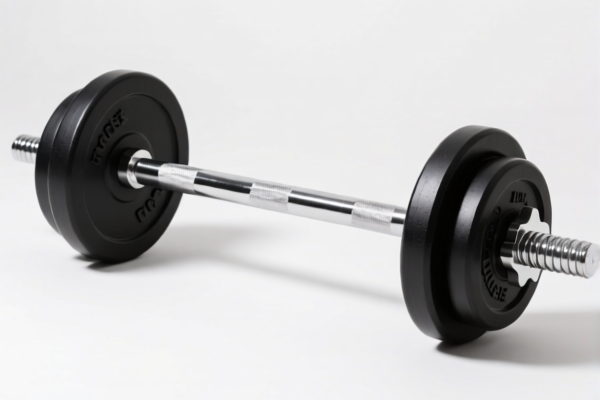
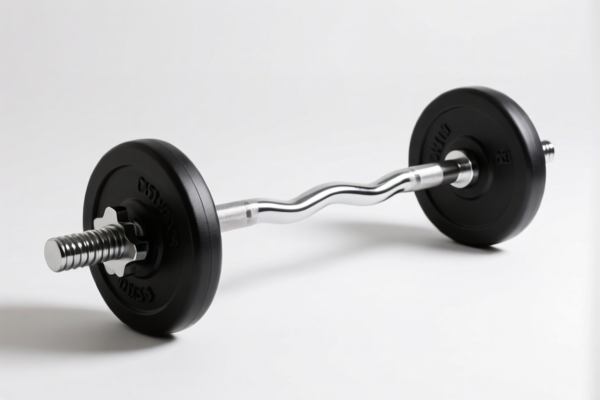
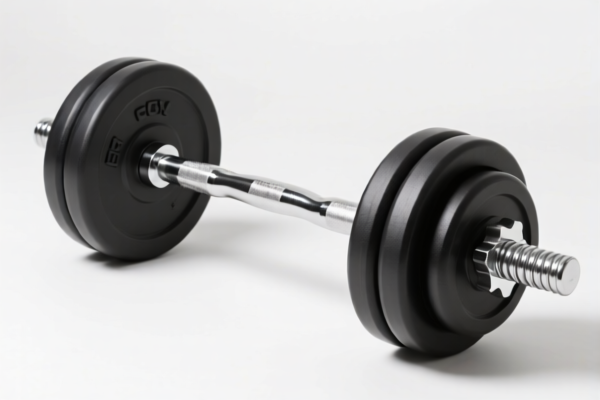
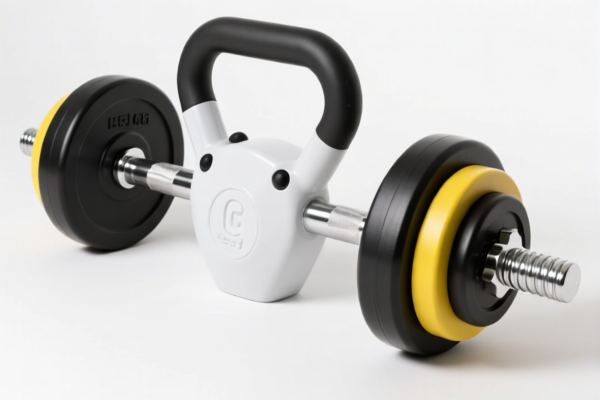
AI Analysis
🏋️♂️ Fitness Bar / Gym Rod (健身杆)
🌐 HS Code Reference & Customs Clearance Guide | 2026 Latest Tariff Analysis | Strategic Clearance Strategies
📌 1. Product Definition & Classification Logic: How is a "Fitness Bar" Classified?
A fitness bar (often referred to as a training rod, resistance bar, or accessory rod) is a versatile piece of exercise equipment. In international trade, its classification depends heavily on material composition and functional integration. Since the provided data does not specify the exact material or design, four distinct classification pathways emerge, ranging from garment accessories to specialized sporting goods.
⚠️ Key Distinction Point:
- Is it made of plastic/composite? → Classified under Chapter 39 (Plastics) or Chapter 62 (Apparel Accessories).
- Is it made of metal (Steel/Aluminum/Copper)? → Subject to higher steel/aluminum tariffs (50% add-on).
- Is it a standalone exercise device? → Classified under Chapter 95 (Toys/Sporting Goods).
- Is it an attachment to clothing? → Classified under Chapter 62 (Garment Accessories).
📦 2. HS Code Classification Details (Based on Provided Data)
The following table maps the specific HS Codes from the <DATA> set to their logical reasoning and tax implications.
| HS Code | Summary / Logic from Data | Tax Rate (Total) | Tax Breakdown Details |
|---|---|---|---|
6217.10.85.00 |
Logic: Classified as a functional accessory or similar attachment based on the "catch-all" logic for garment accessories. | 24.6% | Base Tariff: 14.6% Section 301 (Add-on): 0.0% Section 122: 10% |
6217.10.95.50 |
Logic: Inferred as an accessory to sports gear or apparel. Falls under "Other apparel/accessories/attachments" not specifically provided for. | 32.1% | Base Tariff: 14.6% Section 301 (Add-on): 7.5% Section 122: 10% |
3926.90.99.89 |
Logic: Based on common sense, the bar is made of plastic or composite materials. Classified as "Other articles of plastics" not elsewhere specified. | 22.8% | Base Tariff: 5.3% Section 301 (Add-on): 7.5% Section 122: 10% |
3926.90.99.30 |
Logic: Inferred material is plastic or composite, fitting "Other articles of other materials" (specifically plastics/plastics-like). | 22.8% | Base Tariff: 5.3% Section 301 (Add-on): 7.5% Section 122: 10% |
9506.91.00.10 |
Logic: Matches usage. The rod is a sports/exercise device, fitting directory 9506.91 for "Article and equipment for... physical education." | 22.1% | Base Tariff: 4.6% Section 301 (Add-on): 7.5% Section 122: 10% ⚠️ Steel/Aluminum/Copper Add-on: +50% |
🔍 Critical Note on
9506.91.00.10:
While the base tariff is the lowest (4.6%), the Section 301/Steel-Add-on is critical. The data explicitly states: "Steel, Aluminum, Copper products add-on tariff: 50%". If this fitness bar is made of metal, this 50% surcharge applies, significantly altering the cost structure compared to the plastic alternatives.
💰 3. 2026 Tariff Rate Detailed Explanation (含附加税、政策附加)
✅ Applicable Market: Implied US Market (based on Section 122/301 terminology in data)
✅ Origin: China (Implied by the specific tariff structures like 122 Section and 301 Add-ons)
🎯 1. 6217.10.85.00 & 6217.10.95.50 – Apparel Accessories / General Attachments
- Logic: These codes treat the fitness bar not as a machine, but as a "part" or "accessory" to clothing or general gear.
- Tax Breakdown:
- Base Tariff: 14.6% (Standard for textile/apparel accessories).
- Section 122: Fixed 10% (Likely a specific regulatory fee or quota-based tariff mentioned in the source).
- Section 301 (China Add-on): Varies (0% for
.85.00, 7.5% for.95.50).
- Total Cost Impact:
- For
.85.00: 24.6%. This is a moderate burden. - For
.95.50: 32.1%. The 7.5% Section 301 tariff makes this significantly more expensive.
- For
📌 Interpretation:
- Classifying as an "accessory" avoids the high manufacturing tariffs but incurs higher base textile rates. - Risk: If customs determines it is not an apparel accessory, this classification will be rejected, leading to penalties.
🎯 2. 3926.90.99.89 & 3926.90.99.30 – Plastic/Composite Articles
- Logic: Assumes the fitness bar is made of plastic, rubber, or composite materials (common for budget-friendly or home-use rods).
- Tax Breakdown:
- Base Tariff: 5.3% (Much lower than the textile/apparel base of 14.6%).
- Section 301: 7.5%.
- Section 122: 10%.
- Total Cost Impact: 22.8% for both codes.
- Comparison: This is cheaper than the apparel accessory classification (
22.8%vs24.6%or32.1%).
📌 Interpretation:
- If the product is indeed plastic, this is the most cost-effective classification among the non-metal options. - Verification Required: Must prove material composition (e.g., Material Safety Data Sheet, Mill Certificates for plastics).
🎯 3. 9506.91.00.10 – Sporting Goods (Exercise Equipment)
- Logic: The most "natural" classification for a fitness tool. It is a piece of sports equipment.
- Tax Breakdown:
- Base Tariff: 4.6% (Lowest base rate).
- Section 301: 7.5%.
- Section 122: 10%.
- Metal Add-on: 50% (If made of Steel, Aluminum, or Copper).
- Total Cost Impact:
- If Plastic/Non-Metal: 22.1% (Lowest overall).
- If Metal (Steel/Aluminum): 4.6% + 7.5% + 10% + 50% = ~72.1%. (Extremely High).
📌 Critical Warning:
- The text explicitly states: "Steel, Aluminum, Copper products add-on tariff: 50%".
- If your fitness bar is metal, do NOT use this code unless you are prepared for a ~72% total tax burden.
- If it is plastic/carbon fiber, this code offers the lowest total tax (22.1%).
🛠️ 4. Customs Clearance Practical Advice (Real-World Pitfall Guide)
✅ 1. Documentation Checklist (Crucial for Avoiding Delays)
| Document | Required? | Purpose |
|---|---|---|
| Product Specification Sheet | ✔️ | Must clearly state Material Composition (e.g., "100% ABS Plastic" or "Carbon Fiber Reinforced"). This is the key to choosing between 3926 and 9506. |
| Material Test Report | ✔️ | To prove the material is not metal (avoiding the 50% steel tariff) or to certify it is a composite. |
| Product Photos | ✔️ | Show the item's structure. Is it a standalone rod? Does it attach to a rack? (Affects 6217 vs 9506). |
| Usage Statement | ✔️ | "For home fitness exercise." Avoid terms like "Garment Attachment" if using 9506 or 3926. |
| Commercial Invoice | ✔️ | Describe as "Plastic Fitness Training Rod" or "Exercise Bar for Physical Training." |
✅ 2. Classification Strategy (The "Golden Rules")
🔥 "Material Defines Code, Usage Defines Chapter!"
| Scenario | Recommended HS Code | Why? |
|---|---|---|
| Plastic/Composite Bar | 3926.90.99.89 or 3926.90.99.30 |
Lowest tax among plastics (22.8%). Safer than apparel classification. |
| Plastic/Composite Bar (Sporting Good) | 9506.91.00.10 |
Lowest total tax (22.1%) IF proven non-metal. Best for branding as "Fitness Equipment." |
| Metal Bar (Steel/Aluminum) | ⚠️ Avoid 9506 if possible |
Metal triggers 50% add-on. Consider 3926 if it has significant plastic coating/composite core (consult expert). If pure metal, expect high taxes. |
| Attachment to Workout Clothes | 6217.10.85.00 |
Only if it is literally a part of a garment (e.g., a bar built into a suit). Unlikely for standard fitness gear. |
✅ 3. Specific Risk Mitigation
-
Risk: Material Misdeclaration
- Issue: Declaring a metal bar as plastic to avoid the 50% tariff.
- Consequence: Customs inspection will find metal. Penalties + Back Taxes + Potential Fraud Charges.
- Solution: Ensure material data is accurate. If it's a "steel bar with plastic grips," it may still be classified as steel.
-
Risk: Functional Misclassification
- Issue: Using
6217(Apparel Accessory) for a standalone gym bar. - Consequence: Customs may reject it as "Not an apparel accessory" and reclassify it to
9506(Sporting Goods) or3926(Plastics). - Solution: Use
9506or3926for standalone items. Only use6217if it is genuinely a garment component.
- Issue: Using
📊 5. Summary Table: Which HS Code is Best for You?
| Material Type | Best HS Code | Total Tax | Pros | Cons |
|---|---|---|---|---|
| Plastic / Composite | 9506.91.00.10 |
22.1% | Lowest Tax; Fits "Fitness" branding perfectly. | Requires strict proof it is NOT metal. |
| Plastic / Composite | 3926.90.99.89 |
22.8% | Safe bet for plastic goods; lower base tariff. | Slightly higher tax than 9506; less "premium" image. |
| Plastic / Composite | 6217.10.85.00 |
24.6% | High base tariff but no Section 301. | Risky classification (is it apparel?); higher tax than plastics. |
| Metal (Steel/Aluminum) | 9506.91.00.10 |
~72.1% | Correct functional classification. | Extremely High Tax due to 50% metal surcharge. |
| Metal (Steel/Aluminum) | 3926.90.99.89 |
22.8% | Avoids metal surcharge? | Illegal if misdeclared. Only valid if truly composite/plastic. |
📌 Conclusion:
- For Plastic Bars: Use9506.91.00.10for the lowest tax (22.1%) and best market positioning.
- For Metal Bars: The tax burden is high (~72%). Consider supply chain adjustments (e.g., sourcing from non-China countries if eligible, or using composite materials) to reduce liability.
- Never misdeclare metal as plastic. The cost of non-compliance exceeds the tax savings.
🎯 6. Final Clearance Tip
📞 Action Plan:
1. Identify Material: Confirm if the fitness bar is 100% plastic/composite or contains metal.
2. Select Code:
- If Plastic: Choose9506.91.00.10(Sporting Goods) for best value.
- If Metal: Prepare for high taxes (9506with 50% surcharge) or explore alternative routing.
3. Document Everything: Have material certs ready for customs inspection.
4. Consult a Broker: For metal bars, a pre-shipment ruling is highly recommended to avoid surprise fees.
✨ Smart Classification Saves Thousands!
💼 Choose the right HS Code to optimize your customs duties!
Customer Reviews
About HS Code Classification
The Harmonized System (HS) is an internationally standardized nomenclature developed by the World Customs Organization (WCO) to classify traded products. Over 200 countries use the HS system as the basis for customs tariffs, trade statistics, and import/export regulations.
Each HS code follows a hierarchical structure:
- Chapter (2 digits) — Broad category of goods (e.g., Chapter 84: Machinery and Mechanical Appliances)
- Heading (4 digits) — More specific grouping within the chapter
- Subheading (6 digits) — Internationally standardized breakdown, used by all WCO member countries
- National subdivisions (8-10 digits) — Country-specific extensions for further classification, such as US HTSUS 10-digit codes
Correct HS code classification is essential for smooth customs clearance, accurate duty payment, and compliance with trade regulations. Misclassification can lead to customs delays, overpayment of duties, or penalties.
When importing from CN to US, the applicable tariff rates may include:
- Most-Favored-Nation (MFN) rate — The standard duty rate applied to WTO members
- General rate — Applied to countries without trade agreements
- Trade remedy duties — Additional tariffs such as Section 301 (anti-dumping), Section 232 (national security), or countervailing duties
The information provided on this page is for reference purposes only. For official classification, please consult with your local customs authority or a licensed customs broker.