儿童休闲棉衬衫
CN → US| HS Code | Tariff Rate | Origin | Destination | Doc |
|---|---|---|---|---|
| 6205202031 | 37.2% | CN | US | Official Doc |
| 6205202026 | 37.2% | CN | US | Official Doc |
| 6105100010 | 29.7% | CN | US | Official Doc |
| 6105100030 | 37.2% | CN | US | Official Doc |
| 6205202031 | 37.2% | CN | US | Official Doc |
Product Images
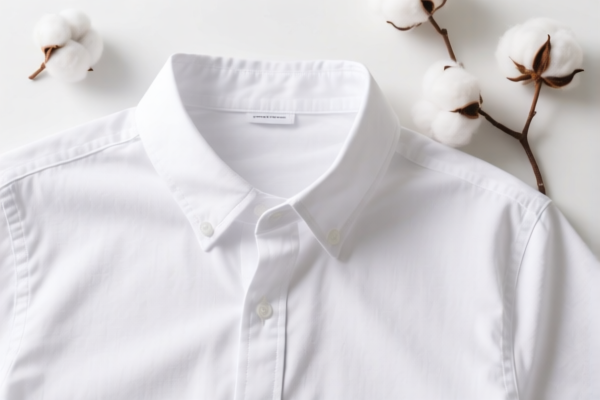
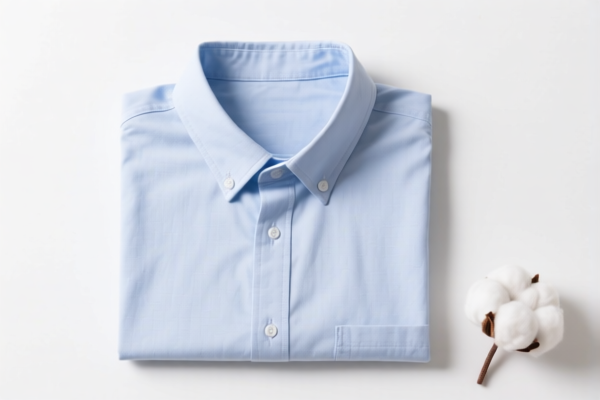
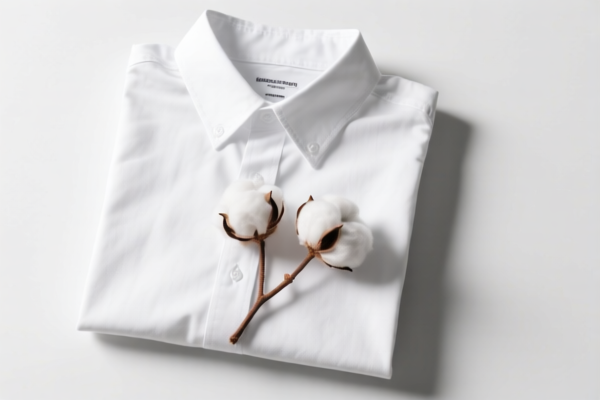
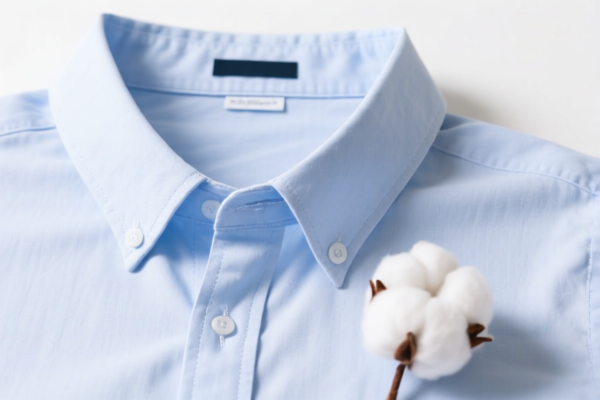
AI Analysis
👕 Children's Casual Cotton Shirts (Kids' Cotton Shirts)
🌐 HS Code Reference & Customs Clearance Guide | 2026 Latest Tariff Analysis | Professional Clearance Strategy
📌 I. Product Definition & Classification: Do You Really Understand "Kids' Cotton Shirts"?
Children's casual cotton shirts are essential apparel for boys and girls, characterized by natural cotton fiber content and a relaxed fit. In international trade, they are strictly categorized based on manufacturing method (Knitted vs. Woven) and Target Audience (Children vs. Adult/Men). Misclassification often leads to significant tariff differences due to "Section 301" and "Section 122" additional duties.
⚠️ Key Distinction Points:
- Knitted (8105): Made from knitted fabric (stretchable). Typically lower base tariffs but sensitive to "Section 122" rules.
- Woven (8205): Made from woven fabric (non-stretchable). Higher base tariffs but potentially different additional duty structures.
- Age Group: "Children" (under 13/14 depending on country) vs. "Men/Boys" (older). The HS codes below specify Boys or Men/Boys.
📦 II. HS Code Classification Details (2026 Latest Tariff Authority Comparison)
Based on the provided <DATA>, the following HS Codes apply specifically to Cotton Shirts for Boys/Men, with varying tax liabilities due to US trade policies.
| HS Code | Product Description | Material/Form Match | Total Tax Rate | Key Tax Components |
|---|---|---|---|---|
6205.20.20.31 |
Cotton Boys' Shirts | Cotton, Woven | 37.2% | Base: 19.7%, Add: 7.5%, Sec 122: 10% |
6205.20.20.26 |
Cotton Boys' Shirts | Cotton, Woven | 37.2% | Base: 19.7%, Add: 7.5%, Sec 122: 10% |
6105.10.00.10 |
Cotton Boys'/Men's Shirts | Cotton, Knitted | 29.7% | Base: 19.7%, Add: 0.0%, Sec 122: 10% |
6105.10.00.30 |
Cotton Boys' Shirts | Cotton, Knitted | 37.2% | Base: 19.7%, Add: 7.5%, Sec 122: 10% |
🔍 Critical Reminder:
- Woven (62xx) vs. Knitted (61xx) is the primary determinant.
- All listed items are Cotton (100% or main fiber).
- The term "Children" in the user input maps to "Boys" in these HS codes.
- Section 122 Tariff applies to all entries in the data, adding a flat 10% or conditional 10%.
- Additional Tariff (7.5%) applies to most, but not6105.10.00.10.
💰 III. 2026 Latest Tariff Rate Breakdown (Including Additional Duties & Policy Surcharges)
✅ Applicable Country: United States (US)
✅ Country of Origin: China (CN) (Implied by high additional tariffs)
✅ Effective Date: 2025/2026 Current Policies
🎯 1. 6205.20.20.31 & 6205.20.20.26 —— Woven Cotton Boys' Shirts
These codes cover woven (non-knitted) cotton shirts for boys. They are subject to the highest combined tariff in this dataset.
| Item | Content |
|---|---|
| Base Tariff | 19.7% (ad valorem) |
| Additional Tariff | +7.5% (Section 301 / Trade War surcharge) |
| Section 122 Tariff | +10% (Specific apparel provision) |
| Total Rate | 37.2% |
| Tax Calculation | CIF Value × 37.2% |
| De Minimis Exemption | ❌ Not Eligible (High rate prevents $800 de minimis eligibility in many cases) |
| Legal Basis Path | HTSUS:6205.20.20 → Section 301 Footnote → Section 122 |
📌 Explanation:
- The 19.7% is the standard MFN (Most Favored Nation) duty for woven cotton shirts.
- The 7.5% is a significant additional duty, likely due to Section 301 investigations or specific trade remedies against Chinese textiles.
- The 10% is from Section 122 of the Trade Act of 1974, which allows for temporary duty increases on certain articles to help domestic industries.
- Total 37.2% is a high-cost classification. Profit margin erosion is significant.
🎯 2. 6105.10.00.10 —— Knitted Cotton Boys'/Men's Shirts (Optimal Rate)
This is the most cost-effective option in the dataset for cotton shirts.
| Item | Content |
|---|---|
| Base Tariff | 19.7% |
| Additional Tariff | 0.0% |
| Section 122 Tariff | +10% |
| Total Rate | 29.7% |
| Tax Calculation | CIF Value × 29.7% |
| De Minimis Exemption | ⚠️ Check Eligibility (Lower rate may help, but Sec 122 still applies) |
| Legal Basis Path | HTSUS:6105.10.00 → Section 301 Exemption (if applicable) → Section 122 |
📌 Note:
- The 0% Additional Tariff makes this code 7.5% cheaper than the others.
- This applies to Knitted (jersey, ribbed, etc.) cotton shirts.
- If your product is knitted, this is the preferred classification if it fits the "Boys'/Men's" description.
- Section 122 Tariff (10%) still applies, so it is not exempt.
🎯 3. 6105.10.00.30 —— Knitted Cotton Boys' Shirts (High Rate)
Similar to 6105.10.00.10 but subject to the 7.5% Additional Tariff.
| Item | Content |
|---|---|
| Base Tariff | 19.7% |
| Additional Tariff | +7.5% |
| Section 122 Tariff | +10% |
| Total Rate | 37.2% |
| Tax Calculation | CIF Value × 37.2% |
| De Minimis Exemption | ❌ Not Eligible |
| Legal Basis Path | HTSUS:6105.10.00 → Section 301 → Section 122 |
📌 Reason for Difference:
- Why is.100% additional but.307.5%?
- This is often due to specific product exclusions or historical trade data..10may have been granted an exclusion for certain types of knitted cotton shirts, while.30(often for different weights or specific boy-only cuts) does not.
- Always verify the exact product specification against HTSUS notes.
🛠️ IV. Customs Clearance Practical Advice (Battlefield Pit-avoidance Guide)
✅ 1. Preparation Material Checklist (Indispensable)
| Material | Must Provide | Description |
|---|---|---|
| ✅ Product Specification Sheet | ✔️ | Fabric composition (e.g., 100% Cotton), Weave type (Knitted/Woven), GSM (grams per square meter) |
| ✅ Fabric Swatch | ✔️ | Physical sample to prove Knitted vs. Woven. Crucial for 61xx vs 62xx classification. |
| ✅ Product Photos (Front/Back/Label) | ✔️ | Clear view of tags, size labels ("Boys", "Men"), and stitching type. |
| ✅ Commercial Invoice | ✔️ | Must explicitly state: "Cotton Knitted/Woven Shirt for Boys" with precise fabric details. |
| ✅ Packing List | ✔️ | Detail quantity, weight, and dimensions. |
| ✅ Origin Certificate | ✔️ | Proves country of origin (China). If from Vietnam/Mexico, tariffs may change. |
✅ 2. Declaration Tips (Key Mnemonics)
🔥 "Knitted is 61, Woven is 62; Boys vs Men matters, Tax cuts vary!"
| Scenario | Correct Declaration | Wrong Practice |
|---|---|---|
| Knitted Shirt | 6105.10.00.10 (if eligible for 0% add.) |
Declaring as 6205 (Woven) → +7.5% penalty |
| Woven Shirt | 6205.20.20.31 |
Declaring as 6105 (Knitted) → Misclassification fine |
| "Unisex" Shirt | Declare as Boys' if size fits children <13 | Declare as Men's → Different tariff structure |
| Polyester Blend | Do NOT declare as Cotton | Cotton vs. Synthetic changes HS Code entirely |
✅ 3. Special Handling
| Situation | Handling Advice |
|---|---|
| Knitted vs. Woven Ambiguity | Provide fabric cross-section or manufacturer's fabric specification. Customs may require lab test. |
| Section 122 Tariff Exemption | Check if your specific product code has any temporary exemptions. Currently, none in the provided data are exempt from Sec 122. |
| De Minimis ($800) | With 29.7% - 37.2% tariffs, most shipments exceed the de minimis threshold value. Plan for full duty payment. |
| Origin Shifting | If shipped from Vietnam/Mexico, Section 301 (7.5%) may be 0%. Check USMCA/Vietnam FTAs. |
🌍 V. Global Main Market Customs Comparison (2026 Latest)
| Country/Region | Recommended HS Code | Tariff (China Origin) | Certification | Notes |
|---|---|---|---|---|
| 🇺🇸 USA | 6105.10.00.10 or 6205.20.20.31 |
29.7% - 37.2% | CPSIA (Children's Safety) | High additional tariffs due to trade war. |
| 🇨🇳 China | 6105.10.00.10 or 6205.20.20.31 |
Low (5-15%) | CCC (if applicable) | No Section 301/122 for imports into China. |
| 🇪🇺 EU | 6105.10.00.10 or 6205.20.20.31 |
12% - 16% | CE (General Product Safety) | No "Section 301" or "Section 122". Stable. |
| 🇨🇦 Canada | 6105.10.00.10 or 6205.20.20.31 |
17.5% | General Compliance | Similar to US but without Section 301. |
| 🇦🇺 Australia | 6105.10.00.10 or 6205.20.20.31 |
5% | GTSR | Low tariff, no additional duties. |
📌 Conclusion:
- USA is the most expensive market due to Section 301 (7.5%) and Section 122 (10%).
- Knitted (61xx) has a slight edge if you can qualify for6105.10.00.10(29.7% vs 37.2%).
- Woven (62xx) is consistently 37.2%.
📌 VI. Common Errors & Pitfall Avoidance Guide (Blood Lessons)
❌ Error 1: Confusing Knitted with Woven
👉 Consequence: Misclassification → Audit + Back Taxes + Penalties.
💡 Fix: Always check the fabric tag. Knitted = stretchy; Woven = structured.
❌ Error 2: Ignoring Section 122 Tariff
👉 Consequence: Underpayment by 10% → Interest & Fines.
💡 Fix: Add 10% to your cost calculation for ALL cotton shirts from China to the US.
❌ Error 3: Declaring "Children's Shirt" for Adult Sizes
👉 Consequence: If size >14, customs may classify as Men's, changing the HS sub-heading.
💡 Fix: Use "Boys" for sizes typically under 13/14. Use "Men" for larger sizes.
❌ Error 4: Not Specifying 100% Cotton
👉 Consequence: If blend (e.g., 60% Cotton/40% Polyester), it may fall under different HTSUS codes with different tariffs.
💡 Fix: Be precise: "100% Cotton Knitted Shirt".
🎯 VII. Conclusion: Professional Declaration, Time-Saving, Cost-Effective!
🎯 Remember the Mnemonic:
🔹 "Knitted 61, Woven 62; 10 is cheaper than 30; 122 adds 10% always!"
🔹 "Cotton shirts are heavy tax targets; 37% is the norm, 29% is the gem."
📌 Tips:
- If your shirts are Knitted, try to classify under 6105.10.00.10 to save 7.5%.
- If Woven, you are stuck with 37.2%.
- Section 122 is unavoidable for these codes.
- Consider supply chain diversification (e.g., Vietnam, Bangladesh) if tariffs are too high, as Section 301 may not apply.
📣 Immediate Action:
📞 Contact your customs broker + Provide fabric swatch + Apply for Advance Ruling if possible.
🚀 Make your cotton shirts, smooth clearance, efficient export, profit protected!
✨ Professional clearance starts with accurate classification!
💼 Your every penny of cost is worth precise calculation!
Customer Reviews
About HS Code Classification
The Harmonized System (HS) is an internationally standardized nomenclature developed by the World Customs Organization (WCO) to classify traded products. Over 200 countries use the HS system as the basis for customs tariffs, trade statistics, and import/export regulations.
Each HS code follows a hierarchical structure:
- Chapter (2 digits) — Broad category of goods (e.g., Chapter 84: Machinery and Mechanical Appliances)
- Heading (4 digits) — More specific grouping within the chapter
- Subheading (6 digits) — Internationally standardized breakdown, used by all WCO member countries
- National subdivisions (8-10 digits) — Country-specific extensions for further classification, such as US HTSUS 10-digit codes
Correct HS code classification is essential for smooth customs clearance, accurate duty payment, and compliance with trade regulations. Misclassification can lead to customs delays, overpayment of duties, or penalties.
When importing from CN to US, the applicable tariff rates may include:
- Most-Favored-Nation (MFN) rate — The standard duty rate applied to WTO members
- General rate — Applied to countries without trade agreements
- Trade remedy duties — Additional tariffs such as Section 301 (anti-dumping), Section 232 (national security), or countervailing duties
The information provided on this page is for reference purposes only. For official classification, please consult with your local customs authority or a licensed customs broker.