儿童内衣
CN → US| HS Code | Tariff Rate | Origin | Destination | Doc |
|---|---|---|---|---|
| 6209909000 | 20.3% | CN | US | Official Doc |
| 6111305070 | 33.5% | CN | US | Official Doc |
| 6107199000 | 23.1% | CN | US | Official Doc |
| 6209205050 | 26.8% | CN | US | Official Doc |
| 6111206070 | 25.6% | CN | US | Official Doc |
Product Images
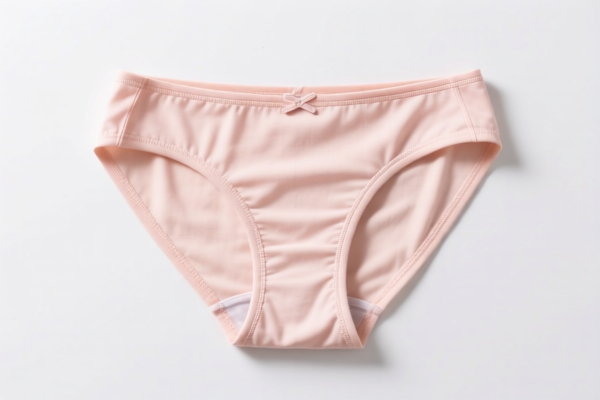
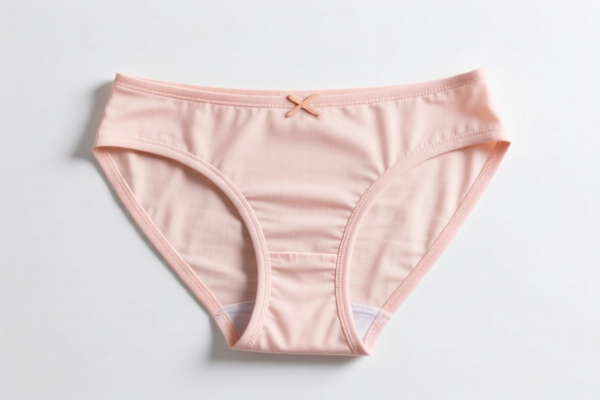
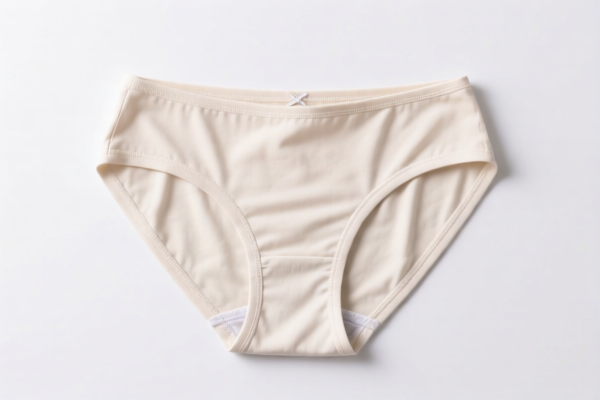
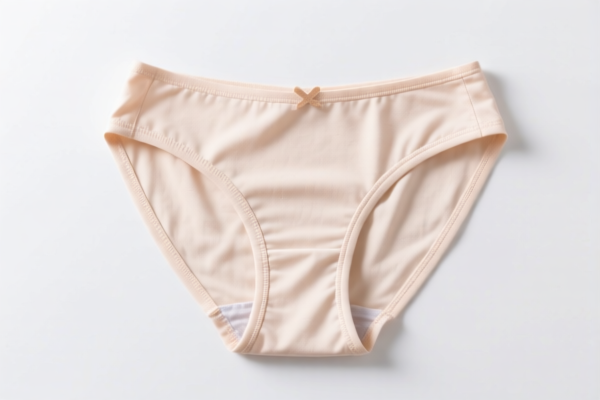
AI Analysis
👶 Children's Underwear & Infant Garments (Children's Intimates)
🌐 HS Code Reference & Customs Clearance Guide | 2026 Latest Tariff Analysis | Professional Clearance Strategy
📌 I. Product Definition & Classification: Do You Really Understand "Children's Underwear"?
Children's underwear and infant garments are critical categories in global textile trade. However, classification depends heavily on fabric composition (Natural vs. Synthetic), construction method (Knitted vs. Woven), and age group (Infant <2 years vs. Older Children).
In international trade, these products are typically divided into two main groups:
Knitted/Crocheted Articles (Chapter 61):
Includes underwear made from knitting or crochet methods (e.g., jersey, ribbed fabric). This is the most common category for children's T-shirts, briefs, and bodysuits.
Other Made-Up Clothing Articles (Chapter 62):
Includes garments made from woven fabrics (non-knitted) or specific articles like baby clothing in some interpretations. This category often carries lower base tariffs but may face different scrutiny on material content.
⚠️ Key Distinction Point:
- If the fabric is Knitted (stretchy, looped structure) → Usually Chapter 61.
- If the fabric is Woven (stable, non-stretchy) or specific Infant categories → Usually Chapter 62.
- Material Matters: Cotton, Synthetic Fibers (Polyester/Nylon), and "Other Textile Materials" (e.g., Wool, Silk, Blends) have drastically different tax rates.
📦 II. HS Code Classification Details (2026 Latest Tariff Authority Comparison)
Based on the provided data for "Children's Underwear, Jacquard Fabric," here are the specific classifications and their tax implications.
| HS Code | Product Description | Material/Category | Total Tax Rate |
|---|---|---|---|
6209.90.90.00 |
Children's Underwear, Jacquard, Other Textile Materials | Non-Cotton, Non-Synthetic (e.g., Wool/Silk Blends) | 20.3% |
6111.30.50.70 |
Children's Underwear, Jacquard, Synthetic Fibers | Polyester, Nylon, Acrylic Knits | 33.5% |
6107.19.90.00 |
Children's Underwear, Jacquard, Boys' Knitted | Knitted Boys' Underwear (General) | 23.1% |
6209.20.50.50 |
Children's Underwear, Jacquard, Cotton Baby Garments | Woven Cotton Infant Clothing | 26.8% |
6111.20.60.70 |
Children's Underwear, Jacquard, Cotton Other Infant | Knitted Cotton Infant Clothing | 25.6% |
🔍 Critical Insight:
- Synthetic Fibers (6111.30.50.70) face the HIGHEST total tax (33.5%). This is due to the high base tariff (16%) for synthetic knits.
- Other Textile Materials (6209.90.90.00) face the LOWEST total tax (20.3%), thanks to a very low base tariff (2.8%), despite the added surcharges.
- Cotton vs. Synthetic: Even within cotton categories, the classification (Knitted Infant vs. Woven Infant) changes the rate slightly (25.6% vs 26.8%).
💰 III. 2026 Latest Tariff Rate Breakdown (Including Surcharges & Policy Add-ons)
✅ Applicable Country: United States (US)
✅ Origin: China (CN)
✅ Effective Date: Surcharges applied on imports from China.
🎯 1. 6209.90.90.00 – Other Textile Materials (Lowest Rate)
| Item | Content |
|---|---|
| Base Tariff | 2.8% (Ad Valorem) |
| Section 301 Surcharge | +7.5% (General Trade) |
| Section 122 Surcharge | +10% (Specific Policy Add-on) |
| Total Rate | 20.3% |
| Calculation | CIF Value × 20.3% |
| De Minimis Exemption | ❌ Not Eligible (Deny de minimis for high-value textile batches) |
| Legal Path | HTSUS:6209.90.90 → USITC:Section301 → EO13936/122Clause |
📌 Explanation:
- Base 2.8%: Low because it falls under "Other textile materials" not specifically cotton or synthetic.
- 7.5% Section 301: Standard punitive tariff on Chinese textiles.
- 10% Section 122: Additional strategic tariff.
- Why it's optimal: Even with surcharges, the low base keeps the total competitive.
🎯 2. 6111.30.50.70 – Synthetic Fiber Infant/Children's (Highest Rate)
| Item | Content |
|---|---|
| Base Tariff | 16.0% (Ad Valorem) |
| Section 301 Surcharge | +7.5% |
| Section 122 Surcharge | +10% |
| Total Rate | 33.5% |
| Calculation | CIF Value × 33.5% |
| De Minimis Exemption | ❌ Not Eligible |
| Legal Path | HTSUS:6111.30.50 → USITC:Section301 → EO13936/122Clause |
📌 Warning:
- High Base 16%: Synthetic knitted infant goods are heavily protected.
- Total 33.5%: This is the most expensive category.
- Risk: High cost may erode profit margins significantly. Consider switching materials if possible.
🎯 3. 6107.19.90.00 – Boys' Knitted Underwear
| Item | Content |
|---|---|
| Base Tariff | 5.6% |
| Section 301 Surcharge | +7.5% |
| Section 122 Surcharge | +10% |
| Total Rate | 23.1% |
| Calculation | CIF Value × 23.1% |
| De Minimis Exemption | ❌ Not Eligible |
📌 Note:
- Moderate base tariff (5.6%).
- Suitable for boys' specific lines. Ensure description explicitly states "Boys" to avoid misclassification.
🎯 4. 6209.20.50.50 – Cotton Baby Garments (Woven)
| Item | Content |
|---|---|
| Base Tariff | 9.3% |
| Section 301 Surcharge | +7.5% |
| Section 122 Surcharge | +10% |
| Total Rate | 26.8% |
| Calculation | CIF Value × 26.8% |
📌 Note:
- Woven cotton infant wear has a higher base than knitted cotton (6111.20...).
- Use only if fabric is explicitly woven (not jersey/knit).
🎯 5. 6111.20.60.70 – Cotton Other Infant (Knitted)
| Item | Content |
|---|---|
| Base Tariff | 8.1% |
| Section 301 Surcharge | +7.5% |
| > 📌 Note: | |
| > - Knitted cotton infant wear is slightly cheaper than woven cotton infant wear. | |
| > - Good balance for cotton products. |
🛠️ IV. Customs Clearance Practical Advice (实战避坑指南)
✅ 1. Documentation Checklist (Non-negotiable)
| Document | Required | Description |
|---|---|---|
| ✅ Product Composition Label | ✔️ | Must clearly state % of Cotton, Polyester, etc. (e.g., "100% Cotton") |
| ✅ Fabric Construction Detail | ✔️ | Specify "Knitted" or "Woven". Crucial for Ch 61 vs Ch 62. |
| ✅ Age Specification | ✔️ | "Infant" (<2 yrs) vs "Children". Affects HS Code subheading. |
| ✅ Jacquard Declaration | ✔️ | Confirm if fabric is Jacquard. Misdeclaring plain knit as Jacquard can lead to penalties. |
| ✅ Commercial Invoice | ✔️ | Must match HS Code description exactly. |
| ✅ Packing List | ✔️ | Detailed breakdown of items per package. |
✅ 2. Classification Strategy (Key Mantra)
🔥 “Fabric Type First, Then Age, Then Construction!”
| Scenario | Correct HS Code Approach | Mistake to Avoid |
|---|---|---|
| 100% Cotton, Knitted, Infant | 6111.20.60.70 (25.6%) |
Don't use 6209.20.50.50 (26.8%) if it's knitted! |
| Polyester, Knitted, Infant | 6111.30.50.70 (33.5%) |
High tax! Consider cotton or other materials if cost-sensitive. |
| Wool/Silk Blend, Woven, Child | 6209.90.90.00 (20.3%) |
Best rate for non-cotton/synthetic. Don't force into cotton categories. |
| Boys' Specific Underwear | 6107.19.90.00 (23.1%) |
Only use if explicitly for boys. Unisex may be scrutinized. |
✅ 3. Special Case Handling
| Situation | Recommendation |
|---|---|
| OEM/Private Label | Provide brand authorization letters. Ensure labels match declared composition. |
| Mixed Batches (Cotton+Poly) | If blended, classification depends on the principal material. If equal, fall back to specific headings. Consult a broker. |
| Jacquard Complexity | If the pattern is complex, ensure it's truly "Jacquard woven/knitted" and not just "printed". Printed fabrics may have different duties. |
| Small Packages (De Minimis) | ❌ Avoid using Section 321 (De Minimis) for these items. Most textile surcharges (301/122) are NOT exempt under de minimis if the shipment value exceeds thresholds or is flagged. |
🌍 V. Global Market Comparison (2026 Overview)
| Country/Region | Recommended HS Code | Est. Duty (China Origin) | Key Certifications | Notes |
|---|---|---|---|---|
| 🇺🇸 USA | Varies by Material | 20.3% - 33.5% (incl. surcharges) | ASTM F963, CPSIA | Highest friction due to 301/122 surcharges. |
| 🇨🇳 China | Varies | 5% - 16% (Import Duty) | CCC (if applicable) | Lower base duties, no Section 301. |
| 🇪🇺 EU | 6111/6209 series | 0% - 12% (MFN) | CE, REACH | No equivalent to US Section 301. GSP may apply if from eligible developing countries. |
| 🇬🇧 UK | 6111/6209 series | 0% - 12% | UKCA, REACH | Post-Brexit rules apply. |
📌 Conclusion:
- The US market is the most challenging for Chinese textile imports due to the combined 17.5% surcharge (7.5% + 10%).
- Material Choice is Profit-Determining: Switching from Synthetic (33.5%) to Other Textile Materials (20.3%) saves 13.2% on the CIF value.
📌 VI. Common Errors & Pitfalls (Lessons Learned)
❌ Error 1: Declaring "Knitted" as "Woven" to avoid synthetic taxes
👉 Consequence: Customs inspection reveals knitting pattern → Seizure, fines, and retroactive taxes.
❌ Error 2: Mixing "Infant" and "Children" without distinction
👉 Consequence: If intended for <2 years but labeled "Children", you might pay higher infant taxes or face compliance issues.
❌ Error 3: Ignoring the "Jacquard" specification
👉 Consequence: If the fabric is printed but declared as Jacquard, it may be misclassified, leading to incorrect duty calculation.
❌ Error 4: Assuming De Minimis (Section 321) exemption applies
👉 Consequence: Textile goods from China are heavily scrutinized. Even small shipments can be held if flagged for Section 301/122 duties.
✅ Correct Approach:
"Knitted Cotton Children's Underwear, Jacquard Pattern, 100% Cotton, for ages 2-10, Model XYZ, CPSIA Compliant"
🎯 VII. Conclusion: Precision Classification, Cost Optimization!
🎯 Key Takeaways:
🔹 "Synthetics are Expensive (33.5%)! Other Materials are Cheaper (20.3%). Choose wisely!"
🔹 "Knitted vs. Woven changes the Chapter (61 vs 62). Don't guess!"
🔹 "Surcharges (17.5%) are fixed. Lower the base tariff to save money."
📌 Pro Tip:
If your product is Synthetic (
6111.30.50.70), consider:
1. Switching to Cotton or Other Materials to drop to 20-26%.
2. Obtaining Advance Rulings from CBP if classification is borderline.
3. Using Bonded Warehouses or FTZs if applicable to defer duties.
📣 Immediate Action:
📞 Audit your fabric composition labels today.
📊 Calculate the 13.2% difference between Synthetic and Other Materials.
🚀 Optimize your HS Code selection to maximize profit margins in the US market!
✨ Professional clearance starts with precise classification!
💼 Every percentage point counts in cross-border trade!
Customer Reviews
About HS Code Classification
The Harmonized System (HS) is an internationally standardized nomenclature developed by the World Customs Organization (WCO) to classify traded products. Over 200 countries use the HS system as the basis for customs tariffs, trade statistics, and import/export regulations.
Each HS code follows a hierarchical structure:
- Chapter (2 digits) — Broad category of goods (e.g., Chapter 84: Machinery and Mechanical Appliances)
- Heading (4 digits) — More specific grouping within the chapter
- Subheading (6 digits) — Internationally standardized breakdown, used by all WCO member countries
- National subdivisions (8-10 digits) — Country-specific extensions for further classification, such as US HTSUS 10-digit codes
Correct HS code classification is essential for smooth customs clearance, accurate duty payment, and compliance with trade regulations. Misclassification can lead to customs delays, overpayment of duties, or penalties.
When importing from CN to US, the applicable tariff rates may include:
- Most-Favored-Nation (MFN) rate — The standard duty rate applied to WTO members
- General rate — Applied to countries without trade agreements
- Trade remedy duties — Additional tariffs such as Section 301 (anti-dumping), Section 232 (national security), or countervailing duties
The information provided on this page is for reference purposes only. For official classification, please consult with your local customs authority or a licensed customs broker.