充气硫化橡胶床
CN → US| HS Code | Tariff Rate | Origin | Destination | Doc |
|---|---|---|---|---|
| 9404210095 | 38.0% | CN | US | Official Doc |
| 3926907500 | 14.2% | CN | US | Official Doc |
| 4016950000 | 21.7% | CN | US | Official Doc |
| 3926909989 | 22.8% | CN | US | Official Doc |
| 4016100000 | 35.0% | CN | US | Official Doc |
Product Images
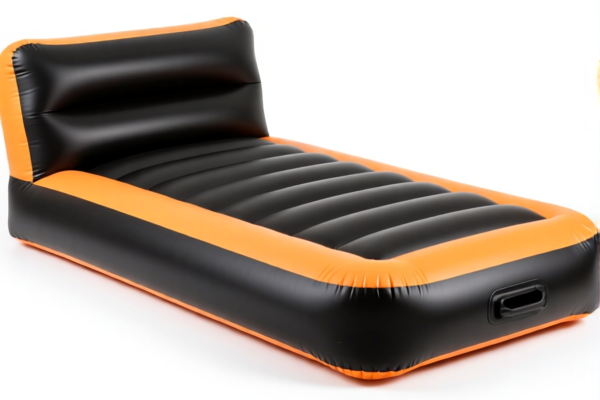
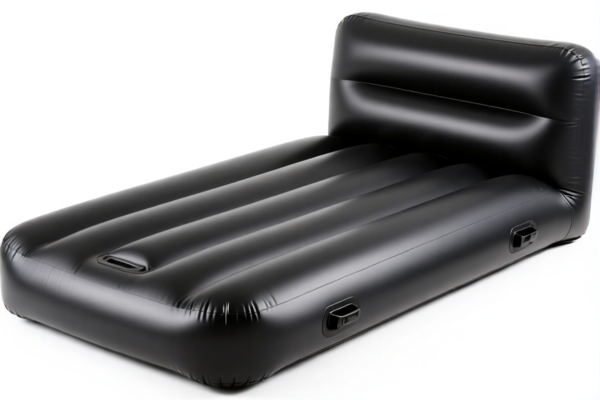
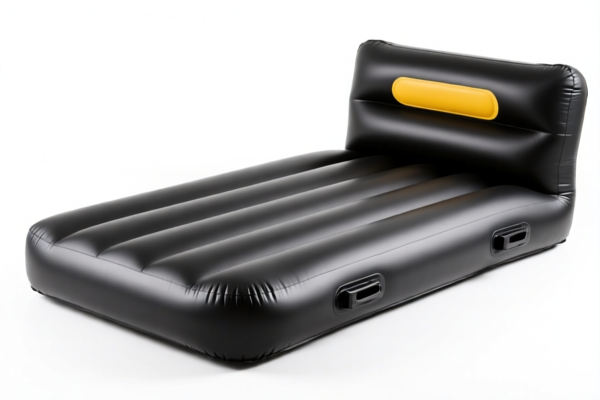
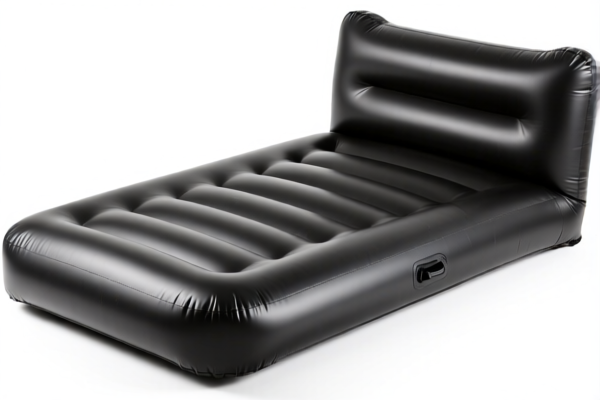
AI Analysis
🛌 Inflatable Vulcanized Rubber Mattress (充气硫化橡胶床)
🌐 HS Code Reference & Customs Clearance Guide | 2026 Latest Tariff Analysis | Professional Customs Strategy
📌 I. Product Definition & Classification: Do You Really Understand "Inflatable Rubber Mattresses"?
An Inflatable Vulcanized Rubber Mattress is a bedding product made from synthetic or natural rubber that has been vulcanized (hardened via heat and sulfur) to provide durability and elasticity. It relies on air inflation for support.
In international trade, classification depends heavily on: 1. Material Composition: Is it primarily "cellular rubber" (foam-like) or solid vulcanized rubber? 2. Form & Function: Is it considered a "mattress" (for sleeping) or an "inflatable article" (general utility)?
⚠️ Critical Distinction:
- If the material is explicitly cellular rubber (foam structure) → Often falls under 9404 (Mattresses).
- If it is solid vulcanized rubber → Falls under 4016 (Articles of vulcanized rubber).
- If it involves plastic coatings (like PVC) or mixed materials without clear rubber dominance → May fall under 3926 (Other plastic articles).
📦 II. HS Code Classification Details (2026 Latest Tariff Authority Mapping)
Based on the provided data, here are the possible classifications, their rationales, and tax implications.
| HS Code | Product Description | Matching Rationale from Data | Total Tax Rate |
|---|---|---|---|
| 9404.21.00.95 | Mattresses and seating cushions stuffed or filled with their material or of cellular rubber | ✅ Material Match: "Rubber" corresponds to "cellular rubber". ✅ Form Match: "Inflatable bed" fits "Mattresses" in form and use. |
38.0% |
| 3926.90.75.00 | Other articles of plastics: Inflatable mats and other inflatable articles | ✅ Form Match: "Inflatable bed" fits "Inflatable articles other than mattresses". ⚠️ Material Assumption: Plastic/synthetic rubber inferred from inflation structure. |
14.2% |
| 4016.95.00.00 | Other articles of vulcanized rubber other than hard rubber: Other inflatable articles | ✅ Material Match: "Rubber" fits vulcanized rubber requirements. ✅ Form Match: "Inflatable bed" fits "Other inflatable articles". |
21.7% |
| 3926.90.99.89 | Other articles of plastics: Other | ✅ Material Assumption: PVC or composite rubber/plastic inferred. ✅ Category Fit: General "other articles" category with no direct conflict. |
22.8% |
| 4016.10.00.00 | Other articles of vulcanized rubber other than hard rubber: Other cellular rubber articles | ✅ Material Match: Rubber (fits vulcanized rubber articles). ✅ Form Fit: Fits "Other vulcanized rubber articles". |
35.0% |
🔍 Key Insight:
- Lowest Tax:3926.90.75.00(14.2%) – but risky if material is clearly rubber, not plastic.
- Most Accurate for Rubber:9404.21.00.95or4016.95.00.00– higher tax but better material alignment.
- Highest Risk:4016.10.00.00(35.0%) – specific "cellular rubber" sub-heading may not fit all inflatable rubber types.
💰 III. 2026 Latest Tariff Rate Breakdown (Including Surtaxes & Policy Add-ons)
✅ Applicable Country: United States (US)
✅ Origin: China (CN)
✅ Effective Date: 2025-11-10 onwards
🎯 1. 9404.21.00.95 — Mattresses of Cellular Rubber
| Item | Detail |
|---|---|
| Base Duty | 3.0% |
| Section 301 Surcharge | 25.0% |
| Section 122 Surcharge | 10.0% |
| Total Rate | 38.0% |
| Calculation | CIF Value × 38% |
| De Minimis Exemption | ❌ Not Eligible (deny_de_minimis) |
| Legal Path | IEEPA:9903.01.25 → USITC:9404.21.00.95 → FOOTNOTE:301 |
📌 Explanation:
- This is the most "mattress-specific" code.
- High tariff due to combined Section 301 (25%) and Section 122 (10%) surcharges.
🎯 2. 3926.90.75.00 — Other Plastic Inflatable Articles
| Item | Detail |
|---|---|
| Base Duty | 4.2% |
| Section 301 Surcharge | 0.0% |
| Section 122 Surcharge | 10.0% |
| Total Rate | 14.2% |
| Calculation | CIF Value × 14.2% |
| De Minimis Exemption | ❌ Not Eligible (deny_de_minimis) |
| Legal Path | IEEPA:9903.01.24 → USITC:3926.90.75.00 → FOOTNOTE:122 |
📌 Explanation:
- Lowest total tax, but only if customs accepts the item as primarily "plastic" or "plastic-like inflatable article".
- Risk: If customs determines it is 100% rubber, this code may be rejected for misclassification.
🎯 3. 4016.95.00.00 — Other Vulcanized Rubber Inflatable Articles
| Item | Detail |
|---|---|
| Base Duty | 4.2% |
| Section 301 Surcharge | 7.5% |
| Section 122 Surcharge | 10.0% |
| Total Rate | 21.7% |
| Calculation | CIF Value × 21.7% |
| De Minimis Exemption | ❌ Not Eligible (deny_de_minimis) |
| Legal Path | IEEPA:9903.01.24 → USITC:4016.95.00.00 → FOOTNOTE:301/122 |
📌 Explanation:
- A balanced code for "rubber + inflatable".
- Lower Section 301 surcharge (7.5%) than mattress or solid rubber codes.
🎯 4. 3926.90.99.89 — Other Plastic Articles
| Item | Detail |
|---|---|
| Base Duty | 5.3% |
| Section 301 Surcharge | 7.5% |
| Section 122 Surcharge | 10.0% |
| Total Rate | 22.8% |
| Calculation | CIF Value × 22.8% |
| De Minimis Exemption | ❌ Not Eligible (deny_de_minimis) |
| Legal Path | IEEPA:9903.01.24 → USITC:3926.90.99.89 → FOOTNOTE:301/122 |
📌 Explanation:
- Catch-all for plastic articles. Higher base duty than3926.90.75.00, same surcharges.
🎯 5. 4016.10.00.00 — Other Cellular Rubber Articles
| Item | Detail |
|---|---|
| Base Duty | 0.0% |
| Section 301 Surcharge | 25.0% |
| Section 122 Surcharge | 10.0% |
| Total Rate | 35.0% |
| Calculation | CIF Value × 35.0% |
| De Minimis Exemption | ❌ Not Eligible (deny_de_minimis) |
| Legal Path | IEEPA:9903.01.25 → USITC:4016.10.00.00 → FOOTNOTE:301/122 |
📌 Explanation:
- Zero base duty, but high surcharges (35% total).
- Only use if the product is strictly "cellular rubber" (foam) and not a "mattress" per se.
🛠️ IV. Customs Clearance Practical Advice (Real-World Pitfall Avoidance)
✅ 1. Documentation Checklist (Non-Negotiable)
| Document | Required | Notes |
|---|---|---|
| ✅ Product Specification Sheet | ✔️ | Must specify material composition (e.g., "100% Vulcanized Rubber" vs. "PVC Coated Fabric"). |
| ✅ Material Test Report | ✔️ | ISO/SGS test to prove rubber vs. plastic content. Crucial for distinguishing between 4016 and 3926. |
| ✅ Product Photos | ✔️ | Clear shots of seams, valves, and inner structure. |
| ✅ Commercial Invoice | ✔️ | Describe as "Inflatable Vulcanized Rubber Mattress" or "Inflatable Rubber Bed". |
| ✅ Packing List | ✔️ | Include deflated dimensions and weight. |
✅ 2. Declaration Strategy (Key Principles)
🔥 "Material First, Form Second, Name Precise!"
| Scenario | Recommended HS Code | Risk Level |
|---|---|---|
| 100% Rubber, Inflatable | 4016.95.00.00 or 9404.21.00.95 |
🟡 Medium (Tax high, but accurate) |
| PVC/Plastic Coated, Inflatable | 3926.90.75.00 |
🟢 Low Tax, but 🟠 High Risk if mislabeled |
| Foam Rubber (Cellular) | 9404.21.00.95 or 4016.10.00.00 |
🟡 High Tax |
| Mixed Material (Unclear) | 3926.90.99.89 |
🟠 Medium Risk |
📌 Advice:
- If your product is rubber, do NOT declare it as3926(plastic) unless it is predominantly plastic-coated. Customs may demand a material breakdown.
- If it is a mattress,9404is the most natural fit, but tax is high.
-4016.95.00.00offers a tax-efficient compromise for rubber inflatables that are not strictly "mattresses".
✅ 3. Special Cases
| Situation | Handling Tip |
|---|---|
| OEM Custom Beds | Provide design specs showing valve type and material layers. |
| Heavy-Duty Industrial Beds | Emphasize "Industrial Use" to argue for 4016 over 9404 (bedding). |
| Small Parcel (De Minimis) | ❌ No Exemption: All codes above have deny_de_minimis. Plan for full tariff payment. |
🌍 V. Global Market Comparison (2026)
| Region | Recommended HS Code | Est. Duty (China Origin) | Notes |
|---|---|---|---|
| 🇺🇸 USA | 9404.21.00.95 / 4016.95.00.00 |
21.7% – 38.0% | High surcharges (301 + 122). |
| 🇨🇳 China | 9404.21.00.00 |
~5-10% | No surcharges. |
| 🇪🇺 EU | 9404.21.00 |
3-4% | No Section 301/122 equivalents. |
| 🇬🇧 UK | 9404.21.00 |
3-4% | Post-Brexit tariffs may vary. |
📌 Conclusion:
- USA is the most expensive market for this product due to叠加 tariffs.
- Consider supply chain diversification (e.g., Vietnam, Thailand) if shipping to the US to avoid Section 301/122 duties.
📌 VI. Common Mistakes & Pitfalls
❌ Mistake 1: Declaring a rubber mattress as plastic (3926) to save tax.
👉 Consequence: Customs audit → Penalty + Back Taxes + Potential seizure.
❌ Mistake 2: Using 9404 for a non-bedding inflatable (e.g., air raft).
👉 Consequence: Misclassification → 4016 may be more appropriate, leading to disputes.
❌ Mistake 3: Ignoring Section 122 (10%).
👉 Consequence: Underestimating total landed cost by 10%.
✅ Correct Practice:
“Inflatable Mattress, Vulcanized Rubber, 200x150cm, with Repair Kit, Model XYZ”
🎯 VII. Conclusion: Accurate Classification Saves Money!
🎯 Remember:
🔹 “Rubber = 4016/9404; Plastic = 3926”
🔹 “USA Tariff = Base + 301 + 122”
🔹 “De Minimis is Dead for These Codes”
📌 Pro Tip:
If your product is not made in China, check for FTZ/USMCA eligibility to reduce or eliminate surcharges.
For high-volume imports, apply for a Binding Ruling from US Customs to lock in your HS code and duty rate.
📣 Take Action Now:
📞 Consult a licensed customs broker + Provide material test reports + Apply for Advance Ruling
🚀 Avoid costly delays, penalties, and unexpected tariffs!
✨ Professional Customs, Precise Classification!
💼 Every Percent Counts in Global Trade!
Customer Reviews
About HS Code Classification
The Harmonized System (HS) is an internationally standardized nomenclature developed by the World Customs Organization (WCO) to classify traded products. Over 200 countries use the HS system as the basis for customs tariffs, trade statistics, and import/export regulations.
Each HS code follows a hierarchical structure:
- Chapter (2 digits) — Broad category of goods (e.g., Chapter 84: Machinery and Mechanical Appliances)
- Heading (4 digits) — More specific grouping within the chapter
- Subheading (6 digits) — Internationally standardized breakdown, used by all WCO member countries
- National subdivisions (8-10 digits) — Country-specific extensions for further classification, such as US HTSUS 10-digit codes
Correct HS code classification is essential for smooth customs clearance, accurate duty payment, and compliance with trade regulations. Misclassification can lead to customs delays, overpayment of duties, or penalties.
When importing from CN to US, the applicable tariff rates may include:
- Most-Favored-Nation (MFN) rate — The standard duty rate applied to WTO members
- General rate — Applied to countries without trade agreements
- Trade remedy duties — Additional tariffs such as Section 301 (anti-dumping), Section 232 (national security), or countervailing duties
The information provided on this page is for reference purposes only. For official classification, please consult with your local customs authority or a licensed customs broker.