六角长螺母
CN → US| HS Code | Tariff Rate | Origin | Destination | Doc |
|---|---|---|---|---|
| 7415338010 | 88.0% | CN | US | Official Doc |
| 7415338050 | 63.0% | CN | US | Official Doc |
| 7318160085 | 67.5% | CN | US | Official Doc |
| 7318160060 | 67.5% | CN | US | Official Doc |
| 7616107030 | 40.5% | CN | US | Official Doc |
| 7616109030 | 41.0% | CN | US | Official Doc |
Product Images
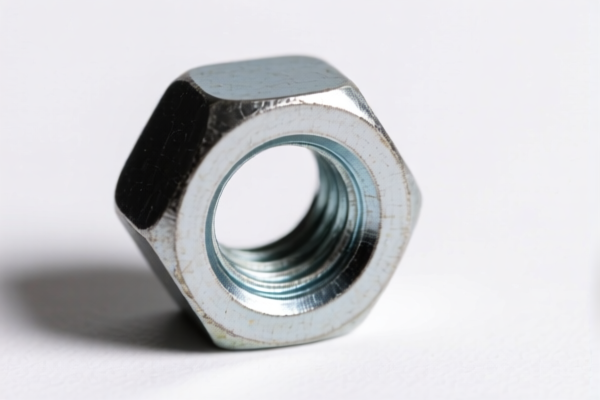
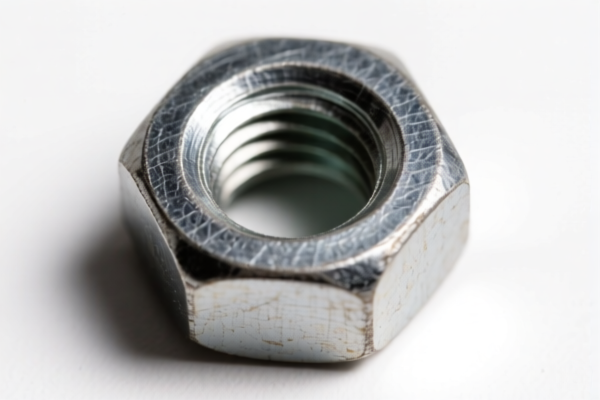
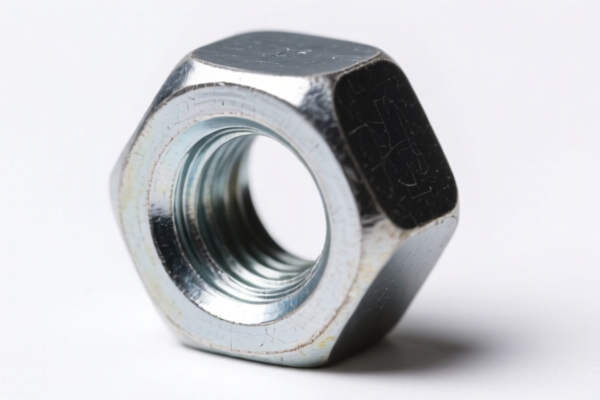
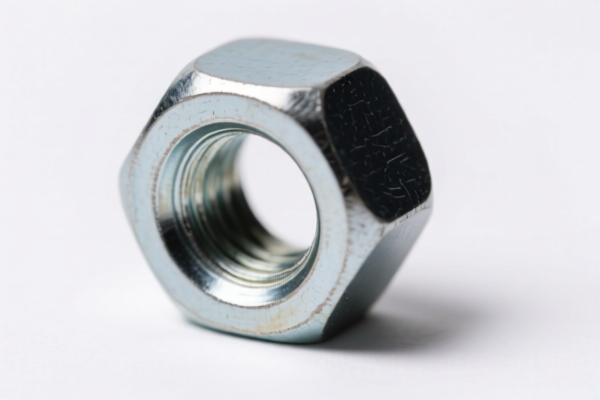
AI Analysis
🔩 Hex Long Nuts (High Hex Nuts / Jam Nuts)
🌐 HS Code Reference & Customs Clearance Guide | 2026 Latest Tariff Breakdown | Professional Strategy
📌 Part 1: Product Definition & Classification: Do You Know What "Hex Long Nuts" Really Are?
Hex Long Nuts (also known as High Hex Nuts, Double Nuts, or Long Hex Nuts) are threaded fasteners specifically designed with a greater height than standard hex nuts. They are used to: 1. Provide extra thread engagement for safety; 2. Allow for thick washers or multiple layers of materials; 3. Act as jam nuts (self-locking pairs) to prevent vibration loosening; 4. Serve as spacer nuts in structural engineering.
In international trade, they are primarily classified based on Material (Aluminum, Copper, Iron/Steel) and Size (Diameter of shank/thread >6mm vs. <6mm), as well as Thread Type (Standard, Self-locking).
⚠️ Key Distinction:
- If made of Aluminum → Go to Chapter 76 (HS 7616.10);
- If made of Copper → Go to Chapter 74 (HS 7415.33);
- If made of Iron or Steel (including Stainless) → Go to Chapter 73 (HS 7318.16).
- Critical Size Threshold: Whether the thread/shank diameter is ≥6mm or <6mm significantly impacts the sub-code and sometimes the tariff (especially for copper products).
📦 Part 2: HS Code Classification Details (2026 Tariff Authority Match)
(Based strictly on the provided DATA)
| HS Code | Product Description | Material | Size Condition | Applicable Scenario |
|---|---|---|---|---|
7616.10.70.30 |
Other articles of aluminum: Threaded fasteners | Aluminum | Shank/Thread/Hole > 6 mm | Large aluminum hex long nuts for aerospace/industrial frameworks. |
7616.10.90.30 |
Other articles of aluminum: Other threaded fasteners | Aluminum | All Other Sizes | Aluminum hex nuts not meeting the >6mm specific criteria or generic aluminum fasteners. |
7415.33.80.10 |
Nuts/Screws of copper: Other threaded articles | Copper | Shank/Thread/Hole ≥ 6 mm | Heavy-duty copper nuts (e.g., marine electrical grounding, large conduits). |
7415.33.80.50 |
Nuts/Screws of copper: Other threaded articles | Copper | Shank/Thread/Hole < 6 mm | Small/precision copper nuts (e.g., jewelry, small electronics, decorative fittings). |
7318.16.00.85 |
Nuts of iron/steel: Other threaded articles | Iron/Steel (Non-Stainless) | Standard/Other | Carbon steel hex long nuts (common structural bolts). |
7318.16.00.60 |
Nuts of iron/steel: Other threaded articles | Iron/Steel | Stainless Steel | Corrosion-resistant stainless steel hex long nuts (food, medical, chemical). |
🔍 Critical Reminder:
- Material is King: Misidentifying a "Long Nut" as the wrong material (e.g., Aluminum vs. Steel) will lead to complete misclassification.
- The 6mm Threshold for Copper: For copper products, the tariff is the same (50%), but the HS Code changes based on size. Ensure accurate measurement.
- Steel/Nuts: The distinction between Stainless (...60) and Carbon Steel (...85) is crucial for customs valuation and origin rules.
💰 Part 3: 2026 Latest Tariff Rate Breakdown (Detailed Policy Analysis)
✅ Context: Based on the provided tax data (likely US Market with "Steel/Aluminum/Copper Surtax").
✅ Product Origin: China (CN)
✅ Effective Time: 2025/2026 (Per Data Context)
🎯 1. Aluminum Products (7616.10.70.30 & 7616.10.90.30)
Highly favorable for Aluminum exporters due to low base duties.
| Item | Details |
|---|---|
| Base Duty | 0.0% (Free from standard ad valorem duty) |
| Surtax | 0.0% (No "Steel/Aluminum/Copper" surtax applies to these specific aluminum fastener codes in this dataset) |
| Total Tax | 0.0% |
| Calculation | CIF Value × 0% = $0 |
| Strategic Note | ⚡ Zero-Tariff Entry. These codes offer a massive cost advantage for aluminum fasteners. Ensure the product is strictly Aluminum, not plated steel. |
🎯 2. Copper Products (7415.33.80.10 & 7415.33.80.50)
Highly sensitive to the "Steel/Aluminum/Copper Surtax".
| Item | Details |
|---|---|
| Base Duty | 0.0% |
| Surtax | 50.0% (Specific "Steel, Aluminum, Copper Products Surtax") |
| Total Tax | 50.0% |
| Calculation | CIF Value × 50% = High Cost |
| Legal Path | Specific surtax clause for Copper fasteners. |
| Strategic Note | ⚠️ 50% Tax Bomb. Copper hex long nuts are heavily targeted. If possible, consider alternative materials (e.g., brass plated steel, or Aluminum) to avoid this surtax, unless the application strictly requires pure copper. |
🎯 3. Iron & Steel Products (7318.16.00.85 & 7318.16.00.60)
Includes both standard and stainless steel. The most common fastener category.
| Item | Details |
|---|---|
| Base Duty | 0.0% |
| Section 232/301 Surtax | 7.5% (Standard Section 232 Tariff for Steel) |
| Copper/Steel Surtax | 50.0% (Specific "Steel, Aluminum, Copper Products Surtax") |
| Total Tax | 57.5% |
| Calculation | CIF Value × 57.5% |
| Strategic Note | 🔥 Extremely High Duty. Whether Stainless (...60) or Carbon (...85), Iron/Steel nuts face a 57.5% combined duty. This makes importing steel fasteners from China to this market prohibitively expensive unless a specific exemption applies. |
🛠️ Part 4: Customs Clearance Practical Advice (Avoiding Pitfalls)
✅ 1. Preparation Checklist (Must-Haves)
| Document | Requirement | Why It Matters |
|---|---|---|
| Material Certificate | MUST | Proves if it's Aluminum (0% tax) vs. Steel (57.5%) vs. Copper (50%). Crucial! |
| Technical Spec Sheet | MUST | Must clearly state: "Hex Long Nut", Material Grade (e.g., 6061-Al, 304-SS), and Thread Diameter (to distinguish >6mm vs <6mm). |
| Photographs | MUST | Show the "Long" profile (height vs. width) and the hexagonal head. |
| Origin Declaration | MUST | China origin triggers the 57.5% or 50% surtax. |
✅ 2. Declaration Strategy (The "Golden Rule")
🔥 Rule: "Material First, Size Second, Description Third"
| Scenario | Correct HS Code | Risk of Wrong Code |
|---|---|---|
| Aluminum Long Nut (8mm) | 7616.10.70.30 |
If misclassified as Steel → 57.5% Tax! |
| Aluminum Long Nut (4mm) | 7616.10.90.30 |
If misclassified as >6mm → Minor error, but consistency needed. |
| Copper Long Nut (7mm) | 7415.33.80.10 |
If misclassified as <6mm → Same tax (50%), but compliance audit risk. |
| Steel Long Nut (Any Size) | 7318.16.00.60 (Stainless) or ...85 (Carbon) |
Always 57.5%. No size loophole for Steel here. |
✅ 3. Special Handling Tips
- The "Plated" Trap: If the nut is Steel with Copper Plating, it is NOT Copper. It is Steel. It will be taxed at 57.5%, not 50%. Do not claim "Copper" for plated items.
- The "Aluminum" Trap: If the nut is Aluminum with Zinc Plating, it is still Aluminum. Tax = 0%. Keep the plating specs clear to avoid reclassification.
- Size Measurement: For Copper, measure the Major Diameter of the Thread (e.g., M6 = 6mm, M8 = 8mm).
- ≥6mm →
...80.10 - <6mm →
...80.50
- ≥6mm →
- Stainless Steel Nuance: Stainless steel nuts (
7318.16.00.60) do not get a lower rate just because they are "stainless". The 57.5% surtax applies.
🌍 Part 5: Global Market Comparison (Quick View)
| Market | Material | HS Code | Total Duty (Approx.) | Strategy |
|---|---|---|---|---|
| 🇺🇸 USA | Aluminum | 7616.10... |
0.0% | ✅ Best for Aluminum |
| 🇺🇸 USA | Copper | 7415.33... |
50.0% | ⚠️ Avoid Copper (High cost) |
| 🇺🇸 USA | Steel | 7318.16... |
57.5% | ❌ Avoid Steel (Very High cost) |
| 🇪🇺 EU | Aluminum/Steel | Varies | Low (2-5%) | ✅ Favorable (No Surtax) |
| 🇨🇳 China | Any | Varies | 1-5% | ✅ Domestic/Local |
📌 Conclusion:
- Aluminum Hex Long Nuts are the only profitable category in this dataset (0% tax).
- Steel and Copper Hex Long Nuts face punitive tariffs (50-57.5%).
- Action: If you are importing these to the US market, switch suppliers to non-steel/copper materials or look for third-country manufacturing (e.g., Vietnam, Mexico) to bypass the surtax.
🎯 Part 6: Common Mistakes & Solutions
❌ Mistake 1: Calling "Steel Nuts" "Aluminum" to get 0% tax.
👉 Result: Severe Fraud Penalty + Back Taxes + Criminal Investigation.
✅ Fix: Submit material test reports.
❌ Mistake 2: Claiming "Copper" for "Brass" or "Plated Steel" nuts.
👉 Result: 7.5% Base Duty + 50% Surtax = 57.5% Tax + Audit.
✅ Fix: Be honest about material. Brass usually falls under Copper chapter but check specific sub-rules.
❌ Mistake 3: Ignoring the 6mm threshold for Copper.
👉 Result: Minor code error, but customs may question the size measurement.
✅ Fix: Always include thread diameter in the commercial invoice.
✅ Correct Declaration Example:
"Hex Long Nuts, Material: Aluminum Alloy 6061, Thread Diameter: 8mm, Finish: Anodized, Model: AL-LN-001"
HS Code:7616.10.70.30
Tax: 0.0%
🚀 Part 7: Final Verdict & Action Plan
🎯 Remember the Formula:
🔹 Aluminum = 0% (Zero Duty)
🔹 Copper = 50% (Huge Surtax)
🔹 Steel = 57.5% (Huge Surtax + Base)
📌 Clearance Suggestion:
1. Verify Material: Get a mill test certificate immediately.
2. Measure Precisely: Ensure thread diameter is accurate (especially for Copper).
3. Optimize Design: If the application allows, switch from Steel/Copper to Aluminum to save 57.5% and 50% in duty costs respectively.
4. Pre-Arrange: Apply for HS Code pre-rulings if unsure about the plating/material mix.
✨ Professional Customs Clearance Starts with Accurate HS Codes!
💼 Save 57% by choosing Aluminum! Don't let duty costs eat your profit!
Customer Reviews
About HS Code Classification
The Harmonized System (HS) is an internationally standardized nomenclature developed by the World Customs Organization (WCO) to classify traded products. Over 200 countries use the HS system as the basis for customs tariffs, trade statistics, and import/export regulations.
Each HS code follows a hierarchical structure:
- Chapter (2 digits) — Broad category of goods (e.g., Chapter 84: Machinery and Mechanical Appliances)
- Heading (4 digits) — More specific grouping within the chapter
- Subheading (6 digits) — Internationally standardized breakdown, used by all WCO member countries
- National subdivisions (8-10 digits) — Country-specific extensions for further classification, such as US HTSUS 10-digit codes
Correct HS code classification is essential for smooth customs clearance, accurate duty payment, and compliance with trade regulations. Misclassification can lead to customs delays, overpayment of duties, or penalties.
When importing from CN to US, the applicable tariff rates may include:
- Most-Favored-Nation (MFN) rate — The standard duty rate applied to WTO members
- General rate — Applied to countries without trade agreements
- Trade remedy duties — Additional tariffs such as Section 301 (anti-dumping), Section 232 (national security), or countervailing duties
The information provided on this page is for reference purposes only. For official classification, please consult with your local customs authority or a licensed customs broker.