其他服装及服装配饰
CN → US| HS Code | Tariff Rate | Origin | Destination | Doc |
|---|---|---|---|---|
| 6217108500 | 24.6% | CN | US | Official Doc |
| 6217109550 | 32.1% | CN | US | Official Doc |
| 7117909000 | 28.5% | CN | US | Official Doc |
| 6117809570 | 32.1% | CN | US | Official Doc |
| 6117909095 | 32.1% | CN | US | Official Doc |
Product Images
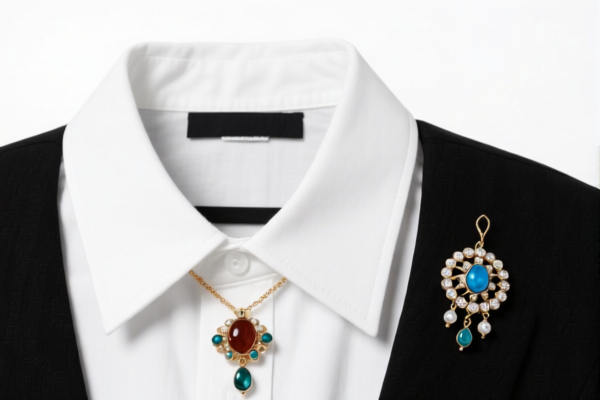
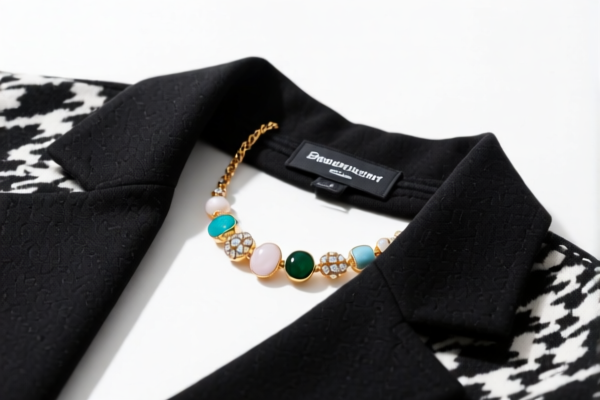
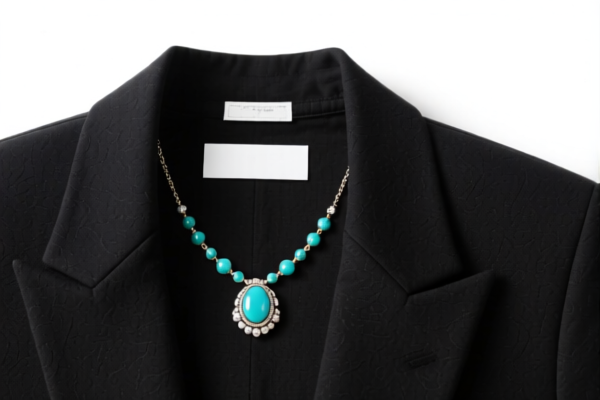
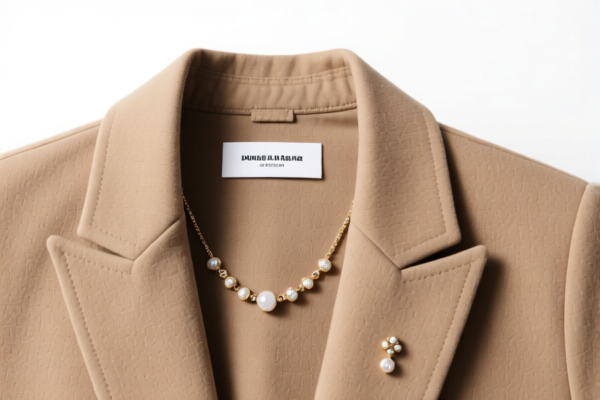
AI Analysis
👗 Other Garments and Garment Accessories
🌐 HS Code Reference & Customs Clearance Guide | 2026 Latest Tariff Analysis | Professional Clearance Strategy
📌 I. Product Definition & Classification: Do You Truly Understand "Other Garments and Accessories"?
"Other Garments and Garment Accessories" is a broad category in international trade, covering anything from knitted/crocheted trims to sewn fabric accessories that are not complete garments themselves. The key to accurate classification lies in material composition (knitted vs. woven) and specific nature (embroidery, belts, suspenders, etc.).
⚠️ Key Distinction Points:
- Knitted or Crocheted Trims (e.g., knitted labels, knitted belts): Must fall under Chapter 61.
- Sewn/Woven Accessories (e.g., embroidered patches, non-knitted belts): Must fall under Chapter 62.
- Baseball Caps/Hats: Often confused, but if they are classified under "Other," they might fall under Chapter 65, but if strictly "accessories" without head-covering function, they may fall into 7117.90.90.00 (Imitation Jewelry/Accessories) based on specific tariff interpretations.
- Catch-all Clauses: If the item doesn't fit specific subheadings, it falls into the "Other" (Residual) categories of Chapters 61 or 62.
📦 II. HS Code Classification Details (2026 Latest Tariff Authority Comparison)
| HS Code | Product Description | Application Scenario | Material/Type Conflict? |
|---|---|---|---|
6217.10.85.00 |
Other made-up clothing accessories, other | Woven accessories not specifically listed elsewhere (e.g., woven belts, non-embroidered trims) | ❌ No conflict with Chapter 62 |
6217.10.95.50 |
Other made-up clothing accessories, other | Matches "Other made up clothing accessories" in classification explanations; generic woven accessories | ❌ No conflict |
7117.90.90.00 |
Other imitation jewelry and accessories | Used as a residual catch-all for accessories not covered in Ch. 61/62; based on logical inference for non-textile or ambiguous accessories | ❌ No material conflict (assumed non-garment specific) |
6117.80.95.70 |
Other made up clothing accessories, knitted/crocheted | Knitted accessories (e.g., knitted ties, knitted bands) not specifically listed | ❌ No material conflict (Knitted) |
6117.90.90.95 |
Other knitted or crocheted clothing accessories | Residual category for knitted/crocheted trims/accessories | ❌ No material conflict (Knitted) |
🔍 Important Reminder:
- Knitted (Ch 61) vs. Woven (Ch 62) is the primary divider.
- If the accessory is embroidered, it often falls under Ch 61/62 "Embroidery" subheadings, but if the embroidery is minimal or purely decorative on a generic base, it may fall into the "Other" categories above.
- Chapter 71 is used only when the item is classified as an "accessory" under general interpretation rules and does not fit the specific textile definitions of Ch 61/62.
💰 III. 2026 Latest Tariff Rate Breakdown (Including Additional Duties & Policy Surcharges)
✅ Applicable Country: United States (US)
✅ Country of Origin: China (CN)
✅ Effective Date: From Nov 10, 2025 (including subsequent imports)
🎯 1. 6217.10.85.00 — Other Woven Clothing Accessories
| Item | Content |
|---|---|
| Basic Tariff | 14.6% (ad valorem) |
| Section 301 Additional Duty | 0.0% |
| Section 122 Duty | +10.0% (Specific provision for certain textile/accessory items) |
| Total Tariff Rate | 24.6% |
| Tax Calculation | CIF Value × 24.6% |
| De Minimis Eligibility | ❌ Not Eligible (deny_de_minimis) |
| Legal Basis Path | Base:6217.10 → ADD:122:10% |
📌 Explanation:
- The 14.6% is the standard Most Favored Nation (MFN) rate for other made-up clothing accessories.
- The 10% Section 122 duty applies specifically to this subheading under current U.S. trade regulations.
- No Section 301 duty applies here, keeping the total relatively lower compared to other accessory categories.
🎯 2. 6217.10.95.50 — Other Woven Clothing Accessories (High Tariff Bracket)
| Item | Content |
|---|---|
| Basic Tariff | 14.6% |
| Section 301 Additional Duty | +7.5% |
| Section 122 Duty | +10.0% |
| Total Tariff Rate | 32.1% |
| Tax Calculation | CIF Value × 32.1% |
| De Minimis Eligibility | ❌ Not Eligible (deny_de_minimis) |
| Legal Basis Path | Base:6217.10 → ADD:301:7.5% → ADD:122:10% |
📌 Note:
- This subheading falls under the Section 301 list, adding an extra 7.5%.
- Combined with the 10% Section 122 duty, the total rate is 32.1%.
- Even small items like woven labels or belts can incur this high rate if classified here.
🎯 3. 7117.90.90.00 — Other Imitation Jewelry and Accessories
| Item | Content |
|---|---|
| Basic Tariff | 11.0% |
| Section 301 Additional Duty | +7.5% |
| Section 122 Duty | +10.0% |
| Total Tariff Rate | 28.5% |
| Tax Calculation | CIF Value × 28.5% |
| De Minimis Eligibility | ❌ Not Eligible (deny_de_minimis) |
| Legal Basis Path | Base:7117.90 → ADD:301:7.5% → ADD:122:10% |
📌 Explanation:
- Classified under Chapter 71, the base rate is lower (11.0%).
- However, it still attracts 7.5% Section 301 and 10% Section 122 duties.
- Use this code only if the item is clearly an "accessory" but not specifically defined as a garment accessory in Ch 61/62.
🎯 4. 6117.80.95.70 — Other Knitted/Crocheted Clothing Accessories
| Item | Content |
|---|---|
| Basic Tariff | 14.6% |
| Section 301 Additional Duty | +7.5% |
| Section 122 Duty | +10.0% |
| Total Tariff Rate | 32.1% |
| Tax Calculation | CIF Value × 32.1% |
| De Minimis Eligibility | ❌ Not Eligible (deny_de_minimis) |
| Legal Basis Path | Base:6117.80 → ADD:301:7.5% → ADD:122:10% |
📌 Note:
- Knitted accessories are subject to the same high additional duties as woven ones in this category.
- Total rate is 32.1%.
🎯 5. 6117.90.90.95 — Other Knitted/Crocheted Clothing Accessories (Residual)
| Item | Content |
|---|---|
| Basic Tariff | 14.6% |
| Section 301 Additional Duty | +7.5% |
| Section 122 Duty | +10.0% |
| Total Tariff Rate | 32.1% |
| Tax Calculation | CIF Value × 32.1% |
| De Minimis Eligibility | ❌ Not Eligible (deny_de_minimis) |
| Legal Basis Path | Base:6117.90 → ADD:301:7.5% → ADD:122:10% |
📌 Note:
- This is the catch-all for knitted/crocheted accessories not listed elsewhere.
- Total rate is 32.1%.
🛠️ IV. Customs Clearance Practical Advice (Battle-Tested Pitfall Avoidance Guide)
✅ 1. Required Documentation Checklist (Mandatory)
| Document | Required | Description |
|---|---|---|
| ✅ Product Specification Sheet | ✔️ | Must specify material (knitted/woven), dimensions, and function. |
| ✅ Material Composition Label | ✔️ | Critical for distinguishing between Ch 61 (Knitted) and Ch 62 (Woven). |
| ✅ Product Photos (Clear) | ✔️ | Show close-ups of texture (knit vs. weave) and any embroidery. |
| ✅ Commercial Invoice | ✔️ | Accurately describe as "Garment Accessories" with HS Code. |
| ✅ Packing List | ✔️ | Ensure accessories are not mixed with complete garments in a way that confuses classification. |
✅ 2. Declaration Tips (Key Mantra)
🔥 “Knit is 61, Woven is 62, 122 adds ten, 301 adds seven-five! Total is high, declare right!”
| Situation | Correct Declaration | Incorrect Practice |
|---|---|---|
| Knitted Labels/Tags | 6117.90.90.95 or 6117.80.95.70 |
Misdeclare as woven → Risk of penalty |
| Woven Belts/Straps | 6217.10.85.00 (24.6%) or 95.50 (32.1%) |
Misdeclare as jewelry → Wrong HS |
| Embroidered Patches | Check if Ch 61/62 Embroidery subheading applies first | Jump to "Other" without checking embroidery rules |
| Baseball Caps | Check Ch 65 first! | Force into Ch 61/62 "Accessories" |
✅ 3. Special Case Handling
| Situation | Handling Advice |
|---|---|
| Mixed Materials | If an accessory has both knitted and woven parts, classify based on the essential character or material that gives it its main value. |
| Embroidery | Embroidered accessories often have specific subheadings. Check Ch 61/62 for "Embroidery" before using "Other". |
| Low-Value Shipments | ❌ No De Minimis Exemption: Section 122 and 301 duties apply even for small packages. |
| OEM Accessories | Provide supplier declarations on material composition to support classification. |
🌍 V. Global Major Market Clearance Comparison (2026 Latest)
| Country/Region | Recommended HS Code | Tariff (China Origin) | Certification | Notes |
|---|---|---|---|---|
| 🇺🇸 USA | 6217.10.85.00 |
24.6% (Woven) | None | High additional duties (122+301) |
| 🇪🇺 EU | 6217.90 |
~6.5% | CE (if applicable) | No Section 122/301 equivalent |
| 🇨🇳 China | 6217.10 |
10.5% | None | Lower base rate |
| 🇬🇧 UK | 6217.90 |
~6.5% | UKCA | Post-Brexit rules apply |
| 🇦🇺 Australia | 6217.90 |
5% | None | FTA may apply with China |
📌 Conclusion:
- USA has the highest duty burden for garment accessories due to Section 122 and Section 301.
- EU and UK have significantly lower tariffs.
- Always verify if the item qualifies for a specific subheading to avoid the "Other" residual categories which may attract higher duties.
📌 VI. Common Errors & Pitfall Guide (Blood and Tears Lessons)
❌ Error 1: Confusing Knitted vs. Woven
👉 Consequence: Wrong HS Code → Wrong Duty Rate (e.g., 14.6% vs 14.6% but different ADDs) → Delay in clearance.
❌ Error 2: Forgetting Section 122 Duty
👉 Consequence: Under-declaration by 10% → Back taxes + Penalties upon audit.
❌ Error 3: Misclassifying Embroidery as "Other"
👉 Consequence: If specific embroidery subheadings exist, they may have different rates. Using "Other" might lead to incorrect classification if the embroidery is the defining feature.
❌ Error 4: Assuming De Minimis Applies
👉 Consequence: Packages under $800 are NOT exempt from Section 122 and 301 duties → Unexpected costs.
✅ Correct Practice:
"Knitted Cotton Labels, 2cm x 5cm, for Garment Branding, Made in China, HS 6117.90.90.95"
🎯 VII. Conclusion: Precision Classification Saves Money!
🎯 Remember the Mantra:
🔹 "Knit is 61, Woven is 62; 122 adds ten, 301 adds seven-five; Total is 32, don't misdeceive!"
🔹 "No De Minimis for Accessories, declare every piece, save on stresses!"
📌 Pro Tip:
If your accessories are originating from Vietnam, Mexico, Thailand, or Malaysia, you may qualify for IEEPA Exemptions or lower tariffs under FTAs.
Recommend applying for an Advance Ruling from CBP to confirm the correct HS Code and duty liability before shipping.
📣 Take Action Now:
📞 Contact a professional customs broker + Provide material specs + Apply for HS Code Advance Ruling
🚀 Ensure your garment accessories clear customs smoothly, avoid unexpected costs, and boost your profit margins!
✨ Professional clearance starts with precise classification!
💼 Every percentage point matters in global trade!
Customer Reviews
About HS Code Classification
The Harmonized System (HS) is an internationally standardized nomenclature developed by the World Customs Organization (WCO) to classify traded products. Over 200 countries use the HS system as the basis for customs tariffs, trade statistics, and import/export regulations.
Each HS code follows a hierarchical structure:
- Chapter (2 digits) — Broad category of goods (e.g., Chapter 84: Machinery and Mechanical Appliances)
- Heading (4 digits) — More specific grouping within the chapter
- Subheading (6 digits) — Internationally standardized breakdown, used by all WCO member countries
- National subdivisions (8-10 digits) — Country-specific extensions for further classification, such as US HTSUS 10-digit codes
Correct HS code classification is essential for smooth customs clearance, accurate duty payment, and compliance with trade regulations. Misclassification can lead to customs delays, overpayment of duties, or penalties.
When importing from CN to US, the applicable tariff rates may include:
- Most-Favored-Nation (MFN) rate — The standard duty rate applied to WTO members
- General rate — Applied to countries without trade agreements
- Trade remedy duties — Additional tariffs such as Section 301 (anti-dumping), Section 232 (national security), or countervailing duties
The information provided on this page is for reference purposes only. For official classification, please consult with your local customs authority or a licensed customs broker.