其他材料装饰摆件
CN → US| HS Code | Tariff Rate | Origin | Destination | Doc |
|---|---|---|---|---|
| 6913105000 | 17.5% | CN | US | Official Doc |
| 6913905000 | 23.5% | CN | US | Official Doc |
| 4420908000 | 38.2% | CN | US | Official Doc |
| 4420190000 | 13.2% | CN | US | Official Doc |
| 7018905000 | 41.6% | CN | US | Official Doc |
Product Images

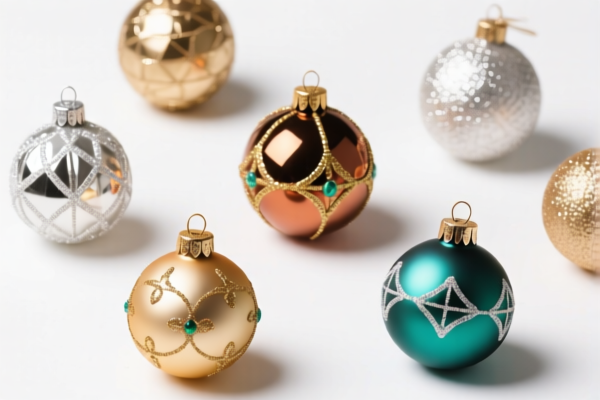

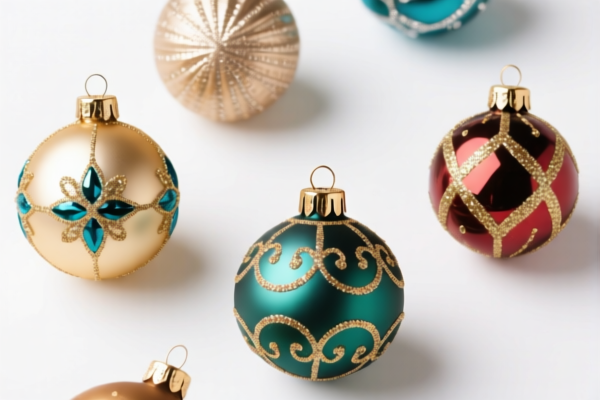
AI Analysis
🎨 "Other Material Decorative Ornaments" (HS Code Classification & Customs Clearance Guide)
🌐 HS Code Reference & Clearance Guide | 2026 Latest Tariff Analysis | Professional-Level Customs Strategy
📌 I. Product Definition & Classification: What exactly are "Other Material Decorative Ornaments"?
"Other Material Decorative Ornaments" refer to decorative items made from materials other than ceramics or wood (as those have specific headings in the HS code system, e.g., Chapter 69 for ceramics, Chapter 44 for wood). These items are primarily used for decorative purposes, such as home decor, office embellishments, gift items, or holiday decorations.
Common materials include: - Glass (e.g., blown glass figurines, stained glass ornaments) - Metal (e.g., bronze statues, metal wire sculptures) - Plastic/Resin (e.g., resin figurines, plastic snow globes) - Stone/Crystal (e.g., crystal vases, stone carvings) - Composite materials (e.g., metal-glass hybrids)
⚠️ Key Distinction:
- If the item is made of ceramic, it falls under Chapter 69 (e.g., 6913.10.50.00, 6913.90.50.00).
- If the item is made of wood, it falls under Chapter 44 (e.g., 4420.90.80.00, 4420.19.00.00).
- If the item is made of glass, it falls under Chapter 70 (e.g., 7018.90.50.00).
- "Other materials" must be classified based on their primary material and function. Misclassification can lead to significant tariff differences.
📦 II. HS Code Classification Details (2026 Latest Tariff Authority Comparison)
Based on the provided <DATA>, here are the specific HS codes, their descriptions, and why they apply:
| HS Code | Product Description | Material | Why This Code Applies |
|---|---|---|---|
6913.10.50.00 |
Ceramic decorative articles | Ceramic | Specifically for decorative ceramics. If the ornament is made of ceramic (e.g., porcelain figurines, ceramic vases), this is the correct classification. |
6913.90.50.00 |
Other decorative ceramic articles | Ceramic | For ceramic decorative items that do not fit into the specific subheadings of 6913.10. Matches the form and purpose of decorative ceramics. |
4420.90.80.00 |
Other wooden ornaments | Wood | Based on common sense, if the ornament is made of wood (e.g., wooden carvings, wooden figurines), it falls under this code. |
4420.19.00.00 |
Other wooden ornaments | Wood | Purpose aligns with decorative use. For wooden decorative items that fit this specific subheading. |
7018.90.50.00 |
Glass blower's work figurines and other decorative articles | Glass | Material is glass. This code covers glass ornaments, such as blown glass figurines, glass snow globes, or decorative glass pieces. |
🔍 Critical Note:
- "Other Material" in the user's query is ambiguous. The<DATA>only provides codes for Ceramic, Wood, and Glass.
- If the ornament is made of plastic, metal, stone, or resin, it would fall under different HS codes (e.g., Chapter 39 for plastics, Chapter 71 for precious metals/stone, Chapter 83 for base metal articles).
- Do not assume "Other Material" means ceramic, wood, or glass. You must identify the primary material.
💰 III. 2026 Latest Tariff Rate Details (Including Surcharges & Policy Add-ons)
✅ Applicable Country: United States (US)
✅ Origin: China (CN)
✅ Effective Date: November 10, 2025 (including subsequent imports)
🎯 1. 6913.10.50.00 — Ceramic Decorative Articles
| Item | Detail |
|---|---|
| Base Tariff | 0.0% (ad valorem) |
| Section 301 Surcharge | +7.5% |
| Section 122 Tariff | +10% |
| Total Tariff Rate | 17.5% |
| Tax Calculation | CIF Value × 17.5% |
| De Minimis Eligibility | ❌ Not Eligible (deny_de_minimis) |
| Legal Basis Path | Section 301:7.5% → Section 122:10% → USITC:6913.10.50.00 |
📌 Explanation:
- Base Tariff: 0% for decorative ceramics.
- Section 301: 7.5% surcharge for Chinese-origin goods.
- Section 122: Additional 10% tariff.
- Total: 17.5%. This is a moderate tariff compared to other categories.
🎯 2. 6913.90.50.00 — Other Decorative Ceramic Articles
| Item | Detail |
|---|---|
| Base Tariff | 6.0% (ad valorem) |
| Section 301 Surcharge | +7.5% |
| Section 122 Tariff | +10% |
| Total Tariff Rate | 23.5% |
| Tax Calculation | CIF Value × 23.5% |
| De Minimis Eligibility | ❌ Not Eligible (deny_de_minimis) |
| Legal Basis Path | Section 301:7.5% → Section 122:10% → USITC:6913.90.50.00 |
📌 Explanation:
- Base Tariff: 6.0% for other decorative ceramics.
- Section 301: 7.5% surcharge.
- Section 122: Additional 10%.
- Total: 23.5%. This is a higher tariff than6913.10.50.00due to the higher base rate.
🎯 3. 4420.90.80.00 — Other Wooden Ornaments
| Item | Detail |
|---|---|
| Base Tariff | 3.2% (ad valorem) |
| Section 301 Surcharge | +25.0% |
| Section 122 Tariff | +10% |
| Total Tariff Rate | 38.2% |
| Tax Calculation | CIF Value × 38.2% |
| De Minimis Eligibility | ❌ Not Eligible (deny_de_minimis) |
| Legal Basis Path | Section 301:25.0% → Section 122:10% → USITC:4420.90.80.00 |
📌 Explanation:
- Base Tariff: 3.2% for wooden ornaments.
- Section 301: 25.0% surcharge (high!).
- Section 122: Additional 10%.
- Total: 38.2%. This is a very high tariff due to the 25% Section 301 surcharge on wooden products.
🎯 4. 4420.19.00.00 — Other Wooden Ornaments
| Item | Detail |
|---|---|
| Base Tariff | 3.2% (ad valorem) |
| Section 301 Surcharge | +0.0% |
| Section 122 Tariff | +10% |
| Total Tariff Rate | 13.2% |
| Tax Calculation | CIF Value × 13.2% |
| De Minimis Eligibility | ❌ Not Eligible (deny_de_minimis) |
| Legal Basis Path | Section 122:10% → USITC:4420.19.00.00 |
📌 Explanation:
- Base Tariff: 3.2% for wooden ornaments.
- Section 301: 0% surcharge (exempt!).
- Section 122: Additional 10%.
- Total: 13.2%. This is the lowest tariff among wooden ornaments, making it the most cost-effective choice if applicable.
🎯 5. 7018.90.50.00 — Glass Blower’s Work Figurines & Other Decorative Articles
| Item | Detail |
|---|---|
| Base Tariff | 6.6% (ad valorem) |
| Section 301 Surcharge | +25.0% |
| Section 122 Tariff | +10% |
| Total Tariff Rate | 41.6% |
| Tax Calculation | CIF Value × 41.6% |
| De Minimis Eligibility | ❌ Not Eligible (deny_de_minimis) |
| Legal Basis Path | Section 301:25.0% → Section 122:10% → USITC:7018.90.50.00 |
📌 Explanation:
- Base Tariff: 6.6% for glass decorative articles.
- Section 301: 25.0% surcharge (high!).
- Section 122: Additional 10%.
- Total: 41.6%. This is the highest tariff among all listed codes, making glass ornaments very expensive to import.
🛠️ IV. Customs Clearance Practical Advice (Real-World Pitfall Avoidance Guide)
✅ 1. Preparation Checklist (All Documents Required)
| Document | Required? | Explanation |
|---|---|---|
| ✅ Product Specification Sheet | ✔️ | Includes dimensions, weight, material composition, decorative features. |
| ✅ Material Composition Report | ✔️ | Must clearly state the primary material (e.g., "90% Glass, 10% Metal Base"). |
| ✅ Product Photos (Including Label) | ✔️ | Clear images showing the ornament, packaging, and any branding. |
| ✅ Third-Party Test Reports | ✔️ | If applicable (e.g., lead content tests for painted ceramics, flammability tests for resin). |
| ✅ Commercial Invoice | ✔️ | Must explicitly state "Decorative Article" and material (e.g., "Ceramic Ornament, Porcelain"). |
| ✅ Certificate of Origin (CO) | ✔️ | Essential for determining Section 301 and Section 122 applicability. |
| ✅ Packing List | ✔️ | Details each item, ensuring no mixed materials in a single shipment unless properly declared. |
✅ 2. Declaration Tips (Key Mnemonics)
🔥 "Material First, Function Second, Name Precise, Tariff Lowered!"
| Scenario | Correct Declaration | Incorrect Practice |
|---|---|---|
| Ceramic Ornament | 6913.10.50.00 or 6913.90.50.00 |
Misdeclaring as "Plastic Ornament" → 41.6% |
| Wooden Ornament | 4420.19.00.00 (if eligible) or 4420.90.80.00 |
Misdeclaring as "Metal Ornament" → Higher tariffs |
| Glass Ornament | 7018.90.50.00 |
Misdeclaring as "Ceramic Ornament" → 17.5% vs 41.6% |
| Mixed Material Ornament | Declare primary material | Splitting shipment → Each component taxed separately |
✅ 3. Special Case Handling
| Scenario | Handling Advice |
|---|---|
| OEM Custom Ornaments | Provide design drawings + client order. Avoid being classified as "non-standard" to prevent higher tariffs. |
| Ornaments with Electrical Components (e.g., LED-lit) | May fall under Chapter 85 or Chapter 94. Do not declare as "decorative ornament" only. |
| Ornaments for Medical/Industrial Use | If for specialized use, apply for "non-commercial use" exemption with proof. |
| Ornaments for Military/Aerospace | Apply for "special use" declaration. Tariffs may be reduced, but requires prior communication. |
🌍 V. Global Major Market Clearance Comparison (2026 Latest)
| Country/Region | Recommended HS Code | Tariff | Certification Requirements | Notes |
|---|---|---|---|---|
| 🇺🇸 USA | 7018.90.50.00 (Glass) |
41.6% | Lead-free test, Prop 65 | Highest tariff for glass |
| 🇨🇳 China | 6913.10.50.00 (Ceramic) |
5% | CCC (if applicable) | Low base tariff, no surcharges |
| 🇪🇺 EU | 6913.90.50.00 (Ceramic) |
0% (if CE compliant) | CE, RoHS | No surcharges |
| 🇦🇺 Australia | 4420.90.80.00 (Wood) |
5% | RCM | No surcharges |
| 🇯🇵 Japan | 7018.90.50.00 (Glass) |
0% | PSE | No surcharges |
📌 Conclusion:
- USA is the only market imposing high surcharges (Section 301 + Section 122).
- Chinese-origin ornaments face significant tariffs in the US, especially glass and wood products.
- EU and Japan have lower barriers, making them more attractive markets for decorative ornaments.
📌 VI. Common Mistakes & Pitfall Avoidance Guide (Lessons from Blood)
❌ Mistake 1: Declaring "Glass Ornament" as "Ceramic Ornament"
👉 Consequence: Tariff drops from 41.6% to 17.5% → Audit risk + Penalties!
❌ Mistake 2: Declaring "Wooden Ornament" as "Plastic Ornament"
👉 Consequence: Tariff jumps from 13.2% to 38.2% → Heavy surcharge!
❌ Mistake 3: Not providing material composition report
👉 Consequence: Customs cannot determine primary material → Delayed release or return!
❌ Mistake 4: Using "Decorative Item" as the only description
👉 Consequence: Ambiguous classification → Higher default tariff!
✅ Correct Practice:
"Glass Figurine, Hand-Blown, Decorative Ornament, 10cm Height, 200g Weight, Model XYZ, Lead-Free Certified"
🎯 VII. Conclusion: Professional Declaration, Save Time, Reduce Costs!
🎯 Remember the Mnemonic:
🔹 "Material First, Tariff Key, Glass High, Wood Mixed, Ceramic Low!"
🔹 "HS Code Decides Destiny, Tariff Differs by 25 Points, Declaration Off by Step, Thousands in Tax!"
📌 Pro Tip:
If your ornaments are originating from Vietnam, Mexico, Thailand, or Malaysia, you may apply for IEEPA Exemption, reducing tariffs to 0%~5%.
It is recommended to apply for an Advance Ruling to avoid clearance risks.
📣 Act Now:
📞 Contact Professional Customs Broker + Provide Product Photos + Apply for HS Code Advance Ruling
🚀 Let your ornaments Clear Customs Smoothly, Export Efficiently, and Double Profits!
✨ Professional Clearance, Starting with Accurate Classification!
💼 Every Cent of Your Cost Deserves to Be Calculated Precisely!
Customer Reviews
About HS Code Classification
The Harmonized System (HS) is an internationally standardized nomenclature developed by the World Customs Organization (WCO) to classify traded products. Over 200 countries use the HS system as the basis for customs tariffs, trade statistics, and import/export regulations.
Each HS code follows a hierarchical structure:
- Chapter (2 digits) — Broad category of goods (e.g., Chapter 84: Machinery and Mechanical Appliances)
- Heading (4 digits) — More specific grouping within the chapter
- Subheading (6 digits) — Internationally standardized breakdown, used by all WCO member countries
- National subdivisions (8-10 digits) — Country-specific extensions for further classification, such as US HTSUS 10-digit codes
Correct HS code classification is essential for smooth customs clearance, accurate duty payment, and compliance with trade regulations. Misclassification can lead to customs delays, overpayment of duties, or penalties.
When importing from CN to US, the applicable tariff rates may include:
- Most-Favored-Nation (MFN) rate — The standard duty rate applied to WTO members
- General rate — Applied to countries without trade agreements
- Trade remedy duties — Additional tariffs such as Section 301 (anti-dumping), Section 232 (national security), or countervailing duties
The information provided on this page is for reference purposes only. For official classification, please consult with your local customs authority or a licensed customs broker.