其他材质的运动手套
CN → US| HS Code | Tariff Rate | Origin | Destination | Doc |
|---|---|---|---|---|
| 3926201020 | 10.0% | CN | US | Official Doc |
| 5603120070 | 35.0% | CN | US | Official Doc |
| 3926204010 | 16.5% | CN | US | Official Doc |
| 5603110070 | 35.0% | CN | US | Official Doc |
| 5603110070 | 35.0% | CN | US | Official Doc |
Product Images
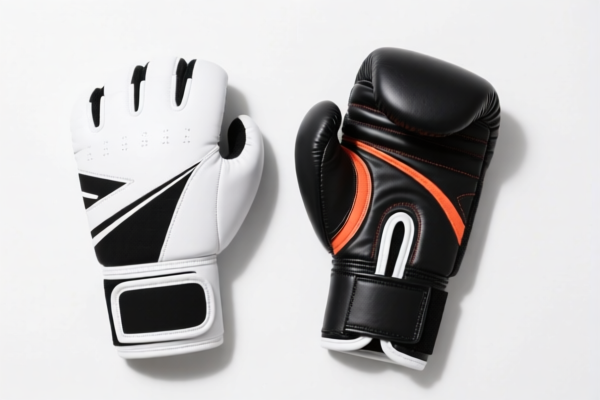
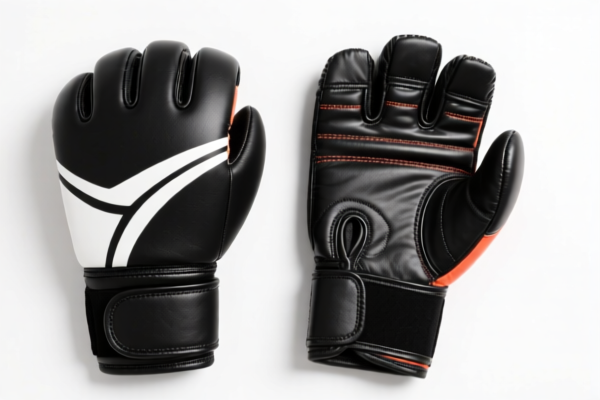
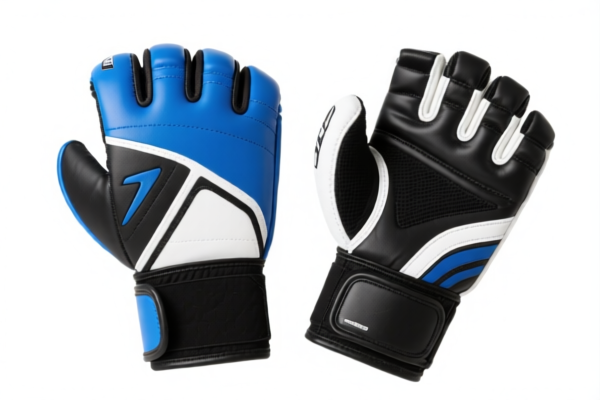
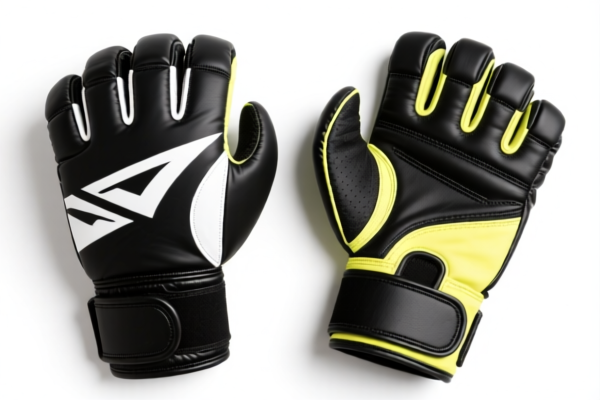
AI Analysis
🧤 Industrial & Sports Gloves (Other Materials)
🌐 HS Code Reference & Customs Clearance Guide | 2026 Latest Tariff Analysis | Professional-Level Classification Strategy
📌 I. Product Definition: What is "Other Material Gloves"?
In international trade, gloves made from "other materials" (excluding cotton, leather, or standard textile knitting) usually refer to gloves made from plastics, non-woven fabrics, or synthetic composites. The classification depends heavily on the material composition and the manufacturing method (knitted vs. non-knitted/molded).
⚠️ Key Distinction Point:
- If the glove is plastic-coated or made of solid plastic/rubber → Classified under Chapter 39 (Plastics).
- If the glove is non-woven fabric (e.g., PP, PET) → Classified under Chapter 56 (Non-wovens).
- If the glove is knitted from other textile fibers (e.g., nylon, polyester) → Classified under Chapter 61 (Knitted Apparel).
📦 II. HS Code Classification Details (2026 Latest Tariff Authority)
The following HS Codes are derived strictly from the provided data for "Other Material Industrial/Sports Gloves."
| HS Code | Product Description | Material Logic | Application Scenario |
|---|---|---|---|
3926.20.10.20 |
Other gloves of plastics | Plastic material inferred from "other material" and uniform shape/usage | PVC/PE coated gloves, industrial protection gloves, plastic sports grips |
3926.20.40.10 |
Other plastics gloves | Plastic/Synthetic material category, fits "other plastic products" fallback | Solid plastic gloves, molded rubber/plastic industrial gloves |
5603.12.00.70 |
Other non-woven fabric gloves | Non-woven fabric logic, "other material" is compatible | Disposable PP non-woven gloves, hygiene/sports cleaning gloves |
5603.11.00.70 |
Other non-woven fabric products | Non-woven goods fallback attribute | Thin non-woven liners, lightweight protective gloves |
6116.99.95.10 |
Seamless gloves of other textiles | Other textile fibers, seamless construction | Knitted synthetic sports gloves (e.g., polyester/nylon), seamless athletic grips |
🔍 Critical Note:
- Plastic Gloves (Ch 39): Must be identified by their plastic nature (coated or solid).
- Non-woven Gloves (Ch 56): Distinct from woven textiles; often disposable or lightweight.
- Knitted Gloves (Ch 61): Must be knitted/loosely stitched. "Seamless" indicates a specific manufacturing technique.
💰 III. 2026 Latest Tariff Rate Details (China to USA Import)
✅ Applicable Country: United States (US)
✅ Origin: China (CN)
✅ Effective Date: Post-November 2025 (Current Policy)
🎯 1. 3926.20.10.20 & 3926.20.40.10 —— Plastic/Resin Gloves
These codes fall under the Plastics chapter, which generally attracts lower base tariffs but is subject to the Section 301 and IEEPA surcharges.
| Item | Content |
|---|---|
| Base Duty Rate | 0.0% (for 10.20) / 6.5% (for 40.10) |
| USITC Surcharge (Section 301) | +0.0% (for 10.20) / +0.0% (for 40.10) |
| IEEPA Surcharge (China) | +10.0% |
| Total Effective Rate | 10.0% (10.20) / 16.5% (40.10) |
| Tax Calculation | CIF Value × Total Rate |
| De Minimis Exemption? | ❌ No (Subject to strict scrutiny) |
| Legal Basis | IEEPA:9903.01.25 + USITC Tariff Schedule for Chapter 39 |
📌 Explanation:
-3926.20.10.20has a 0% base rate and 0% Section 301 surcharge, but the 10% IEEPA tariff applies, resulting in a 10% total tax.
-3926.20.40.10has a 6.5% base rate, no Section 301 surcharge, but adds the 10% IEEPA tariff, resulting in a 16.5% total tax.
- Note: Unlike electronics or steel, many plastic gloves avoid the high 25% Section 301 tariff, making them relatively cost-effective if correctly classified as plastic rather than non-woven.
🎯 2. 5603.12.00.70 & 5603.11.00.70 —— Non-Woven Fabric Gloves
These codes fall under Non-Wovens, which are subject to the maximum USITC surcharge due to being classified as high-risk textile/non-woven imports from China.
| Item | Content |
|---|---|
| Base Duty Rate | 0.0% |
| USITC Surcharge (Section 301) | +25.0% |
| IEEPA Surcharge (China) | +10.0% |
| Total Effective Rate | 35.0% |
| Tax Calculation | CIF Value × 35% |
| De Minimis Exemption? | ❌ No |
| Legal Basis | IEEPA:9901.25 + USITC:5603.1x.00 + FOOTNOTE:9903.88.01 |
📌 Explanation:
- Non-woven fabric gloves (5603.xx) are hit with a 25% Section 301 tariff AND a 10% IEEPA tariff.
- Total Tax: 35%. This is a high-cost category.
- Even though the base duty is 0%, the surcharges make this 3.5x more expensive than the plastic classification (3926).
🎯 3. 6116.99.95.10 —— Knitted Gloves of Other Textiles
This code falls under Knitted Apparel, which typically has lower base duties and no Section 301 surcharge for general textiles, but still carries the IEEPA tax.
| Item | Content |
|---|---|
| Base Duty Rate | 3.8% |
| USITC Surcharge (Section 301) | +0.0% |
| IEEPA Surcharge (China) | +10.0% |
| Total Effective Rate | 13.8% |
| Tax Calculation | CIF Value × 13.8% |
| De Minimis Exemption? | ❌ No |
| Legal Basis | IEEPA:9903.01.24 + USITC Tariff Schedule for Chapter 61 |
📌 Explanation:
- Knitted gloves (6116) have a 3.8% base rate and 0% Section 301 surcharge.
- The 10% IEEPA tariff is added.
- Total Tax: 13.8%. This is the most competitive rate for knitted synthetic gloves.
🛠️ IV. Customs Clearance Practical Advice (Pitfall Avoidance Guide)
✅ 1. Documentation Checklist (Mandatory)
| Document | Must Provide | Explanation |
|---|---|---|
| ✅ Product Spec Sheet | ✔️ | Must clearly state Material Composition (e.g., "100% PVC," "PP Non-woven," "Nylon Knit"). |
| ✅ Product Photos | ✔️ | Clear images of the glove surface, texture, and any markings. Crucial for distinguishing plastic vs. non-woven. |
| ✅ Manufacturing Process | ✔️ | Is it molded/coated (Plastic/Ch 39)? Is it fused/felted (Non-woven/Ch 56)? Is it knitted (Textile/Ch 61)? |
| ✅ Commercial Invoice | ✔️ | Description must match HS code logic (e.g., "PVC Coated Cotton Glove" vs. "Non-woven PP Glove"). |
| ✅ Origin Certificate | ✔️ | Standard for US imports to verify Country of Origin. |
✅ 2. Classification Strategy (Key Mnemonic)
🔥 “Material is King: Plastic is Cheap, Non-Woven is Expensive, Knit is Middle.”
| Scenario | Recommended HS Code | Total Tax | Reason |
|---|---|---|---|
| Plastic-Coated or Solid Plastic Gloves | 3926.20.10.20 |
10% | Low base + No 301 tariff. Cheapest Option. |
| Solid Plastic/Rubber Industrial Gloves | 3926.20.40.10 |
16.5% | Higher base (6.5%) but still no 301 tariff. |
| Knitted Synthetic Sports Gloves | 6116.99.95.10 |
13.8% | No 301 tariff, low base (3.8%). Competitive Option. |
| Non-Woven (PP/PET) Disposable Gloves | 5603.12.00.70 |
35% | Highest Cost due to 25% 301 tariff + 10% IEEPA. Avoid if possible. |
📌 Strategic Advice:
- If your glove is made of polypropylene (PP), ensure it is not classified as "non-woven" if it can be argued as a "plastic product." However, if it is truly non-woven fabric, the 35% tax is unavoidable.
- For sports gloves, if they are knitted (loose texture, stitched/seamless knit),6116is preferred over3926or5603to save on taxes (13.8% vs 35%).
✅ 3. Special Cases
| Situation | Handling Advice |
|---|---|
| Hybrid Gloves (e.g., Nylon with PVC coating) | Classify as Plastic Gloves (3926) if the plastic coating is the dominant feature. Report as "PVC Coated Textile Glove." |
| Seamless Sports Gloves | If knitted, use 6116.99.95.10. If molded plastic, use 3926.20.10.20. Do not use 5603 unless it is non-woven. |
| Disposable Hygiene Gloves | Often non-woven (5603). Be prepared for 35% tax. Consider sourcing from non-China countries if volume is high. |
🌍 V. Global Market Comparison (2026)
| Country/Region | Recommended HS Code | Tariff (China Origin) | Note |
|---|---|---|---|
| 🇺🇸 USA | 3926.20.10.20 / 5603.12.00.70 / 6116.99.95.10 |
10% / 35% / 13.8% | High differentiation based on material. |
| 🇨🇳 China | 3926.20.10.20 / 5603.12.00.70 / 6116.99.95.10 |
Varies (Import Duty) | Domestic tariffs differ; focus on US export impact. |
| 🇪🇺 EU | 3926.20.10.20 / 5603.12.00.70 / 6116.99.95.10 |
~4.5% - 6.5% | No Section 301 or IEEPA surcharges. Much cheaper. |
| 🇬🇧 UK | 3926.20.10.20 / 5603.12.00.70 / 6116.99.95.10 |
~4.5% - 6.5% | Post-Brexit, no US-style surcharges. |
📌 Conclusion:
- The US market is the most expensive for "Other Material Gloves" due to IEEPA (10%) and Section 301 (25% for non-wovens).
- Plastic (Ch 39) and Knitted (Ch 61) gloves are significantly more competitive than Non-Woven (Ch 56) gloves in the US.
📌 VI. Common Errors & Pitfalls (Blood-Learned Lessons)
❌ Error 1: Classifying Plastic-Coated Gloves as Non-Woven (5603)
👉 Consequence: Tax jumps from 10% to 35%.
✅ Fix: Emphasize "PVC/Plastic Coating" in description.
❌ Error 2: Classifying Knitted Sports Gloves as Non-Woven (5603)
👉 Consequence: Tax jumps from 13.8% to 35%.
✅ Fix: Provide fabric swatch showing knitted structure.
❌ Error 3: Omitting Material Composition on Invoice
👉 Consequence: Customs delay, potential reclassification to highest duty rate.
✅ Fix: Clearly state "100% Polypropylene Non-Woven" or "PVC Coated Cotton."
🎯 VII. Conclusion: Precision Classification Saves Money
🎯 Remember the Tax Hierarchy for "Other Material Gloves" (China to US):
1. Plastic Gloves (3926): 10% - 16.5% (Lowest Risk/Cost)
2. Knitted Gloves (6116): 13.8% (Low Risk/Cost)
3. Non-Woven Gloves (5603): 35% (High Cost - Avoid if possible)
📌 Pro Tip:
If you are importing large volumes of Non-Woven Gloves (35% tax), consider:
🚀 Supply Chain Diversification: Source from Vietnam or Malaysia to avoid Section 301/IEEPA surcharges.
📋 Pre-Ruling: Apply for a Customs Ruling to confirm if your specific glove can be classified as Plastic (3926) to save 20-25% in taxes.
📣 Immediate Action:
📞 Contact your customs broker with material samples and production process details.
🚀 Optimize your HS Code to save 20%+ in duties!
✨ Professional Classification Starts with Material Knowledge!
💼 Your Margin Depends on the First 6 Digits of the HS Code!
Customer Reviews
About HS Code Classification
The Harmonized System (HS) is an internationally standardized nomenclature developed by the World Customs Organization (WCO) to classify traded products. Over 200 countries use the HS system as the basis for customs tariffs, trade statistics, and import/export regulations.
Each HS code follows a hierarchical structure:
- Chapter (2 digits) — Broad category of goods (e.g., Chapter 84: Machinery and Mechanical Appliances)
- Heading (4 digits) — More specific grouping within the chapter
- Subheading (6 digits) — Internationally standardized breakdown, used by all WCO member countries
- National subdivisions (8-10 digits) — Country-specific extensions for further classification, such as US HTSUS 10-digit codes
Correct HS code classification is essential for smooth customs clearance, accurate duty payment, and compliance with trade regulations. Misclassification can lead to customs delays, overpayment of duties, or penalties.
When importing from CN to US, the applicable tariff rates may include:
- Most-Favored-Nation (MFN) rate — The standard duty rate applied to WTO members
- General rate — Applied to countries without trade agreements
- Trade remedy duties — Additional tariffs such as Section 301 (anti-dumping), Section 232 (national security), or countervailing duties
The information provided on this page is for reference purposes only. For official classification, please consult with your local customs authority or a licensed customs broker.