农业复合无纺布
CN → US| HS Code | Tariff Rate | Origin | Destination | Doc |
|---|---|---|---|---|
| 3926909989 | 22.8% | CN | US | Official Doc |
| 3926905900 | 37.4% | CN | US | Official Doc |
| 5603143000 | 35.0% | CN | US | Official Doc |
| 5603943000 | 35.0% | CN | US | Official Doc |
| 6307906800 | 10.0% | CN | US | Official Doc |
| 6307909891 | 24.5% | CN | US | Official Doc |
Product Images

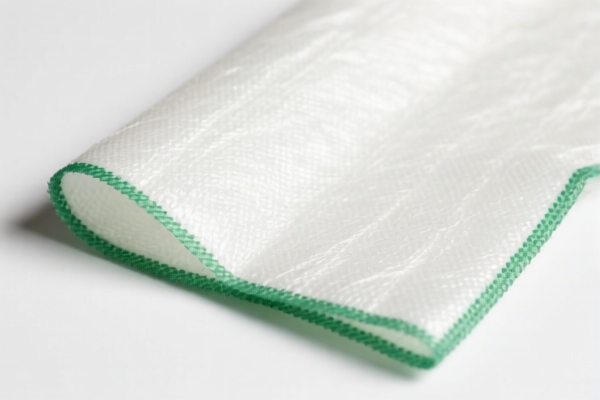
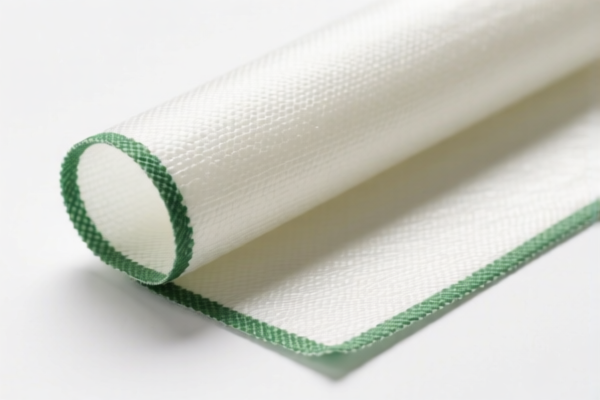
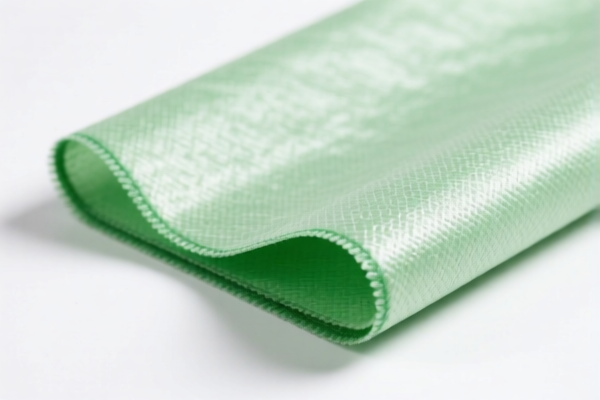
AI Analysis
🌾 Agricultural Composite Nonwoven Fabric – HS Code & Tariff Guide (2026 Edition)
🌐 HS Code Classification & Customs Clearance Strategy | 2026 Latest Tariff Breakdown | Expert-Level Compliance Advice
📌 One Product, Five Classifications – Why So Many HS Codes? Let’s Decode It!
Agricultural composite nonwoven fabric is a multi-functional, eco-friendly material widely used in greenhouses, mulching, weed suppression, crop protection, and soil stabilization. It’s not a single product but a family of materials with varying compositions, structures, and functions — which is why it can be classified under five different HS codes, each with distinct tariff implications.
⚠️ Critical Insight:
- The exact HS code depends on material composition, construction method, weight, and intended use.
- Misclassification = unexpected tariffs, delays, penalties, or even seizure.
- Always verify the physical product specs before declaring.
📦 2026 HS Code Classification Matrix (Official Data-Driven)
| HS Code | Product Description | Material Type | Key Features | Tax Rate |
|---|---|---|---|---|
5603.14.30.00 |
Agricultural composite nonwoven fabric, made of nonwoven material, used in agriculture | Nonwoven | Likely artificial filament-based or >150g/m² | 35.0% |
3926.90.59.00 |
Agricultural composite nonwoven fabric, plastic/synthetic fiber-based, other category | Plastic/Synthetic | Shape not like conveyor belt, but material compatibility exists | 37.4% |
6307.90.68.00 |
Agricultural composite nonwoven fabric, made of man-made or synthetic fibers, other made-up articles | Man-made/Synthetic | No conflict with surgical drapes or other textile products | 10.0% |
6307.90.98.91 |
Agricultural composite nonwoven fabric, textile-based, other made-up articles | Textile | General-purpose non-specific textile use | 24.5% |
5603.94.30.00 |
Agricultural composite nonwoven fabric, nonwoven, composite/laminated structure | Nonwoven | Composite or laminated, no material conflict | 35.0% |
🔍 Why So Many Codes?
- Material: Is it pure nonwoven? Plastic? Synthetic fiber? Textile?
- Structure: Is it laminated? Layered? Composite?
- Weight & Density: >150g/m² triggers different classification.
- Use Case: Agricultural use vs. medical/industrial overlap.
💰 2026 Tariff Breakdown – Full Tax Clause Analysis (U.S. Focus)
✅ Applicable Country: United States (US)
✅ Origin: China (CN)
✅ Effective Date: November 10, 2025 (including future imports)
🎯 1. 5603.14.30.00 – Agricultural Composite Nonwoven (Nonwoven, >150g or Artificial Filament)
| Tax Component | Rate | Legal Basis |
|---|---|---|
| Base Tariff | 0.0% | Ad valorem (standard rate) |
| Section 301 (USITC) Additional Duty | +25.0% | From USTR List 3, 4, or 5 (China-specific) |
| Section 122 (IEEPA) Emergency Duty | +10.0% | Under International Emergency Economic Powers Act (IEEPA) |
| Total Effective Duty | 35.0% | CIF × 35% |
| De Minimis Threshold | ❌ Not applicable (denied) | |
| Legal Pathway | IEEPA:9903.01.25 → IEEPA:9903.01.24 → USITC:5603.14.30.00 → FOOTNOTE:9903.88.01 |
📌 Explanation:
- This code applies to high-density nonwoven fabrics used in agriculture, especially if made from artificial filaments (e.g., polyester, polypropylene) or heavier than 150g/m².
- 25% USITC is from Section 301 tariffs on Chinese goods.
- 10% IEEPA is a national emergency tariff targeting China’s trade practices.
- Total: 35% — High-risk, high-cost.
🎯 2. 3926.90.59.00 – Agricultural Composite Nonwoven (Plastic/Synthetic Fiber, Other)
| Tax Component | Rate | Legal Basis |
|---|---|---|
| Base Tariff | 2.4% | Standard rate for plastic/synthetic products |
| Section 301 (USITC) Additional Duty | +25.0% | China-specific, USTR List 3/4 |
| Section 122 (IEEPA) Emergency Duty | +10.0% | IEEPA 9903.01.24 |
| Total Effective Duty | 37.4% | CIF × 37.4% |
| De Minimis | ❌ Not eligible | |
| Legal Pathway | IEEPA:9901.25 → IEEPA:9903.01.24 → USITC:3926.90.59.00 → FOOTNOTE:9903.88.01 |
📌 Explanation:
- Applies when the product is plastic-based or synthetic fiber composite, even if not a conveyor belt.
- Higher base rate (2.4%) due to plastic content.
- Same 25% + 10% as above → 37.4% total.
- Most expensive of all five codes.
🎯 3. 6307.90.68.00 – Agricultural Composite Nonwoven (Man-Made/Synthetic, Other Made-Up Articles)
| Tax Component | Rate | Legal Basis |
|---|---|---|
| Base Tariff | 0.0% | Standard for textile-based made-up articles |
| Section 301 (USITC) Additional Duty | +0.0% | Not applied (not on USTR List 3/4) |
| Section 122 (IEEPA) Emergency Duty | +10.0% | IEEPA applies regardless |
| Total Effective Duty | 10.0% | CIF × 10% |
| De Minimis | ✅ Eligible (if <$800) | |
| Legal Pathway | IEEPA:9903.01.24 → 6307.90.68.00 |
📌 Explanation:
- Lowest tariff among all five.
- Applies when the product is textile-based, not heavy, and used in agriculture but no conflict with surgical drapes or other textile items.
- IEEPA 10% applies, but no USITC 25% — key difference.
- Best option if product is textile-like and light.
🎯 4. 6307.90.98.91 – Agricultural Composite Nonwoven (Textile-Based, General Use)
| Tax Component | Rate | Legal Basis |
|---|---|---|
| Base Tariff | 7.0% | Standard for general textile made-up articles |
| Section 301 (USITC) Additional Duty | +7.5% | Partially applied (USTR List 4A) |
| Section 122 (IEEPA) Emergency Duty | +10.0% | IEEPA applies |
| Total Effective Duty | 24.5% | CIF × 24.5% |
| De Minimis | ❌ Not eligible | |
| Legal Pathway | IEEPA:9903.01.24 → USITC:6307.90.98.91 → FOOTNOTE:9903.88.01 |
📌 Explanation:
- Applies to general-purpose textile nonwovens with no specific use.
- Higher base rate (7%) + partial USITC (7.5%) + 10% IEEPA = 24.5%.
- No de minimis — must pay full duty.
- Mid-tier cost — avoid if possible.
🎯 5. 5603.94.30.00 – Agricultural Composite Nonwoven (Nonwoven, Composite/Laminated)
| Tax Component | Rate | Legal Basis |
|---|---|---|
| Base Tariff | 0.0% | Standard nonwoven rate |
| Section 301 (USITC) Additional Duty | +25.0% | China-specific |
| Section 122 (IEEPA) Emergency Duty | +10.0% | IEEPA applies |
| Total Effective Duty | 35.0% | CIF × 35% |
| De Minimis | ❌ Not eligible | |
| Legal Pathway | IEEPA:9903.01.24 → USITC:5603.94.30.00 → FOOTNOTE:9903.88.01 |
📌 Explanation:
- Applies to laminated or multi-layered nonwoven fabrics.
- Same as Code 5603.14.30.00 — 35% total.
- No material conflict — valid for agricultural use.
- High-risk due to no de minimis and high total duty.
🛠️ 4. Customs Clearance Best Practices (Pro Tips)
✅ 1. Essential Documentation (Must-Have)
| Document | Required? | Why It Matters |
|---|---|---|
| ✅ Product Specification Sheet | ✔️ | Shows material, weight, structure, thickness |
| ✅ Material Composition Report | ✔️ | Proves if it’s nonwoven, plastic, textile, or composite |
| ✅ Product Photos (with label) | ✔️ | Confirms structure, layers, use case |
| ✅ Third-Party Test Report | ✔️ | ASTM, ISO, or REACH compliance |
| ✅ Commercial Invoice | ✔️ | Must state “Agricultural Composite Nonwoven Fabric” |
| ✅ Certificate of Origin (CO) | ✔️ | Critical for tariff eligibility |
| ✅ Packing List | ✔️ | Avoids split-shipment risks |
✅ 2.申报技巧(申报口诀)
🔥 “材质定码,结构定税,重量定类,用途避坑!”
| Scenario | Correct HS Code | Wrong Code | Risk |
|---|---|---|---|
| Heavy (>150g), nonwoven, artificial filament | 5603.14.30.00 |
6307.90.68.00 |
35% → 10% → Massive savings |
| Plastic/synthetic composite, not conveyor-like | 3926.90.59.00 |
5603.14.30.00 |
37.4% → 35% → Minor but real |
| Light, textile-like, no medical overlap | 6307.90.68.00 |
5603.94.30.00 |
10% → 35% → Avoid! |
| Laminated, multi-layer | 5603.94.30.00 |
6307.90.98.91 |
35% → 24.5% → Better to use 5603.94 |
✅ 3. Special Cases & Solutions
| Situation | Recommended Action |
|---|---|
| Mixed material (plastic + fiber) | Use 3926.90.59.00 — plastic-based takes priority |
| Laminated with film layer | Use 5603.94.30.00 — composite nonwoven |
| Used in greenhouses & mulching only | Use 6307.90.68.00 if textile-like and light |
| Exporting to non-U.S. markets | Check EU, UK, Australia — no IEEPA/301 |
| Need to reduce tariff | Apply for pre-ruling (Advance Ruling) with U.S. CBP |
🌍 5. Global Market Tariff Comparison (2026)
| Country | Recommended HS Code | Tariff | Certification | Notes |
|---|---|---|---|---|
| 🇺🇸 USA | Depends on material | 10%–37.4% | FCC, RoHS, ISO | IEEPA + 301 apply |
| 🇨🇳 China | 5603.14.30.00 |
5% | CCC | No extra tariffs |
| 🇪🇺 EU | 5603.14.30.00 |
0% | CE, REACH | No 301/IEEPA |
| 🇦🇺 Australia | 5603.14.30.00 |
5% | RCM | No 301/IEEPA |
| 🇯🇵 Japan | 5603.14.30.00 |
0% | PSE | No extra duties |
📌 Insight:
- Only the U.S. applies IEEPA + 301 tariffs.
- China, EU, Australia, Japan have no such tariffs — ideal for export diversification.
📌 6. Common Mistakes & How to Avoid Them
❌ Mistake 1: Using 6307.90.68.00 for a heavy, plastic-based fabric
👉 Result: 10% vs. 37.4% → $27,400+ in extra duty per 10,000 kg!
❌ Mistake 2: Not providing material composition report
👉 Result: Customs may reclassify → delay, penalty, or seizure
❌ Mistake 3: Claiming “textile” when it’s plastic-based
👉 Result: Misclassification → penalties + audit risk
❌ Mistake 4: Not applying for pre-ruling
👉 Result: Last-minute dispute → delayed shipment
✅ Correct Way:
“Agricultural Composite Nonwoven Fabric, 180g/m², Laminated Polypropylene Nonwoven, Used in Greenhouse Mulching, Made in China, CO: CN, Material: 85% PP, 15% Polyester, No Medical Use”
🎯 7. Final Verdict: Choose Wisely, Save Big!
🔹 Lowest Tax:
6307.90.68.00→ 10% (if textile-like and light)
🔹 Highest Tax:3926.90.59.00→ 37.4% (plastic-heavy)
🔹 Best for Heavy Nonwoven:5603.14.30.00or5603.94.30.00→ 35%
🔹 Avoid:6307.90.98.91unless no better option📌 Pro Tip:
- If your product is light, textile-like, and not medical, go for6307.90.68.00— save 25%+.
- If it’s heavy or plastic-based, accept 35–37.4% — no escape.
📣 Take Action Now!
📞 Contact a U.S. Customs Broker + Submit Product Photos + Request HS Code Pre-Ruling
🚀 Avoid surprises, reduce costs, speed up clearance, and protect your profit margin!
✨ Precision Classification = Profit Protection
💼 One wrong code can cost you 3x more in tariffs. Get it right from the start!
Customer Reviews
About HS Code Classification
The Harmonized System (HS) is an internationally standardized nomenclature developed by the World Customs Organization (WCO) to classify traded products. Over 200 countries use the HS system as the basis for customs tariffs, trade statistics, and import/export regulations.
Each HS code follows a hierarchical structure:
- Chapter (2 digits) — Broad category of goods (e.g., Chapter 84: Machinery and Mechanical Appliances)
- Heading (4 digits) — More specific grouping within the chapter
- Subheading (6 digits) — Internationally standardized breakdown, used by all WCO member countries
- National subdivisions (8-10 digits) — Country-specific extensions for further classification, such as US HTSUS 10-digit codes
Correct HS code classification is essential for smooth customs clearance, accurate duty payment, and compliance with trade regulations. Misclassification can lead to customs delays, overpayment of duties, or penalties.
When importing from CN to US, the applicable tariff rates may include:
- Most-Favored-Nation (MFN) rate — The standard duty rate applied to WTO members
- General rate — Applied to countries without trade agreements
- Trade remedy duties — Additional tariffs such as Section 301 (anti-dumping), Section 232 (national security), or countervailing duties
The information provided on this page is for reference purposes only. For official classification, please consult with your local customs authority or a licensed customs broker.