冲浪板
CN → US| HS Code | Tariff Rate | Origin | Destination | Doc |
|---|---|---|---|---|
| 9503000071 | 10.0% | CN | US | Official Doc |
| 3926903000 | 39.2% | CN | US | Official Doc |
| 9506290030 | 17.5% | CN | US | Official Doc |
| 9503000073 | 10.0% | CN | US | Official Doc |
| 3926909989 | 22.8% | CN | US | Official Doc |
Product Images
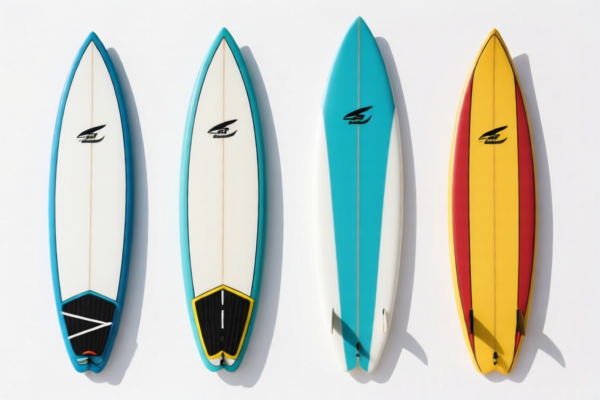
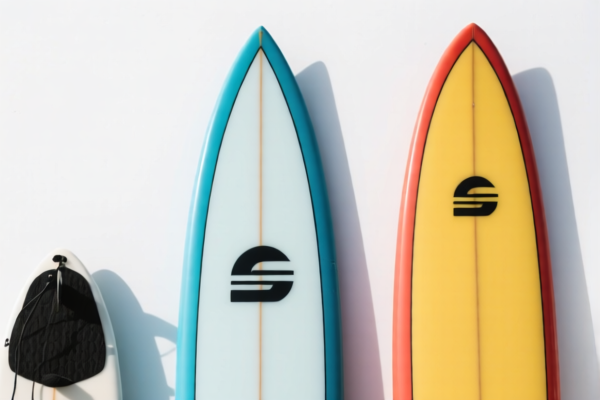
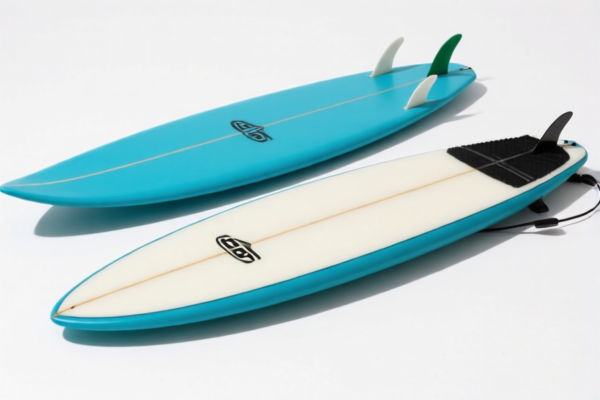
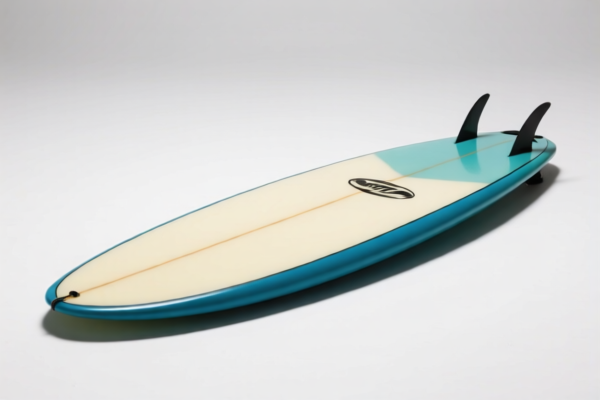
AI Analysis
🏄♂️ Surfboards (Foam Board Surfboards)
🌐 HS Code Reference & Customs Clearance Guide | 2026 Latest Tariff Analysis | Professional Entry Strategy
📌 1. Product Definition & Classification: What Exactly is a "Foam Surfboard"?
In international trade, foam surfboards are generally categorized into two main pathways based on their intended use and material composition:
Sports Equipment (Leisure/Sports): Designed for physical exercise, surfing, or water sports. Classified under Chapter 95 (Toys, Games, and Sports Equipment).
Plastic Products (Industrial/Accessory): Classified under Chapter 39 (Articles of Plastic), often if considered as raw material, parts for boats, or non-sport specific plastic items.
⚠️ Key Distinction Point:
- If the board is finished, shaped, and marketed for surfing/sports →归入 9503 (Toys/Sports) or 9506 (Sports Equipment).
- If the board is considered a plastic article or part of a vessel → 归入 3926 (Other Plastic Articles).
📦 2. HS Code Classification Details (2026 Latest Tariff Concordance)
| HS Code | Product Description | Application Scenario | Total Tax Rate* | Tax Breakdown Details |
|---|---|---|---|---|
9503.00.00.71 |
Foam board surfboard classified as sports equipment/toy board | Sports/Toy category, Foam material | 10.0% | Base: 0.0%, Retaliatory: 0.0%, Section 122: 10% |
3926.90.30.00 |
Foam board surfboard classified as plastic product | Plastic material, Used as pleasure craft parts | 39.2% | Base: 4.2%, Retaliatory: 25.0%, Section 122: 10% |
9506.29.00.30 |
Foam board surfboard classified as surfboard | Dedicated surfboard, Foam material, Consistent use | 17.5% | Base: 0.0%, Retaliatory: 7.5%, Section 122: 10% |
9503.00.00.73 |
Foam board surfboard classified as toy/model | Toy/Model category, Foam material, Entertainment use | 10.0% | Base: 0.0%, Retaliatory: 0.0%, Section 122: 10% |
3926.90.99.89 |
Foam board surfboard classified as other plastic articles | Plastic/Synthetic material, Other plastic articles | 22.8% | Base: 5.3%, Retaliatory: 7.5%, Section 122: 10% |
🔍 Key Reminder:
- Lowest Tax Options:9503.00.00.71and9503.00.00.73(10% total) are the most favorable if classified under "Toys/Sports Equipment."
- Highest Tax Option:3926.90.30.00(39.2% total) applies if classified as "Plastic Parts for Pleasure Craft," heavily impacted by Retaliatory Tariffs.
- Mid-Range Option:9506.29.00.30(17.5%) is the standard for "Dedicated Surfboards."💡 Note on Section 122: The 10% tariff mentioned in all entries refers to specific Section 122 tariffs, which are applied on top of base and retaliatory tariffs.
💰 3. 2026 Latest Tariff Rate Details (Including Surcharges)
✅ Applicable Country: United States (US)
✅ Origin: China (CN)
✅ Effective Time: 2025/2026 (Current Trade Policies)
🎯 1. 9503.00.00.71 & 9503.00.00.73 —— Toys/Sports Equipment (Foam)
| Item | Content |
|---|---|
| Base Tariff | 0% (ad valorem) |
| Retaliatory Tariff (Section 301) | 0% |
| Section 122 Tariff | +10% |
| Total Tax Rate | 10.0% |
| Tax Calculation | CIF Value × 10% |
| De Minimis Exemption | ❌ Not Applicable (Subject to Section 122) |
| Legal Basis | Chapter 95, Note 122 Tariff Application |
📌 Explanation:
- These codes classify the foam board as a toy or general sports equipment.
- Since the Base and Retaliatory tariffs are 0%, only the Section 122 tariff (10%) applies.
- This is the most cost-effective classification if the product can be legitimately defined as a toy or non-specialized sports item.
🎯 2. 9506.29.00.30 —— Dedicated Surfboards
| Item | Content |
|---|---|
| Base Tariff | 0% |
| Retaliatory Tariff (Section 301) | +7.5% |
| Section 122 Tariff | +10% |
| Total Tax Rate | 17.5% |
| Tax Calculation | CIF Value × 17.5% |
| De Minimis Exemption | ❌ Not Applicable |
| Legal Basis | Chapter 95 (Sports Equipment), Specific Subheading 9506.29 |
📌 Explanation:
- This is the standard classification for actual surfboards.
- It incurs a 7.5% Retaliatory Tariff plus the 10% Section 122 Tariff.
- Higher than toy codes but lower than plastic codes. Requires proof of use as a surfboard (e.g., fins, leash plugs).
🎯 3. 3926.90.30.00 —— Plastic Products (Pleasure Craft Parts)
| Item | Content |
|---|---|
| Base Tariff | 4.2% |
| Retaliatory Tariff (Section 301) | +25.0% |
| Section 122 Tariff | +10% |
| Total Tax Rate | 39.2% |
| Tax Calculation | CIF Value × 39.2% |
| De Minimis Exemption | ❌ Not Applicable |
| Legal Basis | Chapter 39, Note 122 Tariff Application |
📌 Explanation:
- Highest Risk Classification.
- The 25% Retaliatory Tariff makes this option very expensive.
- Only use if the product is not a finished surfboard but rather raw foam sheets or parts.
🎯 4. 3926.90.99.89 —— Other Plastic Articles
| Item | Content |
|---|---|
| Base Tariff | 5.3% |
| Retaliatory Tariff (Section 301) | +7.5% |
| Section 122 Tariff | +10% |
| Total Tax Rate | 22.8% |
| Tax Calculation | CIF Value × 22.8% |
| De Minimis Exemption | ❌ Not Applicable |
| Legal Basis | Chapter 39, "Other" Category |
📌 Explanation:
- Mid-range plastic classification.
- Avoid if possible in favor of Chapter 95 codes.
🛠️ 4. Customs Clearance Practical Advice (Pitfall Avoidance Guide)
✅ 1. Recommended Classification Strategy
| Scenario | Recommended HS Code | Total Tax | Why? |
|---|---|---|---|
| Finished Surfboard (with fins/leash) | 9506.29.00.30 |
17.5% | Most accurate for "Sports Equipment." |
| Foam Board sold as "Toy" or "Bodyboard" | 9503.00.00.71 / .73 |
10.0% | Lowest tax if marketed as toy/recreational foam board. |
| Raw Foam Sheets/Blanks | 3926.90.99.89 |
22.8% | Only if not shaped into a board. |
| Parts for Pleasure Craft | 3926.90.30.00 |
39.2% | ❌ AVOID unless necessary. High tax. |
📌 Key Insight:
- Marketing Matters: If you label it as a "Toy Surfboard" or "Bodyboard," you may qualify for9503codes (10% tax).
- Physical Features: Boards with fins, leash plugs, and specific shapes are harder to classify as "toys" and may be pushed to9506(17.5%).
✅ 2. Documentation Checklist
| Document | Required | Purpose |
|---|---|---|
| Product Photos | ✔️ | Show shape, fins, leash plug, and material. |
| Marketing Materials | ✔️ | Prove if it's marketed as a "Toy," "Sport," or "Craft Part." |
| Bill of Materials | ✔️ | Confirm foam material (EVA, PVC, etc.). |
| Commercial Invoice | ✔️ | Clearly state "Surfboard" or "Foam Board Toy." |
| Packing List | ✔️ | Weight and dimensions for freight calculation. |
✅ 3. Special Handling Tips
| Situation | Advice |
|---|---|
| OEM Custom Boards | Provide customer specs. If customer specifies "Surfboard," customs may insist on 9506. |
| Foam Core Only | If shipped without skin/fins, argue for 3926 or 9503 depending on finish. |
| High-Value Boards | Consider shipping from non-China origin to avoid Section 301/122 tariffs if applicable. |
| De Minimis Shipment | ❌ Do Not Rely on De Minimis: Section 122 tariffs explicitly deny de minimis exemptions for these goods. |
🌍 5. Global Market Comparison (2026)
| Country/Region | Recommended HS Code | Approx. Tariff | Notes |
|---|---|---|---|
| 🇺🇸 USA | 9506.29.00.30 |
17.5% | Includes Section 122 & Retaliatory. |
| 🇺🇸 USA (Toy) | 9503.00.00.71 |
10.0% | Best if marketed as toy/bodyboard. |
| 🇨🇳 China | 9506.29.00.30 |
~8-10% | Lower base tariffs, no US retaliatory. |
| 🇪🇺 EU | 9506.29 |
0-4% | Generally low tariffs for sports equipment. |
| 🇬🇧 UK | 9506.29 |
0-4% | Post-Brexit tariff alignment with EU. |
📌 Conclusion:
- USA is the most costly market due to Section 122 and Retaliatory tariffs.
- Classify as "Toy" (9503) if possible to reduce tax from 17.5% to 10%.
- Avoid3926codes for finished boards to save up to 29% in taxes.
📌 6. Common Mistakes & Pitfalls
❌ Mistake 1: Classifying a finished surfboard as "Plastic Part" (3926.90.30.00)
👉 Consequence: Pay 39.2% tax instead of 17.5%. Overpayment!
❌ Mistake 2: Ignoring Section 122 Tariff
👉 Consequence: Even "0% base" goods get hit with 10%. Do not assume "free trade" status.
❌ Mistake 3: Claiming De Minimis Exemption for High-Value Boards
👉 Consequence: Customs will reject de minimis, demand full duty payment, and potentially penalize for misdeclaration.
✅ Correct Practice:
"Foam Surfboard, Model XYZ, with Leash Plug and Fin Box, Made of EVA Foam, Designed for Recreational Surfing."
🎯 7. Conclusion: Professional Classification, Cost Savings!
🎯 Key Takeaway:
🔹 "Toy Code = 10%, Sport Code = 17.5%, Plastic Code = 39.2%!"
🔹 "Mark it as a Toy, Save 7.5% in Retaliatory Tariffs!"
🔹 "Section 122 is Non-Negotiable: Budget for that 10%!"
📌 Pro Tip:
If your foam surfboard can be legally defined as a bodyboard or toy (without professional fins), use
9503.00.00.71or.73to minimize costs.
Always consult a licensed customs broker for pre-classification rulings before shipping large volumes.
📣 Action Required:
📞 Contact a customs broker to review your product photos.
🚀 Optimize your HS Code to 9503 if possible.
💰 Save 7.5% on every shipment!
✨ Precision Classification Starts Here!
💼 Your Profit Margin Depends on the Correct HS Code!
Customer Reviews
About HS Code Classification
The Harmonized System (HS) is an internationally standardized nomenclature developed by the World Customs Organization (WCO) to classify traded products. Over 200 countries use the HS system as the basis for customs tariffs, trade statistics, and import/export regulations.
Each HS code follows a hierarchical structure:
- Chapter (2 digits) — Broad category of goods (e.g., Chapter 84: Machinery and Mechanical Appliances)
- Heading (4 digits) — More specific grouping within the chapter
- Subheading (6 digits) — Internationally standardized breakdown, used by all WCO member countries
- National subdivisions (8-10 digits) — Country-specific extensions for further classification, such as US HTSUS 10-digit codes
Correct HS code classification is essential for smooth customs clearance, accurate duty payment, and compliance with trade regulations. Misclassification can lead to customs delays, overpayment of duties, or penalties.
When importing from CN to US, the applicable tariff rates may include:
- Most-Favored-Nation (MFN) rate — The standard duty rate applied to WTO members
- General rate — Applied to countries without trade agreements
- Trade remedy duties — Additional tariffs such as Section 301 (anti-dumping), Section 232 (national security), or countervailing duties
The information provided on this page is for reference purposes only. For official classification, please consult with your local customs authority or a licensed customs broker.