冲浪板鳍
CN → US| HS Code | Tariff Rate | Origin | Destination | Doc |
|---|---|---|---|---|
| 4016996050 | 37.5% | CN | US | Official Doc |
| 3926903000 | 39.2% | CN | US | Official Doc |
| 3926909989 | 22.8% | CN | US | Official Doc |
| 9506290030 | 17.5% | CN | US | Official Doc |
| 4016993550 | 35.0% | CN | US | Official Doc |
Product Images
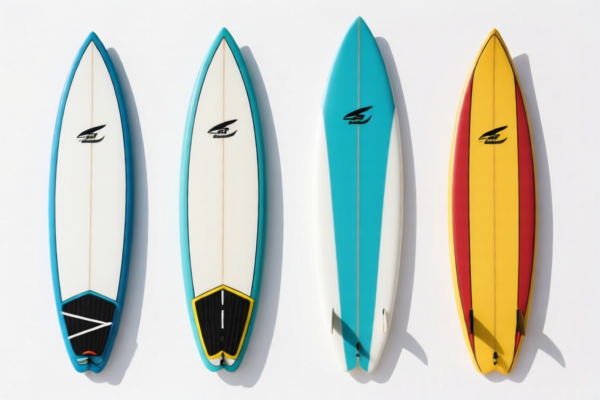

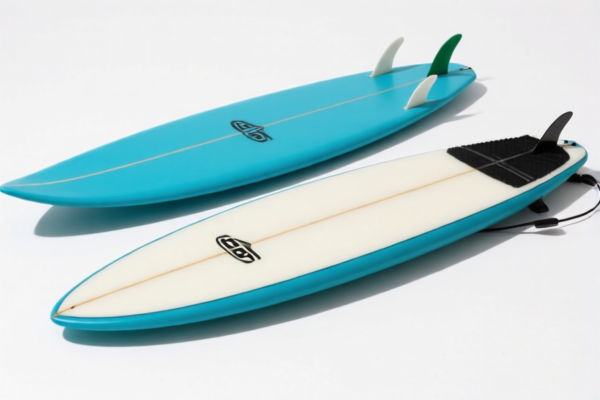
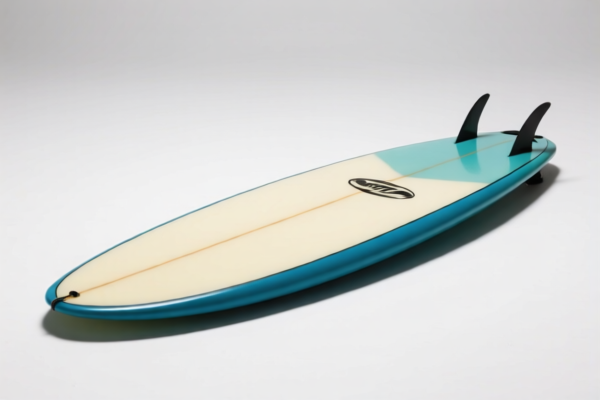
AI Analysis
🏄♂️ Surfboard Fins (Surfboard Equipment & Parts)
🌐 HS Code Reference & Customs Clearance Guide | 2026 Latest Tariff Analysis | Professional Entry Strategy 📌 Part I: Product Definition and Classification: Do You Really Understand "Surfboard Fins"?
Surfboard fins are the critical steering and stability components of water sports equipment. In international trade, they are classified not just by their material (plastic, fiberglass, or carbon fiber), but by their function and end-use.
Key Distinction: * Surfboard Fins: Are explicitly classified under "Water sports equipment" if they are designed for use with surfboards, sailboards, or water skis. * Plastic/Rubber Articles: If a fin is generic, lacks specific water-sport design features, or is classified as a general "part" of a vessel (like a yacht part) rather than a recreational water-sport accessory, it may fall under plastic or rubber chapters.
⚠️ Critical Classification Point: - If the fin is specifically designed for recreational surfing, sailing, or water skiing → It belongs to Chapter 95 (Sports Equipment), specifically 9506.29. - If the item is a generic plastic/rubber part not specifically identifiable as a surfboard fin → It may fall under Chapter 39 (Plastics) or Chapter 40 (Rubber), leading to significantly higher tariffs.
📦 Part II: HS Code Classification Details (Based on Provided Data)
According to the provided <DATA>, there are two specific HS Codes related to surfboards/water sports and several related rubber/plastic articles. For Surfboard Fins, the most accurate classification is under Chapter 95.
| HS Code | Product Description | Applicable Scenario | Tariff Rate (Total) |
|---|---|---|---|
9506.29.00.30 |
Other Surf boards (Includes fins, accessories, parts for surfboards) |
Recreational surfboard fins, hydrofoil fins, generic surfboard parts | 7.5% |
9506.29.00.80 |
Other Other (Other water-sport equipment parts) |
Non-standard water-sport fins, specialized hydrofoil components, accessories for water skis/sailboards | 7.5% |
4016.99.60.50 |
Other articles of vulcanized rubber (Not hard rubber) |
Generic rubber parts, seals, gaskets (NOT specific surfboard fins) | 27.5% |
4016.99.35.50 |
Other articles of vulcanized rubber (Of natural rubber) |
Natural rubber parts, non-specific rubber components | 25.0% |
3926.90.30.00 |
Plastics articles (Parts for yachts/pleasure boats) |
Yacht parts, marine equipment parts (NOT recreational water-sports) | 0.0% |
3926.90.99.89 |
Other plastics articles (Not specified elsewhere) |
Generic plastic parts, unclassified plastic items | 12.8% |
🔍 Key Insight: - Surfboard Fins should primarily be classified under
9506.29.00.30or9506.29.00.80. - Misclassification Risk: Declaring surfboard fins as "Plastic Parts" (3926) or "Rubber Articles" (4016) is a common error that leads to higher tariffs and customs delays. - Tariff Difference: 7.5% (Chapter 95) vs. 12.8%-27.5% (Chapters 39/40). Always choose Chapter 95 for recreational water-sport fins.
💰 Part III: 2026 Tariff Rate Detail (Including Surcharges)
✅ Applicable Country: USA (US)
✅ Origin: China (CN) (Assumed based on typical trade context, adjust if different)
✅ Effective Date: Current 2026 Rates
🎯 1. 9506.29.00.30 — Surfboard Fins (Recreational Water Sports)
| Item | Detail |
|---|---|
| Base Tariff | 0.0% (Ad Valorem) |
| Section 301 Surcharge | +7.5% |
| Total Tariff | 7.5% |
| Tax Calculation | CIF Value × 7.5% |
| De Minimis Exemption | ❌ Not Applicable (Section 301 goods generally excluded) |
| Legal Basis | USITC:9506.29.00.30 → SECTION_301 |
📌 Explanation: - Surfboard fins are considered recreational water-sport equipment. - The total tariff is 7.5%, which is significantly lower than rubber/plastic parts (12.8%-27.5%). - This classification is preferred for customs efficiency and cost savings.
🎯 2. 9506.29.00.80 — Other Water-Sport Equipment Parts
| Item | Detail |
|---|---|
| Base Tariff | 0.0% |
| Section 301 Surcharge | +7.5% |
| Total Tariff | 7.5% |
| Tax Calculation | CIF Value × 7.5% |
| De Minimis Exemption | ❌ Not Applicable |
| Legal Basis | USITC:9506.29.00.80 → SECTION_301 |
📌 Note: - Use this code if the fin is not a standard surfboard fin (e.g., specialized hydrofoil fin, sailboard fin). - Tariff remains 7.5%, same as standard surfboard fins.
⚠️ Misclassification Pitfalls (Higher Tariffs)
| Misclassified HS Code | Reason for Misclassification | Total Tariff | Loss vs. Correct Code |
|---|---|---|---|
4016.99.60.50 |
Declared as "Rubber Article" | 27.5% | +20.0% |
4016.99.35.50 |
Declared as "Natural Rubber Article" | 25.0% | +17.5% |
3926.90.99.89 |
Declared as "Other Plastic Article" | 12.8% | +5.3% |
3926.90.30.00 |
Declared as "Yacht Part" | 0.0% | Lower, but risky if not a yacht part |
📌 Warning: - Do NOT declare surfboard fins as "Yacht Parts" (
3926.90.30.00) unless they are explicitly for pleasure yachts (not recreational surfing). Misclassification can lead to penalties and goods detention. - Do NOT declare as "Rubber/Plastic Articles" (4016/3926) — this is incorrect and results in higher tariffs.
🛠️ Part IV: Customs Clearance Practical Advice (Actionable Tips)
✅ 1. Documentation Checklist (Must-Have)
| Document | Required? | Description |
|---|---|---|
| ✅ Product Description | ✔️ | Must specify "Surfboard Fins" or "Water Sport Equipment Parts" |
| ✅ Material Composition | ✔️ | Specify: Plastic, Carbon Fiber, Fiberglass, or Rubber |
| ✅ Function Description | ✔️ | "Used for steering and stability on surfboards" |
| ✅ Photos | ✔️ | Clear images of the fin, including brand/model |
| ✅ Commercial Invoice | ✔️ | State HS Code 9506.29.00.30 or 9506.29.00.80 |
| ✅ Packing List | ✔️ | List quantity, weight, and dimensions |
📌 Critical Tip: - Never use generic terms like "Plastic Parts" or "Rubber Fins." - Always use "Surfboard Fins" or "Water Sport Equipment Parts" in the description.
✅ 2. Classification Strategy (Key Rules)
| Scenario | Correct HS Code | Wrong HS Code | Consequence |
|---|---|---|---|
| Standard Surfboard Fin | 9506.29.00.30 |
3926.90.99.89 |
Overpayment (7.5% vs 12.8%) |
| Specialized Hydrofoil Fin | 9506.29.00.80 |
4016.99.60.50 |
Overpayment (7.5% vs 27.5%) |
| Yacht Part (Not Surf) | 3926.90.30.00 |
9506.29.00.30 |
Risk of detention if misdeclared |
🔥 Golden Rule: "If it's for surfing, sailing, or water skiing → Chapter 95. If it's for yachts → Chapter 39. If it's generic plastic/rubber → Chapter 39/40 (Higher Tax)."
✅ 3. Special Cases
| Scenario | Recommendation |
|---|---|
| Carbon Fiber Fins | Still classify under 9506.29.00.30 — material does not change the sport equipment classification. |
| Set of Fins | Declare as a set under 9506.29.00.30 — do not split into individual fins. |
| OEM Custom Fins | Provide design specs to prove they are for water sports. |
| Replacement Parts | If sold as "parts," still use 9506.29.00.30 if for surfboards. |
🌍 Part V: Global Market Comparison (2026)
| Country/Region | Recommended HS Code | Tariff (China Origin) | Certification | Notes |
|---|---|---|---|---|
| 🇺🇸 USA | 9506.29.00.30 |
7.5% | None | Best rate for surfboard fins |
| 🇨🇳 China | 9506.29.00.30 |
0% | None | No additional surcharges |
| 🇪🇺 EU | 9506.29.00.30 |
0% | CE (if applicable) | Free trade for many origins |
| 🇦🇺 Australia | 9506.29.00.30 |
5% | None | Lower than US |
| 🇯🇵 Japan | 9506.29.00.30 |
0% | None | Low tariff |
📌 Conclusion: - USA is the only major market with a Section 301 surcharge (7.5%), but it is still much lower than rubber/plastic classifications (12.8%-27.5%). - Always declare as Chapter 95 for surfboard fins to minimize tariffs and avoid customs disputes.
📌 Part VI: Common Errors & Pitfalls (Lessons Learned)
❌ Error 1: Declaring surfboard fins as "Plastic Parts" (3926.90.99.89)
👉 Consequence: Tariff increases from 7.5% to 12.8% → Extra cost!
❌ Error 2: Declaring as "Rubber Articles" (4016.99.60.50)
👉 Consequence: Tariff jumps to 27.5% → Massive overpayment!
❌ Error 3: Using vague descriptions like "Parts for Surfboard" 👉 Consequence: Customs may misclassify as plastic/rubber → Delays and fines!
❌ Error 4: Declaring as "Yacht Parts" (3926.90.30.00) when they are for surfing
👉 Consequence: Goods detention or penalties for misdeclaration.
✅ Correct Approach:
"Surfboard Fins, Material: Carbon Fiber/Plastic, Use: Recreational Surfing, Model: XYZ, HS Code: 9506.29.00.30"
🎯 Part VII: Conclusion: Smart Classification, Savings, and Efficiency!
🎯 Remember the Mantra:
🔹 "Surfing Fins → Chapter 95 (7.5%)
🔹 "Yacht Parts → Chapter 39 (0%)
🔹 "Generic Plastic/Rubber → Chapters 39/40 (12.8%-27.5%)
🔹 "Choose Chapter 95 for Surfboards → Save Money, Avoid Delays!"
📌 Pro Tip: - If your surfboard fins are made in Vietnam, Thailand, or Malaysia, check for Section 301 exemptions. - Request an Advance Ruling from U.S. Customs if you are unsure about classification. - Provide clear product photos and detailed descriptions to avoid customs queries.
📣 Immediate Action:
📞 Contact a professional customs broker + Provide product images + Use HS Code
9506.29.00.30
🚀 Ensure smooth clearance, reduce costs, and boost your profit margins!
✨ Professional clearance starts with accurate classification!
💼 Every tariff percentage counts — choose the right code!
Customer Reviews
About HS Code Classification
The Harmonized System (HS) is an internationally standardized nomenclature developed by the World Customs Organization (WCO) to classify traded products. Over 200 countries use the HS system as the basis for customs tariffs, trade statistics, and import/export regulations.
Each HS code follows a hierarchical structure:
- Chapter (2 digits) — Broad category of goods (e.g., Chapter 84: Machinery and Mechanical Appliances)
- Heading (4 digits) — More specific grouping within the chapter
- Subheading (6 digits) — Internationally standardized breakdown, used by all WCO member countries
- National subdivisions (8-10 digits) — Country-specific extensions for further classification, such as US HTSUS 10-digit codes
Correct HS code classification is essential for smooth customs clearance, accurate duty payment, and compliance with trade regulations. Misclassification can lead to customs delays, overpayment of duties, or penalties.
When importing from CN to US, the applicable tariff rates may include:
- Most-Favored-Nation (MFN) rate — The standard duty rate applied to WTO members
- General rate — Applied to countries without trade agreements
- Trade remedy duties — Additional tariffs such as Section 301 (anti-dumping), Section 232 (national security), or countervailing duties
The information provided on this page is for reference purposes only. For official classification, please consult with your local customs authority or a licensed customs broker.