制动油塑料桶
CN → US| HS Code | Tariff Rate | Origin | Destination | Doc |
|---|---|---|---|---|
| 7310290065 | 85.0% | CN | US | Official Doc |
| 7310210075 | 85.0% | CN | US | Official Doc |
| 3923900012 | 38.0% | CN | US | Official Doc |
| 3923900014 | 38.0% | CN | US | Official Doc |
| 3926901000 | 20.9% | CN | US | Official Doc |
Product Images
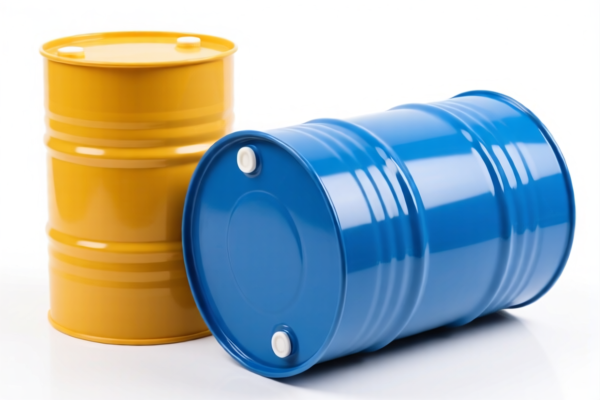
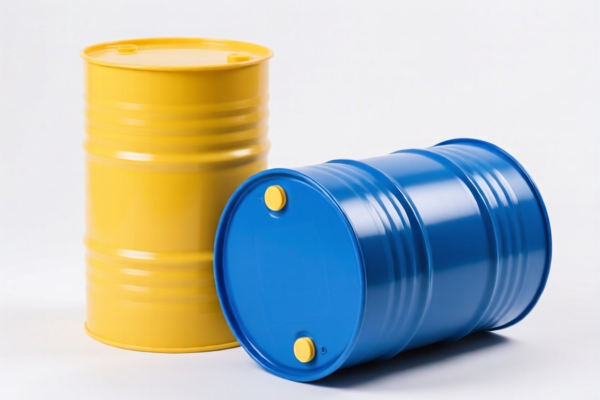
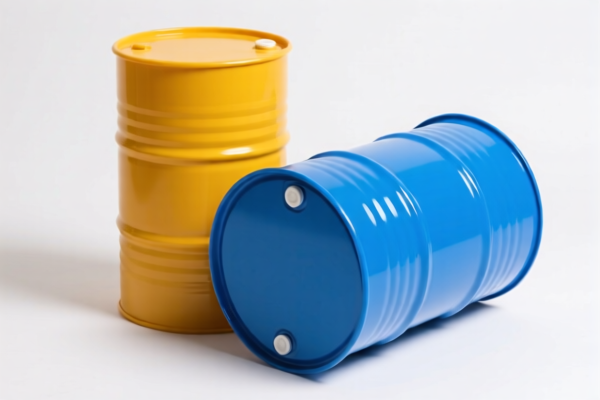
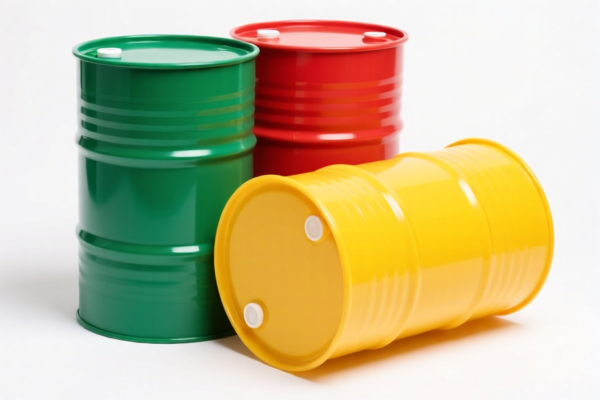
AI Analysis
🛢️ Plastic Brake Fluid Containers (制动油塑料桶)
🌐 HS Code Reference & Customs Clearance Guide | 2026 Updated Tariff Analysis | Professional Clearance Strategy
📌 I. Product Definition & Classification: What Exactly Are "Plastic Brake Fluid Containers"?
Brake fluid plastic containers are specialized packaging solutions designed to store and transport hydraulic brake fluid. In international trade, these items fall under two primary chapters depending on their specific manufacturing details and intended classification:
Chapter 39 (Articles of Plastics and Plastic Articles): This is the most common category. It includes buckets, jars, and containers specifically designed for holding liquids like brake fluid. Chapter 90/85 (Other): Note: While brake fluid itself might have specific codes, the empty plastic container itself is strictly classified under plastics if it has no other function.
⚠️ Key Distinction Point:
- If the container is a simple plastic bottle/jug for packaging brake fluid → Likely 3923.90.00 (Packaging articles).
- If the container is a generic plastic bucket/jerry can used for oil/water/brake fluid → Likely 3926.90.10 (Other plastic articles).
- If it is a specific molded part not fitting standard packaging → May fall under 3926.90.99 (Other plastic articles).
📦 II. HS Code Classification Details (2026 Latest Tariff Authority Match)
Based on the provided data <DATA>, here are the three specific HS Codes and their corresponding tax rates. Note: The data indicates significant tariff variations based on the precise sub-heading interpretation.
| HS Code | Product Description | Applicable Scenario | Total Tax Rate |
|---|---|---|---|
3923.90.00.14 |
Plastic barrels/containers specifically for packaging brake fluid, fitting the classification of plastic packaging containers. | Dedicated brake fluid packaging, specialized molded bottles/jugs. | 38.0% |
3926.90.10.00 |
Plastic water buckets and oil buckets, including those for holding brake fluid, fitting the classification of plastic products. | Generic plastic jerry cans, reusable buckets, or industrial-style containers. | 20.9% |
3926.90.99.89 |
Other plastic articles, no specific purpose conflict, fitting the classification of plastic products. | Non-standard plastic containers, custom-molded parts not strictly defined as "packaging" or "buckets." | 22.8% |
3923.90.00.12 |
Plastic barrels/containers for packaging goods, fitting the definition of packaging containers. | General purpose plastic packaging barrels (often grouped with brake fluid packaging in broader categories). | 38.0% |
3926.90.10.00 |
Plastic barrels, explicitly including plastic material and bucket morphology, fitting the water/oil bucket classification. | Repeated entry for clarity: Emphasizes the "bucket" morphology for brake fluid. | 20.9% |
🔍 Critical Observation:
- The highest tariff (38.0%) applies if the item is strictly classified as a "Packaging Article" (3923).
- The lowest tariff (20.9%) applies if the item is classified as a "Plastic Bucket/Container" (3926).
- Strategy: The distinction often lies in whether the item is considered "packaging material" (disposable/single-use) vs. a "plastic article/container" (durable/reusable). However, the data shows a massive 17% difference.
💰 III. 2026 Latest Tariff Rate Breakdown (Including Surtaxes & Policy Add-ons)
✅ Applicable Country: United States (US)
✅ Origin: China (CN)
✅ Effective Date: Post-2025 (Includes 122 Clause Tariffs)
🎯 1. 3923.90.00.14 & 3923.90.00.12 —— Plastic Packaging Articles (Brake Fluid Specific)
| Item | Content |
|---|---|
| Base Tariff | 3.0% |
| Section 301 Surtax | +25.0% |
| Section 122 Tariff | +10.0% |
| Total Tariff Rate | 38.0% |
| Tax Calculation | CIF Value × 38.0% |
| De Minimis Exemption? | ❌ NO (High tariff rates generally exclude de minimis benefits for Chinese origin) |
| Legal Basis Path | USITC:3923.90.00.14 → Section 301: Footnote 9903.88.01 → Section 122: IEEPA |
📌 Explanation:
- 3.0% Base: Standard MFN rate for plastic packaging.
- 25.0% Section 301: The standard additional tariff on many plastic articles from China.
- 10.0% Section 122: Additional tariff under the International Emergency Economic Powers Act (IEEPA) targeting specific Chinese goods.
- Result: A staggering 38% landed cost increase on top of shipping.
🎯 2. 3926.90.10.00 —— Plastic Water/Oil Buckets (Generic Classification)
| Item | Content |
|---|---|
| Base Tariff | 3.4% |
| Section 301 Surtax | +7.5% |
| Section 122 Tariff | +10.0% |
| Total Tariff Rate | 20.9% |
| Tax Calculation | CIF Value × 20.9% |
| De Minimis Exemption? | ❌ NO (Still subject to high effective duties) |
| Legal Basis Path | USITC:3926.90.10.00 → Section 301: Footnote 9903.88.02 (Lower surtax category) → Section 122 |
📌 Explanation:
- 3.4% Base: Slightly higher base rate than packaging, but...
- 7.5% Section 301: Crucial Point! This HS code falls under a lower surtax bracket (7.5%) instead of 25%. This is likely because it is classified as a "bucket" or "generic plastic article" rather than a specific "packaging container."
- 10.0% Section 122: Still applies.
- Result: 20.9% is significantly more favorable than 38.0%.
🎯 3. 3926.90.99.89 —— Other Plastic Articles (Catch-all)
| Item | Content |
|---|---|
| Base Tariff | 5.3% |
| Section 301 Surtax | +7.5% |
| Section 122 Tariff | +10.0% |
| Total Tariff Rate | 22.8% |
| Tax Calculation | CIF Value × 22.8% |
| De Minimis Exemption? | ❌ NO |
| Legal Basis Path | USITC:3926.90.99.89 → Section 301: 7.5% bracket → Section 122 |
📌 Explanation:
- Used if the container doesn't fit neatly into "packaging" (3923) or "buckets" (3926.10).
- Base rate is higher (5.3%), but the 7.5% surtax keeps it competitive at 22.8%.
🛠️ IV. Customs Clearance Practical Advice (Battle-Tested Pitfall Avoidance)
✅ 1. Preparation Checklist (Non-negotiable)
| Document | Mandatory? | Description |
|---|---|---|
| ✅ Product Specification Sheet | ✔️ | Must specify: Material (e.g., HDPE, PP), Volume, Neck size, Thread type. |
| ✅ Clear Photos (Label & Unlabeled) | ✔️ | Show the container empty. If it contains brake fluid, declare as hazardous goods (UN1239), which changes classification entirely. The data provided assumes EMPTY containers. |
| ✅ Commercial Invoice | ✔️ | Description must be precise: "Empty Plastic Container for Brake Fluid" vs. "Plastic Bucket." |
| ✅ HS Code Pre-ruling Request | ✔️ | Highly Recommended. Due to the 38% vs 20.9% difference, a pre-ruling from CBP can save huge amounts. |
| ✅ Certification of Material | ✔️ | Proof of plastic type (HDPE is common for brake fluid due to chemical resistance). |
✅ 2. Declaration Strategy (Key Mantras)
🔥 "Describe the Form, Not Just the Use!"
| Scenario | Recommended Declaration | Potential HS Code | Tax Rate | Risk |
|---|---|---|---|---|
| Dedicated Brake Fluid Bottle | "Plastic Packaging Container for Brake Fluid" | 3923.90.00.14 |
38.0% | High risk of audit if not clearly defined as packaging. |
| Generic Jerry Can / Bucket | "Plastic Oil/Water Bucket, Empty, for Industrial Use" | 3926.90.10.00 |
20.9% | Optimal if the container is reusable/generic. |
| Custom Molded Part | "Plastic Article, No Specific Function" | 3926.90.99.89 |
22.8% | Safe fallback if not a standard bottle or bucket. |
⚠️ CRITICAL WARNING:
- Do NOT declare as "Brake Fluid" if the container is empty. Brake fluid is a hazardous chemical (UN1239), requiring DOT Hazmat clearance, special labeling, and different HS codes (e.g., 2905.44 or 3824).
- The provided<DATA>only covers the EMPTY PLASTIC CONTAINERS. If you ship full containers, this entire analysis is invalid, and you face Hazmat regulations.
✅ 3. Special Circumstances Handling
| Situation | Handling Advice |
|---|---|
| Shipping Full Brake Fluid | STOP. This is Hazmat. You need UN1239 classification, DOT 49 CFR compliance, and specialized freight. Tax rates and HS codes will be completely different. |
| Reusable vs. Disposable | To qualify for the lower 20.9% (3926.90.10.00), argue that the container is a durable plastic bucket (reusable) rather than a single-use packaging material (3923). |
| Mixed Shipments | If you ship both packaging (3923) and buckets (3926) in one container, separate the line items clearly in the invoice. Blending them may lead to CBP auditing the entire shipment at the highest rate. |
🌍 V. Global Market Comparison (2026 Update)
| Country/Region | Recommended HS Code | Est. Tariff (China Origin) | Key Requirement |
|---|---|---|---|
| 🇺🇸 USA | 3926.90.10.00 (Preferred) |
20.9% (incl. 301+122) | Strict Hazmat if full; accurate "Empty" declaration. |
| 🇨🇳 China | 3926.90.10.00 |
5.0% - 10.0% | Import duty + VAT. No Section 301. |
| 🇪🇺 EU | 3926.90.97 |
0% - 4.5% | REACH compliance for plastic materials. |
| 🇯🇵 Japan | 3926.90.99 |
0% - 5.5% | Filled Food Sanitation Act (if for food, not brake fluid). |
📌 Conclusion:
- The USA market is the most punitive due to Section 301 (7.5% or 25%) and Section 122 (10%).
- Strategy: If the container is a generic bucket/jerry can, always aim for3926.90.10.00to save 17.1% in duties compared to3923.90.00.14.
📌 VI. Common Errors & Pitfall Guide (Lessons Learned)
❌ Error 1: Declaring Empty containers but using a description like "Brake Fluid Packaging" for 3923.
👉 Consequence: At 38.0%, you lose half your profit margin.
👉 Fix: If the container is a reusable bucket, declare as "Plastic Bucket" (3926.90.10.00) for 20.9%.
❌ Error 2: Shipping Full containers and declaring them as "Empty Plastic Containers."
👉 Consequence: Severe Penalty. Hazmat violation, fines, seizure, and potential criminal charges.
👉 Fix: Full containers must be declared as Hazardous Material (UN1239).
❌ Error 3: Ignoring Section 122.
👉 Consequence: Underpayment by 10%.
👉 Fix: Ensure all HS codes include the 10% IEEPA Surcharge in cost calculations.
🎯 VII. Conclusion: Professional Declaration Saves Money!
🎯 Remember Mantra:
🔹 "Empty Bucket = 20.9% (Save Big!)"
🔹 "Specific Packaging = 38.0% (Expensive!)"
🔹 "Full Fluid = Hazmat (Do Not Mix!)"
📌 Pro Tip:
If you are the manufacturer, consider redesigning the container to be a standard plastic jerry can/bucket rather than a custom-molded "brake fluid bottle." This allows you to classify under 3926.90.10.00, saving 17.1% in tariffs on every shipment.
✨ Professional clearance starts with precise classification!
💼 Your profit margin depends on the HS code you choose!
📣 Immediate Action:
📞 Consult a customs broker for Pre-Ruling on
3926.90.10.00if possible.
🚀 Clear your plastic containers efficiently, avoid Hazmat traps, and maximize your profits!
Customer Reviews
About HS Code Classification
The Harmonized System (HS) is an internationally standardized nomenclature developed by the World Customs Organization (WCO) to classify traded products. Over 200 countries use the HS system as the basis for customs tariffs, trade statistics, and import/export regulations.
Each HS code follows a hierarchical structure:
- Chapter (2 digits) — Broad category of goods (e.g., Chapter 84: Machinery and Mechanical Appliances)
- Heading (4 digits) — More specific grouping within the chapter
- Subheading (6 digits) — Internationally standardized breakdown, used by all WCO member countries
- National subdivisions (8-10 digits) — Country-specific extensions for further classification, such as US HTSUS 10-digit codes
Correct HS code classification is essential for smooth customs clearance, accurate duty payment, and compliance with trade regulations. Misclassification can lead to customs delays, overpayment of duties, or penalties.
When importing from CN to US, the applicable tariff rates may include:
- Most-Favored-Nation (MFN) rate — The standard duty rate applied to WTO members
- General rate — Applied to countries without trade agreements
- Trade remedy duties — Additional tariffs such as Section 301 (anti-dumping), Section 232 (national security), or countervailing duties
The information provided on this page is for reference purposes only. For official classification, please consult with your local customs authority or a licensed customs broker.