制动系统润滑液
CN → US| HS Code | Tariff Rate | Origin | Destination | Doc |
|---|---|---|---|---|
| 3819000010 | 41.5% | CN | US | Official Doc |
| 3819000090 | 16.5% | CN | US | Official Doc |
| 3403191000 | 35.2% | CN | US | Official Doc |
| 2710193020 | 0.0% | CN | US | Official Doc |
Product Images
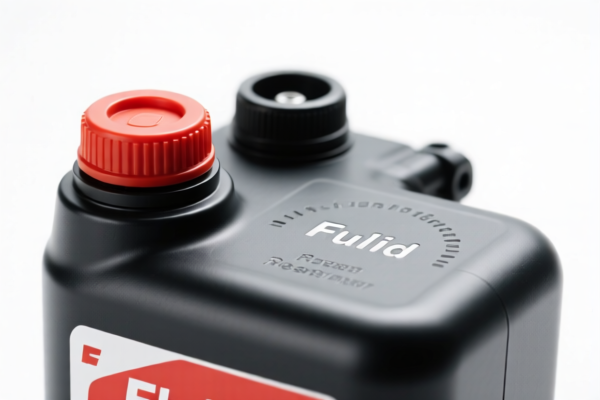
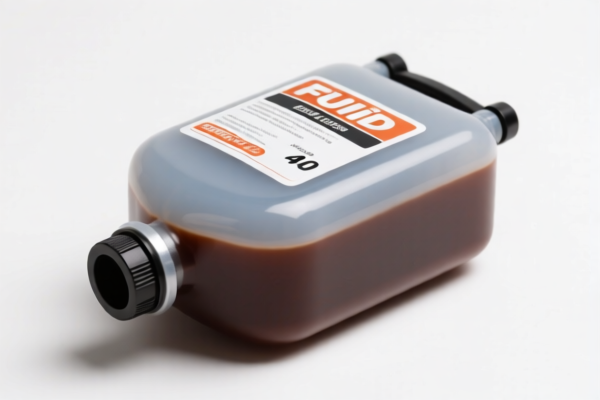
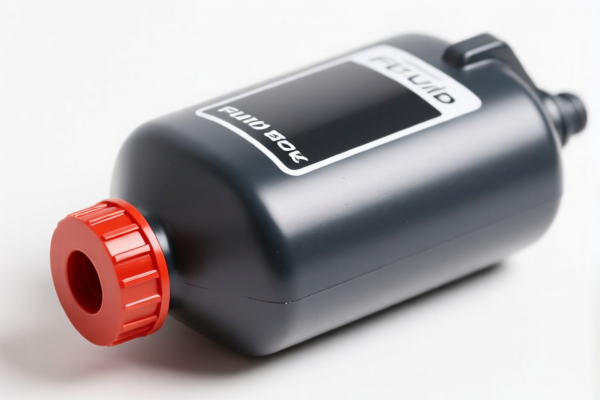

AI Analysis
🚗 Brake Fluid (Brake System Lubricant/Fluid)
🌐 HS Code Reference & Customs Clearance Guide | 2026 Latest Tariff Analysis | Professional Clearance Strategy
📌 I. Product Definition & Classification: Do You Really Know "Brake Fluid"?
Brake fluid is a specialized hydraulic fluid used in hydraulic braking and clutch applications in automobiles and motorcycles. In international trade, it is primarily classified as a "Hydraulic Transmission Fluid" (Chapter 38) or, less commonly, as an "Oil Product/Lubricant Preparation" (Chapter 27 or 34).
Key Distinction: - Hydraulic Brake Fluid (DOT 3/4/5.1 etc.): Designed for hydraulic transmission/braking systems. Primary classification is HS 3819.00. - Mineral Oil-based Lubricants: If the product is primarily a mineral oil preparation not specifically defined as hydraulic fluid, it may be classified under HS 3403 or HS 2710, though this is less accurate for standard brake fluids.
⚠️ Critical Warning:
- If the product is specifically labeled as "Brake Fluid" or "Hydraulic Brake Fluid," HS 3819.00 is the most accurate and preferred classification.
- Misclassifying as general lubricants (HS 3403) or oil products (HS 2710) may trigger audits due to significant tax rate differences.
📦 II. HS Code Classification Details (2026 Latest Tariff Authority Comparison)
| HS Code | Product Description | Application Scenario | Tax Rate (China Origin) |
|---|---|---|---|
3819.00.00.10 |
Hydraulic brake fluids | Automotive/motorcycle hydraulic braking systems | 41.5% |
3819.00.00.90 |
Other hydraulic transmission fluids | Non-brake hydraulic fluids, or if 10% IEEPA does not apply | 16.5% |
3403.19.10.00 |
Lubricating preparations containing petroleum oils | General lubricants, oil-based preparations | 35.2% |
2710.19.30.20 |
Other non-crude petroleum oils and preparations | Mineral oil preparations, maintenance oils | $0.84/bbl + 35.0% |
🔍 Key Insight:
- HS 3819.00.00.10 is the most direct match for "Brake Fluid" but carries a high total tax rate of 41.5% due to additional duties.
- HS 3819.00.00.90 has a significantly lower tax rate of 16.5%, but its applicability depends on whether the specific "10% IEEPA tariff" applies. If the product qualifies as a general hydraulic fluid not specifically targeted by the 10% surcharge, this code offers substantial savings.
- HS 3403.19.10.00 and HS 2710.19.30.20 are less precise for brake fluids but may be used if the product is formulated more as a lubricant than a hydraulic fluid. However, these codes also carry high tariffs (35.2% and 35% + specific duty).
💰 III. 2026 Latest Tariff Rate Details (Including Surtaxes & Policy Surcharges)
✅ Applicable Country: United States (US)
✅ Country of Origin: China (CN)
✅ Effective Date: From November 10, 2025 (including subsequent imports)
🎯 1. 3819.00.00.10 — Hydraulic Brake Fluids
| Item | Details |
|---|---|
| Base Tariff | 6.5% (ad valorem) |
| USITC Additional Tariff (Section 301) | +25% |
| IEEPA Additional Tariff (122 Clause) | +10% |
| Total Tax Rate | 41.5% |
| Tax Calculation | CIF Value × 41.5% |
| De Minimis Exemption Eligibility | ❌ Not Eligible (deny_de_minimis) |
| Legal Basis Path | IEEPA:9903.01.24 → USITC:3819.00.00.10 → FOOTNOTE:9903.88.01 |
📌 Explanation:
- The 25% USITC tariff is under the U.S. Trade Act Section 301 against China.
- The 10% IEEPA tariff is an additional surcharge under the International Emergency Economic Powers Act for Chinese products.
- Total 41.5% is a very high rate. Accurate classification is crucial to avoid overpayment or penalties.
🎯 2. 3819.00.00.90 — Other Hydraulic Transmission Fluids
| Item | Details |
|---|---|
| Base Tariff | 6.5% |
| USITC Additional Tariff (Section 301) | +25% (Note: Some interpretations may exclude the 10% IEEPA for this subheading if not specifically targeted) |
| IEEPA Additional Tariff (122 Clause) | 0.0% (if not applicable to this specific subheading) |
| Total Tax Rate | 16.5% |
| Tax Calculation | CIF Value × 16.5% |
| De Minimis Exemption Eligibility | ❌ Not Eligible (deny_de_minimis) |
| Legal Basis Path | USITC:3819.00.00.90 |
📌 Note:
- If the product is classified under.90and is not subject to the 10% IEEPA surcharge, the total rate drops to 16.5%, a saving of 25 percentage points compared to.10.
- This requires strong justification that the fluid is not specifically "brake fluid" under the strict definition of.10, or that the IEEPA clause does not apply.
🎯 3. 3403.19.10.00 — Lubricating Preparations
| Item | Details |
|---|---|
| Base Tariff | 0.2% |
| USITC Additional Tariff (Section 301) | +25% |
| IEEPA Additional Tariff (122 Clause) | +10% |
| Total Tax Rate | 35.2% |
| Tax Calculation | CIF Value × 35.2% |
| De Minimis Exemption Eligibility | ❌ Not Eligible (deny_de_minimis) |
| Legal Basis Path | IEEPA:9903.01.24 → USITC:3403.19.10.00 |
📌 Note:
- Lower base rate (0.2%) but still high total due to surcharges.
- Risk of reclassification to HS 3819 if customs determines it is specifically a brake fluid.
🎯 4. 2710.19.30.20 — Other Petroleum Oil Preparations
| Item | Details |
|---|---|
| Base Tariff | $0.84 per barrel |
| USITC Additional Tariff (Section 301) | +25% |
| IEEPA Additional Tariff (122 Clause) | +10% |
| Total Tax Rate | $0.84/bbl + 35.0% |
| Tax Calculation | Specific Duty + Ad Valorem (35%) |
| De Minimis Exemption Eligibility | ❌ Not Eligible (deny_de_minimis) |
| Legal Basis Path | IEEPA:9903.01.24 → USITC:2710.19.30.20 |
📌 Note:
- Includes both a specific duty ($0.84/bbl) and an ad valorem rate (35%).
- High complexity and cost. Not recommended for standard brake fluids.
🛠️ IV. Customs Clearance Practical Advice (Battle-Tested Pitfall Guide)
✅ 1. Required Documentation Checklist (All Mandatory)
| Document | Mandatory? | Description |
|---|---|---|
| ✅ Product Specification Sheet | ✔️ | Must detail chemical composition, flash point, viscosity, and type (DOT 3/4/5.1). |
| ✅ Safety Data Sheet (SDS) | ✔️ | Required for hazardous material classification and safe transport. |
| ✅ Product Photos (Label & Packaging) | ✔️ | Clear view of "Brake Fluid," DOT certification marks, and batch numbers. |
| ✅ Commercial Invoice | ✔️ | Must clearly state "Hydraulic Brake Fluid" or "Hydraulic Transmission Fluid" and HS Code. |
| ✅ Bill of Lading (B/L) | ✔️ | Must match invoice details. |
| ✅ Certificate of Origin (CO) | ✔️ | If applicable, to check for any potential exemptions (though unlikely for China origin). |
✅ 2. Declaration Tips (Key Mnemonics)
🔥 "Be Specific, Avoid Generalization! 'Brake Fluid' goes to 3819, not 3403!"
| Scenario | Correct Declaration | Incorrect Practice |
|---|---|---|
| Standard DOT 3/4/5.1 Brake Fluid | 3819.00.00.10 (Hydraulic Brake Fluid) |
Declare as "Lubricant" (HS 3403) → High audit risk |
| Universal Hydraulic Fluid (not for brakes) | 3819.00.00.90 (Other Hydraulic Fluids) |
Declare as "Brake Fluid" → May face higher tax if not justified |
| Mineral Oil-based Brake Fluid | 3819.00.00.10 |
Declare as "Petroleum Oil" (HS 2710) → Misclassification |
| Mixed Packaging (Brake Fluid + Wrench) | Declare Brake Fluid separately | Mixed value declaration → Customs may split and tax each component |
✅ 3. Special Case Handling
| Situation | Handling Advice |
|---|---|
| OEM Private Label Brake Fluid | Provide supplier’s certification and DOT approval documents. Ensure the name on the label matches the declaration. |
| Fluid Sold as "Motorcycle Brake Fluid" | Still classified under HS 3819.00.00.10. Vehicle type (car vs. motorcycle) does not change the HS code. |
| Fluid Containing Silicones (DOT 5) | Must be declared as "Silicone Brake Fluid." Still falls under HS 3819.00.00.10. Ensure SDS highlights silicone content. |
| Small Quantity Samples (< $800) | ❌ Not Eligible for De Minimis. Even small shipments of brake fluid from China are subject to full duties and are banned from de minimis exemption. |
🌍 V. Global Market Clearance Comparison (2026 Latest)
| Country/Region | Recommended HS Code | Tariff (China Origin) | Certification Requirement | Notes |
|---|---|---|---|---|
| 🇺🇸 USA | 3819.00.00.10 |
41.5% | DOT (USDOT) | High tariff due to 301 & IEEPA. De minimis denied. |
| 🇨🇳 China | 3819.00.00.10 |
5% - 6.5% | CCC (if applicable) | Lower tariff. No additional surcharges. |
| 🇪🇺 EU | 3819.00.00.10 |
0% (if eligible) | ECE R42 (Brake Fluids) | Generally low tariff. Check for REACH compliance. |
| 🇬🇧 UK | 3819.00.00.10 |
0% | ECE R42 | Post-Brexit rules may vary. |
| 🇦🇺 Australia | 3819.00.00.10 |
5% | ADR (Transport) | No major surcharges. |
📌 Conclusion:
- The US is the most expensive market for brake fluid due to the combination of base tariffs and aggressive additional duties (301 + IEEPA).
- De Minimis Exemption is NOT available for brake fluid from China. Every shipment, regardless of value, is subject to full duty.
- Consider supply chain diversification to non-China origins if targeting the US market.
📌 VI. Common Errors & Pitfall Guide (Lessons from Blood and Tears)
❌ Error 1: Declaring "Brake Fluid" as "General Lubricant" (HS 3403)
👉 Consequence: Customs may reclassify it to HS 3819.00.00.10, leading to back taxes + penalties.
👉 Risk: High audit probability due to tax rate difference.
❌ Error 2: Claiming De Minimis Exemption for Brake Fluid under $800
👉 Consequence: Goods seized or returned. Brake fluid is explicitly excluded from de minimis exemption for Chinese origins.
👉 Risk: Complete loss of shipment value.
❌ Error 3: Failing to provide SDS
👉 Consequence: Customs hold. Brake fluid is often classified as hazardous material (flammable liquid).
👉 Risk: Storage fees, delays, and potential fines.
❌ Error 4: Using "Engine Oil" as the description for Brake Fluid
👉 Consequence: Misclassification. Brake fluid is hydraulic, not lubricating for engines.
👉 Risk: Rejection by customs broker, delays.
✅ Correct Approach:
"DOT 3 Brake Fluid, Hydraulic, 1 Quart Bottle, Contains Polyglycol Ethers, SDS Available, HS Code: 3819.00.00.10"
🎯 VII. Conclusion: Professional Declaration, Save Time & Money!
🎯 Remember the Mnemonic:
🔹 "Brake Fluid is HS 3819, not 3403! De Minimis is Dead! 41.5% is the Rate!"
🔹 "Accurate Description Saves Money, Misclassification Costs Everything!"
📌 Pro Tip:
If your brake fluid is originally from Vietnam, Mexico, Thailand, or Malaysia, you may apply for IEEPA Exemptions, reducing the tariff to 0%~5%.
It is highly recommended to apply for a Pre-Ruling (Advance Ruling) from US Customs to confirm the HS Code and tax liability before shipment.
📣 Immediate Action:
📞 Contact a Professional Customs Broker + Provide Product SDS + Apply for HS Code Pre-Ruling
🚀 Ensure your brake fluid clears customs smoothly, efficiently, and profitably!
✨ Professional Clearance Starts with Accurate Classification!
💼 Every Cent of Cost Deserves to be Precisely Calculated!
Customer Reviews
About HS Code Classification
The Harmonized System (HS) is an internationally standardized nomenclature developed by the World Customs Organization (WCO) to classify traded products. Over 200 countries use the HS system as the basis for customs tariffs, trade statistics, and import/export regulations.
Each HS code follows a hierarchical structure:
- Chapter (2 digits) — Broad category of goods (e.g., Chapter 84: Machinery and Mechanical Appliances)
- Heading (4 digits) — More specific grouping within the chapter
- Subheading (6 digits) — Internationally standardized breakdown, used by all WCO member countries
- National subdivisions (8-10 digits) — Country-specific extensions for further classification, such as US HTSUS 10-digit codes
Correct HS code classification is essential for smooth customs clearance, accurate duty payment, and compliance with trade regulations. Misclassification can lead to customs delays, overpayment of duties, or penalties.
When importing from CN to US, the applicable tariff rates may include:
- Most-Favored-Nation (MFN) rate — The standard duty rate applied to WTO members
- General rate — Applied to countries without trade agreements
- Trade remedy duties — Additional tariffs such as Section 301 (anti-dumping), Section 232 (national security), or countervailing duties
The information provided on this page is for reference purposes only. For official classification, please consult with your local customs authority or a licensed customs broker.