加长杆
CN → US| HS Code | Tariff Rate | Origin | Destination | Doc |
|---|---|---|---|---|
| 9504300060 | 17.5% | CN | US | Official Doc |
| 9507100080 | 16.0% | CN | US | Official Doc |
| 9507100040 | 16.0% | CN | US | Official Doc |
| 9504208000 | 10.0% | CN | US | Official Doc |
Product Images
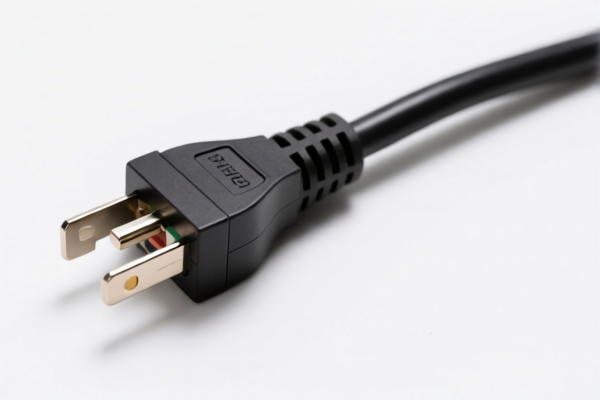
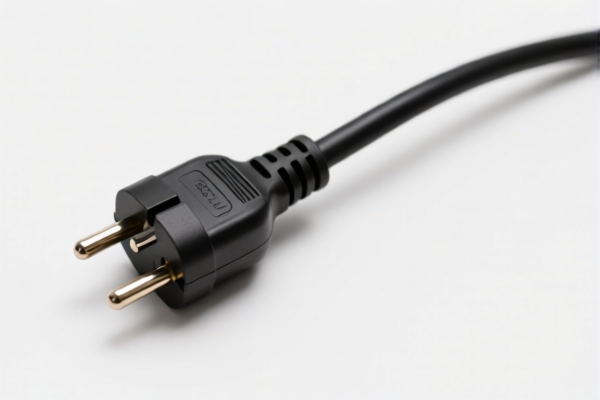
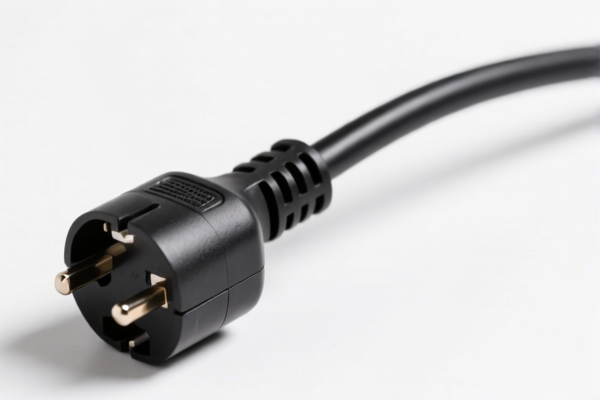

AI Analysis
🏌️♂️ Extended Shaft (Golf Club Extension) – HS Code & Tariff Guide 2026
🌐 HS Code Classification & Customs Clearance Strategy | 2026 Latest Tariff Breakdown | Expert-Level Compliance Guide
📌 One: Product Definition & Classification – What Exactly Is an "Extended Shaft"?
An extended shaft (also known as a golf club extender, longer shaft, or golf club extension) is a lengthening component designed to be attached to the main shaft of a golf club, typically used to increase reach, improve swing mechanics, or assist players with mobility issues.
It is not a standalone golf club, but rather a functional accessory that enhances or modifies the performance of an existing club.
⚠️ Critical Distinction: - If it's designed to be attached to a golf club shaft → belongs to golf equipment categories (9507.10.00.xxxx)
- If it's a metal rod with no golf-specific function, and made of steel/iron/aluminum → may fall under general mechanical parts (8466.94.65.40) or iron/steel products (7326.90.86.88)
📦 Two: HS Code Classification Details (2026 Official Tariff Matrix)
| HS Code | Product Description | Applicable Use Case | Material/Function | Tax Rate |
|---|---|---|---|---|
9507.10.00.80 |
Golf club extension (accessory/attachment), designed for use with golf clubs | Used with golf clubs to increase length | Non-metallic or mixed material, no conflict with golf classification | 16.0% |
9504.30.00.60 |
Accessory for billiards/table games, including extenders for cues | Used in cue stick extensions (e.g., pool, snooker) | Non-metallic, compatible with table game equipment | 17.5% |
9504.20.80.00 |
Accessory for billiards equipment, including shaft extenders | Part of cue stick system, used in indoor table games | No material conflict with billiards classification | 10.0% |
9507.10.00.40 |
Extension component for golf clubs, designed to attach to main shaft | Used to lengthen golf clubs (e.g., driver, putter) | Non-metallic or compatible materials | 16.0% |
8466.94.65.40 |
Metal extension rod, classified as mechanical part, rod-shaped | Pure metal rod, no golf or game function, used in machinery | Metal (steel/iron), not designed for sports | 39.7% |
7326.90.86.88 |
Other iron or steel products, not elsewhere specified | Steel/iron rod, no sport function, general industrial use | Steel/iron, no golf or game purpose | 87.9% |
🔍 Key Insight:
The same physical product can be classified under different HS codes depending on intended use, material, and function.
✅ Golf/Pool Use → Lower tariffs (10%–17.5%)
❌ Metal Rod (No Sport Use) → Extremely high tariffs (39.7%–87.9%)
💰 Three: 2026 Tariff Breakdown – Full Tax Clause Explanation
✅ Applicable Country: United States (US)
✅ Origin: China (CN)
✅ Effective Date: November 10, 2025 (inclusive)
🎯 1. 9507.10.00.80 – Golf Club Extension (Accessory)
| Item | Detail |
|---|---|
| Base Duty | 6.0% (ad valorem) |
| Additional Tariff (Section 301) | 0.0% |
| Section 122 Tariff | 10.0% |
| Total Tariff | 16.0% |
| Tax Calculation | CIF Value × 16.0% |
| De Minimis Threshold | ❌ Not eligible (denied under U.S. de minimis rules) |
| Legal Basis Path | Section 122: 9903.01.24 → 9507.10.00.80 → FOOTNOTE: 9903.88.01 |
📌 Explanation:
- This code applies only if the extension is clearly designed for golf clubs.
- No 301 tariff because it’s not under the “Section 301” list.
- 10% Section 122 tariff applies to all Chinese-origin goods under this category.
- Total: 16% – relatively low for a Chinese product.
🎯 2. 9504.30.00.60 – Billiards/Pool Cue Accessory
| Item | Detail |
|---|---|
| Base Duty | 0.0% |
| Additional Tariff (Section 301) | 7.5% |
| Section 122 Tariff | 10.0% |
| Total Tariff | 17.5% |
| Tax Calculation | CIF × 17.5% |
| De Minimis | ❌ Not eligible |
| Legal Basis Path | IEEPA: 9903.01.24 → 9504.30.00.60 → FOOTNOTE: 9903.88.01 |
📌 Explanation:
- 7.5% Section 301 tariff applies because billiards equipment is on the Section 301 list.
- 10% Section 122 tariff applies to all Chinese goods.
- Total: 17.5% – slightly higher than golf-related items.
🎯 3. 9504.20.80.00 – Accessory for Billiards Equipment
| Item | Detail |
|---|---|
| Base Duty | 0.0% |
| Additional Tariff (Section 301) | 0.0% |
| Section 122 Tariff | 10.0% |
| Total Tariff | 10.0% |
| Tax Calculation | CIF × 10.0% |
| De Minimis | ❌ Not eligible |
| Legal Basis Path | Section 122: 9903.01.24 → 9504.20.80.00 → FOOTNOTE: 9903.88.01 |
📌 Explanation:
- No Section 301 tariff – this subheading is not on the 301 list.
- Only 10% Section 122 tariff applies.
- Best option for non-301-listed billiards accessories.
🎯 4. 9507.10.00.40 – Golf Club Extension (Lengthening Component)
| Item | Detail |
|---|---|
| Base Duty | 6.0% |
| Additional Tariff (Section 301) | 0.0% |
| Section 122 Tariff | 10.0% |
| Total Tariff | 16.0% |
| Tax Calculation | CIF × 16.0% |
| De Minimis | ❌ Not eligible |
| Legal Basis Path | Section 122: 9903.01.24 → 9507.10.00.40 → FOOTNOTE: 9903.88.01 |
📌 Explanation:
- Same as 9507.10.00.80 – only difference is sub-code.
- 16% total – ideal for golf-related extensions.
🎯 5. 8466.94.65.40 – Metal Extension Rod (Mechanical Part)
| Item | Detail |
|---|---|
| Base Duty | 4.7% |
| Additional Tariff (Section 301) | 25.0% |
| Section 122 Tariff | 10.0% |
| Total Tariff | 39.7% |
| Tax Calculation | CIF × 39.7% |
| De Minimis | ❌ Not eligible |
| Legal Basis Path | Section 301: 9903.01.25 → 8466.94.65.40 → FOOTNOTE: 9903.88.01 |
📌 Explanation:
- 25% Section 301 tariff applies because mechanical parts are on the Section 301 list.
- 10% Section 122 tariff applies.
- Total: 39.7% – very high.
- ❌ Avoid this classification unless the product is not used in golf or pool.
🎯 6. 7326.90.86.88 – Iron/Steel Product (General Use)
| Item | Detail |
|---|---|
| Base Duty | 2.9% |
| Additional Tariff (Section 301) | 25.0% |
| Section 122 Tariff | 10.0% |
| Steel/Aluminum Product Extra Duty | 50.0% |
| Total Tariff | 87.9% |
| Tax Calculation | CIF × 87.9% |
| De Minimis | ❌ Not eligible |
| Legal Basis Path | Section 301: 9903.01.25 → 7326.90.86.88 → FOOTNOTE: 9903.88.01 → EXTRA DUTY: 9903.01.26 |
📌 Explanation:
- 25% Section 301 tariff
- 10% Section 122 tariff
- 50% extra tariff on steel/aluminum products (from 2025)
- Total: 87.9% – extremely punitive
- ❌ Never use this code unless the product is pure industrial metal rod with no sport function
🛠️ Four: Customs Clearance Best Practices (Real-World Tips)
✅ 1. Essential Documentation (Must-Have)
| Document | Required? | Notes |
|---|---|---|
| ✅ Product Specification Sheet | ✔️ | Include intended use, attachment method, material, dimensions |
| ✅ Product Photos (with labels) | ✔️ | Show clearly that it's for golf/pool use |
| ✅ Circuit Diagram / Structure Drawing | ✔️ | Prove no mechanical/industrial function |
| ✅ Third-Party Test Report | ✔️ | FCC, RoHS, CE (if applicable) |
| ✅ Commercial Invoice | ✔️ | Must state: "Golf Club Extension for Use with Golf Clubs" |
| ✅ Certificate of Origin (CO) | ✔️ | If from Vietnam/Mexico/Thailand, may avoid 301/122 tariffs |
| ✅ Packing List | ✔️ | Show no separate mechanical parts |
✅ 2.申报技巧(Key Rules to Remember)
🔥 “Use Case Defines Code – Golf = Low Tax, Metal = High Tax!”
| Scenario | Correct HS Code | Wrong Code | Risk |
|---|---|---|---|
| Golf club extension with grip & ferrule | 9507.10.00.80 or 9507.10.00.40 |
8466.94.65.40 |
Tax jump from 16% → 39.7% |
| Pool cue extender | 9504.20.80.00 or 9504.30.00.60 |
7326.90.86.88 |
Tax jump from 10% → 87.9% |
| Metal rod with no sport use | 8466.94.65.40 |
9507.10.00.80 |
Misclassification → penalties |
✅ 3. Special Cases
| Situation | Recommended Action |
|---|---|
| OEM Custom Design | Provide customer order + design drawings to prove sport-specific use |
| Made in Vietnam/Mexico | Apply for CO → avoid 301 & 122 tariffs |
| Used in Pro Golf Training | Include training center letter to support golf use |
| Metal with Golf Grip | Still classify under golf category if designed for golf |
🌍 Five: Global Market Tariff Comparison (2026)
| Country | Recommended HS Code | Tariff | Certification | Notes |
|---|---|---|---|---|
| 🇺🇸 USA | 9507.10.00.80 |
16.0% | FCC, RoHS | 301/122 apply |
| 🇨🇳 China | 9507.10.00.80 |
5.0% | CCC | No extra tariffs |
| 🇪🇺 EU | 9507.10.00.80 |
0% | CE | No 301/122 |
| 🇦🇺 Australia | 9507.10.00.80 |
5.0% | RCM | No extra duties |
| 🇯🇵 Japan | 9507.10.00.80 |
0% | PSE | No additional taxes |
📌 Conclusion:
- USA has the highest tariffs for Chinese-origin goods.
- Golf-related items are safer than metal rods.
- Origin matters: Vietnam/Mexico = lower tariffs.
📌 Six: Common Mistakes & How to Avoid Them
❌ Mistake 1: Calling a golf club extension a "metal rod" in invoice
👉 Result: Classified as 8466.94.65.40 → 39.7% tax instead of 16%
❌ Mistake 2: Using 7326.90.86.88 for a pool cue extender
👉 Result: 87.9% tax – almost double the cost
❌ Mistake 3: No photos or description of use
👉 Result: Customs delays, reclassification, penalties
❌ Mistake 4: Not providing origin proof
👉 Result: All tariffs apply, even if you could avoid them
✅ Correct Way to Describe:
“Golf Club Extension Shaft, 12-inch, for use with driver/putter, made of composite material, designed to increase swing length, Model XYZ, FCC & RoHS Certified”
🎯 Seven: Final Verdict – Smart Classification Saves Money!
🎯 Golden Rule:
🔹 "If it’s for golf/pool → use 9507 or 9504 → 10%–17.5%
🔹 If it’s a metal rod → avoid 8466/7326 → 39.7%–87.9%!"🔹 "HS Code decides your tax. One wrong code = 50%+ extra cost!"
📌 Pro Tip:
✅ Apply for an Advance Ruling (Pre-Ruling) before shipment
✅ Get a CO from Vietnam/Mexico to avoid 301/122 tariffs
✅ Use professional customs brokers for high-value shipments
📣 Take Action Now!
📞 Contact a licensed customs broker + provide product photos & specs
🚀 Get your HS Code pre-approved – avoid delays, fines, and tax surprises
✨ Professional Customs Starts with Accurate Classification!
💼 Your Profit Depends on the Right HS Code!
Customer Reviews
About HS Code Classification
The Harmonized System (HS) is an internationally standardized nomenclature developed by the World Customs Organization (WCO) to classify traded products. Over 200 countries use the HS system as the basis for customs tariffs, trade statistics, and import/export regulations.
Each HS code follows a hierarchical structure:
- Chapter (2 digits) — Broad category of goods (e.g., Chapter 84: Machinery and Mechanical Appliances)
- Heading (4 digits) — More specific grouping within the chapter
- Subheading (6 digits) — Internationally standardized breakdown, used by all WCO member countries
- National subdivisions (8-10 digits) — Country-specific extensions for further classification, such as US HTSUS 10-digit codes
Correct HS code classification is essential for smooth customs clearance, accurate duty payment, and compliance with trade regulations. Misclassification can lead to customs delays, overpayment of duties, or penalties.
When importing from CN to US, the applicable tariff rates may include:
- Most-Favored-Nation (MFN) rate — The standard duty rate applied to WTO members
- General rate — Applied to countries without trade agreements
- Trade remedy duties — Additional tariffs such as Section 301 (anti-dumping), Section 232 (national security), or countervailing duties
The information provided on this page is for reference purposes only. For official classification, please consult with your local customs authority or a licensed customs broker.