动物纤维织物(工业用)
CN → US| HS Code | Tariff Rate | Origin | Destination | Doc |
|---|---|---|---|---|
| 5911900080 | 38.8% | CN | US | Official Doc |
| 5911202000 | 35.0% | CN | US | Official Doc |
| 5112904000 | 42.0% | CN | US | Official Doc |
| 5112909090 | 60.0% | CN | US | Official Doc |
| 5111909000 | 60.0% | CN | US | Official Doc |
| 5111196060 | 60.0% | CN | US | Official Doc |
Product Images
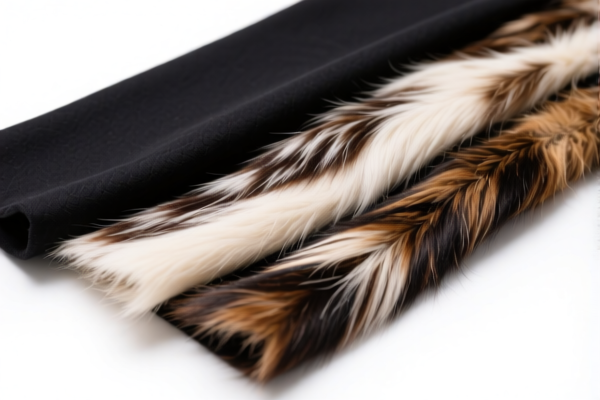
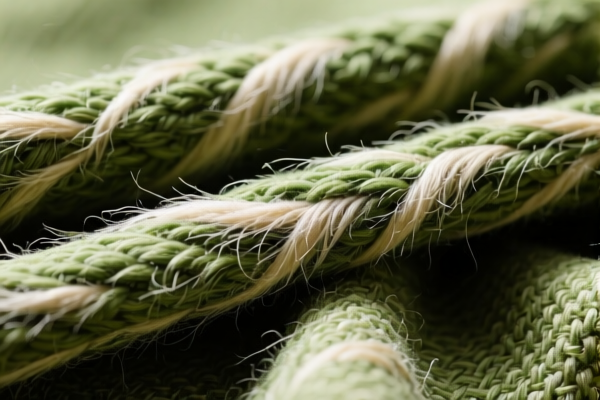
AI Analysis
🐑 Animal Fiber Fabrics (Industrial Use)
🌐 HS Code Reference & Customs Clearance Guide | 2026 Updated Tariff Analysis | Professional Import Strategy
📌 One, Product Definition & Classification: What Exactly Are "Animal Fiber Fabrics"?
Animal fiber fabrics are textile materials made from natural fibers derived from animals—such as wool, cashmere, mohair, alpaca, or camel hair. In industrial contexts, these fabrics are not used for clothing but serve specialized technical functions in engineering, filtration, insulation, reinforcement, or high-performance industrial applications.
⚠️ Key Differentiator:
- If the fabric is not intended for apparel and is used in industrial machinery, technical systems, or engineering components → must be classified under industrial-use HS codes.
- Even if made from premium fibers like fine wool or mohair, purpose determines classification.
📦 Two, HS Code Classification Details (2026 Updated Tariff Authority)
| HS Code | Product Description | Material Type | Form | Use Case | Tax Rate |
|---|---|---|---|---|---|
5911.90.00.80 |
Animal fiber fabric (industrial use), material: animal fiber, form: fabric, purpose: technical use | Animal fiber | Fabric | Technical / industrial | 38.8% |
5111.90.90.00 |
Animal fiber fabric (industrial use), material: combed wool or fine animal hair, form: woven fabric, purpose: industrial | Combed wool / fine animal hair | Woven fabric | Industrial use | 60.0% |
5911.20.20.00 |
Animal fiber fabric (industrial use), material: animal fiber, form: textile product, purpose: technical use | Animal fiber | Textile product | Technical application | 35.0% |
5112.90.90.90 |
Animal fiber fabric (industrial use), material: combed wool or fine animal hair, form: woven fabric, purpose: industrial | Combed wool / fine animal hair | Woven fabric | Industrial use | 60.0% |
🔍 Critical Insight:
- "Industrial use" is the key factor—even premium materials like combed wool or fine animal hair are subject to extremely high tariffs if used in non-apparel, technical applications.
- Woven fabric (机织物) is treated the same as fabric or textile product in classification, but material precision affects tariff rates.
💰 Three, 2026 Latest Tariff Breakdown (With Detailed Duty Clauses)
✅ Applicable Country: United States (US)
✅ Origin: China (CN)
✅ Effective Date: November 10, 2025 (and onward)
🎯 1. 5911.90.00.80 — Animal Fiber Fabric (Industrial Use)
| Item | Detail |
|---|---|
| Base Duty | 3.8% (ad valorem) |
| Additional Tariff (Section 301) | +25.0% (USITC Footnote 9903.88.01) |
| Section 122 Tariff (IEEPA) | +10.0% (International Emergency Economic Powers Act) |
| Total Effective Rate | 38.8% |
| Tax Calculation | CIF Value × 38.8% |
| De Minimis Exemption? | ❌ No (denied under IEEPA) |
| Legal Basis Path | IEEPA:9903.01.25 → IEEPA:9903.01.24 → USITC:5911.90.00.80 → FOOTNOTE:9903.88.01 |
📌 Explanation:
- 3.8% base tariff applies to animal fiber fabrics under general rules.
- +25% from Section 301 (USITC) due to China’s unfair trade practices.
- +10% from IEEPA, targeting goods from China/Hong Kong under national emergency powers.
- Total: 38.8% — high but lower than combed wool variants.
🎯 2. 5111.90.90.00 — Animal Fiber Fabric (Industrial Use, Combed Wool/Fine Hair)
| Item | Detail |
|---|---|
| Base Duty | 25.0% |
| Additional Tariff (Section 301) | +25.0% |
| Section 122 Tariff (IEEPA) | +10.0% |
| Total Effective Rate | 60.0% |
| Tax Calculation | CIF Value × 60.0% |
| De Minimis Exemption? | ❌ No |
| Legal Basis Path | IEEPA:9903.01.25 → IEEPA:9903.01.24 → USITC:5111.90.90.00 → FOOTNOTE:9903.88.01 |
📌 Explanation:
- 25% base duty applies to combed wool or fine animal hair under HS 5111.
- +25% Section 301 tariff — doubled due to material sensitivity.
- +10% IEEPA — same as above.
- Total: 60.0% — highest among all listed codes.
🎯 3. 5911.20.20.00 — Animal Fiber Fabric (Technical Use)
| Item | Detail |
|---|---|
| Base Duty | 0.0% |
| Additional Tariff (Section 301) | +25.0% |
| Section 122 Tariff (IEEPA) | +10.0% |
| Total Effective Rate | 35.0% |
| Tax Calculation | CIF Value × 35.0% |
| De Minimis Exemption? | ❌ No |
| Legal Basis Path | IEEPA:9903.01.25 → IEEPA:9903.01.24 → USITC:5911.20.20.00 → FOOTNOTE:9903.88.01 |
📌 Explanation:
- 0% base duty — but still subject to 25% + 10% due to industrial use + China origin.
- Despite no base tariff, total tax is 35% — still extremely high.
- This code applies to technical textile products (e.g., filtration media, insulation layers).
🎯 4. 5112.90.90.90 — Animal Fiber Fabric (Industrial Use, Combed Wool/Fine Hair)
| Item | Detail |
|---|---|
| Base Duty | 25.0% |
| Additional Tariff (Section 301) | +25.0% |
| Section 122 Tariff (IEEPA) | +10.0% |
| Total Effective Rate | 60.0% |
| Tax Calculation | CIF Value × 60.0% |
| De Minimis Exemption? | ❌ No |
| Legal Basis Path | IEEPA:9903.01.25 → IEEPA:9903.01.24 → USITC:5112.90.90.90 → FOOTNOTE:9903.88.01 |
📌 Explanation:
- Identical to5111.90.90.00— both cover combed wool / fine animal hair in industrial woven fabrics.
- 60.0% total tariff — maximum penalty for high-value animal fiber industrial textiles.
🛠️ Four, Customs Clearance Best Practices (Real-World Pro Tips)
✅ 1. Required Documentation (Must-Have Checklist)
| Document | Required? | Notes |
|---|---|---|
| ✅ Product Specification Sheet | ✔️ | Include fiber type, weave, thickness, tensile strength, application |
| ✅ Technical Use Statement | ✔️ | Clearly state: "For industrial filtration, insulation, or reinforcement" |
| ✅ Product Photos (with labels) | ✔️ | Show fiber texture, weave pattern, and markings |
| ✅ Third-Party Test Report | ✔️ | ASTM, ISO, or AATCC standards (e.g., for durability, flammability) |
| ✅ Commercial Invoice | ✔️ | Label as: "Animal Fiber Fabric, Industrial Use, Not for Apparel" |
| ✅ Certificate of Origin (CO) | ✔️ | If from Vietnam, Mexico, or Thailand → may qualify for IEEPA exemption |
| ✅ Packing List | ✔️ | Show total weight, quantity, and packaging type |
✅ 2.申报技巧(Key Tips)
🔥 "Material Matters, Purpose Rules, Label Clearly, Avoid 60%!"
| Scenario | Correct HS Code | Wrong Approach |
|---|---|---|
| Combed wool fabric for industrial filter | 5111.90.90.00 or 5112.90.90.90 |
Misreport as "textile" → 38.8% |
| Animal fiber fabric for insulation | 5911.90.00.80 |
Claim as "non-industrial" → 60% penalty |
| Fine hair fabric used in lab equipment | 5112.90.90.90 |
Use generic name → audit risk |
| Fabric with no driver or electronics | 5911.20.20.00 |
Misclassify as "apparel" → 35% → still high |
✅ 3. Special Case Handling
| Situation | Recommended Action |
|---|---|
| OEM Industrial Fabric | Provide customer order + technical specs → avoid "non-standard" classification |
| Mixed Fiber Fabric (Animal + Synthetic) | Must declare animal fiber content >50% to qualify for animal fiber codes |
| Used in Medical/Defense Equipment | Apply for "Special Purpose" exemption — requires pre-approval |
| Origin from Vietnam/Mexico/Thailand | Apply for IEEPA exemption — 0% additional tariff possible |
🌍 Five, Global Customs Comparison (2026 Update)
| Country/Region | Recommended HS Code | Base Duty | Additional Taxes | Notes |
|---|---|---|---|---|
| 🇺🇸 United States | 5111.90.90.00 |
25% | +25% +10% → 60% | Highest tariff |
| 🇨🇳 China | 5911.90.00.80 |
5% | None | No extra duties |
| 🇪🇺 European Union | 5911.90.00.80 |
0% (if CE) | None | No IEEPA/301 |
| 🇦🇺 Australia | 5911.90.00.80 |
5% | None | No附加税 |
| 🇯🇵 Japan | 5911.90.00.80 |
0% | None | No附加税 |
📌 Conclusion:
- The U.S. is the only market imposing 60% tariffs on industrial animal fiber fabrics from China.
- China, EU, Australia, Japan have no additional tariffs — ideal for re-routing.
📌 Six, Common Mistakes & Risk Warnings (Avoid These!)
❌ Mistake 1: Classifying combed wool fabric as "textile" instead of industrial use
👉 Result: Tax jumps from 38.8% → 60% → huge penalty
❌ Mistake 2: Using generic name like "fabric" or "wool cloth"
👉 Result: Customs may assume apparel use → incorrect HS code → audit or seizure
❌ Mistake 3: Not declaring industrial purpose in invoice
👉 Result: Delayed clearance, request for additional info, or rejection
❌ Mistake 4: Shipping from China without CO origin proof
👉 Result: No IEEPA exemption — 60% tax applies
✅ Correct Declaration Example:
"Animal Fiber Fabric, Combed Wool, Woven, 100% Animal Fiber, Used for Industrial Filtration Systems, Not for Apparel, Origin: China, Model XYZ"
🎯 Seven, Final Verdict: Precision Saves Money!
🎯 Remember the Golden Rule:
🔹 "If it’s industrial, not apparel — even wool is taxed at 60%!"
🔹 "Combed wool + industrial use = 60% tariff — no escape!"
🔹 "Label clearly, declare truthfully, or pay the price!"
📌 Pro Tip:
If your product is originating from Vietnam, Mexico, or Thailand, apply for IEEPA exemption — you could reduce tariff from 60% to 0%.
✅ Apply for Advance Ruling (Pre-Approval) before shipping to avoid surprises.
📣 Take Action Now:
📞 Contact a customs broker with U.S. Section 301/IEEPA expertise
🚀 Submit product photos, specs, and origin docs for HS Code pre-ruling
🌐 Consider re-routing through non-China origin to cut tariff by 50%+
✨ Professional Customs Starts with Accurate Classification!
💼 Your product’s fate is sealed in the HS Code — get it right the first time!
Customer Reviews
About HS Code Classification
The Harmonized System (HS) is an internationally standardized nomenclature developed by the World Customs Organization (WCO) to classify traded products. Over 200 countries use the HS system as the basis for customs tariffs, trade statistics, and import/export regulations.
Each HS code follows a hierarchical structure:
- Chapter (2 digits) — Broad category of goods (e.g., Chapter 84: Machinery and Mechanical Appliances)
- Heading (4 digits) — More specific grouping within the chapter
- Subheading (6 digits) — Internationally standardized breakdown, used by all WCO member countries
- National subdivisions (8-10 digits) — Country-specific extensions for further classification, such as US HTSUS 10-digit codes
Correct HS code classification is essential for smooth customs clearance, accurate duty payment, and compliance with trade regulations. Misclassification can lead to customs delays, overpayment of duties, or penalties.
When importing from CN to US, the applicable tariff rates may include:
- Most-Favored-Nation (MFN) rate — The standard duty rate applied to WTO members
- General rate — Applied to countries without trade agreements
- Trade remedy duties — Additional tariffs such as Section 301 (anti-dumping), Section 232 (national security), or countervailing duties
The information provided on this page is for reference purposes only. For official classification, please consult with your local customs authority or a licensed customs broker.