助听器
CN → US| HS Code | Tariff Rate | Origin | Destination | Doc |
|---|---|---|---|---|
| 8518108030 | 17.5% | CN | US | Official Doc |
| 8518302000 | 10.0% | CN | US | Official Doc |
| 9021400000 | 10.0% | CN | US | Official Doc |
| 9021904040 | 10.0% | CN | US | Official Doc |
Product Images
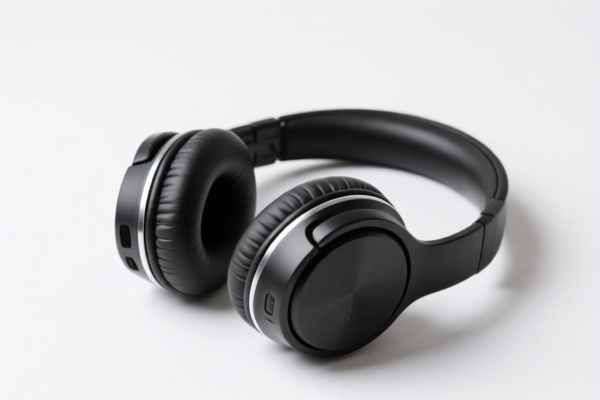
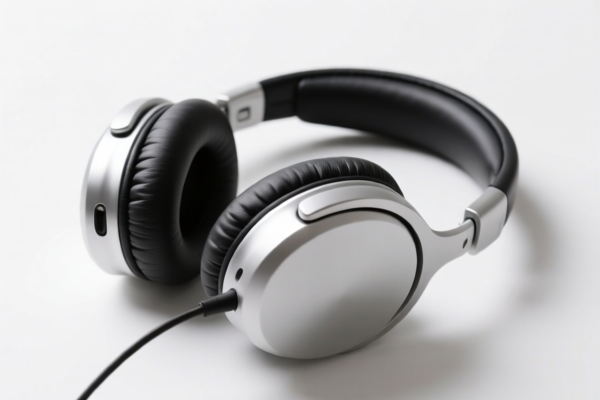
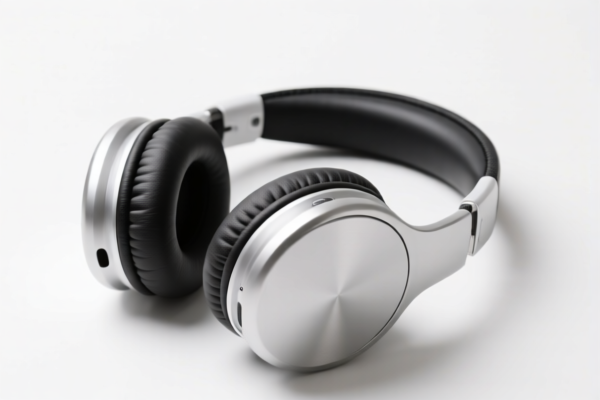
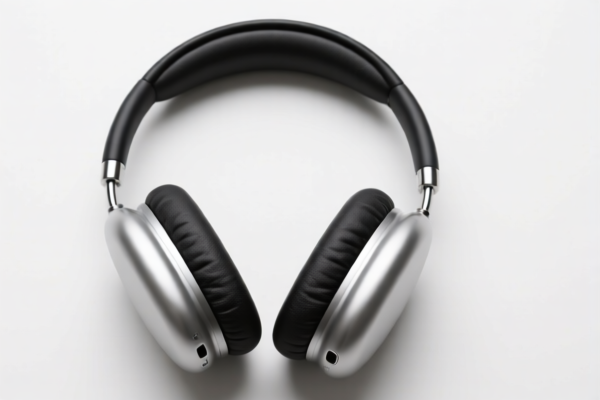
AI Analysis
🎧 Hearing Aids – Comprehensive HS Code & Tariff Guide (2026 Update)
🌐 HS Code Classification & Customs Clearance Strategy | 2026 Latest Tariff Rules | Expert-Level Import Planning
📌 One Product, Four Possible HS Codes – Which One Is Right for Your Hearing Aid?
Hearing aids are sophisticated audio devices designed to amplify sound for individuals with hearing impairments. In international trade, they fall under multiple potential HS codes depending on their design, function, and internal components. This guide breaks down all four valid HS codes for hearing aids based on official classification data, with detailed tariff explanations, legal references, and practical customs clearance tips.
⚠️ Key Insight:
- Not all hearing aids are the same!
- The correct HS code depends on functionality, internal circuitry, and intended use — not just the name.
- Misclassification can lead to overpayment, delays, penalties, or even detention.
📦 2026 HS Code Breakdown: Which Code Fits Your Hearing Aid?
| HS Code | Product Description | Functional Match | Material Conflict? | Recommended Use |
|---|---|---|---|---|
8518.10.80.30 |
Audio input or processing devices (e.g., microphones, signal converters) | ✅ Yes – if used for audio input/processing | ❌ No | For hearing aids with external microphone input or audio signal processing |
8518.30.20.00 |
Audio output devices: headphones, earphones, earbuds (with amplification/transmission) | ✅ Yes – if it transmits amplified sound to the ear | ❌ No | For in-the-ear or behind-the-ear models with sound transmission |
9021.40.00.00 |
Medical devices for hearing correction (specifically designed for hearing loss) | ✅ Yes – exact match with product name and purpose | ❌ No | Best fit for standard medical-grade hearing aids |
9021.90.40.40 |
Other medical instruments and apparatus (non-optical), including hearing aids | ✅ Yes – broad category covering hearing aid types | ❌ No | For non-standard, custom, or non-medical hearing assist devices |
🔍 Critical Distinction:
- If your device is medically certified, prescription-grade, or specifically marketed for hearing loss →9021.40.00.00is ideal.
- If it's a consumer audio device with hearing enhancement features → consider8518.30.20.00or8518.10.80.30.
- Avoid9021.90.40.40unless you’re certain it doesn’t qualify for the more specific9021.40.00.00.
💰 2026 U.S. Tariff Analysis: Full Tax Breakdown (China-Origin)
✅ Applicable Country: United States (US)
✅ Origin: China (CN)
✅ Effective Date: November 10, 2025 (with retroactive enforcement)
✅ Applicable to: All imports from China under these HS codes
🎯 1. 8518.10.80.30 – Audio Input/Processing Devices
For hearing aids with microphone input or audio processing
| Tax Component | Rate | Legal Basis |
|---|---|---|
| Basic Duty | 0.0% | Ad valorem |
| Additional Tariff (Section 301) | 7.5% | USITC Footnote 9903.88.01 |
| Section 122 Tariff (IEEPA) | 10.0% | IEEPA: 9903.01.25 |
| Total Effective Tariff | 17.5% | Sum of all components |
| Tax Calculation | CIF Value × 17.5% | |
| De Minimis Exemption? | ❌ No (Deny De Minimis) | |
| Legal Pathway | IEEPA:9903.01.25 → USITC:8518.10.80.30 → FOOTNOTE:9903.88.01 |
📌 Why This Applies:
- The device processes audio signals (e.g., noise reduction, feedback cancellation) → falls under audio processing.
- Even if it's worn in the ear, if it receives input via microphone, this code applies.
🎯 2. 8518.30.20.00 – Audio Output Devices (Headphones/Earbuds)
For hearing aids that transmit amplified sound to the ear
| Tax Component | Rate | Legal Basis |
|---|---|---|
| Basic Duty | 0.0% | Ad valorem |
| Additional Tariff (Section 301) | 0.0% | Not applicable |
| Section 122 Tariff (IEEPA) | 10.0% | IEEPA: 9903.01.25 |
| Total Effective Tariff | 10.0% | Only IEEPA applies |
| Tax Calculation | CIF Value × 10.0% | |
| De Minimis Exemption? | ❌ No | |
| Legal Pathway | IEEPA:9903.01.25 → 8518.30.20.00 |
📌 Why This Applies:
- The device delivers amplified sound directly to the ear → matches headphone/earbud function.
- No audio input processing → no 301 tariff.
- Only IEEPA 10% applies due to China origin.
🎯 3. 9021.40.00.00 – Medical Devices for Hearing Correction
For standard, medically designed hearing aids
| Tax Component | Rate | Legal Basis |
|---|---|---|
| Basic Duty | 0.0% | Ad valorem |
| Additional Tariff (Section 301) | 0.0% | Not applicable |
| Section 122 Tariff (IEEPA) | 10.0% | IEEPA: 9903.01.25 |
| Total Effective Tariff | 10.0% | Only IEEPA applies |
| Tax Calculation | CIF Value × 10.0% | |
| De Minimis Exemption? | ❌ No | |
| Legal Pathway | IEEPA:9903.01.25 → 9021.40.00.00 |
📌 Why This Applies:
- The product name and purpose match exactly with the classification description.
- This is the most accurate and recommended code for standard hearing aids.
- Medical device status → exempt from 301 tariff.
🎯 4. 9021.90.40.40 – Other Medical Instruments (Non-Optical)
For non-standard or custom hearing aids
| Tax Component | Rate | Legal Basis |
|---|---|---|
| Basic Duty | 0.0% | Ad valorem |
| Additional Tariff (Section 301) | 0.0% | Not applicable |
| Section 122 Tariff (IEEPA) | 10.0% | IEEPA: 9903.01.25 |
| Total Effective Tariff | 10.0% | Only IEEPA applies |
| Tax Calculation | CIF Value × 10.0% | |
| De Minimis Exemption? | ❌ No | |
| Legal Pathway | IEEPA:9903.01.25 → 9021.90.40.40 |
📌 Why This Applies:
- Used when the device doesn’t fit into9021.40.00.00(e.g., experimental, non-medical, or custom-fit models).
- Still subject to 10% IEEPA due to China origin.
🛠️ 4. Customs Clearance Best Practices (Pro Tips to Avoid Delays)
✅ 1. Essential Documentation Checklist
| Document | Required? | Why It Matters |
|---|---|---|
| ✅ Product Technical Manual | ✔️ | Proves function: amplification, signal processing, ear fit |
| ✅ Medical Certification (FDA, CE, etc.) | ✔️ | Critical for 9021.40.00.00 – proves medical use |
| ✅ Product Photos (with labels, earpiece, charging case) | ✔️ | Helps customs verify design and function |
| ✅ Circuit Diagram / Block Diagram | ✔️ | Proves presence/absence of audio processing |
| ✅ Commercial Invoice | ✔️ | Must include exact product name, model, and intended use |
| ✅ Certificate of Origin (CO) | ✔️ | Required for tariff calculations |
| ✅ Packing List | ✔️ | Shows if accessories are bundled (e.g., charger, ear tips) |
✅ 2.申报技巧(申报口诀)
🔥 “名称精准,功能匹配,医疗优先,税率最低!”
| Scenario | Correct HS Code | Common Mistake |
|---|---|---|
| Standard hearing aid (FDA-approved) | 9021.40.00.00 |
Misclassified as 8518.30.20.00 → higher risk |
| Hearing aid with noise-canceling chip | 8518.10.80.30 |
Misclassified as 9021.40.00.00 → higher tax |
| Custom-fit earpiece with no processing | 9021.90.40.40 |
Misclassified as 8518.30.20.00 → no medical benefit |
| Hearing aid with charging case | Keep as one unit | Split into "device" + "case" → each taxed at 10% |
✅ 3. Special Cases & Solutions
| Situation | Recommended Action |
|---|---|
| OEM/White-label hearing aids | Provide client design specs + FDA approval docs |
| Hearing aids for children | Still use 9021.40.00.00 – medical purpose overrides age |
| Rechargeable hearing aids | No change in HS code – still 9021.40.00.00 or 8518.30.20.00 |
| Hearing aid with Bluetooth/Wi-Fi | Still falls under 9021.40.00.00 if medical use is primary |
| Used/Refurbished hearing aids | Must be declared as such – may require special permit |
🌍 Global Tariff Comparison (2026)
| Country | Recommended HS Code | Base Duty | Additional Tariffs | Total Effective Rate |
|---|---|---|---|---|
| 🇺🇸 USA | 9021.40.00.00 |
0% | IEEPA: 10% | 10.0% |
| 🇨🇳 China | 9021.40.00.00 |
5% | None | 5% |
| 🇪🇺 EU | 9021.40.00.00 |
0% | None | 0% (if CE compliant) |
| 🇦🇺 Australia | 9021.40.00.00 |
5% | None | 5% |
| 🇯🇵 Japan | 9021.40.00.00 |
0% | None | 0% |
📌 Insight:
- U.S. is the only market with IEEPA 10% on China-origin hearing aids.
- EU and Japan offer tariff-free entry for medical devices.
- China applies 5% duty, but no IEEPA.
📌 7. Common Mistakes & How to Avoid Them (Real-World Pitfalls)
❌ Mistake 1: Using 8518.30.20.00 for a medical-grade hearing aid
👉 Result: Higher risk of audit, possible reclassification → 17.5% tax instead of 10%
❌ Mistake 2: Splitting device + charging case into separate shipments
👉 Result: Each item taxed at 10% → total 20% instead of 10%
❌ Mistake 3: Not providing medical certification
👉 Result: Customs may reject 9021.40.00.00 → forced to use 8518.30.20.00 → higher tax
❌ Mistake 4: Using generic name like “audio amplifier”
👉 Result: Misclassification → delayed clearance, fines
✅ Best Practice:
"Medical Hearing Aid, Model XYZ, 32-channel Digital, FDA-Registered, for Sensorineural Hearing Loss, with Rechargeable Battery"
🎯 Final Verdict: Choose Wisely, Pay Less, Ship Faster!
🎯 Golden Rule:
🔹 If it’s a medical device for hearing loss → use
9021.40.00.00
🔹 If it has audio processing → use8518.10.80.30(17.5%)
🔹 If it transmits sound → use8518.30.20.00(10%)
🔹 If it’s custom/non-standard → use9021.90.40.40(10%)📌 Pro Tip:
- Apply for an Advance Ruling (Pre-Decision) before shipment to lock in the correct HS code.
- Use a U.S.-based customs broker familiar with medical device classifications.
📣 Take Action Now!
📞 Contact a licensed customs broker + Submit product specs + Request HS Code Pre-Ruling
🚀 Avoid surprises, reduce risk, and save thousands in tariffs!
✨ Smart Importing Starts with Smart Classification!
💼 Your hearing aid’s success depends on one thing: the right HS code.
Customer Reviews
About HS Code Classification
The Harmonized System (HS) is an internationally standardized nomenclature developed by the World Customs Organization (WCO) to classify traded products. Over 200 countries use the HS system as the basis for customs tariffs, trade statistics, and import/export regulations.
Each HS code follows a hierarchical structure:
- Chapter (2 digits) — Broad category of goods (e.g., Chapter 84: Machinery and Mechanical Appliances)
- Heading (4 digits) — More specific grouping within the chapter
- Subheading (6 digits) — Internationally standardized breakdown, used by all WCO member countries
- National subdivisions (8-10 digits) — Country-specific extensions for further classification, such as US HTSUS 10-digit codes
Correct HS code classification is essential for smooth customs clearance, accurate duty payment, and compliance with trade regulations. Misclassification can lead to customs delays, overpayment of duties, or penalties.
When importing from CN to US, the applicable tariff rates may include:
- Most-Favored-Nation (MFN) rate — The standard duty rate applied to WTO members
- General rate — Applied to countries without trade agreements
- Trade remedy duties — Additional tariffs such as Section 301 (anti-dumping), Section 232 (national security), or countervailing duties
The information provided on this page is for reference purposes only. For official classification, please consult with your local customs authority or a licensed customs broker.