医用织物
CN → US| HS Code | Tariff Rate | Origin | Destination | Doc |
|---|---|---|---|---|
| 3005905090 | 10.0% | CN | US | Official Doc |
| 6307906090 | 17.5% | CN | US | Official Doc |
| 6307906800 | 10.0% | CN | US | Official Doc |
Product Images
AI Analysis
🩺 Medical Textiles (Medical-Use Non-Woven Fabrics)
🌐 HS Code Reference & Customs Clearance Guide | 2026 Updated Tariff Analysis | Professional Import Strategy
📌 One, Product Definition & Classification: What Exactly Are "Medical Textiles"?
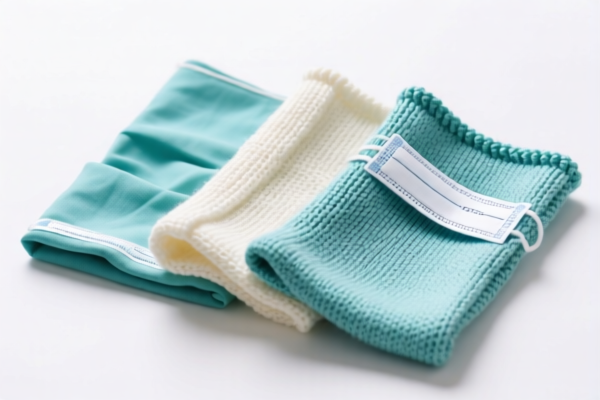
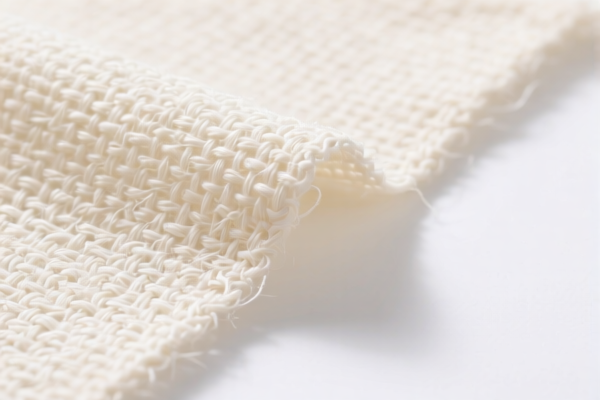
Medical textiles are specialized non-woven fabrics designed for sterile, hygienic, and protective applications in healthcare settings. These materials are not traditional woven fabrics but are engineered from synthetic or blended fibers (e.g., polyester, polypropylene) using processes like spunbond, meltblown, or needle-punching.
In international trade, they are classified under non-woven fabrics used for medical purposes, including surgical drapes, wound dressings, gowns, masks, and sterilization wraps.
⚠️ Critical Distinction:
- If the product is non-woven fabric used in medical applications → 6307.90.68.00
- If it’s a finished medical device like surgical drapes → 6307.90.60.90
- If it's a chemical or pharmaceutical product with similar function → 3005.90.50.90
- If made from non-textile materials (e.g., plastic, rubber) → 3926.90.99.89
📦 Two, HS Code Classification Details (2026 Official Tariff Matrix)
| HS Code | Product Description | Applicable Use Case | Key Feature |
|---|---|---|---|
6307.90.68.00 |
Non-woven fabrics made of man-made fibers, intended for medical use | Surgical drapes, gowns, sterilization wraps, wound care pads | ✅ Raw or semi-finished medical textile |
6307.90.60.90 |
Other made-up articles of non-woven fabrics, not elsewhere specified, related to surgical drapes | Finished surgical drapes, disposable patient covers, operating room drapes | ✅ Final product, ready for medical use |
3005.90.50.90 |
Other medicaments in measured doses or in forms or packings for retail sale, not elsewhere specified | Medical gels, wound dressings with active ingredients, medicated non-woven pads | ✅ Contains pharmaceutical/active substance |
3926.90.99.89 |
Other articles of plastics, not elsewhere specified | Plastic-backed medical pads, non-woven with plastic coating, multi-layered medical barriers | ✅ Non-textile base material, composite structure |
🔍 Key Insight:
- The final product form and function determine the correct HS code.
- A simple non-woven fabric (even if used in surgery) is not automatically a "surgical drape" — only when finished and shaped does it qualify for higher-tier classification.
💰 Three, 2026 Latest Tariff Breakdown (Including附加 Taxes & Policy Rules)
✅ Applicable Country: United States (US)
✅ Origin: China (CN)
✅ Effective Date: November 10, 2025 (including future imports)
🎯 1. 6307.90.68.00 — Medical-Use Man-Made Fiber Non-Woven Fabric
| Item | Detail |
|---|---|
| Base Duty | 0.0% (ad valorem) |
| Additional Tariff (Section 301) | 0.0% |
| Section 122 Tariff | 10.0% (under the U.S. Trade Act 1974, Section 122) |
| Total Effective Rate | 10.0% |
| Tax Calculation | CIF Value × 10.0% |
| De Minimis Threshold | ✅ Eligible (if value ≤ $800, no duty applies) |
| Legal Basis Path | Section 122: 9903.01.25 → HS: 6307.90.68.00 → FOOTNOTE: 9903.88.01 |
📌 Explanation:
- This code applies to non-woven fabrics used in medical settings but not yet assembled into finished devices.
- No Section 301 (USITC) or IEEPA tariffs apply here — only Section 122’s 10%.
- Highly favorable compared to other medical goods, especially if under de minimis.
🎯 2. 6307.90.60.90 — Other Made-Up Articles Related to Surgical Drapes
| Item | Detail |
|---|---|
| Base Duty | 0.0% |
| Additional Tariff (Section 301) | 7.5% |
| Section 122 Tariff | 10.0% |
| Total Effective Rate | 17.5% |
| Tax Calculation | CIF Value × 17.5% |
| De Minimis Threshold | ❌ Not eligible (due to Section 301 + Section 122) |
| Legal Basis Path | Section 301: 9903.01.25 → Section 122: 9903.01.24 → HS: 6307.90.60.90 → FOOTNOTE: 9903.88.01 |
📌 Explanation:
- Applies to finished medical products like surgical drapes, patient gowns, or operating room covers.
- 7.5% Section 301 tariff due to China origin and medical device classification.
- 10% Section 122 tariff applies to all goods from China under this category.
- No de minimis exemption — even small shipments face full duty.
🎯 3. 3005.90.50.90 — Other Medical Preparations (Non-Textile)
| Item | Detail |
|---|---|
| Base Duty | 0.0% |
| Additional Tariff (Section 301) | 0.0% |
| Section 122 Tariff | 10.0% |
| Total Effective Rate | 10.0% |
| Tax Calculation | CIF Value × 10.0% |
| De Minimis Threshold | ✅ Eligible |
| Legal Basis Path | Section 122: 9903.01.25 → HS: 3005.90.50.90 → FOOTNOTE: 9903.88.01 |
📌 Explanation:
- Applies to medicated non-woven pads or wound dressings with active ingredients (e.g., silver ions, antibiotics).
- Even though it’s not a pure textile, if it’s designed for medical use and contains pharmaceuticals, this code applies.
- Only 10% total tariff, and eligible for de minimis — most favorable among medical goods.
🎯 4. 3926.90.99.89 — Other Plastic Articles (Composite Materials)
| Item | Detail |
|---|---|
| Base Duty | 5.3% |
| Additional Tariff (Section 301) | 7.5% |
| Section 122 Tariff | 10.0% |
| Total Effective Rate | 22.8% |
| Tax Calculation | CIF Value × 22.8% |
| De Minimis Threshold | ❌ Not eligible |
| Legal Basis Path | Section 301: 9903.01.25 → Section 122: 9903.01.24 → HS: 3926.90.99.89 → FOOTNOTE: 9903.88.01 |
📌 Explanation:
- Applies to composite medical products where the primary material is plastic, even if layered with non-woven fabric.
- Common in plastic-coated surgical drapes, non-woven with plastic backing, or multi-layered barrier materials.
- Highest tariff due to base + Section 301 + Section 122.
- No de minimis — must pay full duty.
🛠️ Four, Customs Clearance Best Practices (Pro Tips to Avoid Penalties)
✅ 1. Required Documentation (Must-Have Checklist)
| Document | Required? | Notes |
|---|---|---|
| ✅ Product Specification Sheet | ✔️ | Include fiber type, weight, thickness, medical use |
| ✅ Manufacturing Process Diagram | ✔️ | Show if it’s non-woven, bonded, or laminated |
| ✅ Product Photos (with label) | ✔️ | Clear view of material, packaging, and intended use |
| ✅ Third-Party Certification | ✔️ | ISO 13485, FDA 510(k), CE, or ISO 11607 (for sterile packaging) |
| ✅ Commercial Invoice | ✔️ | Must state “Medical-Use Non-Woven Fabric” or “Surgical Drape” |
| ✅ Certificate of Origin (CO) | ✔️ | If from China, expect higher tariffs |
| ✅ Packing List | ✔️ | Specify if items are bulk fabric or finished products |
✅ 2.申报技巧(Pro申报 Tips)
🔥 “Material First, Use Second, Final Form Decides Tax!”
| Scenario | Correct HS Code | Wrong Code | Risk |
|---|---|---|---|
| Raw non-woven fabric, used in hospitals | 6307.90.68.00 |
6307.90.60.90 |
Pay 10% vs 17.5% → Save 7.5% |
| Finished surgical drape (cut, sewn, sterile) | 6307.90.60.90 |
6307.90.68.00 |
Under-declaration → Audit risk |
| Medicated pad with silver ions | 3005.90.50.90 |
6307.90.68.00 |
Wrong classification → penalty |
| Plastic-coated non-woven barrier | 3926.90.99.89 |
6307.90.68.00 |
Pay 22.8% vs 10% → Massive cost overage |
✅ 3. Special Cases Handling
| Situation | Recommended Action |
|---|---|
| OEM medical fabric for foreign manufacturer | Provide contract + design specs; apply for pre-ruling |
| Reusable vs Disposable | If reusable → may qualify for different classification (e.g., 6307.90.68.00 still applies) |
| Used in non-medical settings (e.g., industrial cleaning) | Can challenge classification — provide proof of non-medical use |
| Surgical drape with integrated sensor | Still 6307.90.60.90 — not a medical device unless FDA-registered |
🌍 Five, Global Market Customs Comparison (2026)
| Country | Recommended HS Code | Tariff | Certification | Notes |
|---|---|---|---|---|
| 🇺🇸 USA | 6307.90.68.00 / 6307.90.60.90 |
10%–17.5% | FDA, ISO 13485 | No de minimis for 17.5% |
| 🇨🇳 China | 6307.90.68.00 |
5% | CCC, GB/T | No Section 122 tariff |
| 🇪🇺 EU | 6307.90.68.00 |
0% (if CE) | CE, ISO 13485 | No additional tariffs |
| 🇦🇺 Australia | 6307.90.68.00 |
5% | RCM | No extra fees |
| 🇯🇵 Japan | 6307.90.68.00 |
0% | PSE | No additional duties |
📌 Conclusion:
- USA has the highest tariffs on finished medical textiles.
- China-origin products face 17.5% on finished drapes — avoid if possible.
- Non-woven fabric (raw) is much cheaper to import into the US.
📌 Six, Common Mistakes & Pitfalls (Learn from Others’ Errors)
❌ Mistake 1: Classifying finished surgical drapes as “non-woven fabric”
👉 Result: Pay 10% instead of 17.5% → Underpaid duty → Audit, penalties, interest
❌ Mistake 2: Calling a plastic-coated pad a “non-woven fabric”
👉 Result: Pay 10% instead of 22.8% → Massive underpayment → Seizure or refund demand
❌ Mistake 3: Not providing proof of medical use
👉 Result: Customs may reclassify as general textile → higher risk of audit
❌ Mistake 4: Using “medical fabric” as a generic name
👉 Result: No clarity on function → delayed clearance
✅ Correct Declaration Example:
“Non-woven fabric, 30gsm, polypropylene, intended for medical use (surgical drapes), not yet assembled, ISO 13485 certified, Origin: China”
🎯 Seven, Final Verdict: Accurate Classification = Cost Control
🎯 Remember the Golden Rule:
🔹 "Raw Material? → 6307.90.68.00 → 10% (de minimis OK)"
🔹 "Finished Product? → 6307.90.60.90 → 17.5% (no de minimis)"
🔹 "With Active Ingredients? → 3005.90.50.90 → 10% (de minimis OK)"
🔹 "Plastic-Backed? → 3926.90.99.89 → 22.8% (no de minimis)"
📌 Pro Tip:
If your product is raw non-woven fabric, ship it as such — save 7.5% in tariff.
If it’s finished, consider manufacturing in Vietnam, Mexico, or India to avoid Section 122 + Section 301 tariffs.
📣 Take Action Now:
📞 Contact a customs broker with medical product expertise
🚀 Apply for HS Code Pre-Ruling (Advance Ruling)
💼 Let your medical textiles clear customs fast, legally, and cost-effectively!
✨ Precision in Classification = Profit in Every Shipment!
💼 Your next shipment shouldn’t be a tax surprise — it should be a win!
Customer Reviews
About HS Code Classification
The Harmonized System (HS) is an internationally standardized nomenclature developed by the World Customs Organization (WCO) to classify traded products. Over 200 countries use the HS system as the basis for customs tariffs, trade statistics, and import/export regulations.
Each HS code follows a hierarchical structure:
- Chapter (2 digits) — Broad category of goods (e.g., Chapter 84: Machinery and Mechanical Appliances)
- Heading (4 digits) — More specific grouping within the chapter
- Subheading (6 digits) — Internationally standardized breakdown, used by all WCO member countries
- National subdivisions (8-10 digits) — Country-specific extensions for further classification, such as US HTSUS 10-digit codes
Correct HS code classification is essential for smooth customs clearance, accurate duty payment, and compliance with trade regulations. Misclassification can lead to customs delays, overpayment of duties, or penalties.
When importing from CN to US, the applicable tariff rates may include:
- Most-Favored-Nation (MFN) rate — The standard duty rate applied to WTO members
- General rate — Applied to countries without trade agreements
- Trade remedy duties — Additional tariffs such as Section 301 (anti-dumping), Section 232 (national security), or countervailing duties
The information provided on this page is for reference purposes only. For official classification, please consult with your local customs authority or a licensed customs broker.