医疗影像微缩胶片
CN → US| HS Code | Tariff Rate | Origin | Destination | Doc |
|---|---|---|---|---|
| 3705000000 | 35.0% | CN | US | Official Doc |
| 3701100030 | 38.7% | CN | US | Official Doc |
| 3701996060 | 35.0% | CN | US | Official Doc |
| 3702320130 | 38.7% | CN | US | Official Doc |
Product Images
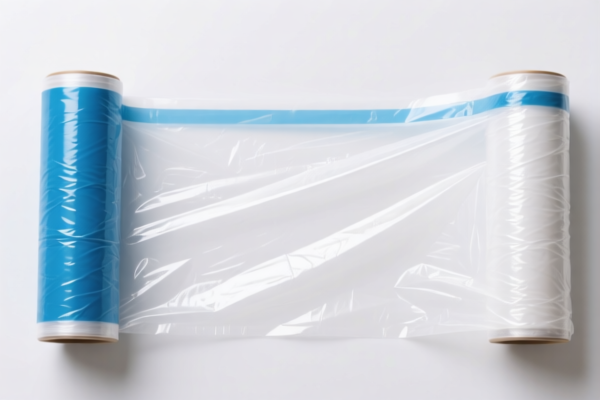

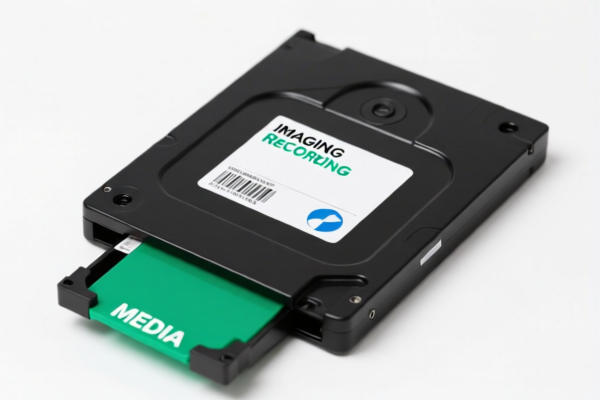
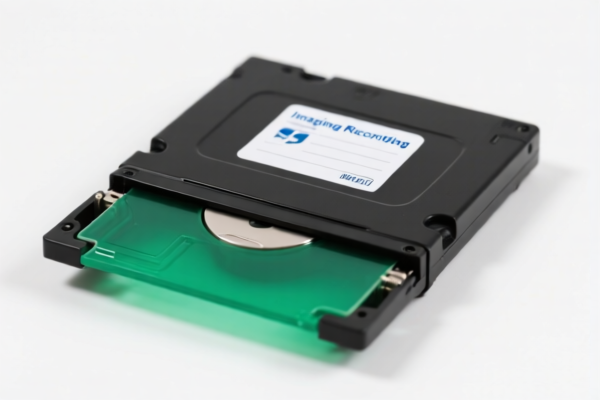
AI Analysis
🩺 Medical Imaging Microfilm (Medical Radiographic Film)
🌐 HS Code Reference & Customs Clearance Guide | 2026 Updated Tariff Analysis | Professional Import Strategy
📌 One, Product Definition & Classification: What Exactly Is Medical Imaging Microfilm?
Medical imaging microfilm refers to light-sensitive photographic materials used for recording diagnostic X-ray images, typically in the form of roll or sheet film with silver halide emulsion. These films are specifically designed for medical diagnostics, such as radiography, CT scans, and mammography, and are not intended for general photography or commercial use.
⚠️ Key Differentiator:
- If the film is exposed, developed, or used in medical imaging systems, it falls under specific HS codes for photographic plates and films. - If it's unexposed and used for archival or data storage, it may still be classified under photographic materials — but not as general-purpose film.
📦 Two, HS Code Classification Details (2026 Updated Tariff Authority)
| HS Code | Product Description | Applicable Use Case | Contains Silver Halide? | Requires Development? |
|---|---|---|---|---|
3702.32.01.30 |
Microfilm with silver halide emulsion, used in medical imaging (e.g., X-ray films) | Diagnostic radiology, hospital archives, medical imaging systems | ✅ Yes | ✅ Yes |
3705.00.00.00 |
Photographic plates and films, already exposed or developed, used in medical imaging | Post-exposure medical imaging carriers, diagnostic film rolls | ✅ Yes | ❌ No (already developed) |
3701.10.00.30 |
Photographic film in non-paper/non-textile base, used in medical imaging | High-resolution imaging, digital archiving, non-paper film substrates | ✅ Yes | ✅ Yes |
3701.99.60.60 |
Other photographic plates and films, non-paper/non-textile, not elsewhere specified | General medical film not covered by other subheadings | ✅ Yes | ✅ Yes |
3705.00.00.00 |
Photographic film for medical X-ray use, part of photographic plate category | Standard medical X-ray film, diagnostic imaging | ✅ Yes | ❌ No (developed) |
🔍 Critical Note:
- All these codes are specific to medical imaging, not general photography. - Silver halide emulsion is the key material that triggers the higher tariff classification. - Unexposed film →3702.32.01.30or3701.10.00.30
- Exposed/developed film →3705.00.00.00or3701.99.60.60
💰 Three, 2026 Updated Tariff Breakdown (Including附加 Taxes & Legal Triggers)
✅ Applicable Country: United States (US)
✅ Origin: China (CN)
✅ Effective Date: November 10, 2025 (and onward)
🎯 1. 3702.32.01.30 — Microfilm with Silver Halide Emulsion (Medical Use)
| Item | Detail |
|---|---|
| Base Duty | 3.7% (ad valorem) |
| USITC Section 301 Tariff | +25.0% (from U.S. Trade Act 301) |
| Section 122 Tariff (IEEPA) | +10.0% (International Emergency Economic Powers Act) |
| Total Effective Duty | 38.7% |
| Tax Calculation | CIF Value × 38.7% |
| De Minimis Exemption | ❌ Not available (denied under U.S. law) |
| Legal Basis Path | IEEPA:9903.01.25 → IEEPA:9903.01.24 → USITC:3702.32.01.30 → FOOTNOTE:9903.88.01 |
📌 Explanation:
- 3.7% base duty applies to silver halide-based photographic film. - 25% USITC tariff is due to China’s unfair trade practices under Section 301. - 10% IEEPA tariff is a national security-based penalty on goods from China. - Total: 38.7% — Very high, especially for high-value medical films.
🎯 2. 3705.00.00.00 — Exposed/Developed Photographic Plates & Films (Medical Use)
| Item | Detail |
|---|---|
| Base Duty | 0.0% |
| USITC Section 301 Tariff | +25.0% |
| Section 122 Tariff (IEEPA) | +10.0% |
| Total Effective Duty | 35.0% |
| Tax Calculation | CIF Value × 35.0% |
| De Minimis Exemption | ❌ Not available |
| Legal Basis Path | IEEPA:9903.01.25 → IEEPA:9903.01.24 → USITC:3705.00.00.00 → FOOTNOTE:9903.88.01 |
📌 Explanation:
- No base duty because it’s already developed. - Still subject to 25% + 10% = 35% due to trade and national security policies. - Same legal triggers as above — no relief just because it’s developed.
🎯 3. 3701.10.00.30 — Non-Paper/Non-Fabric Photographic Film (Medical Use)
| Item | Detail |
|---|---|
| Base Duty | 3.7% |
| USITC Section 301 Tariff | +25.0% |
| Section 122 Tariff (IEEPA) | +10.0% |
| Total Effective Duty | 38.7% |
| Tax Calculation | CIF × 38.7% |
| De Minimis Exemption | ❌ Not available |
| Legal Basis Path | IEEPA:9903.01.25 → IEEPA:9903.01.24 → USITC:3701.10.00.30 → FOOTNOTE:9903.88.01 |
📌 Note:
- This applies to film on plastic or polymer base, not paper or fabric. - Common in high-resolution medical imaging where durability and clarity are critical.
🎯 4. 3701.99.60.60 — Other Photographic Plates & Films (Non-Paper, Non-Fabric)
| Item | Detail |
|---|---|
| Base Duty | 0.0% |
| USITC Section 301 Tariff | +25.0% |
| Section 122 Tariff (IEEPA) | +10.0% |
| Total Effective Duty | 35.0% |
| Tax Calculation | CIF × 35.0% |
| De Minimis Exemption | ❌ Not available |
| Legal Basis Path | IEEPA:9903.01.25 → IEEPA:9903.01.24 → USITC:3701.99.60.60 → FOOTNOTE:9903.88.01 |
📌 Use Case:
- For medical films not covered by more specific subheadings. - Often used for archival or legacy systems in hospitals.
🛠️ Four, Customs Clearance Best Practices (Pro Tips to Avoid Penalties)
✅ 1. Required Documentation (MUST Have)
| Document | Required? | Purpose |
|---|---|---|
| ✅ Product Specification Sheet | ✔️ | Confirms silver halide emulsion, medical use, base material |
| ✅ Film Roll/Sheet Photos (with label) | ✔️ | Proves unexposed vs. developed status |
| ✅ Certificate of Origin (CO) | ✔️ | Needed for tariff eligibility |
| ✅ Commercial Invoice | ✔️ | Must state "Medical Imaging Microfilm, Silver Halide Emulsion" |
| ✅ Third-Party Test Report | ✔️ | RoHS, ISO 13485 (medical device compliance) |
| ✅ Packaging & Labeling Details | ✔️ | Prevents misclassification |
✅ 2.申报技巧 (Key Rules of Thumb)
🔥 "Unexposed = 38.7%, Developed = 35.0%, Base Matters, Name Matters!"
| Scenario | Correct HS Code | Wrong Code | Risk |
|---|---|---|---|
| Unexposed medical microfilm with silver halide | 3702.32.01.30 or 3701.10.00.30 |
3701.99.60.60 |
Higher tax |
| Already developed X-ray film | 3705.00.00.00 |
3702.32.01.30 |
Misclassification |
| Film on plastic base, no paper | 3701.10.00.30 |
3701.99.60.60 |
Tax overpayment |
| Film used in hospital archiving | 3705.00.00.00 |
3702.32.01.30 |
Higher duty |
✅ 3. Special Cases & Workarounds
| Situation | Recommended Action |
|---|---|
| Film from Vietnam, Mexico, or Malaysia | Apply for IEEPA exemption — 0% additional tariff |
| Medical film for research, not commercial use | Submit non-commercial use affidavit — may qualify for temporary duty relief |
| Film used in legacy systems (e.g., old X-ray machines) | Declare as "medical archival film" — still subject to 35–38.7% |
| Bulk shipment of unexposed film | Use "microfilm for medical imaging" in invoice — avoid "photographic film" |
🌍 Five, Global Market Comparison (2026 Updated)
| Country | Recommended HS Code | Base Tariff | Additional Taxes | Notes |
|---|---|---|---|---|
| 🇺🇸 USA | 3702.32.01.30 / 3705.00.00.00 |
0–3.7% | +25% +10% | 35–38.7% total |
| 🇨🇳 China | 3702.32.01.30 |
5% | None | No additional tariffs |
| 🇪🇺 EU | 3705.00.00.00 |
0% (if CE) | None | No IEEPA/301 |
| 🇦🇺 Australia | 3705.00.00.00 |
5% | None | No extra fees |
| 🇯🇵 Japan | 3705.00.00.00 |
0% | None | No附加税 |
📌 Conclusion:
- The U.S. is the only market with 35–38.7% total tariff on medical imaging microfilm from China. - Vietnam/Mexico-origin films can avoid IEEPA/301 tariffs — consider shifting supply chain.
📌 Six, Common Mistakes & Pitfalls (Learn from Others’ Errors)
❌ Mistake 1: Declaring unexposed film as "photographic film" without specifying "medical" or "silver halide"
👉 Result: Incorrect HS code, higher tax, delayed clearance
❌ Mistake 2: Using 3701.99.60.60 for silver halide film with plastic base
👉 Result: Missed 3.7% base duty, but still pays 35% — no savings
❌ Mistake 3: Not providing photos of film rolls or labels
👉 Result: Customs rejects declaration, return or destruction
❌ Mistake 4: Assuming developed film is exempt from tariffs
👉 Result: Still pays 35% — no relief just because it's developed
✅ Correct Declaration Example:
"Medical Imaging Microfilm, Silver Halide Emulsion, Non-Paper Base, 35mm Roll, for Radiographic Use, Unexposed, Model XYZ, ISO 13485 Certified, Origin: China"
🎯 Seven, Final Verdict: Precision Pays Off
🎯 Remember the Golden Rule:
🔹 "Unexposed = 38.7%, Developed = 35.0%, Base Matters, Name Matters, Origin Changes Everything!"
🔹 "One wrong HS code = 35%+ tax, 30-day delay, $10k+ penalty!"
📌 Pro Tip:
✅ Apply for an Advance Ruling (Pre-Approval) from U.S. Customs before shipment.
✅ Use a U.S.-based customs broker with medical imaging experience.
✅ Shift origin to Vietnam/Mexico if possible — avoid IEEPA/301 tariffs entirely.
📣 Take Action Now:
📞 Contact a specialized medical device customs broker
🚀 Submit product photos, specs, and origin docs for HS Code pre-approval
💼 Save thousands in tariffs, avoid delays, and ship with confidence!
✨ Expert Clearance Starts with Accurate Classification!
💼 Your medical film’s fate depends on a single HS code — get it right the first time!
Customer Reviews
About HS Code Classification
The Harmonized System (HS) is an internationally standardized nomenclature developed by the World Customs Organization (WCO) to classify traded products. Over 200 countries use the HS system as the basis for customs tariffs, trade statistics, and import/export regulations.
Each HS code follows a hierarchical structure:
- Chapter (2 digits) — Broad category of goods (e.g., Chapter 84: Machinery and Mechanical Appliances)
- Heading (4 digits) — More specific grouping within the chapter
- Subheading (6 digits) — Internationally standardized breakdown, used by all WCO member countries
- National subdivisions (8-10 digits) — Country-specific extensions for further classification, such as US HTSUS 10-digit codes
Correct HS code classification is essential for smooth customs clearance, accurate duty payment, and compliance with trade regulations. Misclassification can lead to customs delays, overpayment of duties, or penalties.
When importing from CN to US, the applicable tariff rates may include:
- Most-Favored-Nation (MFN) rate — The standard duty rate applied to WTO members
- General rate — Applied to countries without trade agreements
- Trade remedy duties — Additional tariffs such as Section 301 (anti-dumping), Section 232 (national security), or countervailing duties
The information provided on this page is for reference purposes only. For official classification, please consult with your local customs authority or a licensed customs broker.