卡通鞋配件
CN → US| HS Code | Tariff Rate | Origin | Destination | Doc |
|---|---|---|---|---|
| 7117904500 | 10.0% | CN | US | Official Doc |
| 7117196000 | 17.5% | CN | US | Official Doc |
| 3926904000 | 12.8% | CN | US | Official Doc |
| 3926903500 | 16.5% | CN | US | Official Doc |
| 4205002000 | 35.0% | CN | US | Official Doc |
Product Images
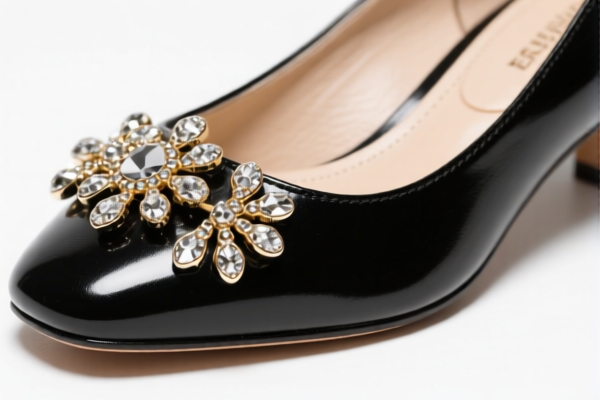
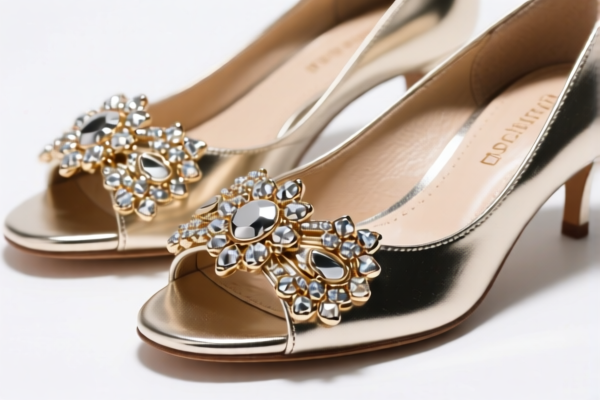
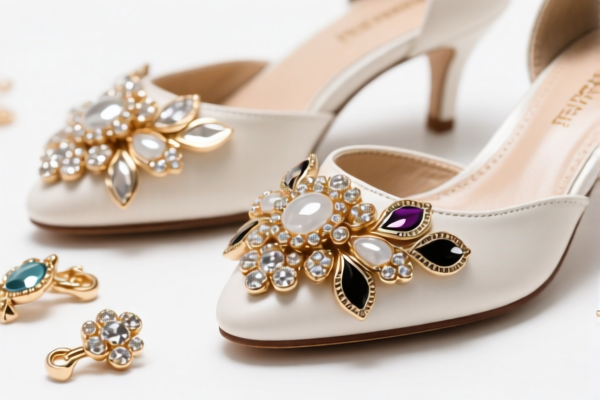
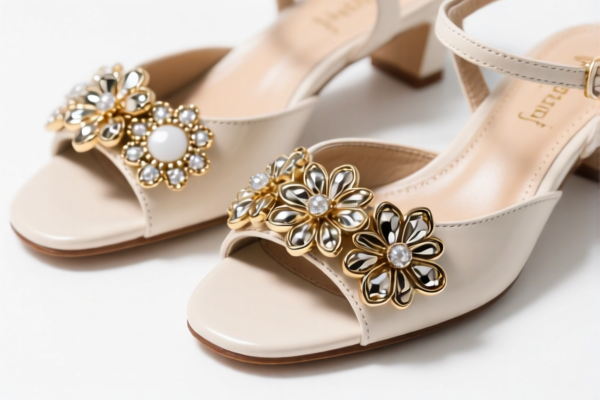
AI Analysis
👟 Cartoon Shoe Accessories (卡通鞋配件)
🌐 HS Code Reference & Clearance Guide | 2026 Latest Tariff Analysis | Professional Customs Strategy
📌 I. Product Definition & Classification: What Exactly Are "Cartoon Shoe Accessories"?
Cartoon shoe accessories refer to decorative items attached to footwear, featuring cartoon characters or playful designs. In international trade, these items are ambiguous because they can fall under jewelry, plastic toys, leather goods, or toys, depending on their material, function, and primary use.
⚠️ Key Distinction Points:
- If it’s a non-functional decorative charm (plastic/metal) → Jewelry/Accessories Category
- If it’s a toy-like decorative piece (plastic, playful design) → Toy/Decoration Category
- If it’s a plastic ornament/patch → Plastic Products Category
- If it contains shoelaces or leather parts → Leather Goods Category
📦 II. HS Code Classification Details (2026 Latest Tariff Authority Comparison)
Based on the provided data, here are the possible HS codes, summaries, and tax rates for Cartoon Shoe Accessories:
| HS Code | Summary & Rationale | Total Tax Rate | Tax Breakdown |
|---|---|---|---|
7117.90.45.00 |
Jewelry/Accessory Category: Based on cartoon shoe ornament form, inferred as jewelry/accessories. | 10.0% | Base Tariff: 0.0%, Section 301 (Add-on): 0%, Section 122 (US): 10% |
7117.19.60.00 |
Toy Decoration Category: Based on cartoon attributes, inferred as toy-like decorations. | 17.5% | Base Tariff: 0.0%, Section 301 (Add-on): 7.5%, Section 122 (US): 10% |
3926.90.40.00 |
Plastic Ornament Category: Material inferred as plastic, decorative small plastic items. | 12.8% | Base Tariff: 2.8%, Section 301 (Add-on): 0%, Section 122 (US): 10% |
3926.90.35.00 |
Plastic Beads/Licorice Category: Plastic material, fits the category of unstrung/unset beads, sequins, and their products. | 16.5% | Base Tariff: 6.5%, Section 301 (Add-on): 0%, Section 122 (US): 10% |
4205.00.20.00 |
Leather Shoelace Category: Based on common shoe accessory knowledge, inferred to include shoelaces, fitting leather/re-leather products. | 35.0% | Base Tariff: 0.0%, Section 301 (Add-on): 25.0%, Section 122 (US): 10% |
4205.00.80.00 |
Other Leather Parts Category: Material inferred as leather or composite leather, other leather products’ spare parts/components. | 35.0% | Base Tariff: 0.0%, Section 301 (Add-on): 25.0%, Section 122 (US): 10% |
🔍 Key Reminder:
- The tax rate varies significantly (10% to 35%) based on the inferred material and product nature.
- Section 122 (US): A 10% additional tariff applies to all these HS codes (likely referring to specific US trade measures).
- Section 301 (US): Varies from 0% to 25% depending on the classification.
- Misclassification Risk: Incorrectly declaring a plastic accessory as leather could result in higher tariffs (35%) and customs penalties.
💰 III. 2026 Latest Tariff Rate Details (Including Additional Taxes, Policy Add-ons)
✅ Applicable Country: United States (US)
✅ Country of Origin: China (CN)
✅ Effective Date: 2025 November 10 onwards (including subsequent imports)
🎯 1. 7117.90.45.00 — Jewelry/Accessory Category
| Item | Content |
|---|---|
| Base Tariff | 0% (ad valorem) |
| Section 301 Add-on | 0% |
| Section 122 (US) Add-on | +10% |
| Total Tax Rate | 10.0% |
| Tax Calculation | CIF Value × 10% |
| De Minimis Exemption | ❌ Not Eligible (Deny de minimis) |
| Legal Basis Path | Section 122: 10% → USITC: 7117.90.45.00 |
📌 Explanation:
- This is the lowest tax rate among the options.
- Suitable for non-functional, decorative charms made of various materials, classified as "imitation jewelry."
- Key: Must clearly declare as "Shoe Charms/Ornaments" not "Toys" or "Plastic Parts."
🎯 2. 7117.19.60.00 — Toy Decoration Category
| Item | Content |
|---|---|
| Base Tariff | 0% |
| Section 301 Add-on | +7.5% |
| Section 122 (US) Add-on | +10% |
| Total Tax Rate | 17.5% |
| Tax Calculation | CIF × 17.5% |
| De Minimis Exemption | ❌ Not Eligible |
| Legal Basis Path | Section 122: 10% → Section 301: 7.5% → USITC: 7117.19.60.00 |
📌 Note:
- Higher tax rate due to Section 301 add-on (7.5%).
- Applies if the item is viewed as a toy-like decoration or play accessory.
🎯 3. 3926.90.40.00 — Plastic Ornament Category
| Item | Content |
|---|---|
| Base Tariff | 2.8% |
| Section 301 Add-on | 0% |
| Section 122 (US) Add-on | +10% |
| Total Tax Rate | 12.8% |
| Tax Calculation | CIF × 12.8% |
| De Minimis Exemption | ❌ Not Eligible |
| Legal Basis Path | Section 122: 10% → USITC: 3926.90.40.00 |
📌 Note:
- Moderate tax rate.
- Applies if the item is clearly plastic and decorative, not classified as jewelry or toys.
🎯 4. 3926.90.35.00 — Plastic Beads/Licorice Category
| Item | Content |
|---|---|
| Base Tariff | 6.5% |
| Section 301 Add-on | 0% |
| Section 122 (US) Add-on | +10% |
| Total Tax Rate | 16.5% |
| Tax Calculation | CIF × 16.5% |
| De Minimis Exemption | ❌ Not Eligible |
| Legal Basis Path | Section 122: 10% → USITC: 3926.90.35.00 |
📌 Note:
- Higher base tariff (6.5%) due to classification as beads/sequins.
- Suitable for small plastic charms, beads, or sequins used in shoe decoration.
🎯 5. 4205.00.20.00 — Leather Shoelace Category
| Item | Content |
|---|---|
| Base Tariff | 0% |
| Section 301 Add-on | +25.0% |
| Section 122 (US) Add-on | +10% |
| Total Tax Rate | 35.0% |
| Tax Calculation | CIF × 35.0% |
| De Minimis Exemption | ❌ Not Eligible |
| Legal Basis Path | Section 122: 10% → Section 301: 25% → USITC: 4205.00.20.00 |
📌 Warning:
- Highest tax rate (35%).
- Only applies if the accessory includes shoelaces or is classified as leather goods.
- Do NOT declare plastic charms as leather to avoid penalties.
🎯 6. 4205.00.80.00 — Other Leather Parts Category
| Item | Content |
|---|---|
| Base Tariff | 0% |
| Section 301 Add-on | +25.0% |
| Section 122 (US) Add-on | +10% |
| Total Tax Rate | 35.0% |
| Tax Calculation | CIF × 35.0% |
| De Minimis Exemption | ❌ Not Eligible |
| Legal Basis Path | Section 122: 10% → Section 301: 25% → USITC: 4205.00.80.00 |
📌 Warning:
- Same high tax rate (35%) as above.
- Applies if the item is leather parts or composite leather accessories for shoes.
🛠️ IV. Clearance Practical Advice (Real-World Pitfall Avoidance Guide)
✅ 1. Required Documents Checklist (All Mandatory)
| Document | Mandatory | Description |
|---|---|---|
| ✅ Product Specifications | ✔️ | Includes material, size, design, attachment method (e.g., snap-on, glued) |
| ✅ Product Photos | ✔️ | Clear images showing the accessory attached to a shoe, close-up of material |
| ✅ Material Certificate | ✔️ | Proof of material (Plastic, Leather, Metal, etc.) to support HS code classification |
| ✅ Commercial Invoice | ✔️ | Must clearly state "Cartoon Shoe Charms/Ornaments" and material |
| ✅ Packing List | ✔️ | Detail quantity, weight, and packaging |
| ✅ Third-Party Test Report | ✔️ | CPSIA (if toy-like), RoHS, REACH (if plastic/metal) |
| ✅ Customs Ruling (Optional) | ✔️ | Pre-classification ruling from US Customs to reduce risk |
✅ 2. Declaration Tips (Key Mnemonics)
🔥 “Material First, Function Second, Declare Accurately, Save Money!”
| Scenario | Correct Declaration | Incorrect Practice |
|---|---|---|
| Plastic cartoon charms | 7117.90.45.00 or 3926.90.40.00 |
Misdeclare as leather → 35% tariff |
| Leather shoe laces with cartoon ends | 4205.00.20.00 |
Misdeclare as plastic → Wrong rate + penalty |
| Toy-like shoe decorations | 7117.19.60.00 |
Misdeclare as jewelry → 7.5% Section 301 add-on |
| Plastic beads/sequins for shoes | 3926.90.35.00 |
Misdeclare as finished ornaments → Higher base tariff |
✅ 3. Special Cases Handling
| Scenario | Handling Advice |
|---|---|
| Mixed Material Accessories | Declare based on primary material or principal function. If ambiguous, choose the lowest tax rate with proper documentation. |
| OEM Custom Designs | Provide customer order + design drawings to support classification. |
| Toys vs. Decorations | If the item is playable (e.g., squeaky, moving parts), classify as Toy (7117.19.60.00). If purely decorative, classify as Jewelry/Accessory (7117.90.45.00). |
| Leather Parts | Must provide leather content certificate to justify 4205.00.xxxx.xxxx. |
🌍 V. Global Market Comparison (2026 Latest)
| Country/Region | Recommended HS Code | Tariff | Certification | Notes |
|---|---|---|---|---|
| 🇺🇸 USA | 7117.90.45.00 |
10% | CPSIA, RoHS, Prop 65 | Highest rate 35% for leather |
| 🇨🇳 China | 7117.90.45.00 |
5-10% | N/A | Lower base tariff |
| 🇪🇺 EU | 7117.90.45.00 |
0-2.5% | CE, REACH | No Section 301/122 |
| 🇬🇧 UK | 7117.90.45.00 |
0-5% | UKCA, REACH | Post-Brexit rules apply |
| 🇯🇵 Japan | 7117.90.45.00 |
0-5% | PSE, STQC | Low tariff, strict safety |
📌 Conclusion:
- USA has the highest complexity due to Section 301 and Section 122 add-ons.
- Plastic/Jewelry classification (7117.90.45.00) is the most cost-effective for most cartoon shoe accessories.
- Leather classification (4205.00.xxxx.xxxx) is expensive (35%) and should be avoided unless the item is genuinely leather.
📌 VI. Common Errors & Pitfalls (Lessons Learned)
❌ Error 1: Declaring plastic charms as leather parts
👉 Consequence: 35% tariff instead of 10% → Massive cost increase!
❌ Error 2: Declaring toy-like decorations as jewelry without proof
👉 Consequence: Customs may reclassify to 7117.19.60.00 (17.5%) → Back taxes + penalties
❌ Error 3: Not providing material certificates
👉 Consequence: Customs cannot verify classification → Delayed clearance or return
❌ Error 4: Using vague terms like "Shoe Parts"
👉 Consequence: Ambiguity leads to random classification → Unpredictable tariffs
✅ Correct Practice:
“Cartoon Shoe Charms, PVC Material, Decorative Ornaments, Not for Play, Model XYZ, CPSIA Certified”
🎯 VII. Conclusion: Professional Declaration, Save Time & Money!
🎯 Remember the Mnemonic:
🔹 “Plastic/Jewelry 10%, Toy Decor 17.5%, Leather 35%!”
🔹 “Declare Material, Declare Function, Save 25% Tariff!”
📌 Pro Tip:
If your product is plastic-based, declare it as 7117.90.45.00 (10%) or 3926.90.40.00 (12.8%).
Avoid leather classification (4205.00.xxxx.xxxx) unless absolutely necessary, due to the 35% tariff.
Apply for a Customs Pre-Ruling to lock in the correct HS code and avoid surprises.
📣 Take Action Now:
📞 Contact a professional customs broker + Provide Product Photos + Apply for HS Code Pre-Ruling
🚀 Ensure smooth clearance, reduce costs, and maximize profits!
✨ Professional Customs Clearance Starts with Accurate Classification!
💼 Every Cent of Cost Deserves Precise Calculation!
Customer Reviews
About HS Code Classification
The Harmonized System (HS) is an internationally standardized nomenclature developed by the World Customs Organization (WCO) to classify traded products. Over 200 countries use the HS system as the basis for customs tariffs, trade statistics, and import/export regulations.
Each HS code follows a hierarchical structure:
- Chapter (2 digits) — Broad category of goods (e.g., Chapter 84: Machinery and Mechanical Appliances)
- Heading (4 digits) — More specific grouping within the chapter
- Subheading (6 digits) — Internationally standardized breakdown, used by all WCO member countries
- National subdivisions (8-10 digits) — Country-specific extensions for further classification, such as US HTSUS 10-digit codes
Correct HS code classification is essential for smooth customs clearance, accurate duty payment, and compliance with trade regulations. Misclassification can lead to customs delays, overpayment of duties, or penalties.
When importing from CN to US, the applicable tariff rates may include:
- Most-Favored-Nation (MFN) rate — The standard duty rate applied to WTO members
- General rate — Applied to countries without trade agreements
- Trade remedy duties — Additional tariffs such as Section 301 (anti-dumping), Section 232 (national security), or countervailing duties
The information provided on this page is for reference purposes only. For official classification, please consult with your local customs authority or a licensed customs broker.