合成纤维女童裙
CN → US| HS Code | Tariff Rate | Origin | Destination | Doc |
|---|---|---|---|---|
| 6111305070 | 33.5% | CN | US | Official Doc |
| 6111301000 | 45.7% | CN | US | Official Doc |
| 6104432020 | 33.5% | CN | US | Official Doc |
| 6104432010 | 33.5% | CN | US | Official Doc |
Product Images
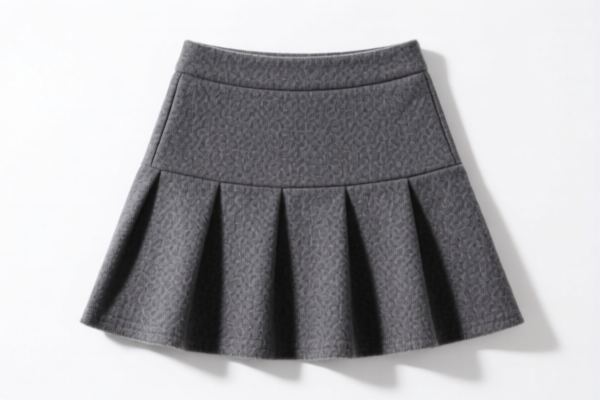
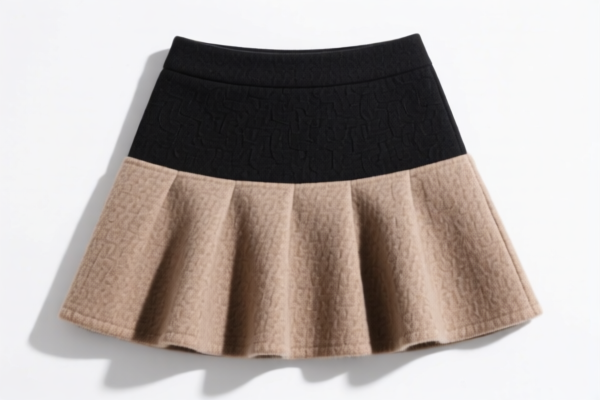
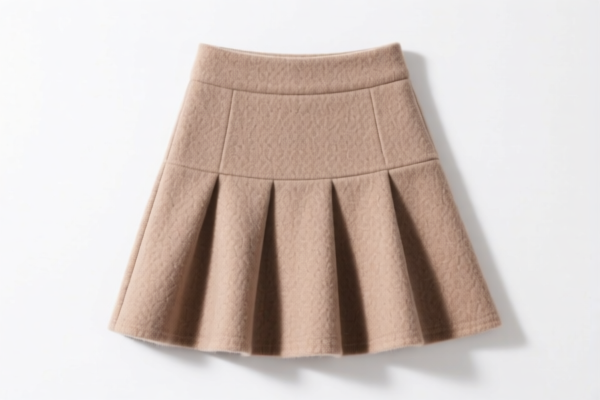
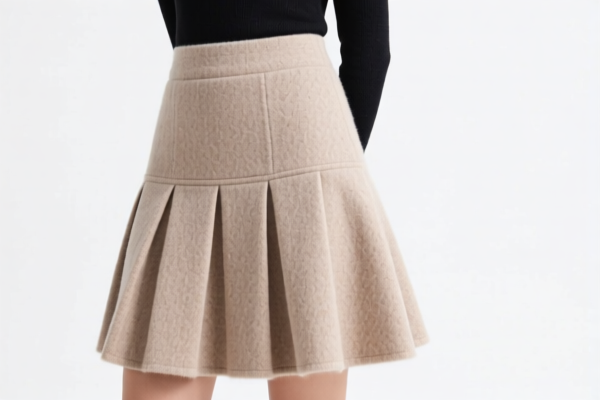
AI Analysis
👗 Girls' Synthetic Fiber Skirts/Dresses (Feminine Woven & Knitted Apparel)
🌐 HS Code Reference & Customs Clearance Guide | 2026 Latest Tariff Analysis | Professional Clearance Strategy
📌 I. Product Definition & Classification: Do You Really Understand "Girls' Synthetic Skirts"?
Girls' synthetic fiber skirts are a major category of children's clothing in international trade. However, confusion often arises between Woven (Chapter 62) and Knitted (Chapter 61) classifications, as well as between General Apparel and Infant/Child Specific Apparel. In the US market, this distinction directly determines whether you face a 16% or 28% base tariff, plus significant Section 301 and Section 122 surcharges.
⚠️ Key Distinction Points:
- Fabric Structure: Is it Knitted/Crocheted (elastic, looped structure, e.g., jersey, rib knit) → Chapter 61? Or Woven (non-elastic, interlaced structure, e.g., cotton/polyester blend, twill, chiffon) → Chapter 62?
- Age Group: Is it explicitly for Infants/Toddlers (typically under 24 months or specific size charts) → 6111.30.10/50? Or General Girls' Apparel (typically 2–14 years) → 6104.43/6204.43?
- Garment Type: Is it a Skirt only, or a Dress/Jumper (often classified similarly under 6204/6104)?
📦 II. HS Code Classification Details (2026 Latest Tariff Authority Comparison)
| HS Code | Product Description | Applicable Scenario | Base Tariff | Section 301 Tariff | Section 122 Tariff | Total Tax Rate |
|---|---|---|---|---|---|---|
6111.30.50.70 |
Knitted/Crocheted Synthetic Fiber Other Infants'/Children's Apparel (e.g., synthetic kids' pants/skirts for toddlers) | Infant/Toddler specific knitwear (e.g., baby girl’s knit skirt sets) | 16.0% | 7.5% | 10% | 33.5% |
6111.30.10.00 |
Knitted/Crocheted Synthetic Fiber Infants' or Children's Apparel (General Category) | Infant/Child general knitwear (broad category, less specific than .50) | 28.2% | 7.5% | 10% | 45.7% |
5407.52.20.20 |
Synthetic Fiber Woven Dresses (General Category) | General synthetic fiber dresses (not specifically girls'/women's, or broad category) | 14.9% | 25.0% | 10% | 49.9% |
6204.43.40.40 |
Synthetic Fiber Woven Dresses for Girls/Women | Girls'/Women's specific woven dresses/skirts | 16.0% | 7.5% | 10% | 33.5% |
6104.43.20.10 |
Knitted/Crocheted Dresses for Girls/Women | Girls'/Women's specific knitted dresses/skirts | 16.0% | 7.5% | 10% | 33.5% |
🔍 Critical Reminder:
- Chapter 61 (Knitted) vs Chapter 62 (Woven) is the most common classification error. Misclassification can lead to 25% Section 301 surcharges (as seen in5407.52.20.20) instead of 7.5%.
- Infant (6111) vs General Girls (6104/6204): Infant goods often have lower base tariffs but stricter age definitions. If goods are for older children (e.g., size 10+), they must not be declared as "Infant" goods, or customs may reclassify them to general children's goods with higher rates.
- "Skirt" vs "Dress": In HS Codes, skirts for girls are often classified under 6204.43 (Woven) or 6104.43 (Knitted) as "Dresses and Skirts" or similar subheadings depending on specific national interpretations. Here,6204.43.40.40and6104.43.20.10are used for Girls' woven/knit dresses/skirts.
💰 III. 2026 Latest Tariff Rate Details (Including Surcharges, Policy Surcharges)
✅ Applicable Country: United States (US)
✅ Country of Origin: China (CN)
✅ Effective Time: November 10, 2025 onwards (including subsequent imports)
🎯 1. 6111.30.50.70 & 6111.30.10.00 —— Infant/Child Knitwear (Synthetic)
| Item | Details |
|---|---|
| Base Rate | 16.0% (6111.30.50.70) or 28.2% (6111.30.10.00) |
| Section 301 Surcharge | +7.5% (For children's clothing from China) |
| Section 122 Surcharge | +10% (New trade restriction policy) |
| Total Tax Rate | 33.5% (50.70) or 45.7% (10.00) |
| De Minimis Exemption | ❌ Not Eligible (Denied for Section 301/122 goods) |
| Legal Basis Path | Section 301: HTS 6111.30 → Section 122: Executive Order |
📌 Explanation:
-6111.30.50.70is a more specific subheading, resulting in a lower base tariff (16% vs 28.2%).
- Both are subject to Section 301 (7.5%) and Section 122 (10%) surcharges.
- Total cost impact: A $100 shipment costs $33.50–$45.70 in tariffs alone. This is a high-cost category for exporters.
🎯 2. 6204.43.40.40 & 6104.43.20.10 —— Girls' Woven & Knit Dresses/Skirts
| Item | Details |
|---|---|
| Base Rate | 16.0% |
| Section 301 Surcharge | +7.5% |
| Section 122 Surcharge | +10% |
| Total Tax Rate | 33.5% |
| De Minimis Exemption | ❌ Not Eligible |
| Legal Basis Path | Section 301: HTS 6204.43/6104.43 → Section 122: Executive Order |
📌 Note:
- These are general girls' apparel (not infant).
- Base tariff is 16%, significantly lower than the "General Synthetic Dress" category (5407.52.20.20at 14.9% base but 25% Section 301).
- Key Advantage: Lower Section 301 rate (7.5% vs 25%) makes these HS codes far more cost-effective than general synthetic dresses.
🎯 3. 5407.52.20.20 —— General Synthetic Fiber Dresses (High Risk)
| Item | Details |
|---|---|
| Base Rate | 14.9% |
| Section 301 Surcharge | +25.0% (High risk category) |
| Section 122 Surcharge | +10% |
| Total Tax Rate | 49.9% |
| De Minimis Exemption | ❌ Not Eligible |
| Legal Basis Path | Section 301: HTS 5407.52 → Section 122: Executive Order |
📌 Warning:
- This code applies to general synthetic dresses, not specifically classified as "Girls' Apparel."
- The 25% Section 301 surcharge makes it the most expensive option.
- Avoid this code for girls' skirts unless no more specific classification exists. Always try to classify under 6204.43 or 6104.43.
🛠️ IV. Customs Clearance Practical Advice (Combat Pitfall Guide)
✅ 1. Preparation Checklist (Essential Documents)
| Document | Mandatory? | Notes |
|---|---|---|
| ✅ Product Specifications | ✔️ | Must state: Material (e.g., 100% Polyester), Fabric Type (Knit/Woven), Age Group (Infant/Child/General) |
| ✅ Garment Photos | ✔️ | Front/back views, close-up of fabric texture (to prove knit vs woven), size tags |
| ✅ Commercial Invoice | ✔️ | Clear description: "Girls' Synthetic Knit Skirt, Age 4-6, HS 6104.43.20.10" |
| ✅ Packing List | ✔️ | Ensure no mixing of infant and general children's goods in one shipment to avoid confusion |
| ✅ Certificate of Origin | ✔️ | Required for US customs to apply correct Section 301/122 rules |
| ✅ Third-Party Test Report | ✔️ | CPSIA (Children’s Product Certificate) is mandatory for US import of children's apparel |
⚠️ CPSIA Compliance: All children's clothing imported into the US must have a Children’s Product Certificate (CPC). Failure to provide this leads to detention or return at customs.
✅ 2. Declaration Tips (Critical Mnemonics)
🔥 “Knit/Woven Correct, Age Group Precise, Section 301 Low, Tariff Reduced!”
| Scenario | Correct Declaration | Wrong Practice |
|---|---|---|
| Knitted Girls' Skirt (Age 5) | 6104.43.20.10 (33.5%) |
Misdeclare as Woven 6204.43 → Potential penalty |
| Woven Girls' Skirt (Age 5) | 6204.43.40.40 (33.5%) |
Misdeclare as General Dress 5407.52 → 49.9% Tax! |
| Toddler Knit Skirt (Age 1) | 6111.30.50.70 (33.5%) |
Declare as General Children's 6111.30.10 → 45.7% Tax! |
| Mixed Age Shipment | Separate boxes with clear labeling | Mixing infant and general ages → Customs reclassification & penalty |
✅ 3. Special Cases Handling
| Situation | Handling Advice |
|---|---|
| OEM Custom Designs | Provide design files and size charts to prove "Girls'" classification |
| Fabric Composition Change | If fabric is >85% Cotton, it may fall under Chapter 61/62 different subheadings. Verify material content! |
| "One-Size-Fits-All" Skirts | If size is too large for toddlers, classify as General Girls' Apparel to avoid "Infant" scrutiny |
| Section 122 Impact | The 10% surcharge is new. Ensure your customs broker is aware of Section 122 application for all textile imports from China. |
🌍 V. Global Market Clearance Comparison (2026 Latest)
| Country/Region | Recommended HS Code | Tariff (China Origin) | Certification Required | Notes |
|---|---|---|---|---|
| 🇺🇸 USA | 6104.43.20.10 / 6204.43.40.40 |
33.5% | CPSIA + CPC | High tariffs due to Sec 301/122 |
| 🇨🇳 China | 6104.43.20.10 / 6204.43.40.40 |
0–5% | CCC (if applicable) | No surcharges |
| 🇪🇺 EU | 6104.43 / 6204.43 |
12% | REACH + CE (if applicable) | No Section 301/122 |
| 🇬🇧 UK | 6104.43 / 6204.43 |
12% | UKCA + REACH | Post-Brexit rules apply |
| 🇨🇦 Canada | 6104.43 / 6204.43 |
17.5% | Non-MSDS required | No surcharges |
📌 Conclusion:
- USA is the most challenging market for synthetic girls' apparel due to 33.5%–49.9% total tax rates.
- EU/UK/Canada have stable tariffs but require strict chemical safety compliance (REACH, CPSIA-equivalent).
- Profit Margin Warning: At 33.5% tariff, FOB pricing must be adjusted accordingly. Consider tariff engineering (e.g., using natural fiber blends if possible) to lower rates, though not always feasible for "Synthetic" goods.
📌 VI. Common Mistakes & Pitfall Guide (Lessons Learned)
❌ Mistake 1: Declaring Woven skirts as Knitted (6104 vs 6204)
👉 Consequence: Customs reclassification + penalty + potential back-tariff difference.
Solution: Submit fabric swatch for lab testing to confirm knit vs woven structure.
❌ Mistake 2: Using 5407.52.20.20 for girls' skirts
👉 Consequence: 49.9% tax instead of 33.5%. Loss of ~16% profit margin.
Solution: Always use specific "Girls'" subheadings (6204.43 or 6104.43) if applicable.
❌ Mistake 3: Missing CPSIA/CPC Certificate
👉 Consequence: Goods held at port, storage fees, return shipment.
Solution: Obtain CPC from accredited US lab before shipping.
❌ Mistake 4: Mixing Infant and General Children's goods in one B/L
👉 Consequence: Customs may inspect entire shipment, delay clearance.
Solution: Separate shipments by age group and declare separately.
✅ Correct Practice:
"Girls' 100% Polyester Woven Skirt, Size 4-6, Style #123, CPSIA Certified, HS Code: 6204.43.40.40"
🎯 VII. Conclusion: Professional Declaration, Cost Saving, Efficiency Boost!
🎯 Remember the Mnemonic:
🔹 “Knit vs Woven, Age Group Precise, General Dress High Tax, Girls’ Skirt Low.”
🔹 **“HS Code Determines Life or Death, 16% vs 49% Difference, Declaration One Step Off, Penalty Thousan
Customer Reviews
About HS Code Classification
The Harmonized System (HS) is an internationally standardized nomenclature developed by the World Customs Organization (WCO) to classify traded products. Over 200 countries use the HS system as the basis for customs tariffs, trade statistics, and import/export regulations.
Each HS code follows a hierarchical structure:
- Chapter (2 digits) — Broad category of goods (e.g., Chapter 84: Machinery and Mechanical Appliances)
- Heading (4 digits) — More specific grouping within the chapter
- Subheading (6 digits) — Internationally standardized breakdown, used by all WCO member countries
- National subdivisions (8-10 digits) — Country-specific extensions for further classification, such as US HTSUS 10-digit codes
Correct HS code classification is essential for smooth customs clearance, accurate duty payment, and compliance with trade regulations. Misclassification can lead to customs delays, overpayment of duties, or penalties.
When importing from CN to US, the applicable tariff rates may include:
- Most-Favored-Nation (MFN) rate — The standard duty rate applied to WTO members
- General rate — Applied to countries without trade agreements
- Trade remedy duties — Additional tariffs such as Section 301 (anti-dumping), Section 232 (national security), or countervailing duties
The information provided on this page is for reference purposes only. For official classification, please consult with your local customs authority or a licensed customs broker.