吉他包
CN → US| HS Code | Tariff Rate | Origin | Destination | Doc |
|---|---|---|---|---|
| 9209922000 | 13.9% | CN | US | Official Doc |
| 9209991000 | 23.2% | CN | US | Official Doc |
| 3926909989 | 22.8% | CN | US | Official Doc |
| 3926903500 | 24.0% | CN | US | Official Doc |
Product Images
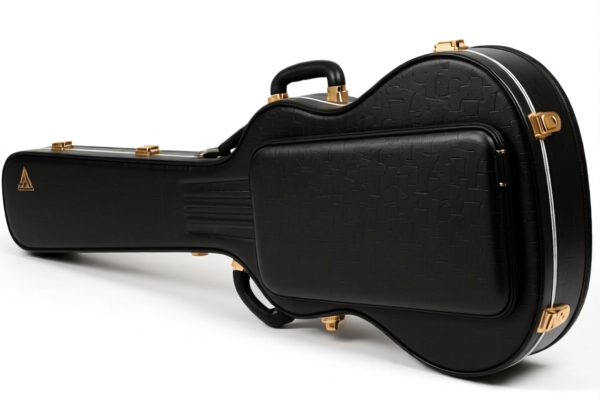
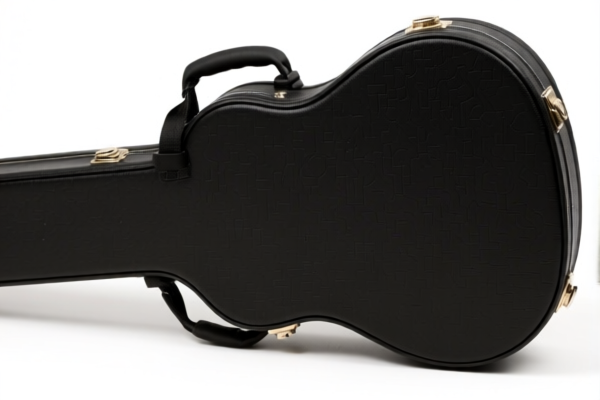
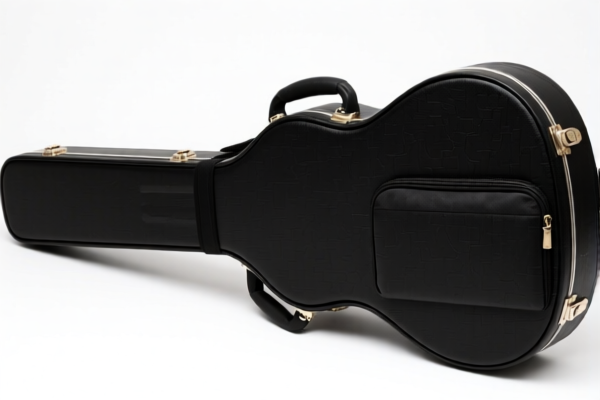

AI Analysis
🎸 Guitar Cases (Musical Instrument Accessories & Protective Gear)
🌐 HS Code Reference & Customs Clearance Guide | 2026 Latest Tariff Analysis | Professional Compliance Strategy
📌 I. Product Definition & Classification: What Exactly is a "Guitar Case"?
A "Guitar Case" is not a single homogeneous product in international trade. Its classification depends heavily on material composition and functional purpose. Customs authorities distinguish between cases made of rigid plastic/composites (treated as industrial/plastic goods) and those made of fabric/leather (treated as musical instrument accessories).
Two Main Categories: 1. Plastic/Rigid Cases: Made primarily of plastic, synthetic materials, or hard composites. These are often viewed as general merchandise or plastic articles. 2. Fabric/Soft Cases & Tool Kits: Made of textile, leather, or mixed materials, specifically designed as accessories for musical instruments.
⚠️ Key Distinction Point:
- If the case is primarily plastic/synthetic → It may fall under Chapter 39 (Plastics) or Chapter 92 (Instruments) depending on specific construction.
- If the case is fabric/leather/textile → It is strictly classified as an Accessory (Part) under Chapter 92.
- Do not mix materials in description. If it’s a "hard-shell case with fabric padding," the primary material usually dictates the heading, but specific HS codes in the data provide precise pathways.
📦 II. HS Code Classification Details (2026 Latest Tariff Data)
Based on the provided dataset, here are the four specific HS Codes for Guitar Cases/Tool Kits, along with their tax implications.
| HS Code | Product Description | Material/Nature | Total Tax Rate |
|---|---|---|---|
3926.90.35.00 |
Plastic Instrument Cases: Cases made of plastic, fabric, or synthetic materials, classified under general plastic articles. | Primarily Plastic/Synthetic | 24.0% |
9209.92.20.00 |
Fabric/Leather Cases: Cases made of textile or leather, specifically identified as musical instrument accessories. | Textile/Leather | 13.9% |
9209.99.80.00 |
Guitar Tool Kits: Accessories for instruments (tools, stands, holders), classified under "Parts and Accessories of Musical Instruments." | Mixed/Tool Components | 22.8% |
9209.99.10.00 |
Stands/Holders: Supports or holders for instruments, classified as accessory parts with no material conflict. | Mixed/Structural | 23.2% |
🔍 Critical Analysis:
- Cheapest Route:9209.92.20.00(13.9%) is the most favorable if the case is fabric/leather.
- Most Expensive:3926.90.35.00(24.0%) applies to plastic-heavy cases.
- Specialty Items: Tool kits (9209.99.80.00) and Stands (9209.99.10.00) fall under instrument accessories but carry higher taxes than soft cases.
💰 III. 2026 Latest Tariff Rate Breakdown (Including Surcharges)
✅ Applicable Market: United States (US)
✅ Origin: China (CN)
✅ Effective Date: Current rates apply including Section 301 and IEEPA surcharges.
🎯 1. 3926.90.35.00 – Plastic/Synthetic Cases
| Item | Content |
|---|---|
| Base Tariff | 6.5% |
| Section 301 Surcharge | 7.5% |
| IEEPA (Section 122) Surcharge | 10.0% |
| Total Tax Rate | 24.0% |
| Calculation Basis | CIF Value × 24.0% |
| De Minimis Exemption | ❌ Not Applicable (High risk of seizure under current rules) |
| Legal Path | USITC:3926.90.35.00 → Section 301: 7.5% → IEEPA: 10% |
📌 Explanation:
- This code treats the case as a plastic article rather than an instrument part.
- The 24% total rate is a composite of Base (6.5%) + 301 (7.5%) + IEEPA (10%).
- Warning: Plastic cases are heavily scrutinized. Misdeclaring a plastic case as fabric to get a lower rate is a major compliance risk.
🎯 2. 9209.92.20.00 – Fabric/Leather Cases (Lowest Tax)
| Item | Content |
|---|---|
| Base Tariff | 3.9% |
| Section 301 Surcharge | 0.0% |
| IEEPA (Section 122) Surcharge | 10.0% |
| Total Tax Rate | 13.9% |
| Calculation Basis | CIF Value × 13.9% |
| De Minimis Exemption | ❌ Not Applicable |
| Legal Path | USITC:9209.92.20.00 → IEEPA: 10% |
📌 Explanation:
- This is the optimal classification for soft-sided, fabric, or leather guitar cases.
- Crucial Advantage: 0% Section 301 Surcharge. Only the Base (3.9%) and IEEPA (10%) apply.
- Condition: The case must be demonstrably made of textile/leather, not plastic.
🎯 3. 9209.99.80.00 – Guitar Tool Kits
| Item | Content |
|---|---|
| Base Tariff | 5.3% |
| Section 301 Surcharge | 7.5% |
| IEEPA (Section 122) Surcharge | 10.0% |
| Total Tax Rate | 22.8% |
| Calculation Basis | CIF Value × 22.8% |
| Legal Path | USITC:9209.99.80.00 → Section 301: 7.5% → IEEPA: 10% |
📌 Explanation:
- Applies to kits containing tools, strings, or accessories stored in a case.
- Classified as "Parts and Accessories."
- High tax due to inclusion of Section 301.
🎯 4. 9209.99.10.00 – Stands & Holders
| Item | Content |
|---|---|
| Base Tariff | 5.7% |
| Section 301 Surcharge | 7.5% |
| IEEPA (Section 122) Surcharge | 10.0% |
| Total Tax Rate | 23.2% |
| Calculation Basis | CIF Value × 23.2% |
| Legal Path | USITC:9209.99.10.00 → Section 301: 7.5% → IEEPA: 10% |
📌 Explanation:
- For items primarily used as supports or holders for the instrument.
- Similar tax structure to tool kits, but slightly higher base rate.
🛠️ IV. Customs Clearance Practical Advice (Real-World Pitfall Avoidance)
✅ 1. Documentation Checklist (Mandatory)
| Document | Required | Purpose |
|---|---|---|
| ✅ Product Specification Sheet | ✔️ | Clearly state Material Composition (% Plastic, % Fabric, % Leather). |
| ✅ Product Photos (Labeled) | ✔️ | Show internal/external materials. Highlight "Fabric" vs "Hard Plastic." |
| ✅ Commercial Invoice | ✔️ | Use precise terms: "Fabric Guitar Case" or "Plastic Hard Case," NOT just "Guitar Case." |
| ✅ Packing List | ✔️ | Separate cases from tools/stands if possible. |
| ✅ Material Test Report | ✔️ | Optional but recommended for 9209.92.20.00 to prove fabric/leather content. |
✅ 2. Classification Strategy (Key Mnemonic)
🔥 “Material Dictates Code: Fabric = 13.9%, Plastic = 24.0%!”
| Scenario | Recommended HS Code | Reason |
|---|---|---|
| Soft Bag, Gig Bag, Fabric Case | 9209.92.20.00 |
Lowest tax (13.9%), 0% Section 301. |
| Hard Shell, Foam-Injected, Plastic | 3926.90.35.00 |
Classified as plastic article. Higher tax (24.0%). |
| Kit with Tuners, Picks, Cables | 9209.99.80.00 |
Considered a "Tool Kit/Accessory Set." |
| Stand, Rack, Holder | 9209.99.10.00 |
Classified as structural support. |
⚠️ Warning:
- Do NOT try to classify a plastic hard case as9209.92.20.00just to save tax. Customs will inspect material composition. If found to be plastic, you will face penalties, back-tariffs, and potential seizure.
- Separate Declaration: If you ship a stand and a case together, declare them separately. Mixing them may trigger the higher rate for the entire shipment.
✅ 3. Special Cases & Nuances
| Situation | Advice |
|---|---|
| Hybrid Cases (Plastic Shell + Fabric Interior) | Typically classified under Plastic (3926.90.35.00) as the shell is the primary protective structure. |
| OEM Custom Cases | Provide design drawings. If custom shape doesn’t fit standard "case" definitions, consult a customs broker for potential alternative headings. |
| Used/Second-Hand Cases | Still subject to the same HS codes and tariffs. Origin (China) triggers IEEPA. |
| Drop-Shipments | Ensure the supplier declares accurately. If the supplier misdeclares a plastic case as fabric, the importer (you) bears the liability. |
🌍 V. Global Market Comparison (2026 Context)
| Region | Recommended HS Code | Est. Tariff (China Origin) | Notes |
|---|---|---|---|
| 🇺🇸 USA | 9209.92.20.00 (Fabric) |
13.9% | Best option. Plastic cases hit 24%. |
| 🇺🇸 USA | 3926.90.35.00 (Plastic) |
24.0% | Includes 301 & IEEPA. |
| 🇪🇺 EU | Varies (Ch 92 or 42) | Low/0% (Check FTA) | Different classification system. Often lower than US. |
| 🇨🇳 China | Varies | Varies | Export tariffs may apply. |
📌 Conclusion:
- The US market is the most challenging due to Section 301 and IEEPA surcharges.
- Fabric cases (9209.92.20.00) offer a 10.1% tax advantage over plastic cases (3926.90.35.00).
- For US exports, material engineering (using more fabric, less plastic) can significantly reduce landed cost.
📌 VI. Common Mistakes & Pitfalls (Lessons Learned)
❌ Mistake 1: Calling everything "Guitar Case" on the invoice.
👉 Result: Customs uses "Residual Value" or default high-rate classifications.
✅ Fix: Specify "Fabric Gig Bag" or "Hard Plastic Case."
❌ Mistake 2: Assuming all instrument accessories are tax-exempt.
👉 Result: Incorrect. Most are subject to 301/IEEPA. Only certain cultural/educational items might be exempt (rare for commercial cases).
✅ Fix: Prepare for 13.9%–24.0% tax burden.
❌ Mistake 3: Combining stands and cases in one HS code.
👉 Result: Complex valuation and potential misclassification.
✅ Fix: List Stand as 9209.99.10.00 and Case as 9209.92.20.00 separately.
🎯 VII. Conclusion: Professional Classification Saves Money!
🎯 Remember the Golden Rule:
🔹 "Fabric Case = 13.9% (Win!) / Plastic Case = 24.0% (Ouch!)"
🔹 "Be Specific in Description: 'Fabric' vs 'Plastic' is the Key."
📌 Pro Tip:
If you are importing large volumes, consider Advance Ruling (Binding Tariff Information) from US Customs and Border Protection (CBP) to lock in the correct HS Code and tax rate, protecting you from retroactive audits.
📣 Immediate Action:
📞 Verify Material Composition with your supplier.
📄 Draft Precise Descriptions:
- "Soft-Sided Fabric Guitar Gig Bag, Nylon Exterior, Padded Interior" →9209.92.20.00
- "Hard Shell Guitar Case, ABS Plastic, Foam Lining" →3926.90.35.00
🚀 Optimize Your Landed Cost by Choosing the Right Material & Code!
✨ Professional Customs Clearance Starts with Accurate Classification!
💼 Every Percent of Tax Saved is Pure Profit!
Customer Reviews
About HS Code Classification
The Harmonized System (HS) is an internationally standardized nomenclature developed by the World Customs Organization (WCO) to classify traded products. Over 200 countries use the HS system as the basis for customs tariffs, trade statistics, and import/export regulations.
Each HS code follows a hierarchical structure:
- Chapter (2 digits) — Broad category of goods (e.g., Chapter 84: Machinery and Mechanical Appliances)
- Heading (4 digits) — More specific grouping within the chapter
- Subheading (6 digits) — Internationally standardized breakdown, used by all WCO member countries
- National subdivisions (8-10 digits) — Country-specific extensions for further classification, such as US HTSUS 10-digit codes
Correct HS code classification is essential for smooth customs clearance, accurate duty payment, and compliance with trade regulations. Misclassification can lead to customs delays, overpayment of duties, or penalties.
When importing from CN to US, the applicable tariff rates may include:
- Most-Favored-Nation (MFN) rate — The standard duty rate applied to WTO members
- General rate — Applied to countries without trade agreements
- Trade remedy duties — Additional tariffs such as Section 301 (anti-dumping), Section 232 (national security), or countervailing duties
The information provided on this page is for reference purposes only. For official classification, please consult with your local customs authority or a licensed customs broker.