名字贴标签
CN → US| HS Code | Tariff Rate | Origin | Destination | Doc |
|---|---|---|---|---|
| 4821104000 | 35.0% | CN | US | Official Doc |
| 4821902000 | 35.0% | CN | US | Official Doc |
| 5807101500 | 39.5% | CN | US | Official Doc |
| 3926909989 | 22.8% | CN | US | Official Doc |
| 3926100000 | 15.3% | CN | US | Official Doc |
| 5807901500 | 39.5% | CN | US | Official Doc |
Product Images

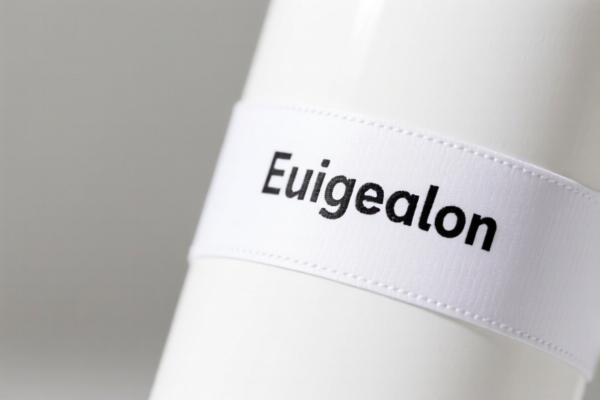
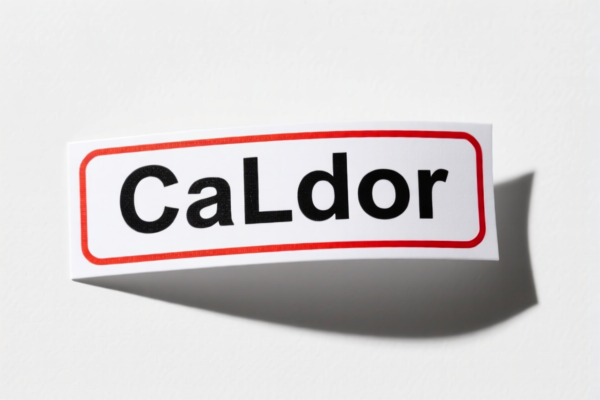
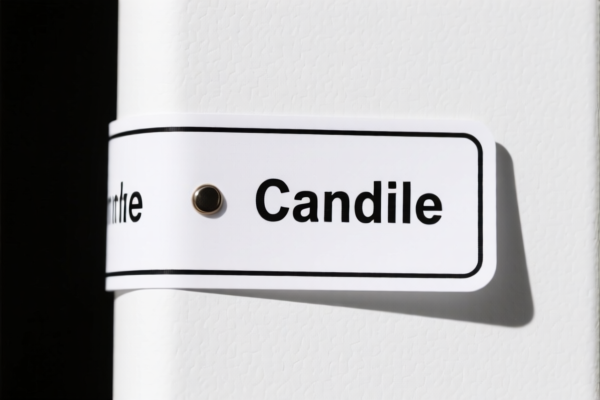
AI Analysis
🏷️ Name Stickers & Textile Labels (Personal Identification & Branding Tags)
🌐 HS Code Reference & Clearance Guide | 2026 Latest Tariff Analysis | Professional Customs Strategy
📌 I. Product Definition & Classification: Do You Really Know "Name Labels"?
"Name Stickers" (or Labels/Badges) are essential identification tools used in education, uniforms, luggage, branding, and office organization. In international trade, they are classified based on material composition, manufacturing process, and adhesive properties:
1. Textile Labels (Woven/Other):
- Made of fabric (cotton, polyester, etc.), often woven or knitted.
- Used for clothing tags, uniform badges, or fabric name tags.
- Key Distinction: Must be not embroidered to fall under the primary HS codes below.
2. Paper-Based Labels:
- Made of paper or paperboard.
- Includes both self-adhesive (peel-and-stick) and non-adhesive printed versions.
- Key Distinction: "Self-adhesive" triggers a different tariff (25%) compared to general paper labels.
3. Plastic/Composite Office Supplies:
- Pre-cut plastic name badges, badge holders, or school supply tags.
- Key Distinction: If classified as "Office/School supplies," the tariff is 0%.
⚠️ Critical Classification Point:
- If made of textile (woven/not embroidered) → Chapter 58 (0% Tariff).
- If made of paper & self-adhesive → Chapter 48 (25% Tariff).
- If made of plastic & used as office supplies → Chapter 39 (0% Tariff).
- If made of plastic but used as general articles → Chapter 39 (12.8% Tariff).
📦 II. HS Code Classification Details (2026 Authoritative Tariff Table)
| HS Code | Product Description | Applicable Scenario | Material Type | Adhesive? |
|---|---|---|---|---|
5807.10.15.00 |
Woven Labels: Textile labels, badges, not embroidered, cut to shape. | Uniform name tags, school ID labels, woven brand labels. | Textile (Woven) | ❌ No (or sewn-on) |
5807.90.15.00 |
Other Textile Labels: Non-woven, knitted, or other textile materials, not embroidered. | Felt badges, printed fabric tags, custom cloth labels. | Textile (Other) | ❌ No |
4821.90.20.00 |
Paper Labels (Self-Adhesive): Paper/Paperboard, self-stick type. | Shipping labels, price tags, student name stickers, peel-and-stick ID badges. | Paper | ✅ Yes |
4821.10.40.00 |
Paper Labels (Printed): Paper/Paperboard, printed, non-adhesive (or other). | Pre-printed name tags for filing, paper badges without glue. | Paper | ❌ No (or generic) |
3926.10.00.00 |
Plastic Office/School Supplies: Plastic name badges, badge clips, organizer tags. | School name plates, office ID badge frames, plastic name cards. | Plastic | ✅ Yes (or No) |
3926.90.99.89 |
Other Plastic Articles: General plastic name tags not classified as office supplies. | Custom plastic nameplates, non-office specific plastic badges. | Plastic | ❌ N/A |
🔍 Key Warning:
- Self-adhesive paper labels (4821.90.20.00) are subject to a 25% additional tariff due to specific trade measures.
- Woven textile labels (5807.10.15.00) enjoy 0% tariff (Base + Additional).
- Plastic office supplies (3926.10.00.00) are 0%, but general plastic articles (3926.90.99.89) face 12.8%.
💰 III. 2026 Tariff Rate Breakdown (Base + Additional Taxes)
✅ Applicable Region: China → Global Export
✅ Origin: China (CN)
✅ Effective Date: Current 2026 Tariff Schedule
🎯 1. 5807.10.15.00 & 5807.90.15.00 — Textile Name Labels (Woven/Other)
| Item | Content |
|---|---|
| Base Tariff | 0% |
| Additional Tariff (Section 301/Retaliation) | 0% |
| Total Tariff | 0% |
| Tax Calculation | CIF Value × 0% |
| Exemption Status | ✅ No additional taxes |
| Legal Basis | HS Code 5807.10.15.00 / 5807.90.15.00 (No extra footnotes applied) |
📌 Explanation:
- Textile labels (woven or non-woven) not embroidered are treated as standard textile articles.
- Benefit: Zero extra cost for exporters importing into countries with standard textile MFN rates (like the US under current agreements).
- Strategy: Always declare as "Not Embroidered" to maintain 0% status.
🎯 2. 4821.90.20.00 — Paper Self-Adhesive Labels (High Risk!)
| Item | Content |
|---|---|
| Base Tariff | 0% |
| Additional Tariff (Section 301/China Specific) | +25.0% |
| Total Tariff | 25.0% |
| Tax Calculation | CIF Value × 25% |
| Exemption Status | ❌ High Risk (No de minimis exemption for this code) |
| Legal Basis | HS Code 4821.90.20.00 → Section 301 List 1/2/3/4 (China Origin) |
📌 Explanation:
- "Self-adhesive" paper labels are heavily targeted by trade protection measures.
- Even a small value of shipping labels or student stickers incurs a 25% tax.
- Strategy: Consider switching to textile or plastic alternatives if possible to reduce costs.
🎯 3. 4821.10.40.00 — Paper Printed Labels (Non-Adhesive)
| Item | Content |
|---|---|
| Base Tariff | 0% |
| Additional Tariff | +25.0% |
| Total Tariff | 25.0% |
| Tax Calculation | CIF Value × 25% |
| Exemption Status | ❌ High Risk |
| Legal Basis | HS Code 4821.10.40.00 → China-specific tariffs |
📌 Explanation:
- All paper labels, whether self-adhesive or printed, generally attract the 25% additional tariff for Chinese origin goods in specific markets (e.g., US).
- Strategy: Avoid paper if possible for cost-sensitive products; switch to "Textile" or "Plastic Office Supplies".
🎯 4. 3926.10.00.00 — Plastic Office/School Name Badges
| Item | Content |
|---|---|
| Base Tariff | 0% |
| Additional Tariff | 0.0% |
| Total Tariff | 0.0% |
| Tax Calculation | CIF Value × 0% |
| Exemption Status | ✅ Low Cost |
| Legal Basis | HS Code 3926.10.00.00 (Office/School Supplies) |
📌 Explanation:
- If the plastic label is explicitly marketed as "Office or School Supplies", it benefits from a 0% tariff.
- Strategy: Ensure packaging and invoices clearly state "For School Use" or "Office Supplies" to qualify.
🎯 5. 3926.90.99.89 — Other Plastic Name Tags (General)
| Item | Content |
|---|---|
| Base Tariff | 5.3% |
| Additional Tariff (China) | +7.5% |
| Total Tariff | 12.8% |
| Tax Calculation | CIF Value × 12.8% |
| Exemption Status | ⚠️ Moderate Cost |
| Legal Basis | HS Code 3926.90.99.89 |
📌 Explanation:
- If the plastic item is not strictly "Office/School Supplies" (e.g., industrial name tags, decorative badges), it falls here.
- Strategy: Try to classify under3926.10.00.00to save 12.8% in tariffs.
🛠️ IV. Customs Clearance Practical Advice (Avoid Pitfalls)
✅ 1. Documentation Checklist (Must-Have)
| Document | Requirement | Explanation |
|---|---|---|
| Product Specification Sheet | ✔️ Mandatory | Must state Material (Textile vs. Paper vs. Plastic), Adhesive (Yes/No), and Process (Woven vs. Printed). |
| Commercial Invoice | ✔️ Mandatory | CRITICAL: Clearly describe as "Textile Label (Not Embroidered)" or "Office Supply Name Badge". Avoid vague terms like "Stickers". |
| Origin Certificate (CO) | ✔️ Recommended | Proves origin. If not China, some tariffs may be waived. |
| Material Declaration | ✔️ Highly Recommended | Explicitly state "100% Cotton/Polyester" or "Recycled Paper" to support HS Code classification. |
| Photos of Labels | ✔️ Recommended | Show the backing (glue vs. no glue) and textile texture to distinguish from paper. |
✅ 2. Declaration Tactics (Key Rules)
🔥 Golden Rule: "Material & Adhesive Define the Tax!"
| Scenario | Correct HS Code | Incorrect HS Code | Result |
|---|---|---|---|
| Woven Name Tag (No embroidery) | 5807.10.15.00 |
4821.90.20.00 |
Tax: 0% vs 25% (Huge Savings!) |
| Paper Name Sticker (Self-adhesive) | 4821.90.20.00 |
3926.10.00.00 |
Tax: 25% vs 0% (Risk!) |
| Plastic Badge (School Use) | 3926.10.00.00 |
3926.90.99.89 |
Tax: 0% vs 12.8% |
| Plastic Badge (Industrial) | 3926.90.99.89 |
3926.10.00.00 |
Tax: 12.8% vs 0% (Penalty if misdeclared) |
✅ 3. Special Handling Tips
| Situation | Solution |
|---|---|
| Mixed Shipments (Paper + Textile) | Separate Declaration: Do not mix codes in one line item. Split into two separate HS Code lines to avoid "All items taxed at highest rate" risk. |
| "Stickers" vs. "Labels" | Use the term "Label" in descriptions. "Sticker" often triggers automated checks for 4821 (Paper) codes even if they are textile. |
| Custom Embroidered Labels | If labels are embroidered, they fall under HS 6204/6205 (Apparel) or 6113/6114 (Knitted), NOT the 0% 5807 code. Check new rates! |
| School Promotional Items | Highlight "Educational Purpose" in invoice to justify 3926.10.00.00 (Plastic) or 5807 (Textile) for 0% tariffs. |
🌍 V. Global Market Clearance Comparison (2026)
| Country/Region | Recommended HS Code | Tariff (China Origin) | Key Requirement |
|---|---|---|---|
| 🇺🇸 USA | 5807.10.15.00 |
0% (Textile) | Avoid 4821 codes (25%!) |
| 🇺🇸 USA | 4821.90.20.00 |
25% (Paper) | High tax on self-adhesive |
| 🇨🇳 China | 5807.10.15.00 |
0% | Standard export |
| 🇪🇺 EU | 5807.10.15.00 |
0% (MFN) | Textile labels safe |
| 🇯🇵 Japan | 5807.10.15.00 |
0% | No additional tariffs |
📌 Conclusion:
- Textile Labels (5807) are the safest and cheapest option globally.
- Paper Labels (4821) are expensive (25% tax) due to trade measures.
- Plastic Labels depend on usage: Office/School = 0%, General = 12.8%.
📌 VI. Common Mistakes & Pitfalls (Lessons Learned)
❌ Mistake 1: Calling "Paper Stickers" as "Textile Labels"
👉 Consequence: Customs finds the material is paper → Re-classify to 4821.90.20.00 → 25% tax + Fine.
❌ Mistake 2: Declaring "Plastic Name Tags" as "Office Supplies" when they are for Industrial Use
👉 Consequence: Audit triggers re-classification to 3926.90.99.89 → 12.8% tax + Penalty.
❌ Mistake 3: Ignoring the "Not Embroidered" clause for textile labels
👉 Consequence: Embroidered labels have different, often higher, tariffs or different chapters.
✅ Best Practice:
"Textile Name Labels, Woven, Not Embroidered, Cut to Shape, Polyester, Non-Adhesive, for Uniforms."
"Plastic Office Name Badges, School Use, Non-Adhesive, PVC."
🎯 VII. Conclusion: Smart Classification, Maximum Savings!
🎯 Remember the Mantra:
🔹 "Textile = 0% (If Not Embroidered)"
🔹 "Paper (Self-Adhesive) = 25% (Avoid!)"
🔹 "Plastic Office = 0%"
🔹 "Plastic General = 12.8%"
📌 Pro Tip:
If you are shipping name stickers for a US-based school or business:
- Switch to Textile (5807.10.15.00) or Plastic Office (3926.10.00.00) to save 25% in tariffs.
- Avoid Paper (4821) unless the customer accepts the 25% cost.
📣 Take Action Now:
📞 Contact your freight forwarder with Material Samples
🚀 Pre-apply for HS Code Rulings (US CBP) to confirm classification before shipping
💡 Optimize packaging to emphasize "Textile" or "Office Supply" status
✨ Professional Customs Clearance Starts with Precision!
💼 Your profit margin depends on accurate HS Code selection!
Customer Reviews
About HS Code Classification
The Harmonized System (HS) is an internationally standardized nomenclature developed by the World Customs Organization (WCO) to classify traded products. Over 200 countries use the HS system as the basis for customs tariffs, trade statistics, and import/export regulations.
Each HS code follows a hierarchical structure:
- Chapter (2 digits) — Broad category of goods (e.g., Chapter 84: Machinery and Mechanical Appliances)
- Heading (4 digits) — More specific grouping within the chapter
- Subheading (6 digits) — Internationally standardized breakdown, used by all WCO member countries
- National subdivisions (8-10 digits) — Country-specific extensions for further classification, such as US HTSUS 10-digit codes
Correct HS code classification is essential for smooth customs clearance, accurate duty payment, and compliance with trade regulations. Misclassification can lead to customs delays, overpayment of duties, or penalties.
When importing from CN to US, the applicable tariff rates may include:
- Most-Favored-Nation (MFN) rate — The standard duty rate applied to WTO members
- General rate — Applied to countries without trade agreements
- Trade remedy duties — Additional tariffs such as Section 301 (anti-dumping), Section 232 (national security), or countervailing duties
The information provided on this page is for reference purposes only. For official classification, please consult with your local customs authority or a licensed customs broker.