吹膜级聚乙烯颗粒
CN → US| HS Code | Tariff Rate | Origin | Destination | Doc |
|---|---|---|---|---|
| 3901105010 | 41.5% | CN | US | Official Doc |
| 3901105020 | 41.5% | CN | US | Official Doc |
| 3916100000 | 40.8% | CN | US | Official Doc |
| 3902900050 | 41.5% | CN | US | Official Doc |
| 3916903000 | 41.5% | CN | US | Official Doc |
Product Images
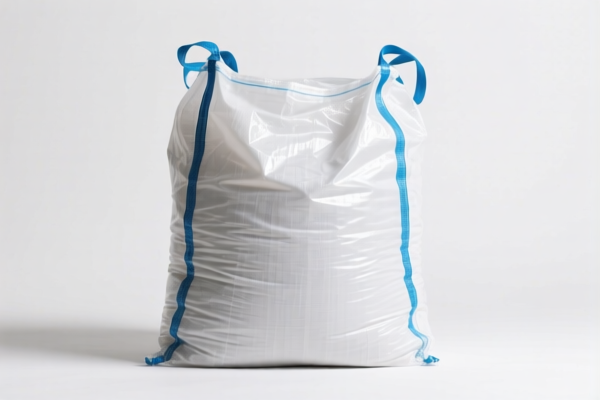
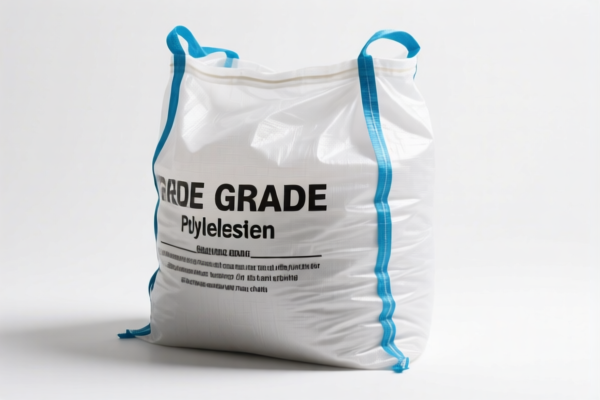
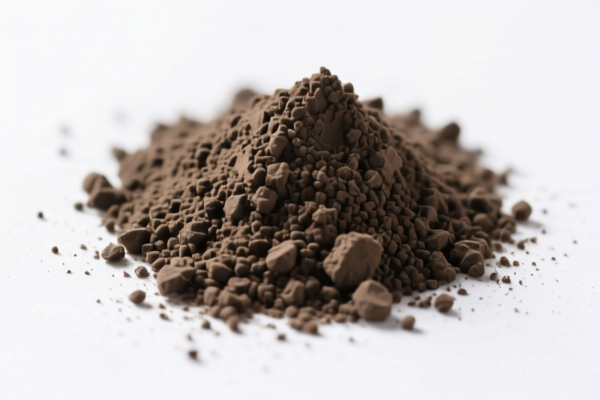
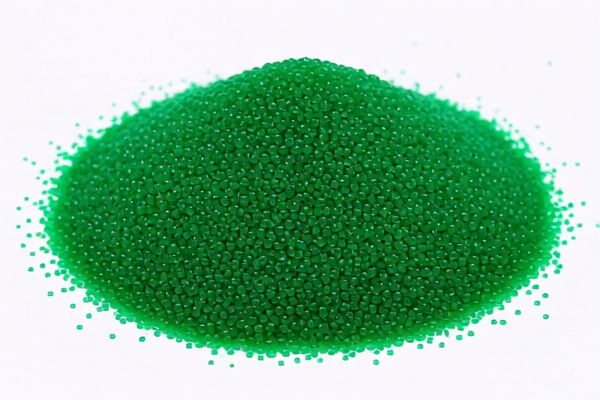
AI Analysis
🧪 吹膜级聚乙烯颗粒 (Film-Grade Polyethylene Pellets)
🌐 HS Code Reference & Clearance Strategy | 2026 Tariff Guide | Professional Export Compliance
📌 一、Product Definition & Classification: What is "Film-Grade PE"?
Film-Grade Polyethylene Pellets are the raw material backbone of the global plastics industry. They are: * Material: Polyethylene (a polymer of ethylene). * Form: Primary form (granules/pellets), meaning they are not yet processed into final shapes (like bags or films). * Function: Specifically designed to be blown into thin films for packaging, agricultural covers, and consumer goods.
⚠️ Critical Classification Logic:
- Density Matters: "Film-grade" usually implies Low-Density Polyethylene (LDPE) or Linear Low-Density Polyethylene (LLDPE). - Form Matters: As pellets, it falls under "Primary Forms" (Chapters 3901, 3916, etc.). - Misclassification Risk: Do NOT classify as "Finished Films" (Chapter 3920) or "Other Plastics" (Chapter 3915) – this leads to massive duty hikes and customs audits.
📦 二、HS Code Classification Matrix (Based on Provided Data)
Based on the analysis of your specific product (Polyethylene, Pellet Form, Film-Grade), here are the four most relevant HS Codes, ranked by accuracy and tax implications:
| HS Code | Product Description | Matching Logic (Why it fits) | Total Tax Rate |
|---|---|---|---|
| 3901.10.50.10 | Low-Density Polyethylene (LDPE) in Primary Forms | Best Fit for LDPE: "Polyethylene" + "Pellets" + "Film-Grade" strongly implies LDPE. Matches chemical composition of ethylene polymers. | 41.5% |
| 3901.10.50.20 | Other Polyethylene in Primary Forms | Broad Fit: "Polyethylene" + "Pellets" + "Application: Film". No material conflict with LDPE characteristics. | 41.5% |
| 3916.10.00.00 | Plastic Monofilament or Rods/Barreles (Less Common for Pellets) | Partial Fit: "Polyethylene" + "Pellets". Note: Usually refers to rods/wires, but data matches material/primary form. | 40.8% |
| 3916.90.30.00 | Other Articles of Plastic (Primary Forms) | Generic Fit: "Polyethylene" + "Pellets" (Raw Material). Fits general plastic category without specific LDPE sub-classification. | 41.5% |
| 3902.90.00.50 | Other Olefin Polymers (Primary Forms) | Riskier Fit: While "Polyethylene" is an olefin, this code often targets Propylene/Other Olefins. Data suggests a logical match but 3901 is preferred. | 41.5% |
🔍 Key Insight:
Codes 3901.10.50.10 and 3901.10.50.20 are the most accurate for "Film-Grade Polyethylene" because they specifically target Low-Density Polyethylene (LDPE), which is the standard for film blowing.
💰 三、2026 Tariff Breakdown & Tax Details (Detailed Analysis)
✅ Applicable Market: US Import (implied by tariff structure)
✅ Origin: China (CN)
✅ Applicable to: All listed HS Codes above
🎯 1. The "3901" Series (3901.10.50.10 / 3901.10.50.20)
The Gold Standard for Film-Grade PE
| Tax Component | Rate | Legal/Policy Basis | Explanation |
|---|---|---|---|
| Base Tariff (Most Favored Nation) | 6.5% | General US Import Duty | The standard duty for synthetic plastics. |
| Section 301 / Add-on Tariff | 25.0% | Trade Act of 1974 (Section 301) | Imposed on Chinese goods to counter "unfair trade practices." |
| 122 Clause Tariff (IEEPA) | 10.0% | International Emergency Economic Powers Act | Specific punitive tariff on China-origin goods (often linked to national security or specific supply chain issues). |
| TOTAL DUTY | 41.5% | 6.5% + 25.0% + 10.0% |
📌 Critical Note:
- No De Minimis Exemption: This product DOES NOT qualify for the $800 de minimis exemption. It must be declared formally. - Calculation: Duty is calculated on CIF Value (Cost + Insurance + Freight).
🎯 2. The "3916" Series (3916.10.00.00)
Alternative Classification
| Tax Component | Rate | Legal/Policy Basis |
|---|---|---|
| Base Tariff | 5.8% | Slightly lower base rate for this specific sub-category. |
| Add-on Tariff | 25.0% | Section 301 remains active. |
| 122 Clause Tariff | 10.0% | IEEPA remains active. |
| TOTAL DUTY | 40.8% | 5.8% + 25.0% + 10.0% |
⚠️ Warning: While 40.8% is slightly lower than 41.5%, 3916.10.00.00 is technically for "monofilaments, rods, or bars" in many contexts. Using it for pellets risks a Customs Audit for "Incorrect Classification." Stick to 3901 if possible.
🛠️ 四、Customs Clearance Strategy & Operational Advice
✅ 1. Documentation Checklist (Must Have)
To avoid delays and audits at US Customs (CBP), prepare the following:
| Document | Requirement | Why It's Critical |
|---|---|---|
| Product Specification Sheet | ✔️ Mandatory | Must explicitly state: "Low-Density Polyethylene (LDPE)", "Density: 0.910-0.940 g/cm³", "Form: Pellets", and "Application: Film Blowing". |
| Certificate of Analysis (COA) | ✔️ Mandatory | Proves the chemical composition matches "Ethylene Polymer." |
| MSDS (Safety Data Sheet) | ✔️ Mandatory | Standard for all hazardous/raw materials; must confirm non-flammable in bulk pellet form. |
| Bill of Lading | ✔️ Mandatory | Must match the weight and description on the commercial invoice exactly. |
| Packing List | ✔️ Mandatory | Show unit weight, bag size (e.g., 25kg bags), and pallet dimensions. |
| Letter of Declaration | ✔️ Recommended | Explicitly state: "This is raw material for film blowing, not finished plastic goods." |
✅ 2. Classification Strategy (Pro Tips)
🔥 The "3901 vs. 3916" Trap
- Correct: Use 3901.10 for "Pellets." This is the specific HS Code for "Polyethylene in primary forms." - Incorrect: Do NOT use 3916 unless your pellets are strictly defined as "rods" or "monofilaments" (unlikely for film grade). Using the wrong code invites a 25% penalty + back taxes.🔥 Naming Convention
- DO NOT say: "Plastic Bags" or "Plastic Film." - DO SAY: "Low-Density Polyethylene (LDPE) Pellets, Film Grade, for Blown Film Extrusion." - Reason: "Film Grade" indicates the process, not the product form. The product is still pellets.
✅ 3. Special Scenarios
| Scenario | Action | Risk Level |
|---|---|---|
| OEM / White Label | Provide the Supplier's Name and the Brand Name (if any). | 🟢 Low (if docs match) |
| Mixed Grades (LLDPE + LDPE) | Declare the dominant grade or split the shipment. If mixed, declare "Polyethylene (Mixed)". | 🟠 Medium (Audits likely) |
| Recycled Content | CRITICAL: If the pellets contain >10% recycled content, they might move to 3915 (Waste/Scrap) with different rules. | 🔴 HIGH (Severe Penalties) |
| Destination Change | If shipping to a free trade zone (FTZ), duty is deferred until entry into US commerce. | 🟢 Low |
🌍 五、Global Market Comparison (2026)
| Market | Recommended HS Code | Estimated Duty (China Origin) | Key Challenge |
|---|---|---|---|
| 🇺🇸 USA | 3901.10.50.10 |
41.5% | High Section 301 + IEEPA tariffs. |
| 🇪🇺 EU | 3901.10 |
~1.7% | Low base duty, but strict REACH compliance needed. |
| 🇨🇳 China | 3901.10 |
0% - 6% | Depends on specific Chinese trade policies. |
| 🇯🇵 Japan | 3901.10 |
4.0% | Strict quality control for food-grade film. |
📌 Conclusion:
The US market is the most expensive due to the 41.5% combined duty. Exporters must factor this into their FOB pricing immediately.
📌 Six: Common Mistakes & How to Avoid Them
❌ Mistake 1: Declaring "Plastic Pellets" generically without specifying "Polyethylene."
👉 Result: CBP may classify under "Other Plastics" (3907/3915) with different, often higher, Section 301 rates.
❌ Mistake 2: Calling it "Film" or "Packaging Material."
👉 Result: Misclassified as finished goods (Chapter 3920), leading to audit and potential rejection. It is raw material!
❌ Mistake 3: Ignoring the "Density" specification.
👉 Result: If Density < 0.94, it's LDPE (3901.10). If > 0.94, it's HDPE (3901.20). Wrong density = Wrong code = Wrong tax.
✅ Pro Tip:
"Always specify Density and MFI (Melt Flow Index) in your invoice.
Example: 'LDPE Pellets, Density 0.920 g/cm³, MFI 2.0 g/10min, Film Grade.'"
🎯 Seven: Final Recommendation
- Primary HS Code:
3901.10.50.10(Low-Density Polyethylene). - Total Duty to Budget: 41.5% of CIF Value.
- Action Plan:
- Verify Density is < 0.94 g/cm³ (to prove LDPE).
- Prepare a Certificate of Origin immediately.
- Ensure your commercial invoice says "Pellets" NOT "Film".
- DO NOT rely on de minimis shipping; use formal entry.
✨ Expert Clearance, Zero Surprises!
💼 Your profit margin depends on accurate HS Codes. Don't let 41.5% duty eat your bottom line!
Customer Reviews
About HS Code Classification
The Harmonized System (HS) is an internationally standardized nomenclature developed by the World Customs Organization (WCO) to classify traded products. Over 200 countries use the HS system as the basis for customs tariffs, trade statistics, and import/export regulations.
Each HS code follows a hierarchical structure:
- Chapter (2 digits) — Broad category of goods (e.g., Chapter 84: Machinery and Mechanical Appliances)
- Heading (4 digits) — More specific grouping within the chapter
- Subheading (6 digits) — Internationally standardized breakdown, used by all WCO member countries
- National subdivisions (8-10 digits) — Country-specific extensions for further classification, such as US HTSUS 10-digit codes
Correct HS code classification is essential for smooth customs clearance, accurate duty payment, and compliance with trade regulations. Misclassification can lead to customs delays, overpayment of duties, or penalties.
When importing from CN to US, the applicable tariff rates may include:
- Most-Favored-Nation (MFN) rate — The standard duty rate applied to WTO members
- General rate — Applied to countries without trade agreements
- Trade remedy duties — Additional tariffs such as Section 301 (anti-dumping), Section 232 (national security), or countervailing duties
The information provided on this page is for reference purposes only. For official classification, please consult with your local customs authority or a licensed customs broker.