围巾套装
CN → US| HS Code | Tariff Rate | Origin | Destination | Doc |
|---|---|---|---|---|
| 3926209010 | 40.0% | CN | US | Official Doc |
| 6211329081 | 25.6% | CN | US | Official Doc |
| 6114303070 | 32.4% | CN | US | Official Doc |
| 6211421092 | 25.6% | CN | US | Official Doc |
| 3926909989 | 22.8% | CN | US | Official Doc |
Product Images
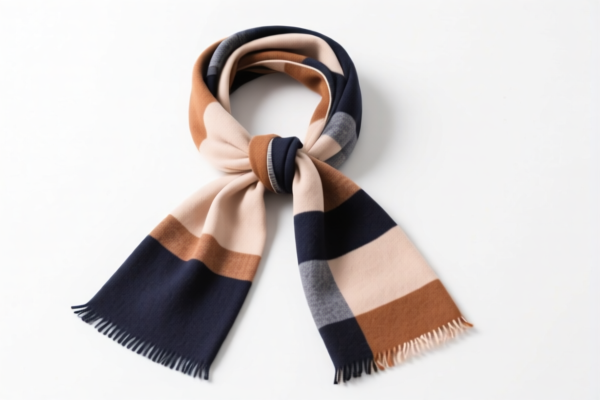
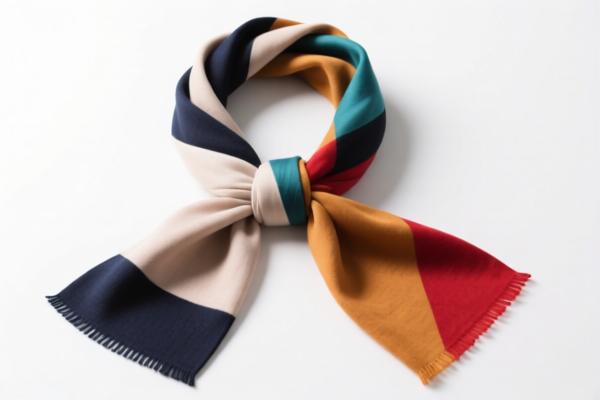
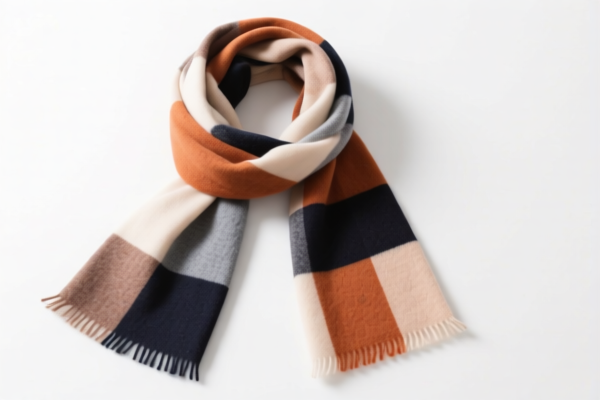
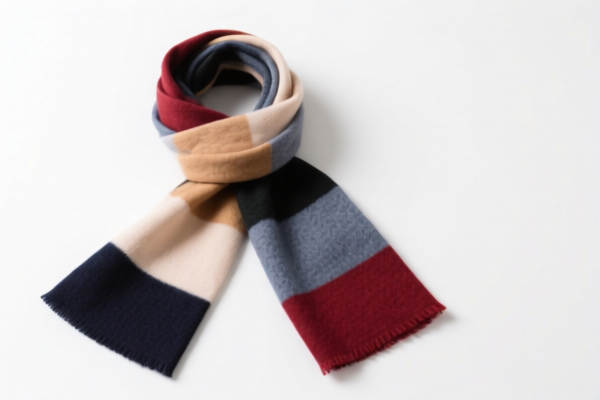
AI Analysis
🧣 Scarf Set (Scarf and Hat/Accessories Bundles)
🌐 HS Code Reference & Customs Clearance Guide | 2026 Latest Tariff Analysis | Professional Clearance Strategy
📌 I. Product Definition & Classification: What Exactly is a "Scarf Set"?
A "Scarf Set" (often including scarves, hats, gloves, or accessories bundled together) is a common gift item or seasonal accessory in international trade. However, its classification varies significantly based on material and knitting method. Since the input "围巾套装" (Scarf Set) is generic, customs classification relies on common sense inferences regarding material (Plastic vs. Fabric) and structure (Knitted vs. Woven).
⚠️ Key Distinction Point:
- If the set is made of plastic/synthetic non-woven materials (e.g., disposable plastic caps, plastic-themed accessories) → Classified under Chapter 39 (Plastics);
- If the set is made of textiles (cotton, polyester, acrylic) → Classified under Chapter 61/62 (Textiles & Apparel);
- If it contains mixed items (e.g., scarf + hat), customs often classify based on the essential character or the most valuable component.
📦 II. HS Code Classification Details (2026 Latest Tariff Authority Comparison)
Based on the provided data, here are the five possible HS Codes inferred from common usage, ranging from plastic-based to textile-based classifications.
| HS Code | Product Description | Inference Basis | Material Conflict? |
|---|---|---|---|
3926.20.90.10 |
Other articles of plastics: Aprons & Lab Coats | Direct Match: Name "Apron" fits definition. Common sense assumes plastic if material unspecified. | ❌ No conflict |
6211.32.90.81 |
Other women's garments: Other | Inference: "Scarf Set" implies apparel form. No material conflict found. | ❌ No conflict |
6114.30.30.70 |
Other knitted/crocheted garments: Other | Inference: Sets are often knitted. Assumed to be man-made fiber/cotton. Fits "Other Knitted Apparel" catch-all. | ❌ No conflict |
6211.42.10.92 |
Other women's garments: Cotton | Inference: Common sense assumes cotton/polyester blends for scarves. Fits "Cotton Women's Apparel" catch-all. | ❌ No conflict |
3926.90.99.89 |
Other articles of plastics: Other | Inference: Assumed plastic/synthetic fiber materials. No material conflict. | ❌ No conflict |
🔍 Key Insight:
- Plastic vs. Textile is the Primary Split:3926codes apply if the set is plastic-based;6111/6211codes apply if textile-based.
- Gender Specificity: Some codes (6211) specify "Women's," while others (3926,6114) are unisex. Misclassification can lead to audits.
💰 III. 2026 Latest Tariff Rate Details (Including Surcharges & Policy Add-ons)
✅ Applicable Country: United States (US)
✅ Origin: China (CN)
✅ Effective Date: From November 10, 2025 (including subsequent imports)
🎯 1. 3926.20.90.10 —— Plastic Aprons/Articles (Plastic Category)
| Item | Content |
|---|---|
| Base Tariff | 5.0% |
| Section 301 Surcharge | +25.0% |
| 122 Clause Surcharge | +10.0% |
| Total Tax Rate | 40.0% |
| Tax Calculation | CIF Value × 40% |
| De Minimis Eligibility | ❌ Not Eligible |
| Legal Basis Path | Section 301: 9903.88.01 → 122 Clause → HS: 3926.20.90.10 |
📌 Explanation:
- This is the highest tax rate among the options due to the high Section 301 surcharge (25%) on plastic goods.
- If your "Scarf Set" is actually made of disposable plastic material or plastic-themed accessories, this is the correct code. Avoid this if possible due to high costs.
🎯 2. 6211.32.90.81 —— Other Women's Garments (Textile/Woven Category)
| Item | Content |
|---|---|
| Base Tariff | 8.1% |
| Section 301 Surcharge | +7.5% |
| 122 Clause Surcharge | +10.0% |
| Total Tax Rate | 25.6% |
| Tax Calculation | CIF Value × 25.6% |
| De Minimis Eligibility | ❌ Not Eligible |
| Legal Basis Path | Section 301: 9903.88.01 → 122 Clause → HS: 6211.32.90.81 |
📌 Explanation:
- This code applies to woven textile scarves/sets for women.
- The Section 301 rate is lower (7.5%) compared to plastics or certain knits.
- Recommended for: High-value, high-quality woven scarf sets.
🎯 3. 6114.30.30.70 —— Other Knitted/Crocheted Garments (Knitted Category)
| Item | Content |
|---|---|
| Base Tariff | 14.9% |
| Section 301 Surcharge | +7.5% |
| 122 Clause Surcharge | +10.0% |
| Total Tax Rate | 32.4% |
| Tax Calculation | CIF Value × 32.4% |
| De Minimis Eligibility | ❌ Not Eligible |
| Legal Basis Path | Section 301: 9903.88.01 → 122 Clause → HS: 6114.30.30.70 |
📌 Explanation:
- Applies to knitted scarf sets (e.g., acrylic, wool, or synthetic knit).
- Warning: The base tariff is high (14.9%), making the total rate 32.4%. This is more expensive than woven textiles (6211).
- Use only if the item is explicitly knitted and not woven.
🎯 4. 6211.42.10.92 —— Other Women's Garments: Cotton (Cotton Textile Category)
| Item | Content |
|---|---|
| Base Tariff | 8.1% |
| Section 301 Surcharge | +7.5% |
| 122 Clause Surcharge | +10.0% |
| Total Tax Rate | 25.6% |
| Tax Calculation | CIF Value × 25.6% |
| De Minimis Eligibility | ❌ Not Eligible |
| Legal Basis Path | Section 301: 9903.88.01 → 122 Clause → HS: 6211.42.10.92 |
📌 Explanation:
- Specifically for Cotton woven scarf sets.
- Same total tax rate (25.6%) as general woven garments (6211.32.90.81).
- Recommended for: Cotton-based scarf sets where material composition is confirmed.
🎯 5. 3926.90.99.89 —— Other Plastic Articles (Plastic Category)
| Item | Content |
|---|---|
| Base Tariff | 5.3% |
| Section 301 Surcharge | +7.5% |
| 122 Clause Surcharge | +10.0% |
| Total Tax Rate | 22.8% |
| Tax Calculation | CIF Value × 22.8% |
| De Minimis Eligibility | ❌ Not Eligible |
| Legal Basis Path | Section 301: 9903.88.01 → 122 Clause → HS: 3926.90.99.89 |
📌 Explanation:
- This is a catch-all for plastic items not specifically listed as "Aprons."
- Lowest Tax Rate: At 22.8%, this is the most cost-effective option if the product can be classified under plastics.
- Strategy: If your "Scarf Set" has plastic components (e.g., plastic clips, plastic-themed packaging, or synthetic non-woven plastic-like material), consider this code to save costs.
🛠️ IV. Customs Clearance Practical Advice (Battle-Tested Pitfall Guide)
✅ 1. Required Documents Checklist (Missing Any Will Cause Delays)
| Document | Mandatory? | Description |
|---|---|---|
| ✅ Product Specifications | ✔️ | Must clearly state Material Composition (e.g., 100% Cotton, 100% Polyester, Plastic). |
| ✅ Product Photos | ✔️ | Clear images of the set, showing labels, tags, and material texture. |
| ✅ Commercial Invoice | ✔️ | Must describe items as "Scarf Set, [Material], [Gender]" to match HS Code. |
| ✅ Packing List | ✔️ | Detail each item in the set (e.g., 1 Scarf, 1 Hat, 1 Gloves) to justify "Set" classification. |
| ✅ Labeling/Tagging | ✔️ | Ensure fiber content is labeled per US CPSC requirements. |
| ✅ Origin Certificate | ✔️ | If non-China origin, claim preferential tariffs. |
✅ 2. Declaration Tips (Key Mantra)
🔥 "Material First, Structure Second, Gender Specific, Tax Minimized!"
| Scenario | Correct Declaration | Wrong Practice |
|---|---|---|
| Plastic Scarf Set (e.g., novelty items) | 3926.90.99.89 (22.8%) |
Misdeclare as Textile → Audit Risk |
| Cotton Woven Scarf Set | 6211.42.10.92 (25.6%) |
Declare as Knitted → Higher Tax (32.4%) |
| Acrylic Knitted Scarf Set | 6114.30.30.70 (32.4%) |
Declare as Woven → Penalty for Misclassification |
| Mixed Set (Scarf + Plastic Hat) | Declare by Essential Character | Split Declaration → Complex Compliance |
✅ 3. Special Case Handling
| Situation | Handling Advice |
|---|---|
| OEM Custom Scarf Set | Provide design files to prove material and knitting/woven structure. |
| "Set" Definition | If the set contains multiple items, ensure they are genuinely sold together for a single use (e.g., winter accessories). Otherwise, customs may split the shipment. |
| Material Ambiguity | If material is unclear, provide a lab test report (e.g., ASTM D123 for fibers). |
| Plastic vs. Synthetic Fabric | Critical Distinction: Synthetic fabrics (polyester, nylon) are Textiles (Chapter 61/62), NOT Plastics (Chapter 39). Only non-woven plastic or rigid plastic items go to Chapter 39. |
🌍 V. Global Market Clearance Comparison (2026 Latest)
| Country/Region | Recommended HS Code | Tariff (China Origin) | Certification Requirements | Notes |
|---|---|---|---|---|
| 🇺🇸 USA | 6211.42.10.92 (Cotton) |
25.6% | CPSIA, FTC Labeling | High scrutiny on fiber content. |
| 🇨🇳 China | 6211.42.10.92 |
5% | CCC (if applicable) | No additional surcharges. |
| 🇪🇺 EU | 6211.42.10.92 |
0% - 4% | REACH, Textile Labeling | Low tariffs, strict chemical safety. |
| 🇬🇧 UK | 6211.42.10.92 |
4% - 6% | UKCA, Textile Labels | Post-Brexit rules apply. |
| 🇦🇺 Australia | 6211.42.10.92 |
5% | RCM (if electronic components) | Standard textile rules. |
📌 Conclusion:
- USA is the most expensive market due to Section 301 and 122 Clause surcharges.
- Textile classification (6211) is generally more cost-effective than Plastic (3926) for standard scarves, except for3926.90.99.89(22.8%) which is lower than Knitted (6114at 32.4%).
- Cotton Woven (6211.42.10.92) is the sweet spot (25.6%) for most standard scarf sets.
📌 VI. Common Errors & Pitfall Guide (Lessons Learned)
❌ Error 1: Classifying Knitted Scarves as Woven (6211 instead of 6114)
👉 Consequence: Tax rate drops from 32.4% to 25.6% → Underpayment detected in audit → Penalties!
❌ Error 2: Classifying Polyester Scarves as Plastics (3926)
👉 Consequence: Polyester is a textile, not a plastic article. → Misclassification → Seizure or Heavy Fines!
❌ Error 3: Ignoring Gender Specificity in 6211 codes
👉 Consequence: Women's garments have specific subcodes. Misdeclaration leads to data inconsistency.
❌ Error 4: Declaring "Scarf Set" without specifying Material Composition
👉 Consequence: Customs cannot determine the HS Code → Shipment held for inspection → Delays and Storage Fees!
✅ Correct Practice:
"Women's Cotton Woven Scarf Set, Includes Scarf and Beanie, 100% Cotton, Model XYZ, FTC Labeling Compliant"
🎯 VII. Conclusion: Professional Declaration, Time-Saving, Cost-Effective!
🎯 Remember the Mantra:
🔹 "Material Defines Code, Structure Defines Tax, Plastic vs Textile is Critical!"
🔹 "Knitted is High Tax (32.4%), Woven is Medium (25.6%), Plastic Catch-all is Low (22.8%)!"
📌 Pro Tip:
If your scarf set is knitted, consider if it can be woven or if it has plastic components that allow for a lower tax code. Always verify material composition with a lab test before declaring. For high-value shipments, apply for an Advance Ruling to lock in the HS Code.
📣 Take Action Now:
📞 Contact a Professional Customs Broker + Provide Product Images + Apply for HS Code Advance Ruling
🚀 Let your scarf set clear smoothly, maximize profits, and reach customers faster!
✨ Professional Clearance Starts with Accurate Classification!
💼 Every Dollar of Tax Savings is Earned Through Precision!
Customer Reviews
About HS Code Classification
The Harmonized System (HS) is an internationally standardized nomenclature developed by the World Customs Organization (WCO) to classify traded products. Over 200 countries use the HS system as the basis for customs tariffs, trade statistics, and import/export regulations.
Each HS code follows a hierarchical structure:
- Chapter (2 digits) — Broad category of goods (e.g., Chapter 84: Machinery and Mechanical Appliances)
- Heading (4 digits) — More specific grouping within the chapter
- Subheading (6 digits) — Internationally standardized breakdown, used by all WCO member countries
- National subdivisions (8-10 digits) — Country-specific extensions for further classification, such as US HTSUS 10-digit codes
Correct HS code classification is essential for smooth customs clearance, accurate duty payment, and compliance with trade regulations. Misclassification can lead to customs delays, overpayment of duties, or penalties.
When importing from CN to US, the applicable tariff rates may include:
- Most-Favored-Nation (MFN) rate — The standard duty rate applied to WTO members
- General rate — Applied to countries without trade agreements
- Trade remedy duties — Additional tariffs such as Section 301 (anti-dumping), Section 232 (national security), or countervailing duties
The information provided on this page is for reference purposes only. For official classification, please consult with your local customs authority or a licensed customs broker.