圣诞服饰
CN → US| HS Code | Tariff Rate | Origin | Destination | Doc |
|---|---|---|---|---|
| 6114200048 | 28.3% | CN | US | Official Doc |
| 6114303044 | 32.4% | CN | US | Official Doc |
| 6211339010 | 33.5% | CN | US | Official Doc |
| 6211431092 | 33.5% | CN | US | Official Doc |
| 9505105020 | 10.0% | CN | US | Official Doc |
| 9505906000 | 10.0% | CN | US | Official Doc |
Product Images
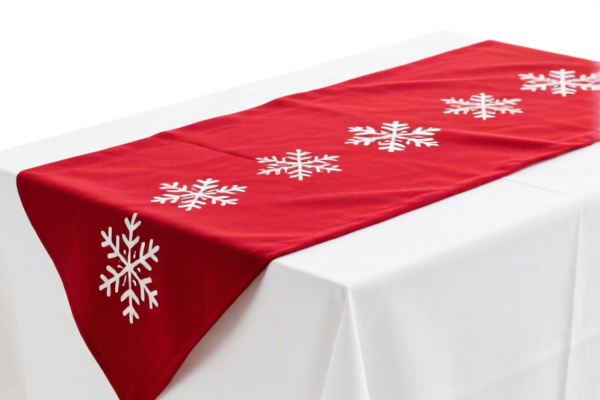
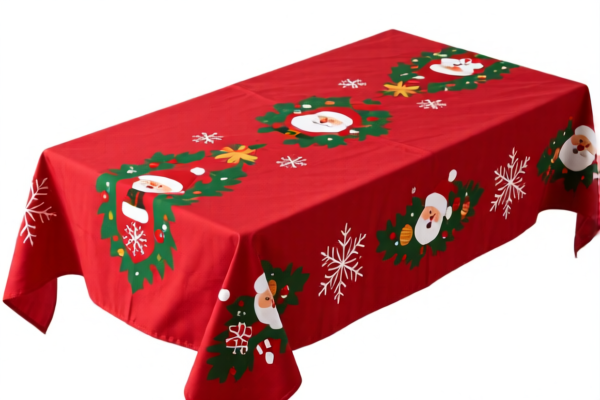
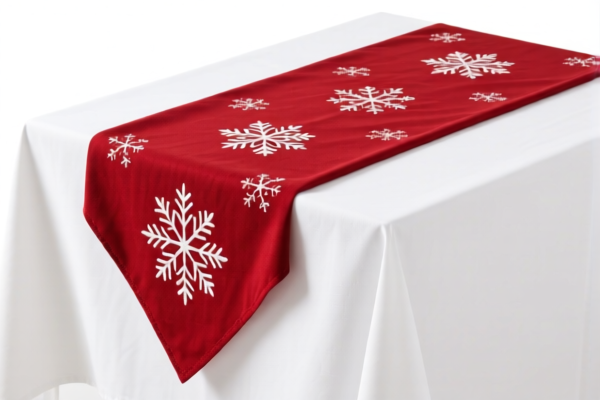
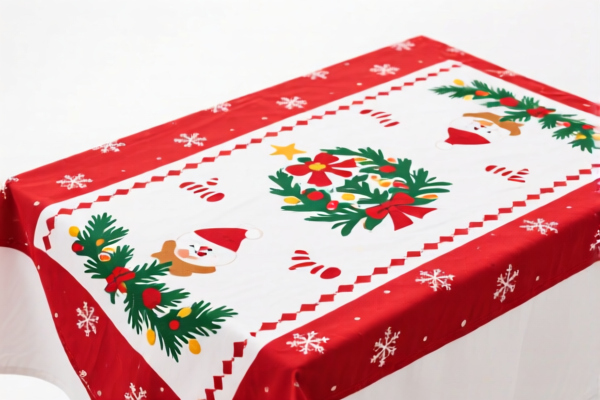
AI Analysis
🎄 Christmas Costumes & Festive Apparel (Holiday Attire)
🌐 HS Code Reference & Clearance Guide | 2026 Latest Tariff Analysis | Professional Customs Strategy
📌 I. Product Definition & Classification: Do You Really Understand "Christmas Costumes"?
Christmas costumes refer to festive garments worn for holiday celebrations, including Santa suits, reindeer outfits, elf dresses, and other thematic apparel. In international trade, these items are primarily classified based on their material composition and garment type. The core question is: Are they "festive decorations" (Chapter 95) or "textile garments" (Chapter 61/62)?
Key Classification Logic: - Textile Garments (Ch. 61/62): If the item is a wearable piece of clothing made of fabric (cotton, synthetic fibers, etc.), it generally falls under apparel chapters. - Festive Articles (Ch. 95): If the item is specifically designed as a "decorative prop" or strictly falls under "Festive, Carnival or Other Entertainment Articles," it may be classified under Chapter 95, which often carries lower base tariffs.
⚠️ Critical Distinction:
- If it is a wearable costume (e.g., a polyester suit) → Likely 6114/6211 categories.
- If it is marketed specifically as festive decoration/prop → Possible 9505 category.
- Note: Customs authorities often scrutinize Chapter 95 classifications for apparel, requiring strong evidence of "festive intent" over "garment utility."
📦 II. HS Code Classification Details (2026 Latest Tariff Authority Comparison)
Based on the provided data, here are the four possible classifications and their rationales:
| HS Code | Product Description | Rationale for Classification | Material/Type Inference |
|---|---|---|---|
6211.33.90.10 |
Other garments, man-made fibers, for men/boys | Fits "garment" attributes; reasonable match for other categories under this subheading. | Synthetic fibers, woven apparel |
6211.43.10.92 |
Other garments, man-made fibers, for women/girls | Other apparel category; form and use conform; assumed to be fibrous/fabric-based with no conflict. | Synthetic fibers, woven apparel |
6114.30.30.44 |
Other garments, knitted/crocheted, of man-made fibers | Matches form and use; inferred as fiber-based制品; consistent with "other" fallback category for onesies/workwear-like items. | Synthetic fibers, knitted apparel |
6211.32.90.81 |
Other garments, cotton, for men/boys | Inferred as cotton or blended fabric finished product; fits the "other" category for cotton men's/boys' apparel. | Cotton/Blended, woven apparel |
9505.10.50.20 |
Festive, carnival or other entertainment articles | Product use is Christmas celebration; inferred textile/synthetic material does not conflict with festive article scope. | Festive Prop/Costume |
🔍 Key Insight:
- Codes6211and6114classify these as apparel.
- Code9505classifies this as a festive article.
- Tariff Discrepancy: Chapter 95 has a significantly lower base tariff (0%) compared to Chapter 61/62 (8%-16%).
💰 III. 2026 Latest Tariff Rate Breakdown (Including Surtaxes & Policy Add-ons)
✅ Applicable Country: USA (US)
✅ Origin: China (CN)
✅ Effective Date: Includes imports from November 10, 2025 onwards.
🎯 1. High Tariff Scenario: Garment Classifications (Ch. 61/62)
(Applies to HS Codes: 6211.33.90.10, 6211.43.10.92, 6114.30.30.44, 6211.32.90.81)
| Project | Details |
|---|---|
| Base Tariff | 8.1% – 16.0% (ad valorem) depending on fiber/cotton vs. synthetic & gender |
| Section 301 Surtax | +7.5% (Standard USITC Section 301 duty on Chinese textiles/apparel) |
| 122 Provision Surtax | +10% (Specific additional duty under Section 122) |
| Total Effective Tax Rate | 32.4% – 33.5% |
| Tax Calculation | CIF Value × Total Rate |
| De Minimis Exemption? | ❌ Not Applicable (High value/duty rates typically exclude small package de minimis benefits in strict interpretations, or are explicitly denied for these codes) |
| Legal Basis Path | USITC:6211/6114 → FOOTNOTE:Section 301 → SECTION 122 |
📌 Explanation:
- Base Tariff: Varies by material. Cotton (6211.32) is cheaper (8.1%) than synthetic (6211.33,6211.43,6114.30) which ranges from 14.9% to 16.0%.
- Surtaxes: Fixed at 7.5% (301) + 10% (122) = 17.5% additive burden.
- Result: Even the "cheapest" garment classification (6211.32) totals 25.6%, while others hit 32.4%-33.5%.
🎯 2. Low Tariff Scenario: Festive Article Classification (Ch. 95)
(Applies to HS Code: 9505.10.50.20)
| Project | Details |
|---|---|
| Base Tariff | 0.0% (ad valorem) |
| Section 301 Surtax | 0.0% (Chapter 95 items often exempt from standard textile 301 lists) |
| 122 Provision Surtax | +10% |
| Total Effective Tax Rate | 10.0% |
| Tax Calculation | CIF Value × 10% |
| De Minimis Exemption? | ❌ Not Applicable (Based on provided data, still subject to 122 clause) |
| Legal Basis Path | USITC:9505.10.50.20 → SECTION 122 |
📌 Note:
- This is the most tax-efficient classification.
- Risk: Customs may challenge this if the item is clearly a standard garment (e.g., a plain red dress) rather than a specific "costume" or "prop."
- Savings: Up to 23.5 percentage points lower than the highest garment classification.
🛠️ IV. Customs Clearance Practical Advice (Battle-Tested Pitfall Avoidance)
✅ 1. Documentation Checklist (Non-Negotiable)
| Document | Required | Explanation |
|---|---|---|
| ✅ Product Photos | ✔️ | Clear images showing festive motifs (Santa, Reindeer, etc.) to support Ch. 95 classification if claimed. |
| ✅ Commercial Invoice | ✔️ | Must accurately describe the item. If claiming 9505, use terms like "Festive Costume" or "Holiday Prop" rather than just "Shirt." |
| ✅ Material Composition Label | ✔️ | Essential for Ch. 61/62 codes to determine cotton vs. synthetic base rates. |
| ✅ Usage Description | ✔️ | "For holiday party entertainment," "Decorative costume," etc., to bolster Chapter 95 argument. |
| ✅ Customs Ruling (Optional but Recommended) | ✔️ | Pre-classification ruling to confirm 9505 eligibility avoids post-clearance audits. |
✅ 2. Declaration Strategy (Key Mantras)
🔥 "Costume or Clothing? Define Use, Save Money!"
| Scenario | Correct Declaration Strategy | Incorrect Action |
|---|---|---|
| Clearly Themed Costume (e.g., Elf suit with hat/ears) | Declare as 9505.10.50.20 (Festive Article) |
Declaring as generic apparel (6211) → Higher Tax (33.5%) |
| Generic Red Shirt (No festive motif) | Declare as 6211.33.90.10 (Garment) |
Claiming 9505 → Customs Rejection/Retrospective Tax |
| Cotton vs. Synthetic | Ensure label matches HS Code base rate | Mismatched material → Penalty + Back Duties |
| Bundle Deal (Costume + Props) | Separate items if possible | Bundling high-tariff apparel with low-tariff props → Complex Audit |
✅ 3. Special Case Handling
| Situation | Handling Advice |
|---|---|
| OEM/White Label Costumes | Provide design sketches showing festive elements to justify Chapter 95. |
| Knitted vs. Woven | 6114 is knitted, 6211 is woven. Misclassification here changes the base tariff significantly. Check fabric structure. |
| Children’s Wear | Subheadings for boys/girls (6211.3... vs 6211.4...) must match the intended wearer to avoid duty disputes. |
| High Value Items | With a 10% base on Ch. 95 vs 16%+ on Ch. 62, the savings are substantial on high-value bulk shipments. |
🌍 V. Global Market Clearance Comparison (2026 Latest)
| Country/Region | Recommended HS Code | Tariff (China Origin) | Certification Requirements | Notes |
|---|---|---|---|---|
| 🇺🇸 USA | 9505.10.50.20 |
10.0% | No special cert. | Best Option if eligible. If apparel, expect 32-33.5%. |
| 🇺🇸 USA | 6211.33.90.10 |
33.5% | None | High duty due to 301 + 122 clauses. |
| 🇪🇺 EU | 6211.43 |
~12-16% | CE (if safety gear), REACH | No Section 301 equivalent. |
| 🇨🇦 Canada | 9505.10 |
0-5% | None | Often more lenient on festive articles. |
📌 Conclusion:
- USA is the critical market where HS Code selection impacts cost by up to 23.5%.
- Chapter 95 (9505) is the optimal strategy for Christmas costumes in the US, provided the item can be legitimately classified as a "festive article" rather than a general garment.
📌 VI. Common Errors & Pitfall Guide (Lessons Learned from Blood & Tears)
❌ Error 1: Declaring a festive suit as a generic "Men's Shirt" (6211.33)
👉 Consequence: Pay 33.5% instead of 10%. Loss of 23.5% margin.
❌ Error 2: Declaring a plain red T-shirt as "Christmas Costume" (9505)
👉 Consequence: Customs rejects the 9505 claim, reassesses as apparel, and applies back duties + penalties.
❌ Error 3: Ignoring the "122 Clause"
👉 Consequence: Forgetting the +10% surtax in cost calculations leads to underquoting and cash flow issues.
❌ Error 4: Confusing Knitted (6114) and Woven (6211)
👉 Consequence: Material mismatch leads to classification errors and potential seizure.
✅ Correct Practice:
"Elf Costume, Polyester, Knitted, For Holiday Party Use, Model XYZ"
(Emphasizes "Costume," "Holiday Party Use" to support Ch. 95)
🎯 VII. Conclusion: Professional Declaration, Time & Cost Saving!
🎯 Remember the Mantra:
🔹 "Costume vs. Clothes? Festive Use Defines the Rate!"
🔹 "Ch. 95 is 10%, Ch. 62 is 33%. One word changes your profit!"
📌 Pro Tip:
If you are unsure whether your item qualifies as a "festive article" (9505) vs. "garment" (6211), request a Binding Tariff Information (BTI) or Advance Ruling from Customs before shipping. The potential savings of ~23% on high-volume Christmas goods make this step crucial.
📣 Immediate Action:
📞 Contact a licensed customs broker.
📸 Provide clear photos of the festive design.
🚀 Secure the 10% rate, avoid the 33.5% trap!
✨ Professional clearance starts with precise classification!
💼 Every percentage point counts in your bottom line!
Customer Reviews
About HS Code Classification
The Harmonized System (HS) is an internationally standardized nomenclature developed by the World Customs Organization (WCO) to classify traded products. Over 200 countries use the HS system as the basis for customs tariffs, trade statistics, and import/export regulations.
Each HS code follows a hierarchical structure:
- Chapter (2 digits) — Broad category of goods (e.g., Chapter 84: Machinery and Mechanical Appliances)
- Heading (4 digits) — More specific grouping within the chapter
- Subheading (6 digits) — Internationally standardized breakdown, used by all WCO member countries
- National subdivisions (8-10 digits) — Country-specific extensions for further classification, such as US HTSUS 10-digit codes
Correct HS code classification is essential for smooth customs clearance, accurate duty payment, and compliance with trade regulations. Misclassification can lead to customs delays, overpayment of duties, or penalties.
When importing from CN to US, the applicable tariff rates may include:
- Most-Favored-Nation (MFN) rate — The standard duty rate applied to WTO members
- General rate — Applied to countries without trade agreements
- Trade remedy duties — Additional tariffs such as Section 301 (anti-dumping), Section 232 (national security), or countervailing duties
The information provided on this page is for reference purposes only. For official classification, please consult with your local customs authority or a licensed customs broker.