塑料剪刀
CN → US| HS Code | Tariff Rate | Origin | Destination | Doc |
|---|---|---|---|---|
| 3924104000 | 13.4% | CN | US | Official Doc |
| 3924102000 | 24.0% | CN | US | Official Doc |
| 8211924060 | 0.0% | CN | US | Official Doc |
| 3926909989 | 22.8% | CN | US | Official Doc |
| 3926909910 | 22.8% | CN | US | Official Doc |
Product Images
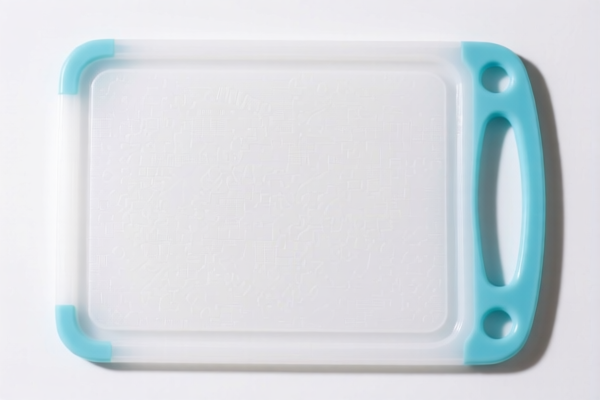

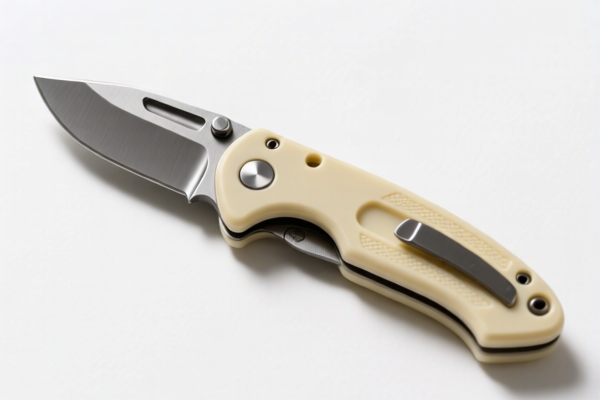
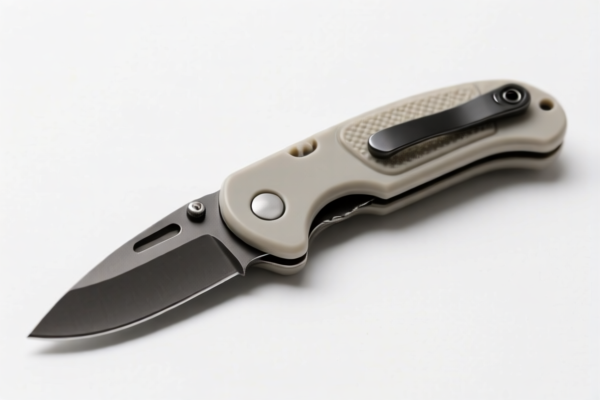
AI Analysis
✂️ Plastic-Handled Scissors (Fixed-Blade Cutlery with Plastic Handles)
🌐 HS Code Reference & Customs Clearance Guide | 2026 Updated Tariff Breakdown | Pro-Level Import Strategy
📌 One, Product Definition & Classification: What Exactly Is a "Plastic Scissors"?
A plastic-handled scissors is a fixed-blade cutting tool designed for kitchen, office, or household use, featuring:
- A rigid, non-removable blade (not a folding or adjustable type);
- A plastic handle (non-metallic, molded or injection-molded);
- Intended for cutting paper, plastic film, packaging, fabric, or light-duty materials;
- Not a surgical, industrial, or precision tool (those fall under different HS codes).
⚠️ Key Distinction:
- If the tool has only a plastic handle and a fixed metal blade, it's not a "plastic scissors" — it's a cutlery item with plastic handle → classified under 8211.92.40.60
- If it were fully made of plastic (blade included), it would fall under 3926.90.99.89 or 3926.90.99.10
📦 Two, HS Code Classification Details (2026 Official Tariff Table)
| HS Code | Product Description | Target Use Case | Handle Material | Blade Type |
|---|---|---|---|---|
8211.92.40.60 |
Fixed-blade cutlery with plastic handle, used for cutting (e.g., kitchen scissors, packaging scissors) | Kitchen, office, packaging, household | ✅ Plastic | 🔩 Fixed metal blade |
3924.10.40.00 |
Plastic kitchenware/utensils, not otherwise specified | Tableware, food prep tools | ✅ Plastic | ❌ No blade |
3924.10.20.00 |
Plastic tableware with utensil-like form (e.g., fork/spoon-shaped plastic items) | Cutlery-like plastic products | ✅ Plastic | ❌ No blade |
3926.90.99.89 |
Other plastic articles not specified elsewhere | General plastic items (non-utensil) | ✅ Plastic | ❌ No blade |
3926.90.99.10 |
Plastic articles in the category of plastic products | General plastic goods | ✅ Plastic | ❌ No blade |
🔍 Critical Insight:
- Only8211.92.40.60applies to scissors with a fixed blade and plastic handle — all others are for non-cutting plastic items.
- Even if the blade is metal, the plastic handle + fixed blade = 8211.92.40.60.
💰 Three, 2026 Updated Tariff Breakdown (With Detailed Tax Clauses)
✅ Applicable Country: United States (US)
✅ Origin: China (CN)
✅ Effective Date: November 10, 2025 (inclusive)
🎯 1. 8211.92.40.60 — Fixed-Blade Scissors with Plastic Handle
| Item | Detail |
|---|---|
| Base Duty Rate | 1¢ per unit + 4.6% ad valorem |
| Additional Tariff (Section 301) | 0% |
| Section 122 Tariff (IEEPA) | 10% |
| Total Effective Duty | 1¢ each + 4.6% + 10.0% = 14.6% |
| Tax Calculation Method | (CIF Value × 14.6%) + 1¢ per unit |
| De Minimis Threshold | ❌ Not applicable (exceeds 1% de minimis) |
| Legal Basis Path | IEEPA:9903.01.24 → Section 122: 8211.92.40.60 → Base: 1¢ + 4.6% |
📌 Explanation: - "1¢ each" = per-unit fixed fee (applies regardless of value); - 4.6% ad valorem = based on the product’s CIF value; - 10% IEEPA (Section 122) = imposed under the International Emergency Economic Powers Act for goods from China; - Total = 14.6% (on top of base duty), not 10% — the 10% is added on top of the 4.6%, not a multiplier.
🚨 Warning:
- Do not assume "10% tariff" = total — this is 14.6% total, not 10%. - Even low-value items (e.g., $10/unit) will incur $1.46 + $0.01 = $1.47/unit in duties.
🛠️ Four, Customs Clearance Best Practices (Pro Tips to Avoid Delays)
✅ 1. Required Documentation (Must-Have Checklist)
| Document | Required? | Notes |
|---|---|---|
| ✅ Commercial Invoice | ✔️ | Must clearly state: “Fixed-blade scissors with plastic handle, for kitchen/household use” |
| ✅ Packing List | ✔️ | Include unit count, weight, and packaging type |
| ✅ Product Photos (with handle & blade) | ✔️ | Show material, blade type, and construction |
| ✅ Product Specification Sheet | ✔️ | Confirm blade is fixed, handle is plastic, no folding mechanism |
| ✅ Origin Certificate (CO) | ✔️ | If from non-China country, may qualify for lower tariff |
| ✅ Test Report (if applicable) | ✔️ | FDA/CPSC (for food contact), RoHS, etc. |
| ✅ HS Code Pre-Ruling Request | ✔️ | Recommended for high-volume shipments |
✅ 2.申报技巧(Key Rules of Thumb)
🔥 “Handle Matters, Blade Matters, No Folding = 8211.92.40.60”
| Scenario | Correct HS Code | Wrong Code | Risk |
|---|---|---|---|
| Plastic handle + fixed metal blade | 8211.92.40.60 |
3924.10.40.00 |
High risk of audit & penalty |
| Fully plastic scissors (blade included) | 3926.90.99.89 |
8211.92.40.60 |
Wrong classification |
| Folding scissors (metal handle) | 8211.92.40.60 |
8211.92.40.60 |
✅ Correct (if plastic handle) |
| Plastic fork/spoon-shaped item | 3924.10.20.00 |
8211.92.40.60 |
Wrong — no blade |
✅ Correct Product Description Example:
“Kitchen Scissors, Fixed Blade, Plastic Handle, 7-inch, for Cutting Packaging, Food, and Paper — Model XYZ, FCC/CPSC Compliant”
✅ 3. Special Cases & Workarounds
| Situation | Recommended Action |
|---|---|
| Scissors with metal handle but plastic grip | Still 8211.92.40.60 — only the primary handle material matters |
| Scissors used for medical packaging | Still 8211.92.40.60 — unless it’s a surgical-grade tool |
| Scissors from Vietnam/Mexico | May qualify for IEEPA exemption → 0% Section 122 tariff → Only 1¢ + 4.6% |
| High-volume importers | Apply for Advance Ruling (Pre-Ruling) to lock in tariff rate |
🌍 Five, Global Customs Comparison (2026)
| Country/Region | Recommended HS Code | Base Duty | Additional Taxes | Notes |
|---|---|---|---|---|
| 🇺🇸 United States | 8211.92.40.60 |
1¢ + 4.6% | +10% (IEEPA) | Total: 14.6% |
| 🇨🇳 China | 8211.92.40.60 |
5% | None | No 122 tariff |
| 🇪🇺 EU | 8211.92.40.60 |
0% (if CE) | None | No 122 tariff |
| 🇦🇺 Australia | 8211.92.40.60 |
5% | None | No 122 tariff |
| 🇯🇵 Japan | 8211.92.40.60 |
0% | None | No 122 tariff |
📌 Key Takeaway:
- Only the US applies the 10% IEEPA tariff on Chinese-origin scissors with plastic handles; - Non-China origin (e.g., Vietnam, Mexico) can avoid the 10% → only pay 1¢ + 4.6%.
📌 Six, Common Mistakes & Pitfalls (Avoid These!)
❌ Mistake 1: Declaring plastic-handled scissors as 3924.10.40.00 (plastic kitchenware)
👉 Result: Wrong HS code → duty underpayment, penalties, delayed clearance
❌ Mistake 2: Assuming “10% tariff” = total duty
👉 Result: Underestimating cost → profit loss, cash flow shock
❌ Mistake 3: Not disclosing the blade is fixed
👉 Result: Customs may reclassify as “folding scissors” → different tariff
❌ Mistake 4: Using “plastic scissors” as product name without clarifying blade type
👉 Result: Misleading → audit risk
✅ Correct Approach:
“Plastic-Handled Kitchen Scissors, Fixed Blade, 7-inch, for Food & Packaging — Model ABC, 1¢ + 4.6% + 10% IEEPA”
🎯 Seven, Final Verdict: Precision Matters!
🎯 Remember the Golden Rule:
🔹 “Plastic handle + fixed blade = 8211.92.40.60”
🔹 “10% is not the total — it’s added to 4.6% + 1¢”
🔹 “China origin = 14.6% total; Vietnam/Mexico = 4.6% + 1¢”
📌 Pro Tip:
If you’re importing over 1,000 units/month, apply for a pre-ruling from U.S. Customs. It locks in the HS code and tariff — no surprises.
📣 Act Now!
📞 Contact a U.S. Customs Broker + Submit product photos + Request HS Code Pre-Ruling
🚀 Avoid delays, penalties, and overpayment — ship smarter, not harder!
✨ Expert Advice:
Your HS code isn’t just a number — it’s your profit margin, compliance shield, and export passport.
🔍 Get it right the first time — or pay the price.
Customer Reviews
About HS Code Classification
The Harmonized System (HS) is an internationally standardized nomenclature developed by the World Customs Organization (WCO) to classify traded products. Over 200 countries use the HS system as the basis for customs tariffs, trade statistics, and import/export regulations.
Each HS code follows a hierarchical structure:
- Chapter (2 digits) — Broad category of goods (e.g., Chapter 84: Machinery and Mechanical Appliances)
- Heading (4 digits) — More specific grouping within the chapter
- Subheading (6 digits) — Internationally standardized breakdown, used by all WCO member countries
- National subdivisions (8-10 digits) — Country-specific extensions for further classification, such as US HTSUS 10-digit codes
Correct HS code classification is essential for smooth customs clearance, accurate duty payment, and compliance with trade regulations. Misclassification can lead to customs delays, overpayment of duties, or penalties.
When importing from CN to US, the applicable tariff rates may include:
- Most-Favored-Nation (MFN) rate — The standard duty rate applied to WTO members
- General rate — Applied to countries without trade agreements
- Trade remedy duties — Additional tariffs such as Section 301 (anti-dumping), Section 232 (national security), or countervailing duties
The information provided on this page is for reference purposes only. For official classification, please consult with your local customs authority or a licensed customs broker.