塑料外底和鞋面
CN → US| HS Code | Tariff Rate | Origin | Destination | Doc |
|---|---|---|---|---|
| 6405909030 | 22.5% | CN | US | Official Doc |
| 6402993115 | 16.0% | CN | US | Official Doc |
| 6402993145 | 16.0% | CN | US | Official Doc |
| 6405909060 | 22.5% | CN | US | Official Doc |
| 6402996915 | 58.0% | CN | US | Official Doc |
Product Images
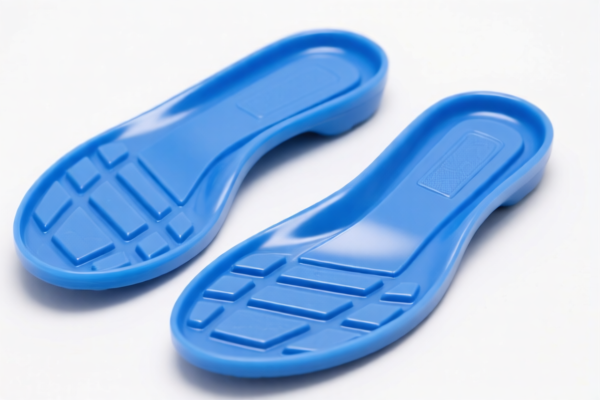
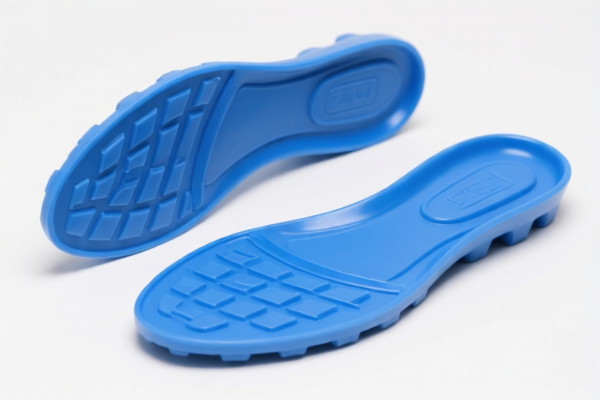
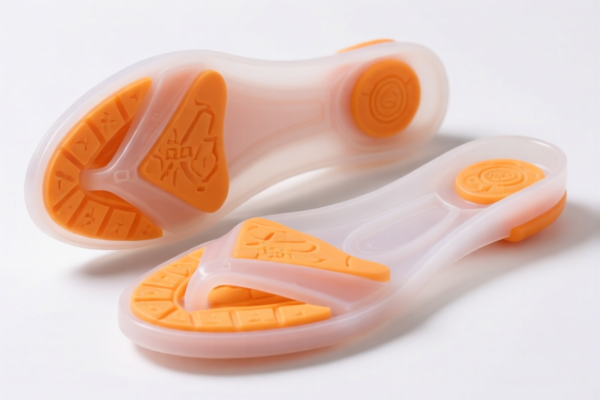
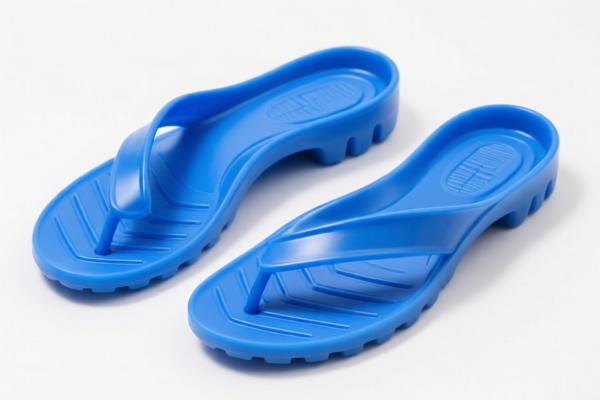
AI Analysis
👟 Shoes with Outer Soles and Uppers of Plastic (Plastic-Structured Footwear)
🌐 HS Code Reference & Customs Clearance Guide | 2026 Latest Tariff Analysis | Professional Entry Strategy
📌 I. Product Definition & Classification: Do You Really Understand "Plastic Shoes"?
In international trade, footwear is primarily classified by material and construction. "Shoes with outer soles and uppers of plastic" refers to footwear where the primary structural components (the sole touching the ground and the upper part covering the foot) are made predominantly of plastic materials (PVC, PU, EVA, TPR, etc.).
These are distinct from rubber-soled shoes, leather-soled shoes, or textile-uppers. The key determinant for classification is the material composition of the sole and the upper.
⚠️ Key Distinction Point:
- If both the outer sole AND the upper are primarily plastic → Classify under Chapter 64, Heading 6402.
- If the sole is plastic but the upper is textile/leather → May fall under 6403, 6404, or 6405 depending on specific construction.
- If the sole is rubber/leather but the upper is plastic → Generally not "plastic footwear" in the strict tariff sense unless specified by local customs rulings.
📦 II. HS Code Classification Details (2026 Latest Tariff Authority Comparison)
Based on the provided data for products originating from China entering the US market, here are the specific HS Codes and their corresponding tax structures:
| HS Code | Product Description (Summary) | Applicability / Material Requirement | Total Tax Rate |
|---|---|---|---|
6402.99.31.15 |
Plastic outer sole and upper, meeting general rubber/plastic footwear material requirements | General plastic footwear | 16.0% |
6402.99.31.45 |
Plastic outer sole and upper, >90% of upper surface area is plastic | High plastic content in upper | 16.0% |
6405.90.90.30 |
Plastic outer sole and upper, other shoe material attributes met | Other plastic shoes (not strictly 6402) | 22.5% |
6405.90.90.60 |
Plastic outer sole and upper, other "catch-all" shoe category | General catch-all for non-standard plastic shoes | 22.5% |
6405.20.90.15 |
Plastic outer sole slippers | Specific to Slippers with plastic sole | 22.5% |
🔍 Key Insight:
- 6402 codes (.15and.45) generally carry a lower base tax (6%) because they are more precisely defined as "rubber or plastic" footwear.
- 6405 codes (.30,.60,.15) carry a higher base tax (12.5%) as they often fall under "other" or specific sub-categories like slippers that don't meet the strict 6402 definition.
💰 III. 2026 Latest Tariff Rate Breakdown (Including Surcharges & Policy Add-ons)
✅ Applicable Country: USA (US)
✅ Origin: China (CN)
✅ Effective Date: 2025 Nov 10 onwards (for imports after this date)
🎯 1. 6402.99.31.15 & 6402.99.31.45 —— General Plastic Footwear
| Item | Detail |
|---|---|
| Base Tariff | 6.0% (Standard MFN rate) |
| Section 301 Surcharge | 0.0% (No additional 25% tariff for these specific sub-headings in this dataset) |
| Section 122 Tariff | +10.0% (Specific tariff on footwear from China) |
| Total Tax Rate | 16.0% |
| Tax Calculation | CIF Value × 16% |
| De Minimis Exemption | ❌ Not Eligible (High value goods usually excluded, check current $800 threshold rules) |
| Legal Basis Path | HTSUS:6402.99.31.15 → USITC Footnote 122 |
📌 Explanation:
- The 6% base rate is favorable for plastic footwear classified under 6402.
- The 10% Section 122 tariff is a significant add-on for Chinese-origin footwear.
- Total 16% is moderate compared to other categories (like 22.5%), making 6402 codes more cost-effective if the product qualifies.
🎯 2. 6405.90.90.30, 6405.90.90.60, 6405.20.90.15 —— Other/Catch-all Plastic Shoes
| Item | Detail |
|---|---|
| Base Tariff | 12.5% |
| Section 301 Surcharge | 0.0% |
| Section 122 Tariff | +10.0% |
| Total Tax Rate | 22.5% |
| Tax Calculation | CIF Value × 22.5% |
| De Minimis Exemption | ❌ Not Eligible |
| Legal Basis Path | HTSUS:6405.90.90.xx → USITC Footnote 122 |
📌 Explanation:
- The 12.5% base rate is higher than the 6% for 6402 codes.
- Combined with the 10% Section 122 tariff, the total 22.5% is significantly higher.
- Slippers (6405.20.90.15) are specifically taxed at this higher rate, regardless of plastic content.
🛠️ IV. Customs Clearance Practical Advice (Pitfall Avoidance Guide)
✅ 1. Documentation Checklist (Mandatory)
| Document | Required | Notes |
|---|---|---|
| ✅ Product Composition Report | ✔️ | Must specify % of plastic in sole and upper. Critical for distinguishing 6402 vs 6405. |
| ✅ Material Safety Data Sheet (MSDS) | ✔️ | For PVC/PU materials to ensure compliance with environmental standards. |
| ✅ Product Photos (Labeled) | ✔️ | Show sole texture, upper material close-up, and label. |
| ✅ Commercial Invoice | ✔️ | Clearly state "Shoes, Plastic Outer Sole and Upper" and HS Code. |
| ✅ Packing List | ✔️ | Include carton dimensions and weights. |
| ✅ Certificate of Origin | ✔️ | To confirm Chinese origin (triggers Section 122 tariff). |
✅ 2. Classification Strategy (Key Rules)
🔥 "Sole+Upper = Plastic? Check 6402 First. If >90% Upper is Plastic, Use .45. If General Plastic, Use .15. If Slipper, Use 6405.20."
| Scenario | Recommended HS Code | Reason |
|---|---|---|
| Standard plastic sandals/shoes | 6402.99.31.15 |
Meets general plastic footwear criteria |
| High plastic content upper (>90%) | 6402.99.31.45 |
Meets specific material requirement for lower base tax |
| Slippers with plastic sole | 6405.20.90.15 |
Specific to slippers; higher tax but accurate |
| Other plastic shoes (mixed materials) | 6405.90.90.30 or 6405.90.90.60 |
Fallback categories; higher tax |
✅ 3. Special Case Handling
| Situation | Handling Advice |
|---|---|
| Mixed Material Shoes | If upper is 80% plastic and 20% textile, still likely 6402 if plastic is dominant. Provide test reports. |
| OEM/White Label | Ensure invoices match the physical product. Mislabeling can lead to penalties. |
| Holiday Season Imports | Plan ahead for customs delays. Section 122 tariffs apply year-round. |
| De Minimis Value | Even if under $800, check if Section 122 tariffs apply to de minimis entries (often yes for China). |
🌍 V. Global Market Comparison (2026)
| Country/Region | Recommended HS Code | Tariff (China Origin) | Certification | Notes |
|---|---|---|---|---|
| 🇺🇸 USA | 6402.99.31.15 |
16.0% | No specific | Section 122 applies. |
| 🇨🇳 China | 6402.99.31.15 |
~6-10% | CCC (if applicable) | Lower export tax. |
| 🇪🇺 EU | 6402.99.00 |
~2.5% | REACH, CE | No Section 122 equivalent. |
| 🇬🇧 UK | 6402.99.00 |
~2.5% | UKCA | Post-Brexit rules apply. |
| 🇦🇺 Australia | 6402.99.00 |
~5% | ACMA (if electronics) | No major surcharges. |
📌 Conclusion:
- USA has the highest effective tariff (16-22.5%) due to Section 122.
- EU and UK are more favorable with lower base tariffs.
- Cost Optimization: If possible, classify correctly under6402.99.31.15to save 6.5% vs6405categories.
📌 VI. Common Mistakes & Pitfalls (Lessons Learned)
❌ Mistake 1: Classifying all plastic shoes under 6405 instead of 6402.
👉 Result: Pay 22.5% instead of 16%. Loss of 6.5% profit margin.
❌ Mistake 2: Ignoring the "Slipper" distinction.
👉 Result: Slippers are classified under 6405.20, not 6402. Misclassification leads to penalties.
❌ Mistake 3: Failing to provide material composition reports.
👉 Result: Customs may reclassify the product, leading to delays and higher assessed taxes.
❌ Mistake 4: Assuming "Plastic" means "Rubber".
👉 Result: Rubber-soled shoes (6402.99.19) have different tariff structures. Confusion can lead to incorrect declarations.
✅ Correct Approach:
"Plastic Outer Sole and Upper Shoes, PVC Material, Upper Surface >90% Plastic, Model ABC, Non-Slip Sole"
🎯 VII. Conclusion: Precision Classification Saves Money!
🎯 Remember These Rules:
🔹 "6402 is king for plastic shoes – save 6.5%."
🔹 "Slippers go to 6405 – higher tax, but accurate."
🔹 "Section 122 adds 10% – always plan for it."
🔹 "Provide material reports – avoid customs headaches."
📌 Pro Tip:
If your plastic shoes are not from China (e.g., Vietnam, India), you avoid the Section 122 tariff, reducing the total tax to just the base rate (6% or 12.5%).
Consider supply chain diversification if targeting the US market with high-volume plastic footwear.
📣 Action Item:
📞 Consult a Customs Broker to verify your product's exact material breakdown.
📄 Request a Pre-Ruling from US CBP if unsure about 6402 vs 6405 classification.
🚀 Optimize your tariff burden with correct HS Code selection!
✨ Accurate Classification Starts with the Right HS Code!
💼 Every Percentage Point Counts in International Trade!
Customer Reviews
About HS Code Classification
The Harmonized System (HS) is an internationally standardized nomenclature developed by the World Customs Organization (WCO) to classify traded products. Over 200 countries use the HS system as the basis for customs tariffs, trade statistics, and import/export regulations.
Each HS code follows a hierarchical structure:
- Chapter (2 digits) — Broad category of goods (e.g., Chapter 84: Machinery and Mechanical Appliances)
- Heading (4 digits) — More specific grouping within the chapter
- Subheading (6 digits) — Internationally standardized breakdown, used by all WCO member countries
- National subdivisions (8-10 digits) — Country-specific extensions for further classification, such as US HTSUS 10-digit codes
Correct HS code classification is essential for smooth customs clearance, accurate duty payment, and compliance with trade regulations. Misclassification can lead to customs delays, overpayment of duties, or penalties.
When importing from CN to US, the applicable tariff rates may include:
- Most-Favored-Nation (MFN) rate — The standard duty rate applied to WTO members
- General rate — Applied to countries without trade agreements
- Trade remedy duties — Additional tariffs such as Section 301 (anti-dumping), Section 232 (national security), or countervailing duties
The information provided on this page is for reference purposes only. For official classification, please consult with your local customs authority or a licensed customs broker.