塑料实验室移液管
CN → US| HS Code | Tariff Rate | Origin | Destination | Doc |
|---|---|---|---|---|
| 3926909910 | 22.8% | CN | US | Official Doc |
| 3917290090 | 38.1% | CN | US | Official Doc |
| 9018390050 | 10.0% | CN | US | Official Doc |
| 3926909989 | 22.8% | CN | US | Official Doc |
| 3917390050 | 13.1% | CN | US | Official Doc |
| 9018390040 | 10.0% | CN | US | Official Doc |
Product Images
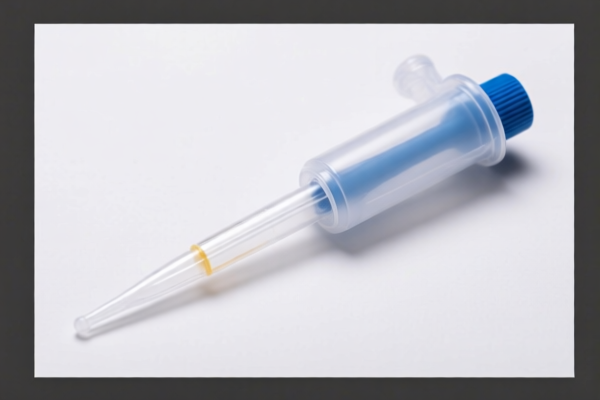
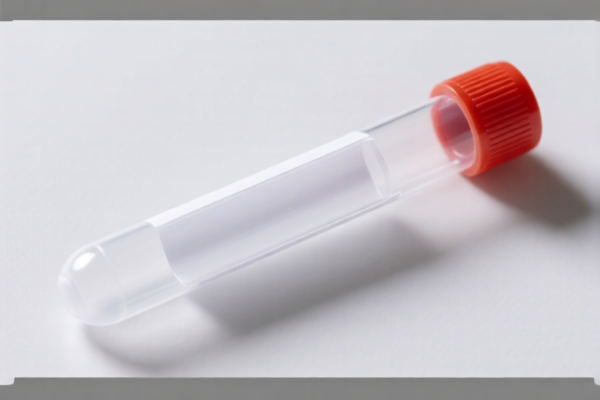
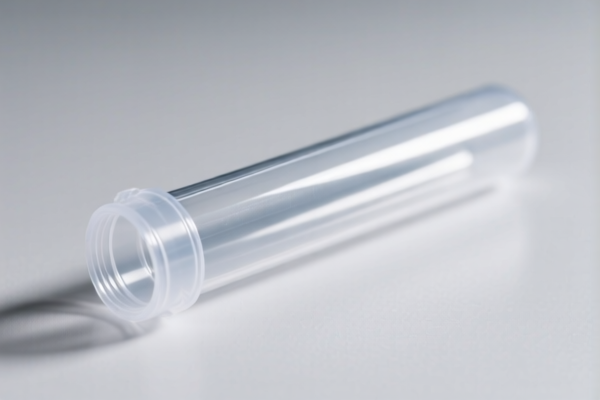
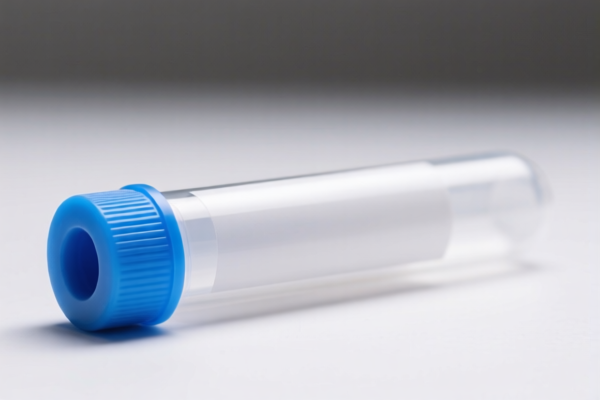
AI Analysis
🧪 Plastic Laboratory Pipettes – HS Code & Tariff Guide (2026 Update)
🌐 HS Code Classification & Customs Clearance Strategy | 2026 Latest Tariff Rules | Expert-Level Compliance
📌 One Product, Multiple Codes — Why? Let’s Break It Down!
You're shipping plastic laboratory pipettes — but not all pipettes are created equal in customs. The key lies in material, shape, function, and structure. Depending on these, your product could fall under different HS codes, each with wildly different tariffs — from 10% to 38.1%.
⚠️ Critical Insight:
- If it’s a simple plastic tube used for transferring liquid → likely 3926.90.99.10 / 3926.90.99.89
- If it’s a rigid plastic tube with a specific shape → may be 3917.29.00.90 / 3917.39.00.50
- If it’s a flexible plastic conduit used in labs or medical devices → could be 9018.39.00.40 / 9018.39.00.50
Let’s dive into the exact breakdown based on real data.
📦 二、HS Code Classification Breakdown (2026 Official Tariff Data)
| HS Code | Product Description | Key Features | Tax Rate | Legal Basis |
|---|---|---|---|---|
3926.90.99.10 |
Plastic material, used for laboratory pipetting tools | Rigid or semi-rigid, non-sterile, single-use | 22.8% | Base: 5.3%, +7.5% (Additional), +10% (Section 122) |
3926.90.99.89 |
Plastic, pipette-type, classified as other plastic products | General-purpose plastic lab tool, non-specific | 22.8% | Same as above: 5.3% + 7.5% + 10% |
3917.29.00.90 |
Plastic, tubular shape, fits “other rigid tubes” category | Hard plastic tube, not for fluid transport | 38.1% | Base: 3.1%, +25.0% (Additional), +10% (Section 122) |
3917.39.00.50 |
Plastic, tubular structure, fits “other” category | Flexible or semi-flexible tube, non-rigid | 13.1% | Base: 3.1%, +0.0%, +10% (Section 122) |
9018.39.00.40 |
Plastic, medical/lab use flexible conduit, non-rubber | Used in lab equipment, not rubber-based | 10.0% | Base: 0.0%, +0.0%, +10% (Section 122) |
9018.39.00.50 |
Plastic, flexible tubing, used in lab or medical settings | General-purpose plastic tube for fluid transfer | 10.0% | Base: 0.0%, +0.0%, +10% (Section 122) |
🔍 Why So Many Codes?
- 3926.90.99 → Covers general plastic lab tools (e.g., pipette tips, holders)
- 3917.29 / 3917.39 → Covers plastic tubes, but rigid vs. flexible matters!
- 9018.39.00 → For specialized conduits used in medical/lab instruments, even if plastic
💰 三、2026 Tariff Breakdown – Full Tax Clause Analysis
✅ Applicable Country: United States (US)
✅ Origin: China (CN)
✅ Effective Date: November 10, 2025 (and ongoing)
🎯 1. 3926.90.99.10 — Plastic Lab Pipette Tools
| Item | Detail |
|---|---|
| Base Duty | 5.3% (ad valorem) |
| Additional Tariff (Section 301) | +7.5% (from USITC) |
| Section 122 Tariff | +10% (from IEEPA – International Emergency Economic Powers Act) |
| Total Tariff | 22.8% |
| Tax Calculation | CIF Value × 22.8% |
| De Minimis Exemption? | ❌ No (denied) |
| Legal Path | IEEPA:9903.01.25 → USITC:3926.90.99.10 → FOOTNOTE:9903.88.01 |
📌 Explanation:
- This code applies to plastic lab tools that are not part of a larger instrument
- Even if it’s a pipette tip or holder, if it’s not a tube, it falls here
- The 10% Section 122 tariff is mandatory for all China-origin goods under IEEPA
🎯 2. 3926.90.99.89 — Other Plastic Lab Products (Including Pipettes)
| Item | Detail |
|---|---|
| Base Duty | 5.3% |
| Additional Tariff (Section 301) | +7.5% |
| Section 122 Tariff | +10% |
| Total Tariff | 22.8% |
| Tax Calculation | CIF × 22.8% |
| De Minimis? | ❌ No |
| Legal Path | Same as above |
📌 Key Difference:
- This is a catch-all for plastic lab items not covered elsewhere
- If your pipette is not rigid, not a tube, but used in lab work, this applies
- Same tax rate as 3926.90.99.10 — but broader scope
🎯 3. 3917.29.00.90 — Rigid Plastic Tubing (Hard Tubes)
| Item | Detail |
|---|---|
| Base Duty | 3.1% |
| Additional Tariff (Section 301) | +25.0% (highest in the list!) |
| Section 122 Tariff | +10% |
| Total Tariff | 38.1% |
| Tax Calculation | CIF × 38.1% |
| De Minimis? | ❌ No |
| Legal Path | IEEPA:9903.01.24 → USITC:3917.29.00.90 → FOOTNOTE:9903.88.01 |
📌 Why So High?
- This code is for rigid plastic tubes — if your pipette is stiff, non-flexible, and tube-shaped, it may fall here
- The 25% Section 301 tariff is extra-heavy — applies to all China-origin plastic tubes
- Warning: Misclassifying a rigid pipette as a “tool” could lead to underpayment and penalties
🎯 4. 3917.39.00.50 — Flexible Plastic Tubing (Non-Rigid)
| Item | Detail |
|---|---|
| Base Duty | 3.1% |
| Additional Tariff | 0.0% |
| Section 122 Tariff | +10% |
| Total Tariff | 13.1% |
| Tax Calculation | CIF × 13.1% |
| De Minimis? | ❌ No |
| Legal Path | IEEPA:9903.01.25 → USITC:3917.39.00.50 → FOOTNOTE:9903.88.01 |
📌 When to Use This?
- If your pipette is flexible, soft, or semi-rigid
- Common in multi-use lab tubing or connected systems
- No Section 301 tariff — much lower risk
🎯 5. 9018.39.00.40 & 9018.39.00.50 — Plastic Flexible Conduits (Lab/Medical Use)
| Item | Detail |
|---|---|
| Base Duty | 0.0% |
| Additional Tariff | 0.0% |
| Section 122 Tariff | +10% |
| Total Tariff | 10.0% |
| Tax Calculation | CIF × 10.0% |
| De Minimis? | ❌ No |
| Legal Path | IEEPA:9903.01.25 → USITC:9018.39.00.40/50 → FOOTNOTE:9903.88.01 |
📌 Best Case Scenario!
- These codes apply to plastic tubing used in lab or medical devices
- If your pipette is part of a system, or used in a larger instrument, this may be the lowest tax option
- Only 10% total — no Section 301 tariff
- But: Must prove it’s not a standalone tool — must be integrated into a system
🛠️ 四、Customs Clearance Tips (Real-World Pro Advice)
✅ 1. Documentation Checklist (MUST-HAVE)
| Document | Required? | Why It Matters |
|---|---|---|
| ✅ Product Specifications | ✔️ | Must clarify: rigid/flexible, material, shape |
| ✅ Technical Drawings / CAD Files | ✔️ | Prove structure (e.g., is it a tube or tool?) |
| ✅ High-Res Product Photos | ✔️ | Show material, rigidity, shape |
| ✅ Commercial Invoice | ✔️ | Must state: “Plastic Laboratory Pipette” or “Lab Tubing” |
| ✅ Certificate of Origin (CO) | ✔️ | If from China → triggers all tariffs |
| ✅ Test Reports (RoHS, FDA, ISO) | ✔️ | Helps prove medical/lab use |
| ✅ Packing List | ✔️ | Show if part of a kit or system |
✅ 2.申报技巧(申报口诀)
🔥 “结构定税,材料定码,管子看刚柔,工具看功能!”
| Scenario | Correct HS Code | Wrong Code | Risk |
|---|---|---|---|
| Rigid plastic pipette tip | 3926.90.99.10 |
3917.29.00.90 |
+15.3% tax |
| Flexible plastic tube | 3917.39.00.50 |
3926.90.99.89 |
+13.1% tax |
| Part of a lab system | 9018.39.00.50 |
3926.90.99.10 |
+12.8% tax |
| Single-use plastic pipette | 3926.90.99.10 |
3917.39.00.50 |
+9.7% tax |
✅ 3. Special Cases & Workarounds
| Situation | Solution |
|---|---|
| Pipette is part of a kit | Use 9018.39.00.50 — lower tax |
| Pipette is rigid but not a tube | Use 3926.90.99.10 — avoid 38.1% |
| Pipette is flexible and used in medical devices | Use 9018.39.00.40 — only 10% |
| Origin is Vietnam/Mexico | Apply for IEEPA exemption — 0% |
| High volume, repeat shipments | Apply for Advance Ruling (Pre-Ruling) — lock in code |
🌍 五、Global Market Comparison (2026)
| Country | Recommended HS Code | Tariff | Certification | Notes |
|---|---|---|---|---|
| 🇺🇸 USA | 3926.90.99.10 or 9018.39.00.50 |
10%–38.1% | FDA, RoHS, CE | High risk — China origin triggers all tariffs |
| 🇨🇳 China | 3926.90.99.10 |
5% | CCC | No extra tariffs |
| 🇪🇺 EU | 3926.90.99.10 |
0% (if CE) | CE, RoHS | No 301/122 tariffs |
| 🇦🇺 Australia | 3926.90.99.10 |
5% | RCM | No extra taxes |
| 🇯🇵 Japan | 3926.90.99.10 |
0% | PSE | No additional tariffs |
📌 Bottom Line:
- USA is the most aggressive — China-origin lab plastic items face 10%–38.1%
- Avoid3917.29.00.90if possible — 38.1% is brutal
- Use9018.39.00.50if integrated into a system — only 10%
📌 六、常见错误 & Avoidance Guide (Real-World Pitfalls)
❌ Mistake 1: Calling a rigid plastic tube a “pipette tool”
👉 Result: Misclassified as 3926.90.99.10 → underpaid → penalties
❌ Mistake 2: Using 3917.29.00.90 for a flexible pipette
👉 Result: 38.1% tax instead of 13.1% → loss of 25% margin
❌ Mistake 3: Not providing photos or drawings
👉 Result: Customs assumes worst case → higher tax or delay
❌ Mistake 4: Using “plastic tube” in invoice without context
👉 Result: No proof of lab/medical use → no 10% option
✅ Correct Invoice Language:
“Flexible Plastic Laboratory Pipette, 1 mL, Single-Use, for Reagent Transfer, Non-Rubber, ISO 13485 Certified”
🎯 七、Conclusion: Precision Pays Off
🎯 Remember the Golden Rule:
🔹 “Rigid? → Check 3917.29.00.90 (38.1%)”
🔹 “Flexible? → Use 3917.39.00.50 (13.1%) or 9018.39.00.50 (10%)”
🔹 “Tool? → 3926.90.99.10 (22.8%)”
🔹 “System? → 9018.39.00.50 → Only 10%!”
📌 Pro Tip:
If your product is originated in Vietnam, Mexico, or Thailand, you may qualify for IEEPA exemption → 0% tariff on
9018.39.00.50
✅ Apply for Advance Ruling (Pre-Ruling) — lock in your code and avoid surprises
📣 Act Now!
📞 Contact a customs broker with lab equipment experience
📥 Provide: photos, specs, drawings
🚀 Get HS Code pre-approval — avoid delays, penalties, and tax overpayment
✨ Your product’s fate is in the code — choose wisely!
💼 Accurate classification = lower cost, faster clearance, zero risk.
Customer Reviews
About HS Code Classification
The Harmonized System (HS) is an internationally standardized nomenclature developed by the World Customs Organization (WCO) to classify traded products. Over 200 countries use the HS system as the basis for customs tariffs, trade statistics, and import/export regulations.
Each HS code follows a hierarchical structure:
- Chapter (2 digits) — Broad category of goods (e.g., Chapter 84: Machinery and Mechanical Appliances)
- Heading (4 digits) — More specific grouping within the chapter
- Subheading (6 digits) — Internationally standardized breakdown, used by all WCO member countries
- National subdivisions (8-10 digits) — Country-specific extensions for further classification, such as US HTSUS 10-digit codes
Correct HS code classification is essential for smooth customs clearance, accurate duty payment, and compliance with trade regulations. Misclassification can lead to customs delays, overpayment of duties, or penalties.
When importing from CN to US, the applicable tariff rates may include:
- Most-Favored-Nation (MFN) rate — The standard duty rate applied to WTO members
- General rate — Applied to countries without trade agreements
- Trade remedy duties — Additional tariffs such as Section 301 (anti-dumping), Section 232 (national security), or countervailing duties
The information provided on this page is for reference purposes only. For official classification, please consult with your local customs authority or a licensed customs broker.