塑料底运动鞋
CN → US| HS Code | Tariff Rate | Origin | Destination | Doc |
|---|---|---|---|---|
| 6404112030 | 20.5% | CN | US | Official Doc |
| 6402999005 | 37.5% | CN | US | Official Doc |
| 6402919005 | 30.0% | CN | US | Official Doc |
| 6404112060 | 20.5% | CN | US | Official Doc |
| 6403916040 | 18.5% | CN | US | Official Doc |
Product Images
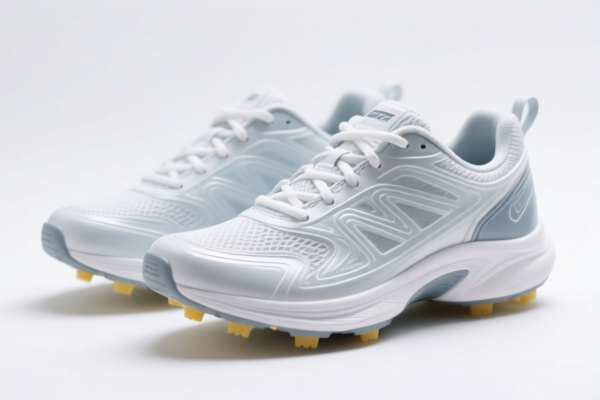
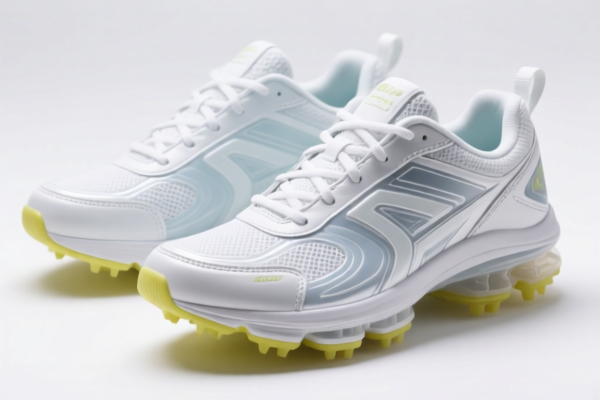
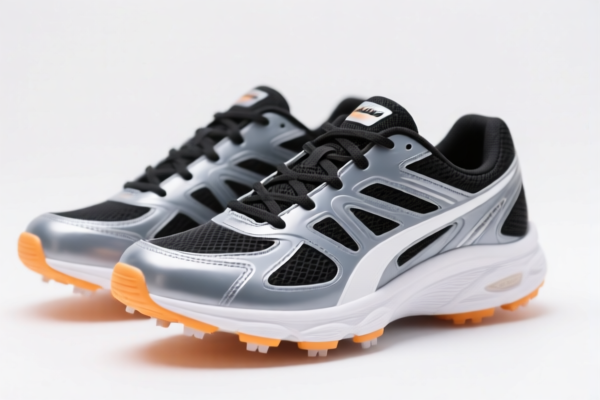

AI Analysis
👟 Plastic-Soled Athletic Shoes (Plastic-Soled Basketball Shoes)
🌐 HS Code Reference & Customs Clearance Guide | 2026 Latest Tariff Analysis | Professional Clearance Strategy
📌 I. Product Definition & Classification: Do You Really Know “Plastic-Soled Sports Shoes”?
Plastic-soled athletic shoes, particularly basketball shoes, are high-demand footwear in international trade. The key to correct classification lies in the exact material composition of the upper (shoe upper) and the specific functional definition.
In international trade, they are generally divided based on the upper material:
1. Textile Upper (针织/纺织鞋面):
- Shoes where the upper is primarily made of woven fabrics, knits, or non-woven materials.
- These often fall under heading 6404 (Footwear with outer soles of rubber, plastic, leather or composition leather and uppers of textile materials).
2. Specific Plastic/Rubber Composition (特定塑料/橡胶用途):
- Shoes that meet specific definitions for “other footwear” with plastic outsoles and specific athletic uses, often falling under heading 6402 (Other footwear with outer soles of rubber or plastics).
- Note: Some classifications hinge on whether the shoe is deemed “specifically designed” for a particular sport (like basketball) versus general athletic wear.
⚠️ Key Distinction Point:
- If the upper is primarily textile →归入 6404 series.
- If the upper is other materials (e.g., leather, synthetic leather, or unspecified plastics) or the definition emphasizes “plastic outsole + specific athletic use” without clear textile upper →归入 6402 series.
- Basketball-specific usage can sometimes trigger stricter scrutiny under 6402 if not clearly defined as textile.
📦 II. HS Code Classification Details (2026 Latest Tariff Authority Comparison)
Based on the provided data, here are the five relevant HS Codes for plastic-soled basketball shoes:
| HS Code | Product Summary | Key Feature | Applicable Scenario |
|---|---|---|---|
6404.11.20.30 |
Plastic-sole basketball shoes; outer sole is rubber or plastic; upper inferred to be textile material | Upper: Textile (Inferred) | General textile-upper basketball shoes, athletic sneakers |
6402.99.90.05 |
Plastic-sole basketball shoes; fully compliant with rubber/plastic outer sole and specific athletic shoe usage | Upper: Non-Textile/Unspecified | High-specificity athletic shoes, possibly synthetic/leather upper or strict “athletic use” classification |
6402.91.90.05 |
Plastic-sole basketball shoes; explicitly includes plastic material and basketball shoe usage | Upper: Plastic/Synthetic Focus | Shoes where plastic/synthetic materials dominate the upper or are explicitly declared |
6404.11.20.60 |
Plastic-sole basketball shoes; outer sole is plastic; upper may contain leather or textile materials | Upper: Mixed (Leather/Textile) | Hybrid material uppers (e.g., leather panels + textile mesh) |
6403.91.60.40 |
Plastic-sole basketball shoes; usage is basketball; outer sole is rubber or plastic | Upper: Other (Likely Leather/Synthetic) | Often used for leather or synthetic leather uppers categorized under 6403 (leather/plastic uppers) |
🔍 Key Reminder:
- 6404 codes generally offer lower base tariffs (8.5% - 10.5%) compared to 6402/6403 codes (20.0% or 8.5% depending on subheading). - The 122 Section Tariff (10%) is universally applied across all these codes. - Misclassification between 6404 (textile) and 6402/6403 (non-textile) can lead to significant tariff differences (e.g., 20.5% vs 37.5%).
💰 III. 2026 Latest Tariff Rate Breakdown (Including Additional Taxes, Policy Add-ons)
✅ Applicable Country: United States (US)
✅ Origin: China (CN)
✅ Effective Time: Ongoing (Based on provided data)
🎯 1. 6404.11.20.30 & 6404.11.20.60 —— Textile/Textile-Mixed Upper Basketball Shoes
| Item | Content |
|---|---|
| Base Tariff | 10.5% (Ad Valorem) |
| Section 301 Additional Tariff | 0.0% |
| Section 122 Tariff | +10% |
| Total Tariff Rate | 20.5% |
| Tax Calculation | CIF Value × 20.5% |
| De Minimis Eligibility | ❌ No (High tariff rate) |
| Legal Basis Path | HTSUS:6404.11.20 → Section 122:10% |
📌 Explanation:
- These codes offer the lowest total tax burden (20.5%) among the options. - Key Condition: The upper must be primarily textile. If customs determines the upper is leather or synthetic leather not meeting “textile” criteria, this classification is risky. - No Section 301 additional tax applies here, unlike other categories.
🎯 2. 6403.91.60.40 —— Leather/Synthetic Upper Basketball Shoes
| Item | Content |
|---|---|
| Base Tariff | 8.5% (Ad Valorem) |
| Section 301 Additional Tariff | 0.0% |
| Section 122 Tariff | +10% |
| Total Tariff Rate | 18.5% |
| Tax Calculation | CIF Value × 18.5% |
| De Minimis Eligibility | ❌ No |
| Legal Basis Path | HTSUS:6403.91.60 → Section 122:10% |
📌 Explanation:
- This is the lowest total tariff (18.5%) overall, but it applies to 6403 series (typically leather or other material uppers, not textile). - Caution: Ensure the shoe is not predominantly textile. If it is, using this code may be challenged as misclassification. - No Section 301 tax, only the standard 122 Section 10%.
🎯 3. 6402.91.90.05 —— Plastic-Material Focus Basketball Shoes
| Item | Content |
|---|---|
| Base Tariff | 20.0% (Ad Valorem) |
| Section 301 Additional Tariff | 0.0% |
| Section 122 Tariff | +10% |
| Total Tariff Rate | 30.0% |
| Tax Calculation | CIF Value × 30.0% |
| De Minimis Eligibility | ❌ No |
| Legal Basis Path | HTSUS:6402.91.90 → Section 122:10% |
📌 Explanation:
- This code is for shoes explicitly defined with plastic materials in the upper or specific athletic use under 6402. - Higher base tariff (20%) due to non-textile classification. - No Section 301 tax, but the 122 Section 10% applies.
🎯 4. 6402.99.90.05 —— Specific Athletic Use Basketball Shoes (Highest Risk)
| Item | Content |
|---|---|
| Base Tariff | 20.0% (Ad Valorem) |
| Section 301 Additional Tariff | +7.5% |
| Section 122 Tariff | +10% |
| Total Tariff Rate | 37.5% |
| Tax Calculation | CIF Value × 37.5% |
| De Minimis Eligibility | ❌ No |
| Legal Basis Path | HTSUS:6402.99.90 → Section 301:7.5% → Section 122:10% |
📌 Explanation:
- This is the highest tariff rate (37.5%). - Applies to shoes under 6402.99.90.05, which includes a Section 301 additional tax of 7.5% on top of the base 20% and 122 Section 10%. - High Risk: This classification is often used for generic “other footwear” that doesn’t fit neatly into textile (6404) or leather (6403) categories, or when specific “athletic use” triggers additional scrutiny. - Recommendation: Avoid this code if possible by using 6404 or 6403 with proper documentation.
🛠️ IV. Customs Clearance Practical Advice (Battle-Tested Pitfall Guide)
✅ 1. Preparation Checklist (All Documents Required)
| Document | Must Provide | Description |
|---|---|---|
| ✅ Product Specification Sheet | ✔️ | Detailed material composition of upper (textile vs. leather vs. plastic), sole material, lacing system |
| ✅ High-Resolution Photos | ✔️ | Top view, side view, sole view, label, interior lining |
| ✅ Material Test Report | ✔️ | Third-party lab report confirming upper material (e.g., “100% Polyester Knit” vs. “Synthetic Leather”) |
| ✅ Commercial Invoice | ✔️ | Clearly state “Basketball Shoes, Plastic Sole, Textile Upper” or similar accurate description |
| ✅ Packing List | ✔️ | Include model numbers, sizes, pairs per carton |
| ✅ Origin Certificate | ✔️ | If not China-origin, to determine eligibility for exemptions |
✅ 2. Declaration Tips (Key Mantra)
🔥 “Upper Material Dictates Code, Sole is Plastic, Textile is 6404, Leather is 6403!”
| Scenario | Correct Declaration | Error Consequence |
|---|---|---|
| Textile Upper + Plastic Sole | 6404.11.20.30 (20.5%) |
If misdeclared as 6402 → 30-37.5% |
| Leather/Synthetic Upper + Plastic Sole | 6403.91.60.40 (18.5%) |
If misdeclared as 6404 → Penalty + Back Taxes |
| Unspecified/Mixed Upper | 6402.91.90.05 (30.0%) |
Risk of reclassification to 6402.99.90.05 (37.5%) |
| Generic “Sports Shoe” | Never | Vague descriptions lead to audits and delays |
✅ 3. Special Cases Handling
| Scenario | Handling Advice |
|---|---|
| OEM Custom Shoes | Provide design sheets showing material breakdown. If upper is mixed (e.g., leather toe cap + textile mesh), consult customs broker for “principal material” determination. |
| Shoes with Plastic Reinforcements | Ensure plastic parts are not dominant. If plastic > 50% of upper, may fall under 6402. |
| Basketball-Specific Marketing | Highlighting “Basketball” alone doesn’t change HS code; material does. But ensure no “medical” or “specialized” claims that might shift category. |
| De Minimis (Section 321) | ❌ Not Eligible. All these codes have tariffs > $0, so de minimis exemption (under $800) does not apply for direct shipments from China to US. |
🌍 V. Global Market Clearance Comparison (2026 Latest)
| Country/Region | Recommended HS Code | Tariff Rate (China Origin) | Certification | Notes |
|---|---|---|---|---|
| 🇺🇸 USA | 6404.11.20.30 |
20.5% | No special | Avoid 6402.99.90.05 (37.5%) |
| 🇪🇺 EU | 6404.11 / 6402.99 |
6-12% | CE (if safety) | No Section 122 equivalent |
| 🇨🇳 China | 6404 / 6402 |
8-20% | CCC (if applicable) | No additional tariffs |
| 🇬🇧 UK | 6404 / 6402 |
6-12% | UKCA | Post-Brexit rules apply |
| 🇨🇦 Canada | 6404 / 6402 |
6-12% | CCPS (if safety) | FTAA may apply for US-origin components |
📌 Conclusion:
- USA is the most complex market due to Section 122 (10%) and potential Section 301 (up to 7.5%) additional tariffs. - Optimal Strategy: Aim for 6404.11.20.30 (20.5%) or 6403.91.60.40 (18.5%) by clearly documenting upper material. - Avoid 6402.99.90.05 (37.5%) unless absolutely necessary.
📌 VI. Common Errors & Pitfall Guide (Blood Lessons)
❌ Error 1: Declaring “Plastic Sole Shoe” without specifying upper material
👉 Consequence: Customs may classify under worst-case scenario (6402.99.90.05, 37.5%)
❌ Error 2: Claiming “Textile Upper” when it’s actually Synthetic Leather
👉 Consequence: Misclassification penalty + back taxes + possible seizure
❌ Error 3: Ignoring Section 122 Tariff
👉 Consequence: Unexpected 10% charge at border, cash flow disruption
❌ Error 4: Assuming De Minimis Exemption Applies
👉 Consequence: Shipments under $800 still taxed; delays due to duty payment requirements
✅ Correct Practice:
“Basketball Shoe, Outer Sole: Plastic, Upper: 100% Polyester Knit, Model: XYZ, Origin: China”
🎯 VII. Conclusion: Professional Declaration, Save Money, Speed Up Clearance!
🎯 Remember the Mantra:
🔹 “Upper material is king: Textile = 6404 (20.5%), Leather = 6403 (18.5%), Plastic/Other = 6402 (30-37.5%)!”
🔹 “122 Section adds 10% everywhere, but 301 adds 7.5% only to specific 6402 codes!”
📌 Pro Tip:
- Apply for an Advance Ruling from U.S. Customs and Border Protection (CBP) before large shipments.
- Keep Material Test Reports from third-party labs (e.g., SGS, Intertek) to prove upper composition.
- Consider Supply Chain Shifts: If tariffs remain high, explore production in non-China origins for 6402 codes, though 6404/6403 already have lower rates.
📣 Act Now:
📞 Consult a Licensed Customs Broker + Provide Material Specs + Apply for Advance Ruling
🚀 Ensure Smooth Clearance, Maximize Profit, Avoid Surprises!
✨ Professional Clearance Starts with Accurate Classification!
💼 Every Cent Saved is a Cent Earned!
Customer Reviews
About HS Code Classification
The Harmonized System (HS) is an internationally standardized nomenclature developed by the World Customs Organization (WCO) to classify traded products. Over 200 countries use the HS system as the basis for customs tariffs, trade statistics, and import/export regulations.
Each HS code follows a hierarchical structure:
- Chapter (2 digits) — Broad category of goods (e.g., Chapter 84: Machinery and Mechanical Appliances)
- Heading (4 digits) — More specific grouping within the chapter
- Subheading (6 digits) — Internationally standardized breakdown, used by all WCO member countries
- National subdivisions (8-10 digits) — Country-specific extensions for further classification, such as US HTSUS 10-digit codes
Correct HS code classification is essential for smooth customs clearance, accurate duty payment, and compliance with trade regulations. Misclassification can lead to customs delays, overpayment of duties, or penalties.
When importing from CN to US, the applicable tariff rates may include:
- Most-Favored-Nation (MFN) rate — The standard duty rate applied to WTO members
- General rate — Applied to countries without trade agreements
- Trade remedy duties — Additional tariffs such as Section 301 (anti-dumping), Section 232 (national security), or countervailing duties
The information provided on this page is for reference purposes only. For official classification, please consult with your local customs authority or a licensed customs broker.