塑料环保桌布
CN → US| HS Code | Tariff Rate | Origin | Destination | Doc |
|---|---|---|---|---|
| 5903102010 | 35.0% | CN | US | Official Doc |
| 5903102090 | 35.0% | CN | US | Official Doc |
| 3920100000 | 39.2% | CN | US | Official Doc |
| 3920200055 | 39.2% | CN | US | Official Doc |
Product Images

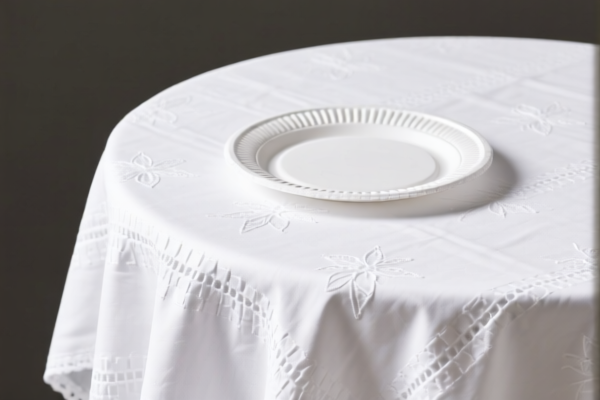
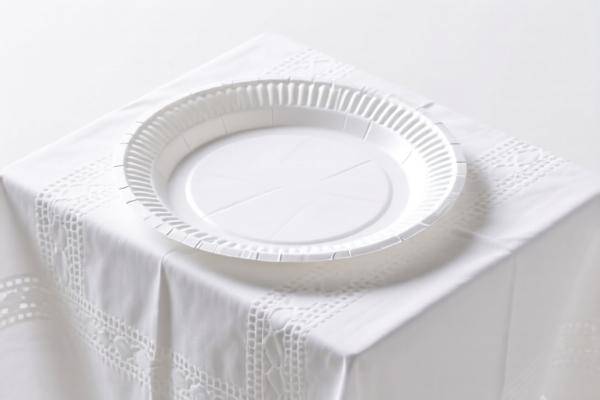

AI Analysis
🌿 Plastic Eco-Friendly Tablecloth
🌐 HS Code Classification & Customs Clearance Guide | 2026 Latest Tariff Breakdown | Professional Import Strategy
📌 One, Product Definition & Classification: What Exactly Is a "Plastic Eco-Friendly Tablecloth"?
A plastic eco-friendly tablecloth is a reusable, washable, and environmentally conscious table covering made from plastic materials such as ethylene polymers (e.g., LDPE, HDPE) or polypropylene (PP), designed to replace disposable paper or vinyl tablecloths. While marketed as "eco-friendly," its classification hinges not on environmental claims, but on material composition, physical form, and manufacturing process.
⚠️ Key Classification Clues:
- If the product is made of plastic film, sheet, or tape and not a textile coated with plastic → HS Code 3920.xxxx
- If the product is a textile fabric (e.g., cotton, polyester) coated, impregnated, or laminated with plastic (e.g., PVC, polyethylene) → HS Code 5903.10.20.x0📌 Important Note:
The term "eco-friendly" does not change the HS Code. The material and structure determine the classification — not marketing labels.
📦 Two, HS Code Classification Details (2026 Latest Tariff Authority)
| HS Code | Product Description | Key Material & Form | Applicable Tax |
|---|---|---|---|
3920.10.00.00 |
Plastic tablecloth made from ethylene polymers (e.g., LDPE, HDPE), in sheet, film, or tape form | Plastic sheet/membrane, no textile backing | ✅ 39.2% total tax |
3920.20.00.55 |
Plastic tablecloth made from polypropylene (PP), in sheet, film, foil, or strip form | Pure PP film, non-textile | ✅ 39.2% total tax |
5903.10.20.90 |
Plastic tablecloth made from textile fabric coated, impregnated, or laminated with PVC or other plastics | Fabric + plastic layer (e.g., PVC-coated polyester) | ✅ 35.0% total tax |
5903.10.20.10 |
Plastic tablecloth made from textile fabric treated with plastic via coating, spraying, or lamination | Similar to above — textile with plastic layer | ✅ 35.0% total tax |
🔍 Critical Distinction:
- Non-textile plastic film → 3920.xxxx
- Textile base with plastic layer → 5903.10.20.x0📌 Example:
- A 100% polyethylene sheet cut to table size →3920.10.00.00
- A polyester cloth sprayed with PVC coating →5903.10.20.90
💰 Three, 2026 Latest Tariff Breakdown (With Detailed Tax Clauses)
✅ Applicable Country: United States (US)
✅ Origin: China (CN)
✅ Effective Date: November 10, 2025 (and onward)
🎯 1. 3920.10.00.00 — Plastic Tablecloth (Ethylene Polymer, Sheet/Film Form)
| Item | Detail |
|---|---|
| Base Duty | 4.2% (ad valorem) |
| USITC Section 301 Tariff | +25.0% (from U.S. Trade Act 301) |
| IEEPA Section 122 Tariff | +10.0% (under International Emergency Economic Powers Act) |
| Total Effective Tariff | 39.2% |
| Tax Calculation | CIF Value × 39.2% |
| De Minimis Threshold | ❌ Not eligible (denied under U.S. de minimis rule) |
| Legal Basis Path | IEEPA:9903.01.25 → IEEPA:9903.01.24 → USITC:3920.10.00.00 → FOOTNOTE:9903.88.01 |
📌 Explanation:
- Base 4.2%: Standard tariff for plastic films under HTSUS.
- +25% (USITC): Applies to all goods from China under Section 301 (trade imbalance).
- +10% (IEEPA): Imposed under national emergency powers, targeting Chinese imports.
- Total = 39.2% — High-cost for importers.
🎯 2. 3920.20.00.55 — Plastic Tablecloth (Polypropylene, Sheet/Film Form)
| Item | Detail |
|---|---|
| Base Duty | 4.2% |
| USITC Section 301 Tariff | +25.0% |
| IEEPA Section 122 Tariff | +10.0% |
| Total Effective Tariff | 39.2% |
| Tax Calculation | CIF × 39.2% |
| De Minimis | ❌ Not eligible |
| Legal Basis Path | IEEPA:9903.01.25 → IEEPA:9903.01.24 → USITC:3920.20.00.55 → FOOTNOTE:9903.88.01 |
📌 Note:
- Even though polypropylene (PP) is different from ethylene polymers, it’s taxed identically under this subheading due to same tariff treatment.
🎯 3. 5903.10.20.90 — Plastic Tablecloth (Textile with PVC Coating)
| Item | Detail |
|---|---|
| Base Duty | 0.0% |
| USITC Section 301 Tariff | +25.0% |
| IEEPA Section 122 Tariff | +10.0% |
| Total Effective Tariff | 35.0% |
| Tax Calculation | CIF × 35.0% |
| De Minimis | ❌ Not eligible |
| Legal Basis Path | IEEPA:9903.01.25 → IEEPA:9903.01.24 → USITC:5903.10.20.90 → FOOTNOTE:9903.88.01 |
📌 Why Lower Than 39.2%?
- Base duty is 0% for textile-based coated products under 5903.10.20.
- Still subject to 25% + 10% due to China origin → 35% total.
🎯 4. 5903.10.20.10 — Plastic Tablecloth (Textile with Coating/Coating/Lamination)
| Item | Detail |
|---|---|
| Base Duty | 0.0% |
| USITC Section 301 Tariff | +25.0% |
| IEEPA Section 122 Tariff | +10.0% |
| Total Effective Tariff | 35.0% |
| Tax Calculation | CIF × 35.0% |
| De Minimis | ❌ Not eligible |
| Legal Basis Path | IEEPA:9903.01.25 → IEEPA:9903.01.24 → USITC:5903.10.20.10 → FOOTNOTE:9903.88.01 |
📌 Same as above:
- Applies to textile fabrics treated with plastic via impregnation, coating, or lamination.
- Same 35% total tax as5903.10.20.90.
🛠️ Four, Customs Clearance Best Practices (Pro Tips to Avoid Delays)
✅ 1. Required Documentation (Must-Have Checklist)
| Document | Required? | Purpose |
|---|---|---|
| ✅ Product Specification Sheet | ✔️ | Material type, thickness, dimensions, coating method |
| ✅ Material Safety Data Sheet (MSDS) | ✔️ | For PVC/PP/ethylene polymer compliance |
| ✅ Product Photos (Clear, with label) | ✔️ | Show surface texture, backing, and edge finish |
| ✅ Third-Party Test Report | ✔️ | RoHS, REACH, FDA (if food-contact), non-toxicity |
| ✅ Commercial Invoice | ✔️ | Must state: "Plastic Tablecloth, [Material], [Form], [HS Code]" |
| ✅ Certificate of Origin (CO) | ✔️ | Essential for tariff claims; use Form A if eligible |
| ✅ Packing List | ✔️ | Show total weight, quantity, and packaging type |
✅ 2.申报技巧 (申报口诀)
🔥 "Form Rules, Material Wins, Textile vs. Film, Tax Differs!"
| Scenario | Correct HS Code | Wrong Approach |
|---|---|---|
| Pure plastic film (no fabric) | 3920.10.00.00 or 3920.20.00.55 |
Mislabel as "textile" → 35% instead of 39.2% |
| Fabric with PVC coating | 5903.10.20.90 or 5903.10.20.10 |
Call it "plastic sheet" → 39.2% instead of 35% |
| Reusable, washable, eco-friendly | Still depends on structure | Don’t rely on "eco" label — it doesn’t change HS Code |
| Mixed materials (e.g., PP + fabric) | Declare based on dominant component | Split shipment → each item taxed at 39.2% → total over 78% |
📌 Golden Rule:
Do not split a single product into parts — it triggers higher combined tariffs.
✅ 3. Special Cases & Solutions
| Situation | Recommended Action |
|---|---|
| Mixed material product (e.g., PP film with cotton backing) | Use dominant material test — if plastic > 50%, use 3920.xxxx |
| Custom design with logo printing | Still follows material rules — no tariff change |
| Used or recycled plastic | Still taxed at same rate — no reduction for "recycled" |
| Import from Vietnam/Mexico/Thailand | May qualify for IEEPA exemption → 0% tariff (if origin is non-China) |
| Small shipments (under $800) | ❌ Not eligible for de minimis — must pay full 35% or 39.2% |
🌍 Five, Global Customs Comparison (2026)
| Country | Recommended HS Code | Base Duty | Additional Taxes | Notes |
|---|---|---|---|---|
| 🇺🇸 USA | 3920.10.00.00 or 5903.10.20.x0 |
0–4.2% | +25% +10% (China origin) | 35–39.2% total |
| 🇨🇳 China | 3920.10.00.00 or 5903.10.20.x0 |
5% | None | No 301/IEEPA tariffs |
| 🇪🇺 EU | 3920.10.00.00 or 5903.10.20.x0 |
0% (if CE) | None | No extra tariffs |
| 🇦🇺 Australia | 3920.10.00.00 |
5% | None | No 301/IEEPA |
| 🇯🇵 Japan | 3920.10.00.00 |
0% | None | No extra tariffs |
📌 Insight:
- The U.S. is the only market imposing 35–39.2% tariffs on Chinese plastic tablecloths.
- Non-China origin products can avoid the 35%+ surge.
📌 Six, Common Mistakes & How to Avoid Them (Real-World Risks)
❌ Mistake 1: Calling a plastic film tablecloth "eco-friendly textile"
👉 Result: Misclassified as 5903.10.20.x0 → 35% instead of 39.2% → underpayment risk
❌ Mistake 2: Splitting a coated fabric tablecloth into "fabric" + "coating"
👉 Result: Each part taxed at 39.2% → Total 78.4% → huge penalty
❌ Mistake 3: Using “plastic eco-tablecloth” as the product name without material proof
👉 Result: Customs may request lab test → delayed clearance
❌ Mistake 4: Assuming "recycled" or "biodegradable" materials reduce tariffs
👉 Result: No effect — tariffs are based on material form and origin, not sustainability
✅ Correct Declaration Example:
"Plastic Tablecloth, 100% Polyethylene Film, 0.1mm Thickness, Cut to Size, Non-Textile, HS Code 3920.10.00.00, Origin: China, CIF $15.00"
🎯 Seven, Conclusion: Accurate Classification = Cost Control
🎯 Remember the Golden Rule:
🔹 "Form over Label — Film = 39.2%, Fabric + Plastic = 35.0%"
🔹 "No de minimis for China — even $100 shipment pays full 35–39.2%"
🔹 "Splitting = Disaster — 78.4% tax possible!"
📌 Pro Tip:
✅ Apply for Advance Ruling (Pre-Approval) from U.S. Customs before shipment
✅ Use non-China origin (e.g., Vietnam, Mexico) to avoid 35%+ tariffs
✅ Partner with a customs broker experienced in plastic textiles and films
📣 Act Now:
📞 Contact a specialized customs broker + provide product photos + material data
🚀 Secure your HS Code pre-approval — avoid surprise tariffs and delays
✨ Precision in Classification = Profit in Trade!
💼 Your next shipment’s success starts with the right HS Code!
Customer Reviews
About HS Code Classification
The Harmonized System (HS) is an internationally standardized nomenclature developed by the World Customs Organization (WCO) to classify traded products. Over 200 countries use the HS system as the basis for customs tariffs, trade statistics, and import/export regulations.
Each HS code follows a hierarchical structure:
- Chapter (2 digits) — Broad category of goods (e.g., Chapter 84: Machinery and Mechanical Appliances)
- Heading (4 digits) — More specific grouping within the chapter
- Subheading (6 digits) — Internationally standardized breakdown, used by all WCO member countries
- National subdivisions (8-10 digits) — Country-specific extensions for further classification, such as US HTSUS 10-digit codes
Correct HS code classification is essential for smooth customs clearance, accurate duty payment, and compliance with trade regulations. Misclassification can lead to customs delays, overpayment of duties, or penalties.
When importing from CN to US, the applicable tariff rates may include:
- Most-Favored-Nation (MFN) rate — The standard duty rate applied to WTO members
- General rate — Applied to countries without trade agreements
- Trade remedy duties — Additional tariffs such as Section 301 (anti-dumping), Section 232 (national security), or countervailing duties
The information provided on this page is for reference purposes only. For official classification, please consult with your local customs authority or a licensed customs broker.