塑料筷子
CN → US| HS Code | Tariff Rate | Origin | Destination | Doc |
|---|---|---|---|---|
| 3926909989 | 22.8% | CN | US | Official Doc |
| 3924104000 | 13.4% | CN | US | Official Doc |
| 3926903500 | 16.5% | CN | US | Official Doc |
| 3924102000 | 24.0% | CN | US | Official Doc |
Product Images
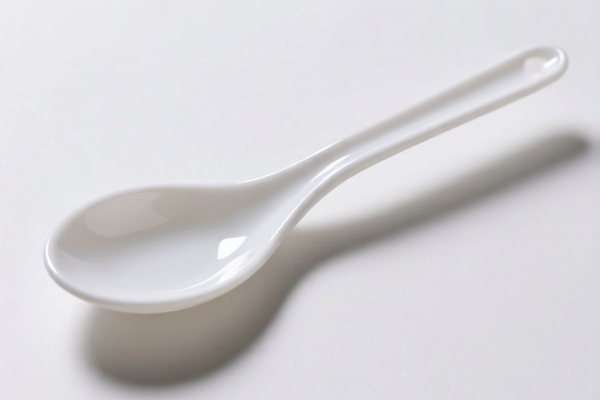
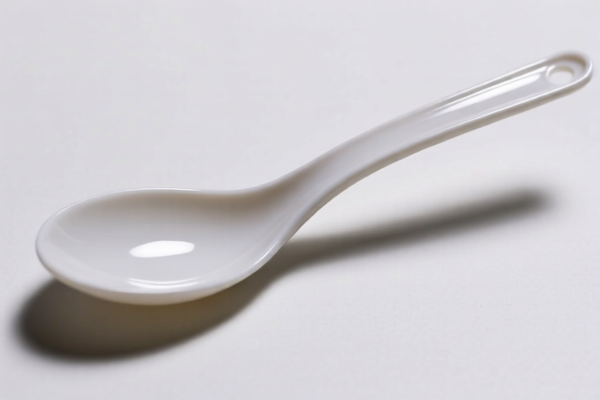

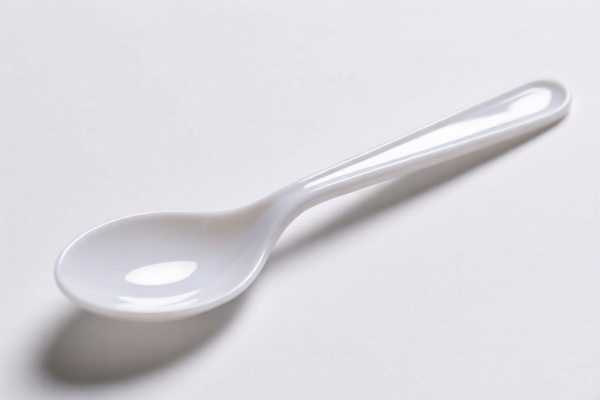
AI Analysis
🥢 Plastic Chopsticks (Plastic Tableware)
🌐 HS Code Reference & Customs Clearance Guide | 2026 Latest Tariff Analysis | Professional Clearance Strategy
📌 I. Product Definition & Classification: Do You Really Understand "Plastic Chopsticks"?
Plastic chopsticks are essential single-use or reusable tableware items in the global food service and household industry. In international trade, the classification depends heavily on the specific material formulation and intended use. While broadly categorized under "Plastics and Articles Thereof," precise sub-classification determines the tariff burden significantly.
Key Distinction:
- General Tableware (Chapter 3924): Items specifically designed as eating utensils (like chopsticks).
- Other Plastic Articles (Chapter 3926): Items that do not fit specific tableware definitions or are classified as general plastic goods.
⚠️ Critical Differentiation:
- If clearly defined as "Tableware/Chopsticks" → Tends toward 3924 (Lower Base Duty).
- If classified as "General Plastic Articles" (due to vague description or specific material constraints) → Tends toward 3926 (Higher Base Duty + Section 301).
📦 II. HS Code Classification Details (2026 Latest Tariff Authority Comparison)
Based on the provided data for Chinese-origin plastic chopsticks exported to the US (implied by the 122 Section/IEEPA references), here are the applicable HS Codes and their tax breakdowns.
| HS Code | Product Description | Applicability Scenario | Base Duty | Section 301 / Additional | Total Effective Tax Rate |
|---|---|---|---|---|---|
3924.10.40.00 |
Plastic material, used for tableware (Chopsticks) | Specific Tableware: Standard plastic chopsticks | 3.4% | 0.0% (Section 301 Exemption/Exclusion) + 10% (Section 122) | 13.4% |
3926.90.99.89 |
Plastic material, classified as other plastic articles | General Articles: Non-specific plastic items, non-bead categories | 5.3% | 7.5% (Section 301) + 10% (Section 122) | 22.8% |
3924.10.20.00 |
Plastic material, used for tableware and kitchenware (Tableware/Cookware) | Tableware/Kitchenware: Broader tableware category including cooking utensils | 6.5% | 7.5% (Section 301) + 10% (Section 122) | 24.0% |
3926.90.35.00 |
Plastic material, classified as other plastic articles (Non-bead category) | General Articles: Similar to 99.89 but distinct sub-heading for non-bead plastics | 6.5% | 7.5% (Section 301) + 10% (Section 122) | 24.0% |
🔍 Key Insight:
-3924.10.40.00is the most advantageous code for standard plastic chopsticks, with a 13.4% total rate.
-3924.10.20.00applies to broader tableware/kitchenware but carries a 24.0% rate due to higher Section 301 duties.
-3926codes are penalty categories for misclassification or non-tableware plastics, resulting in 22.8%-24.0% rates.
- Section 122 (10%) applies universally to all these codes for Chinese origin.
💰 III. 2026 Latest Tariff Rate Breakdown (Including Surcharges & Policy Add-ons)
✅ Applicable Country: United States (US)
✅ Origin: China (CN)
✅ Effective Time: Current 2026 Policy Framework
🎯 1. 3924.10.40.00 —— Plastic Chopsticks (Tableware)
| Item | Content |
|---|---|
| Base Duty | 3.4% |
| Section 301 Duty | 0.0% (Excluded/Exempted for this specific code) |
| Section 122 Duty | 10.0% |
| Total Rate | 13.4% |
| Tax Calculation | CIF Value × 13.4% |
| De Minimis Eligibility | ❌ No (De Minimis typically does not apply to goods subject to Section 301/122) |
| Legal Basis Path | USITC:3924.10.40.00 → Section 122:10% |
📌 Explanation:
- This code benefits from zero Section 301 duties, making it the most cost-effective for plastic chopsticks.
- The 10% Section 122 duty is a statutory surcharge on certain Chinese goods.
- Total burden is significantly lower than other plastic article classifications.
🎯 2. 3926.90.99.89 —— Other Plastic Articles (Non-Tableware)
| Item | Content |
|---|---|
| Base Duty | 5.3% |
| Section 301 Duty | 7.5% |
| Section 122 Duty | 10.0% |
| Total Rate | 22.8% |
| Tax Calculation | CIF Value × 22.8% |
| De Minimis Eligibility | ❌ No |
| Legal Basis Path | USITC:3926.90.99.89 → Section 301:7.5% → Section 122:10% |
📌 Note:
- If your chopsticks are not clearly labeled as tableware or are mixed with general plastic goods, customs may classify them here.
- The 7.5% Section 301 adds significant cost compared to the 0% in 3924.10.40.00.
🎯 3. 3924.10.20.00 —— Tableware & Kitchenware (Plastic)
| Item | Content |
|---|---|
| Base Duty | 6.5% |
| Section 301 Duty | 7.5% |
| Section 122 Duty | 10.0% |
| Total Rate | 24.0% |
| Tax Calculation | CIF Value × 24.0% |
| De Minimis Eligibility | ❌ No |
| Legal Basis Path | USITC:3924.10.20.00 → Section 301:7.5% → Section 122:10% |
📌 Caution:
- Even within Chapter 3924 (Tableware), this sub-code incurs Section 301 duties.
- Use only if the product includes kitchenware (e.g., ladles, spatulas) alongside chopsticks and cannot be separated.
🎯 4. 3926.90.35.00 —— Other Plastic Articles (Non-Bead)
| Item | Content |
|---|---|
| Base Duty | 6.5% |
| Section 301 Duty | 7.5% |
| Section 122 Duty | 10.0% |
| Total Rate | 24.0% |
| Tax Calculation | CIF Value × 24.0% |
| De Minimis Eligibility | ❌ No |
| Legal Basis Path | USITC:3926.90.35.00 → Section 301:7.5% → Section 122:10% |
📌 Note:
- Similar to 99.89, this code is for general plastic articles.
- Avoid using for chopsticks unless the product is miscellaneous plastic items not fitting tableware definitions.
🛠️ IV. Customs Clearance Practical Advice (Real-World Pitfall Guide)
✅ 1. Required Documentation Checklist (Mandatory)
| Document | Required? | Explanation |
|---|---|---|
| ✅ Product Specification Sheet | ✔️ | Must explicitly state "Chopsticks" or "Tableware," not just "Plastic Parts." |
| ✅ Material Composition Report | ✔️ | Confirm plastic type (e.g., PP, PS). Affects Section 122 applicability. |
| ✅ Product Photos (Labeling) | ✔️ | Must show usage context (e.g., packaged as dining utensils). |
| ✅ Commercial Invoice | ✔️ | Clearly describe as "Plastic Chopsticks for Tableware," not "Plastic Sticks." |
| ✅ Packing List | ✔️ | Ensure weight and quantity match the invoice. |
| ✅ Country of Origin Certificate | ✔️ | To determine Section 301 applicability (China = Subject to duties). |
✅ 2. Declaration Tips (Critical Mnemonic)
🔥 "Label as Tableware, Avoid 'Other', Check Section 301, Save Big!"
| Scenario | Correct Declaration | Wrong Practice |
|---|---|---|
| Standard Plastic Chopsticks | 3924.10.40.00 |
Mislabel as "Plastic Parts" → 3926 → 22.8%+ |
| Chopsticks + Plastic Spoons | 3924.10.40.00 (if all tableware) |
Split declaration → Risk of reclassification |
| Non-Edible Plastic Sticks (Toys) | 3926.90.99.89 |
Label as "Chopsticks" → Fraud Risk |
| Bulk Plastic Raw Material | 3901-3914 |
Label as "Chopsticks" → Rejection |
✅ 3. Special Cases Handling
| Scenario | Handling Advice |
|---|---|
| OEM Custom Chopsticks | Provide design specs showing tableware use. Avoid generic "Plastic Item" descriptions. |
| Mixed Plastic Goods | If chopsticks are mixed with non-tableware plastics, consider separate shipment to optimize tax. |
| Biodegradable Plastic Chopsticks | Check if "Biodegradable" changes HS Code. May still fall under 3924, but provide material certs. |
| Wooden Chopsticks with Plastic Handles | Classify based on essential character. May fall under Wood (44) or Plastic (3924). Seek pre-ruling. |
🌍 V. Global Market Comparison (2026 Latest)
| Country/Region | Recommended HS Code | Tariff Rate | Certification | Notes |
|---|---|---|---|---|
| 🇺🇸 USA | 3924.10.40.00 |
13.4% | FDA (if food contact) | Highest preference due to 0% Sec 301. |
| 🇨🇳 China | 3924.10.40.00 |
~5-10% | CCC (if applicable) | No Section 122/301. |
| 🇪🇺 EU | 3924.10.00 |
~0-3% | LFGB, REACH | No Section 301/122. |
| 🇬🇧 UK | 3924.10.00 |
~0-5% | UKCA | Post-Brexit rules apply. |
| 🇯🇵 Japan | 3924.10.00 |
~0-5% | Food Sanitation Act | Strict hygiene standards. |
📌 Conclusion:
- USA is the only market with Section 122 and 301 duties.
- Correct classification under3924.10.40.00is critical to save ~10% in duties compared to misclassification.
📌 VI. Common Errors & Pitfall Guide (Lessons Learned)
❌ Error 1: Labeling chopsticks as "Plastic Accessories" or "General Plastic Goods"
👉 Consequence: Classified under 3926 → 22.8%-24.0% tax. Loss of 9.4%-10.6% profit margin!
❌ Error 2: Using vague descriptions like "Plastic Sticks"
👉 Consequence: Customs may classify under 3926.90.99.89 → 22.8% tax. Delay in clearance.
❌ Error 3: Ignoring Section 122
👉 Consequence: Even with correct HS Code, forgetting to declare Chinese origin triggers 10% surcharge.
❌ Error 4: Mixing Tableware with Non-Tableware
👉 Consequence: Entire shipment may be scrutinized. Best to separate shipments.
✅ Correct Practice:
"Plastic Chopsticks, Tableware, Food-Grade PP, Single-Use, Packaged in Boxes, Model XYZ, FDA Compliant"
🎯 VII. Conclusion: Professional Declaration, Cost Savings, Efficient Clearance!
🎯 Remember the Mnemonic:
🔹 "Chopsticks = 3924.10.40.00, Sec 301 = 0%, Sec 122 = 10%, Total = 13.4%.
🔹 "Other Plastic = 3926, Sec 301 = 7.5%, Sec 122 = 10%, Total = 22.8%+."
🔹 "HS Code is Life, Tax Rate is Death. Declare Tableware, Not Parts!"
📌 Pro Tip:
- If your chopsticks are made in Vietnam, Thailand, or Malaysia, you may exempt Section 301 and 122.
- Always seek an Advance Ruling from US Customs if your product has mixed materials or ambiguous use.
📣 Take Action Now:
📞 Contact a professional customs broker + Provide product photos + Apply for HS Code pre-ruling.
🚀 Let your chopsticks clear smoothly, export efficiently, and maximize profits!
✨ Professional Customs Clearance, Starting with Accurate Classification!
💼 Every cent of cost deserves precise calculation!
Customer Reviews
About HS Code Classification
The Harmonized System (HS) is an internationally standardized nomenclature developed by the World Customs Organization (WCO) to classify traded products. Over 200 countries use the HS system as the basis for customs tariffs, trade statistics, and import/export regulations.
Each HS code follows a hierarchical structure:
- Chapter (2 digits) — Broad category of goods (e.g., Chapter 84: Machinery and Mechanical Appliances)
- Heading (4 digits) — More specific grouping within the chapter
- Subheading (6 digits) — Internationally standardized breakdown, used by all WCO member countries
- National subdivisions (8-10 digits) — Country-specific extensions for further classification, such as US HTSUS 10-digit codes
Correct HS code classification is essential for smooth customs clearance, accurate duty payment, and compliance with trade regulations. Misclassification can lead to customs delays, overpayment of duties, or penalties.
When importing from CN to US, the applicable tariff rates may include:
- Most-Favored-Nation (MFN) rate — The standard duty rate applied to WTO members
- General rate — Applied to countries without trade agreements
- Trade remedy duties — Additional tariffs such as Section 301 (anti-dumping), Section 232 (national security), or countervailing duties
The information provided on this page is for reference purposes only. For official classification, please consult with your local customs authority or a licensed customs broker.