塑料缓冲膜
CN → US| HS Code | Tariff Rate | Origin | Destination | Doc |
|---|---|---|---|---|
| 3919102055 | 40.8% | CN | US | Official Doc |
| 3923900080 | 38.0% | CN | US | Official Doc |
| 3923210095 | 38.0% | CN | US | Official Doc |
| 3920100000 | 39.2% | CN | US | Official Doc |
| 3919905060 | 40.8% | CN | US | Official Doc |
Product Images
AI Analysis
🛡️ Plastic Buffering Film & Packaging Foil (Plastic Buffering Membrane)
🌐 HS Code Reference & Customs Clearance Guide | 2026 Latest Tariff Breakdown | Professional Import Strategy
📌 What is "Plastic Buffering Film"?
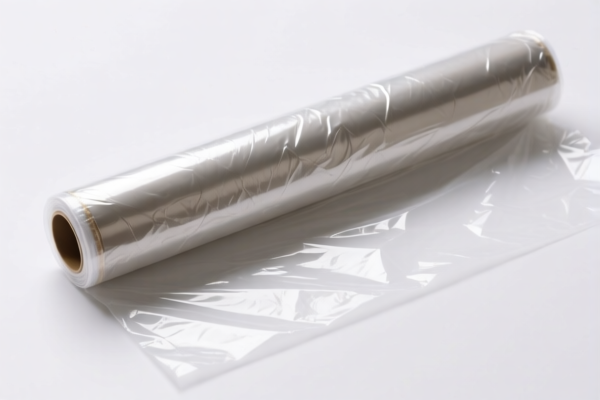
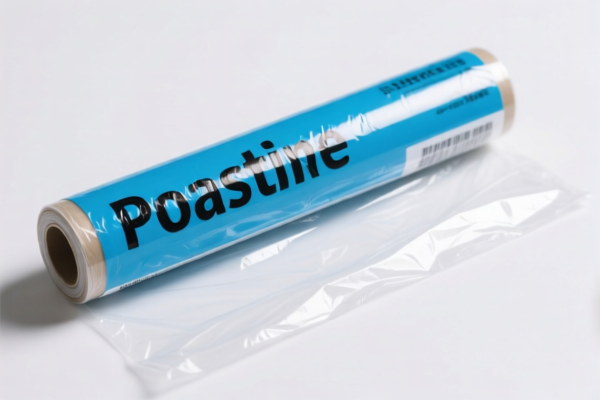
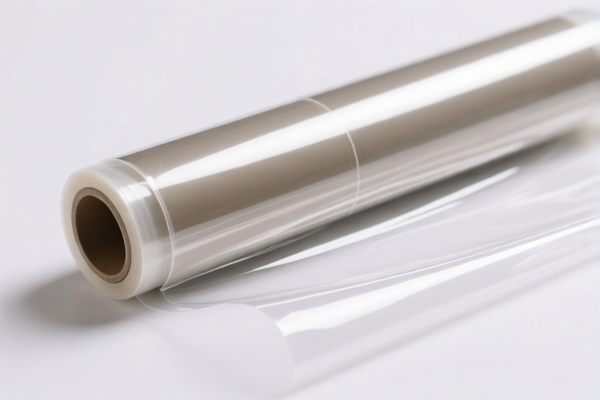
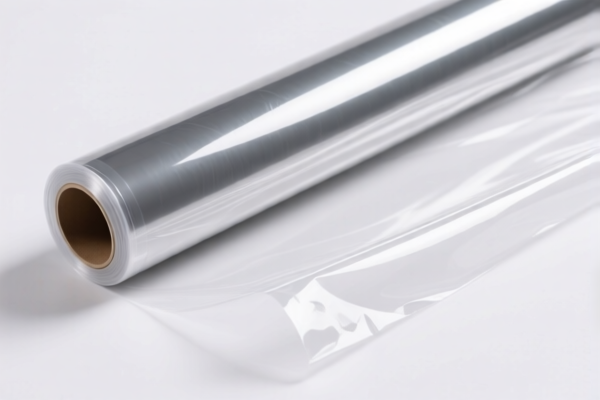
In international trade, "Plastic Buffering Film" (often referred to as plastic buffer film, bubble wrap, or protective padding) is a versatile packaging material used to protect fragile goods from shock, vibration, and abrasition during transit.
Depending on its specific physical form, chemical composition, and intended function, it is classified differently under the Harmonized System (HS). The two primary categories in the US data provided are: 1. General Plastic Films & Sheets (Flat, roll, or continuous membrane). 2. Plastic Packaging Articles (Specifically designed for cushioning, such as bags, pouches, or pre-formed buffers).
⚠️ Critical Distinction: - If the material is a continuous roll/sheet primarily used as a barrier or wrap → Likely 3919 or 3920. - If the material is specifically shaped/contoured for cushioning or a specific pouch/bag form → Likely 3923.
📦 II. HS Code Classification Details (2026 Latest Tariff Data)
Based on the provided dataset, here is the exact breakdown for Plastic Buffering Film.
| HS Code | Product Description (Summary) | Key Characteristics | Total Tax Rate |
|---|---|---|---|
3919.10.20.55 |
Plastic material in film form, matching film characteristics. | Self-adhesive or non-adhesive plastic film, generic buffer. | 40.8% |
3919.90.50.60 |
Plastic material in film form, matching plastic film characteristics. | Specialized plastic film, often multi-layered for buffering. | 40.8% |
3923.90.00.80 |
Plastic material used for cushioning goods (Packaging). | Specifically designed buffer items, e.g., pre-formed air pillows, foam sheets not classified elsewhere. | 38.0% |
3923.21.00.95 |
Plastic material, extended use of film/sachets (Bags/Pouches). | Plastic bags or flexible pouches used for wrapping/buffering items. | 38.0% |
3920.10.00.00 |
Plastic material in film form, matching polyethylene film characteristics. | Rigid or flexible polyethylene sheet/film used for industrial cushioning. | 39.2% |
🔍 Key Insight: -
3919&3920are for films and sheets (rolls, flat). -3923is for articles of plastic (bags, pouches, specific packaging containers). - Polyethylene (3920.10) is a specific subset of plastic films with a slightly different tax profile.
💰 III. 2026 Latest Tariff Rate Breakdown (Including Surcharges)
✅ Applicable Country: United States (US) ✅ Country of Origin: China (CN) ✅ Effective Date: Current/2026 Tariff Regime
All listed items share a common structure of taxes consisting of a Base Tariff, a Section 301 Additional Tariff (25%), and a Section 122 Tariff (10%).
🎯 1. General Plastic Film (HS: 3919.10.20.55 & 3919.90.50.60)
The highest tax bracket due to classification as "Other Plastic Sheets/Films".
| Item | Content |
|---|---|
| Base Tariff | 5.8% |
| Additional Tariff (Section 301) | +25.0% |
| Section 122 Tariff | +10.0% |
| Total Tax Rate | 40.8% |
| Calculation | CIF Value × 40.8% |
| Legal Basis | Section 301 + Section 122 (China-specific) |
📌 Explanation: - 5.8%: Standard Most-Favored-Nation (MFN) duty. - 25.0%: Section 301 "Trade Remedies" duty imposed on specific Chinese goods to address unfair trade practices. - 10.0%: Section 122 Tariff (often related to specific national security or supply chain measures). - Result: These films are heavily taxed and are not eligible for de minimis exemptions in most commercial shipments.
🎯 2. Polyethylene Film (HS: 3920.10.00.00)
Specific to Ethylene Polymers used as industrial buffers.
| Item | Content |
|---|---|
| Base Tariff | 4.2% |
| Additional Tariff (Section 301) | +25.0% |
| Section 122 Tariff | +10.0% |
| Total Tax Rate | 39.2% |
| Calculation | CIF Value × 39.2% |
📌 Note: - Polyethylene (PE) films enjoy a slightly lower base rate (4.2% vs 5.8%), but the total impact (39.2%) remains very high due to the flat 25%+10% surcharges.
🎯 3. Specific Packaging/Buffing Articles (HS: 3923.90.00.80 & 3923.21.00.95)
Items specifically designed for cushioning or bag forms.
| Item | Content |
|---|---|
| Base Tariff | 3.0% |
| Additional Tariff (Section 301) | +25.0% |
| Section 122 Tariff | +10.0% |
| Total Tax Rate | 38.0% |
| Calculation | CIF Value × 38.0% |
📌 Note: -
3923items have the lowest base tariff (3.0%) because they are considered "packaging articles" rather than raw film. - However, the 25% + 10% surcharges still apply, bringing the total to 38.0%.
🛠️ IV. Customs Clearance Practical Advice (Real-World Pitfall Guide)
✅ 1. Preparation Checklist (Non-Negotiable)
| Document | Required? | Why It Matters |
|---|---|---|
| ✅ Product Specifications | YES | Must explicitly state "Plastic Buffering Film" or "Packaging Article." |
| ✅ Material Composition | YES | Must specify % of Polyethylene (PE), Polypropylene (PP), or other polymers to match 3920.10 vs 3919. |
| ✅ Physical Form Evidence | YES | Photos showing if it is a roll/sheet (3919/3920) or a bag/pouch (3923). |
| ✅ Commercial Invoice | YES | Must clearly separate "Buffering Film" from "Product" to avoid misclassification penalties. |
| ✅ Packing List | YES | Show net weight/gross weight; ensure it matches the declared HS Code volume. |
✅ 2. Declaration Strategy (The "Don't Mix" Rule)
🔥 "Form Dictates Tariff: Roll vs. Bag"
| Scenario | Correct HS Code | Risk of Error |
|---|---|---|
| Plastic Film in Rolls (Unstretched, flat) | 3920.10.00.00 (Polyethylene) or 3919.xxxx | ⚠️ If declared as "Bag" (3923), may trigger audit; if declared as "Article" without specific use, may face higher base rate. |
| Pre-formed Air Cushions/Pillows | 3923.90.00.80 | ⚠️ If declared as "Roll Film", customs may re-classify to 3919/3920, changing the Base Rate and causing paperwork delays. |
| Plastic Bags for Packing | 3923.21.00.95 | ⚠️ If declared as "Film", you lose the 3.0% base rate benefit and might face penalties. |
✅ 3. Special Handling for Buffering Materials
| Situation | Handling Advice |
|---|---|
| OEM Custom Shapes | If the film is pre-cut or thermoformed into a specific "bubble" or "flute" shape, it is likely 3923, not 3919. Document the shape! |
| Multi-Layer Films | If the buffering film is a composite (e.g., Film + Foam), ensure the primary character is defined. If mostly plastic film, it's 3920/3919. |
| Bulk vs. Retail | Large industrial rolls are 3920/3919. Small retail bubble wrap bags are 3923. Do not mix in one shipment declaration. |
🌍 V. Global Market Comparison (2026 Data Context)
| Market | Recommended HS Code | Estimated Total Duty (China Origin) | Notes |
|---|---|---|---|
| 🇺🇸 USA | 3919.10.20.55 / 3923.90.00.80 |
38.0% - 40.8% | High Barriers: Section 301 + Section 122 apply. |
| 🇨🇳 China | 3919.10.20.55 |
~5.8% | Low base, no US surcharges. |
| 🇪🇺 EU | 3920.10.00 / 3923.90 |
~2.7% - 6.7% | Generally lower; no Section 301/122 equivalent. |
| 🇯🇵 Japan | 3920.10.00 |
~3.5% | Moderate; strict chemical compliance. |
📌 Conclusion: The US market is the most expensive for Chinese plastic buffering films due to the 40.8% total tax rate. - 3923 (Packaging Articles) offer a small saving (38.0% vs 40.8%) but require specific product shaping. - 3920 (Polyethylene Film) is the standard for industrial rolls.
📌 VI. Common Mistakes & Pitfalls (Blood & Tears)
❌ Mistake 1: Declaring "Bubble Wrap" as generic "Plastic Film" (3920) without mentioning the cushioning structure.
👉 Consequence: Customs may reject it as a "Packaging Article" (3923) requiring different documentation, or penalize for incorrect description.
❌ Mistake 2: Mixing Rolls (3920) and Bags (3923) in a single invoice line item.
👉 Consequence: Audited shipment. You will face higher duties on the bag portion or be forced to split the shipment, causing delays.
❌ Mistake 3: Assuming "Plastic Buffer" qualifies for a General Exclusion.
👉 Consequence: Most plastic films and packaging articles are excluded from Section 301 exemptions. Check the latest list!
✅ Correct Action:
"Plastic Bubble Wrap Film, Polyethylene, 200mic, 1000m Roll, Self-Adhesive, for Electronics Packaging, HS 3920.10.00.00"
🎯 VII. Final Verdict: Strategic Importing
🎯 Remember the Strategy:
🔹 "Identify Form: Roll = 3920/3919, Bag = 3923" 🔹 "Expect 38% to 41% Duty: Budget for the 25% + 10% surcharges" 🔹 "Verify Material: PE (3920) vs. Other Plastic (3919)"
📌 Pro Tip: If your plastic buffering film is sourced from Vietnam, Thailand, or Mexico, you may apply for Section 301 Exclusions or avoid the Section 122 surcharge.
Action: Request an Advance Ruling from US Customs (CBP) before your first shipment to confirm the exact HS Code and duty rate.
📣 Immediate Action:
📞 Contact a Licensed Customs Broker + Submit Material Specs + Apply for Pre-Ruling 🚀 Minimize Your Cost, Avoid Seizure, Ensure Smooth Clearance!
✨ Professional Classification is the Key to Profitability! 💼 Every Percent Saved in Duty is Pure Profit!
Customer Reviews
About HS Code Classification
The Harmonized System (HS) is an internationally standardized nomenclature developed by the World Customs Organization (WCO) to classify traded products. Over 200 countries use the HS system as the basis for customs tariffs, trade statistics, and import/export regulations.
Each HS code follows a hierarchical structure:
- Chapter (2 digits) — Broad category of goods (e.g., Chapter 84: Machinery and Mechanical Appliances)
- Heading (4 digits) — More specific grouping within the chapter
- Subheading (6 digits) — Internationally standardized breakdown, used by all WCO member countries
- National subdivisions (8-10 digits) — Country-specific extensions for further classification, such as US HTSUS 10-digit codes
Correct HS code classification is essential for smooth customs clearance, accurate duty payment, and compliance with trade regulations. Misclassification can lead to customs delays, overpayment of duties, or penalties.
When importing from CN to US, the applicable tariff rates may include:
- Most-Favored-Nation (MFN) rate — The standard duty rate applied to WTO members
- General rate — Applied to countries without trade agreements
- Trade remedy duties — Additional tariffs such as Section 301 (anti-dumping), Section 232 (national security), or countervailing duties
The information provided on this page is for reference purposes only. For official classification, please consult with your local customs authority or a licensed customs broker.