壁挂式搁板
CN → US| HS Code | Tariff Rate | Origin | Destination | Doc |
|---|---|---|---|---|
| 3926305000 | 22.8% | CN | US | Official Doc |
| 6914108000 | 44.0% | CN | US | Official Doc |
| 3926909989 | 22.8% | CN | US | Official Doc |
| 9403200082 | 85.0% | CN | US | Official Doc |
| 9403608093 | 35.0% | CN | US | Official Doc |
Product Images

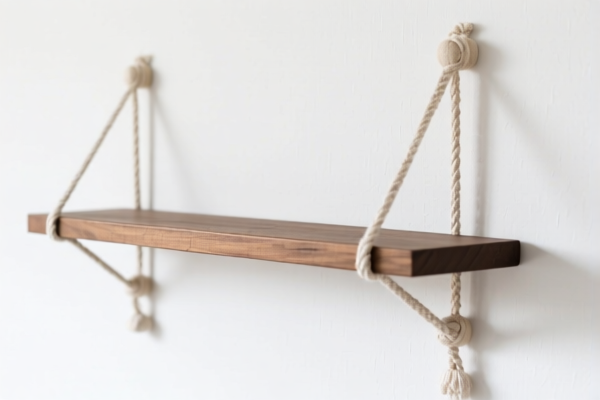
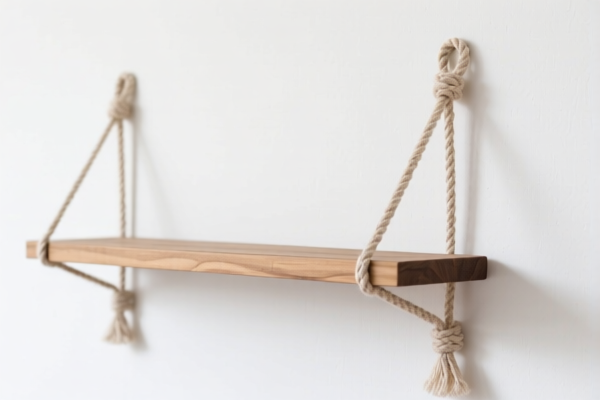
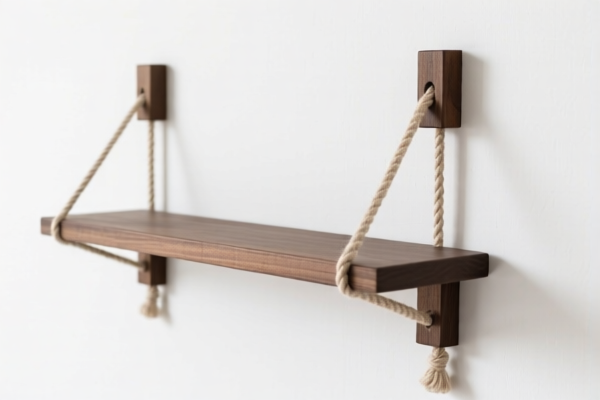
AI Analysis
🪜 Wall-Mounted Shelves (Wall-Mounted Shelving Units)
🌐 HS Code Reference & Clearance Guide | 2026 Latest Tariff Analysis | Professional Customs Strategy
📌 I. Product Definition & Classification: Do You Know What "Wall-Mounted Shelves" Really Are?
"Wall-Mounted Shelves" are storage solutions fixed to walls, commonly used in homes, offices, retail stores, and warehouses. In international trade, they are primarily classified based on their material composition and structural design:
- Wooden Wall Shelves: Solid wood or engineered wood structures (e.g., oak, pine, MDF).
- Metal Wall Shelves: Steel, aluminum, or iron frames, often with wire mesh or perforated backings.
- Plastic/Furniture Fitting Shelves: Shelves made of plastics or those classified as "fittings" for furniture.
⚠️ Key Classification Points: - If made of Wood → Generally falls under Chapter 94 (Furniture). - If made of Metal (specifically racks/shelves) → Falls under Chapter 94, Section 9403.20. - If made of Plastic or are Furniture Fittings → Falls under Chapter 39 (Plastics). - Crucial Distinction: A "wall-mounted shelf" is often considered a "fixture" or "part" of a larger shelving unit or furniture piece. If it is a standalone unit, it is furniture. If it is a component, it might be a part/fitting.
📦 II. HS Code Classification Details (2026 Latest Tariff Authority)
| HS Code | Product Description | Application Scenario | Material Type |
|---|---|---|---|
| 6914.10.80.00 | Other ceramic articles: Of porcelain or china: Other | Decorative ceramic wall shelves, pottery racks | Ceramic / Porcelain |
| 6914.90.80.00 | Other ceramic articles: Other: Other | Industrial ceramic shelving, non-porcelain ceramic racks | Ceramic (Non-porcelain) |
| 9403.60.80.93 | Other furniture and parts thereof: Other wooden furniture: Other Other: Other | Solid wood wall shelves, wooden display racks | Wood |
| 9403.20.00.82 | Other furniture and parts thereof: Other metal furniture Other: Counters, lockers, racks...: Steel racks (not 9403.20.0075) | Heavy-duty steel wall racks, metal shelving units | Steel / Metal |
| 3926.30.50.00 | Other articles of plastics: Fittings for furniture...: Other | Plastic wall brackets, plastic shelf supports, acrylic shelves | Plastic |
| 3926.90.99.89 | Other articles of plastics...: Other: Other Other | Miscellaneous plastic wall fixtures, non-standard plastic shelves | Plastic |
🔍 Critical Reminder: - Ceramic shelves are strictly categorized under Chapter 69 based on material (Porcelain vs. Other Ceramic). - Wooden shelves are classified under 9403.60, specifically the "Other" category for non-specific wood furniture. - Steel Racks (common in warehouses) fall under 9403.20.00.82. Do not confuse them with standard furniture; they are "racks" for storage. - Plastic parts (like brackets or small shelves) may fall under 3926.30 (Fittings) or 3926.90 (General plastics).
💰 III. 2026 Latest Tariff Rate Analysis (Detailed Breakdown)
✅ Applicable Country: United States (US)
✅ Country of Origin: China (CN)
✅ Effective Date: Current trade regulations (Section 301, IEEPA, etc.)
🎯 1. 6914.10.80.00 —— Porcelain/Ceramic Wall Shelves
| Item | Content |
|---|---|
| Base Tariff | 0.0% |
| Additional Tariff (Section 301) | 0.0% |
| Total Tariff | 0.0% |
| Tax Calculation | CIF Value × 0% |
| De Minimis Exemption | ✅ Applicable (if under threshold) |
| Legal Path | General Tariff |
📌 Explanation:
- Porcelain and china articles often enjoy low or zero base tariffs. - No Section 301 Additional Tax applies to this specific subheading in the current dataset, making it a low-risk, cost-effective option for export.
🎯 2. 6914.90.80.00 —— Other Ceramic Wall Shelves (Non-Porcelain)
| Item | Content |
|---|---|
| Base Tariff | 5.6% |
| Additional Tariff (Section 301) | 25.0% |
| Total Tariff | 30.6% |
| Tax Calculation | CIF Value × 30.6% |
| De Minimis Exemption | ❌ Not Applicable |
| Legal Path | 301: 6914.90.80.00 + Base: 5.6% |
📌 Explanation:
- This category covers non-porcelain ceramics (e.g., stoneware, earthenware). - High Tariff Alert: The 25% Section 301 tax is significant. Even though the base rate is low (5.6%), the total hits 30.6%. - Strategy: Verify if your product can be reclassified as "Porcelain" (6914.10) to save 30% in taxes.
🎯 3. 9403.60.80.93 —— Wooden Wall Shelves
| Item | Content |
|---|---|
| Base Tariff | 0.0% |
| Additional Tariff (Section 301) | 25.0% |
| Total Tariff | 25.0% |
| Tax Calculation | CIF Value × 25.0% |
| De Minimis Exemption | ❌ Not Applicable |
| Legal Path | 301: 9403.60.80.93 + Base: 0.0% |
📌 Explanation:
- Wooden furniture is a classic Section 301 target. - 0% Base Tariff is offset entirely by the 25% Additional Tariff. - Cost Impact: For a $10,000 shipment, expect $2,500 in taxes.
🎯 4. 9403.20.00.82 —— Steel Wall Racks / Metal Shelving
| Item | Content |
|---|---|
| Base Tariff | 0.0% |
| Additional Tariff (Section 301) | 25.0% |
| Steel/Aluminum/Copper Additional | 50.0% |
| Total Tariff | 75.0% |
| Tax Calculation | CIF Value × 75.0% |
| De Minimis Exemption | ❌ Not Applicable |
| Legal Path | 301: 9403.20.00.82 + Steel/Copper/Aluminum: 50% + Base: 0% |
📌 Explanation:
- CRITICAL WARNING: This is the highest tariff category in your dataset. - The 50% Additional Tax for Steel/Aluminum/Copper叠加 (adds up) on top of the 25% Section 301 tax. - Result: 75.0% Total Tax. - Impact: A $10,000 shipment incurs $7,500 in taxes. - Strategy: Avoid importing steel racks from China unless you have a specific exemption or third-party origin. Consider aluminum-free designs or wood/plastic alternatives if possible.
🎯 5. 3926.30.50.00 —— Plastic Furniture Fittings / Wall Brackets
| Item | Content |
|---|---|
| Base Tariff | 0.0% |
| Additional Tariff | 0.0% |
| Total Tariff | 0.0% |
| Tax Calculation | CIF Value × 0% |
| De Minimis Exemption | ✅ Applicable |
| Legal Path | General Tariff |
📌 Explanation:
- Plastic furniture fittings (like brackets, clips, small plastic shelves) are Tariff-Free. - This is the best cost option for wall-mounted solutions. - Strategy: If your product is primarily a plastic mounting system, classify here to save 75% compared to steel.
🎯 6. 3926.90.99.89 —— Other Plastic Wall Accessories
| Item | Content |
|---|---|
| Base Tariff | 5.3% |
| Additional Tariff | 7.5% |
| Total Tariff | 12.8% |
| Tax Calculation | CIF Value × 12.8% |
| De Minimis Exemption | ❌ Not Applicable |
| Legal Path | 301: 3926.90.99.89 + Base: 5.3% |
📌 Explanation:
- General plastic articles (non-fitting) attract a moderate tax. - 12.8% is manageable compared to steel (75%) or ceramic (30.6%). - Strategy: Ensure the product is clearly defined as "fittings" (3926.30) rather than "other articles" (3926.90) to secure the 0% rate.
🛠️ IV. Customs Clearance Practical Suggestions (Avoid Pitfalls)
✅ 1. Material Verification is King
| Action | Requirement | Reason |
|---|---|---|
| Material Test Report | ✅ Must Provide | Determines if the shelf is Steel, Wood, or Plastic. Misclassification leads to 75% vs 0% difference. |
| Assembly Diagram | ✅ Must Provide | Shows if it's a standalone "shelf" (Furniture) or a "fitting" (Plastic). |
| Product Photos | ✅ Must Provide | Clearly show mounting method, material texture, and load capacity. |
🔥 Critical Tip: If your "Wall Shelf" is made of Steel, expect 75% tax. If it's Plastic, it could be 0%. Do not assume based on appearance; verify the exact alloy and polymer type.
✅ 2. Declaration Strategy (The "Golden Rule")
🔥 Rule of Thumb: "Material First, Function Second!"
| Scenario | Correct Classification | Risk of Error |
|---|---|---|
| Steel Rack | 9403.20.00.82 |
75% Tax |
| Wooden Shelf | 9403.60.80.93 |
25% Tax |
| Porcelain Shelf | 6914.10.80.00 |
0% Tax ✅ |
| Plastic Bracket | 3926.30.50.00 |
0% Tax ✅ |
| Mixed Material | Check dominant material | Risk of reclassification → 75% if steel is dominant |
✅ 3. Special Situations & Workarounds
| Situation | Suggested Action |
|---|---|
| Steel Shelves | Consider aluminum-free alternatives or plastic-coated steel (may change HS Code). |
| Ceramic Shelves | Ensure they are "Porcelain" (6914.10) to get 0% tax. If they are generic ceramic, tax jumps to 30.6%. |
| Plastic Fittings | Clearly label as "Fittings for Furniture" in the commercial invoice to secure 3926.30. |
| Composite Shelves | If a shelf has a wood top and metal legs, the classification depends on the essential character. Often, the metal part dominates if it's a rack. |
🌍 V. Market Comparison & Strategy (2026 Outlook)
| Market | Recommended HS Code | Est. Tariff (CN Origin) | Strategy |
|---|---|---|---|
| 🇺🇸 USA | 9403.20.00.82 (Steel) |
75% | Avoid! Use Plastic or Wood alternatives. |
| 🇺🇸 USA | 3926.30.50.00 (Plastic) |
0% | Highly Recommended for cost savings. |
| 🇺🇸 USA | 6914.10.80.00 (Porcelain) |
0% | Good for decorative items. |
| 🇪🇺 EU | Varies | Usually Low/0% | Focus on CE certification. |
| 🇨🇦 Canada | Varies | Low | Less aggressive Section 301 equivalent. |
📌 Conclusion:
- USA is the most expensive market for Steel Wall Racks (75% tax). - Plastic and Porcelain options are tax-free in the US. - Wood is moderate (25%).
📌 VI. Common Mistakes & Pitfalls (Learn from Others' Losses)
❌ Mistake 1: Declaring Steel Racks as "Metal Furniture" under a general code.
👉 Consequence: Customs may reclassify to 9403.20.00.82 and charge 75%.
❌ Mistake 2: Calling Plastic Brackets "Wall Shelves" (Furniture).
👉 Consequence: May be taxed at 12.8% or 25% instead of 0% as "Fittings".
❌ Mistake 3: Mixing Porcelain and Ceramic in one shipment without clear distinction.
👉 Consequence: The entire shipment might be taxed at the 30.6% rate.
✅ Correct Declaration:
"Plastic Wall Shelf Fittings, Model ABC, for Kitchen/Cabinets, Material: ABS Plastic, No Metal Components"
HS Code:3926.30.50.00| Tax: 0%
🎯 VII. Final Advice: Save Money, Ship Smart!
🎯 Remember the Tax Hierarchy:
🔹 Plastic Fittings (0%) < Porcelain (0%) < Wood (25%) < Ceramic (30.6%) < Steel (75%).
🚀 Action Plan: 1. Audit your product: Is it steel? If yes, do not ship to the US unless you have a massive profit margin. 2. Switch materials: Consider plastic or wood alternatives to avoid the 75% steel tax. 3. Precise Description: Use "Fittings" or "Porcelain" in your invoice to claim 0% tax. 4. Pre-Ruling: Apply for a Binding Tariff Ruling from US Customs before shipping large quantities.
📣 Immediate Action:
📞 Contact your freight forwarder with material composition reports.
📝 Ensure your Commercial Invoice lists "Plastic Fitting" or "Porcelain" if applicable.
🛑 STOP if your main product is Steel Racks from China → The 75% tariff will kill your profit!
✨ Smart Custom Classification = Higher Profit Margins!
💼 Don't let a 75% tax rate destroy your export business!
Customer Reviews
About HS Code Classification
The Harmonized System (HS) is an internationally standardized nomenclature developed by the World Customs Organization (WCO) to classify traded products. Over 200 countries use the HS system as the basis for customs tariffs, trade statistics, and import/export regulations.
Each HS code follows a hierarchical structure:
- Chapter (2 digits) — Broad category of goods (e.g., Chapter 84: Machinery and Mechanical Appliances)
- Heading (4 digits) — More specific grouping within the chapter
- Subheading (6 digits) — Internationally standardized breakdown, used by all WCO member countries
- National subdivisions (8-10 digits) — Country-specific extensions for further classification, such as US HTSUS 10-digit codes
Correct HS code classification is essential for smooth customs clearance, accurate duty payment, and compliance with trade regulations. Misclassification can lead to customs delays, overpayment of duties, or penalties.
When importing from CN to US, the applicable tariff rates may include:
- Most-Favored-Nation (MFN) rate — The standard duty rate applied to WTO members
- General rate — Applied to countries without trade agreements
- Trade remedy duties — Additional tariffs such as Section 301 (anti-dumping), Section 232 (national security), or countervailing duties
The information provided on this page is for reference purposes only. For official classification, please consult with your local customs authority or a licensed customs broker.